EN
EN
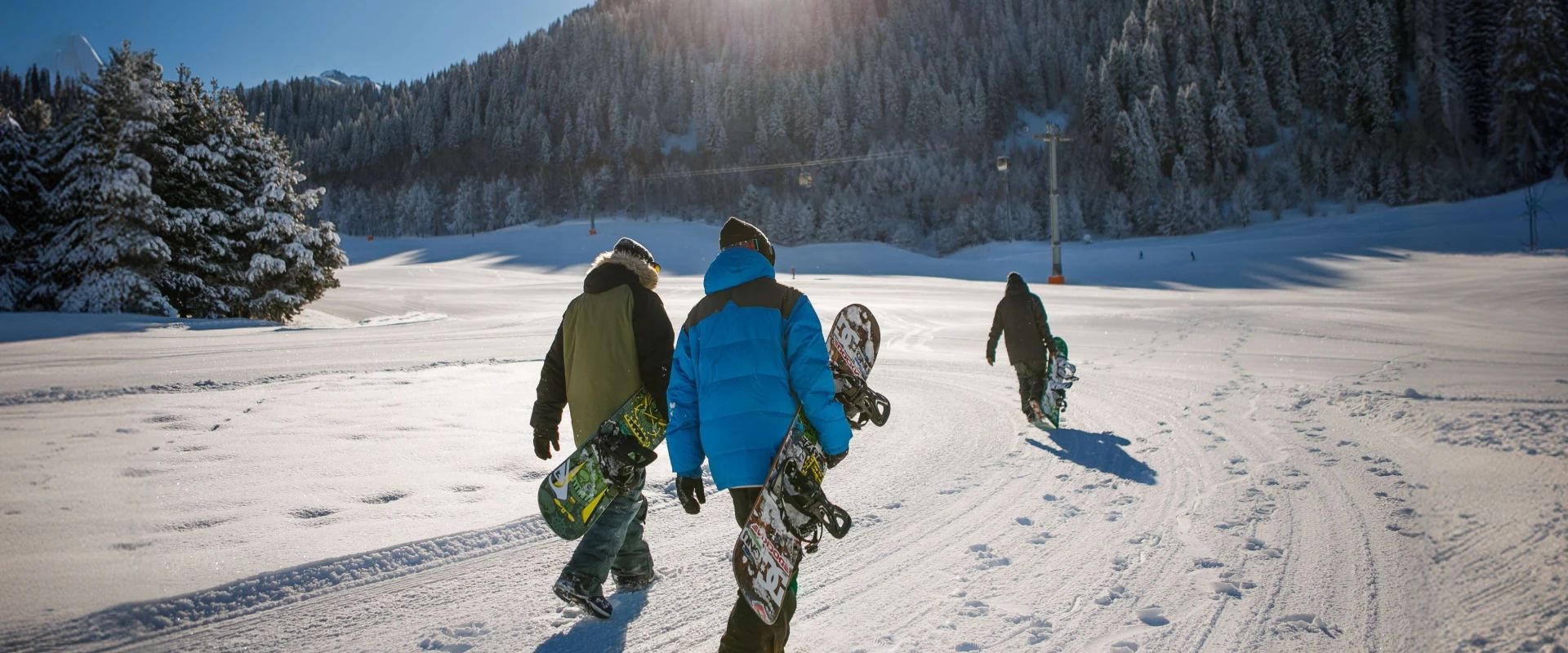
A ski holiday has more moving parts than a typical beach break, and the total cost depends on where you go, when you travel, and how you book. This guide breaks down every major expense - flights, accommodation, lift pass, lessons, equipment hire, food, and the smaller costs that add up - so you can plan with a realistic picture rather than a rough guess. If you’re looking for resorts where costs stay lower across the board, our best affordable ski resorts in Europe guide covers the top options. And if you want practical ways to bring the overall spend down, our how to ski on a budget guide has 15 tips that make a real difference.
Flights are typically the first line item, and the range is wide. A return flight from the UK to Geneva, Innsbruck, or Turin can be very affordable if you book early and travel mid-week, but the same route during February half-term will cost significantly more. Low-cost carriers serve most major gateway airports for the Alps, so the options are good - the timing of your booking matters more than the airline.
Airport transfers are the other half of the travel equation, and they vary more than most people expect. A short transfer from Innsbruck to the Stubai Valley takes under an hour. A transfer from Geneva to Val Thorens can take three hours or more in heavy traffic. Shorter transfers save time and money, and they also mean less of your first day is spent in a minibus. When comparing resorts, transfer time is worth factoring into the overall cost - not just the ticket price.
One pattern worth knowing: flying into a smaller, closer airport rather than the cheapest hub can reduce your transfer cost enough to offset a slightly higher flight. Innsbruck for the Austrian Tyrol, Chambéry for the French Tarentaise, or Turin for the Milky Way resorts all keep total travel costs competitive.
Accommodation is usually the largest single cost in a ski holiday, and the type you choose shapes the overall spend more than almost any other decision. The main options are hotels, self-catered apartments, catered chalets, and all-inclusive packages - each with a different cost profile and a different trade-off between convenience and control.
Self-catered apartments keep nightly costs low but move food spending into your hands. That can work well if you’re comfortable cooking in resort, though mountain supermarket prices tend to be higher than at home. Hotels simplify everything - breakfast is usually included, and you’re not managing shopping or cooking after a day on the slopes. Catered chalets sit somewhere between the two: you get home-cooked evening meals and breakfast included, with a sociable atmosphere that many first-timers enjoy.
Location matters too. Ski-in, ski-out accommodation costs more, but it removes the need for a daily bus or taxi to the lifts. A five-minute walk from the gondola in a quieter part of the village can cut accommodation costs noticeably while still being completely convenient. The right trade-off depends on what matters most to you.
A lift pass gives you access to the ski lifts and pistes, and it’s a fixed cost you’ll pay regardless of ability level. Most resorts sell passes by the day or by the week, and a six-day pass is almost always better value per day than buying individual day passes.
The cost of a lift pass varies by resort and by the size of the ski area it covers. A local pass for a single-village resort costs less than a regional pass covering a large linked area. For beginners, this is worth paying attention to - you’re unlikely to use more than a small fraction of a massive ski area in your first week, so a local pass (where available) can be a sensible choice.
Some resorts include the lift pass in the overall package price, which simplifies budgeting. Others sell it separately. Children’s passes are usually discounted, and some resorts have free or reduced-price beginner areas that don’t require a full lift pass at all. When you’re comparing the total cost of different resorts, it’s worth checking whether the lift pass is bundled or separate - it can shift the comparison noticeably.
Lessons are one of the most valuable parts of a ski holiday budget, particularly for beginners. Group lessons - typically two to three hours each morning for five or six days - are the standard format, and they’re how the vast majority of first-timers learn. You’ll progress alongside people at a similar level, which is both motivating and social.
Private lessons cost more per hour but give you undivided attention from an instructor. They’re useful if you want to progress quickly, have specific concerns, or prefer not to learn in a group setting. Some people book group lessons for the week and add a single private session mid-week to work on something specific - a good way to get the benefits of both without doubling the cost.
Lesson costs vary between countries and between resorts within the same country. Austrian and Andorran resorts tend to have lower lesson costs than French resorts, though the quality of instruction is consistently high across the Alps. English-speaking instructors are available in almost every major European resort - if that’s important to you, it’s rarely a problem to find.
Unless you already own ski gear, you’ll hire it in resort. A standard hire package covers skis, boots, and poles for the duration of your stay. Helmets are usually included or available for a small extra charge. Most hire shops are located either in the resort village or at the base of the lifts, so you collect everything when you arrive and return it at the end.
Boots are the most important part of the hire. A well-fitted boot makes a noticeable difference to comfort and control - more so than the quality of the ski itself, particularly at beginner level. Spending an extra few minutes in the hire shop getting the fit right is time well spent. If a boot feels tight in the wrong places or creates pressure points, ask to try another pair. Good hire shops expect this and won’t rush you.
Hire costs are lower in Eastern European and Andorran resorts than in France or Switzerland, but the quality of equipment is broadly similar at the main rental chains. If your package includes equipment hire, that’s one fewer thing to budget separately - worth checking when you compare options.
Food is where ski holidays diverge most from other types of trip, because you’re eating at altitude as well as in the village. Mountain restaurants - the places you stop at mid-run for lunch - are a real highlight of skiing in the Alps. They range from simple self-service canteens to sit-down restaurants with tablecloths and wine lists. The experience is part of the holiday, and most people budget for at least a few mountain lunches during the week.
In the village, evening dining costs vary by country and resort. Andorran and Eastern European resorts keep food costs noticeably lower than French or Swiss ones. Catered chalets and half-board hotel stays remove the evening meal from the equation entirely, which simplifies budgeting and often works out well on a per-meal basis.
Après-ski - the drinks and socialising that happen straight after the lifts close - is the other food-and-drink cost that catches people off guard. It’s entirely optional, but it’s also one of the most enjoyable parts of a ski holiday for many people. Some resorts have a bigger après scene than others, so if that’s something you’re looking forward to, it’s worth factoring it into your planning.
It depends on how you approach it. A ski holiday has more upfront costs than a beach holiday - you’re paying for equipment hire, a lift pass, and usually lessons on top of travel and accommodation. But once you’re there, the skiing itself is included in the lift pass and you can spend entire days on the mountain without opening your wallet. Choosing a resort in a lower-cost country and booking as a package keeps the overall spend manageable for most budgets.
Mountain food and après-ski drinks tend to surprise first-timers the most. A sit-down lunch on the mountain costs more than the equivalent meal in the village, and après-ski drinks at altitude add up quickly if you’re not expecting them. The other commonly overlooked cost is insurance - standard travel insurance rarely covers skiing, so you’ll need a winter sports policy. It’s not expensive, but it’s essential.
For most people, particularly first-timers, a package is the simpler and often more cost-effective route. When you book flights, accommodation, transfers, lift pass, and hire separately, the individual costs can be hard to compare and the total often ends up higher than you expected. A package bundles everything into one price, which makes it easier to see exactly what you’re spending. It also removes the coordination work - you’re not matching flight times with transfer schedules or chasing separate bookings.
Andorra, Bulgaria, and the Eastern European resorts (particularly Bansko and Borovets in Bulgaria) consistently come in lower across almost every cost category - accommodation, food, lessons, and hire. Austria sits in the middle, with excellent quality at moderate prices. France and Switzerland are at the higher end, though the size and quality of the ski areas often justify the difference. Our best affordable ski resorts in Europe guide highlights the resorts where your money goes furthest.
Not entirely, but costs are lower. Most resorts give free lift passes to children under a certain age (typically five or six, though it varies). Children’s lessons, hire, and ski school care are all available at reduced rates. Some family-focused resorts include children’s lessons or hire in accommodation packages. It’s worth comparing the overall family cost rather than looking at each element individually.
Got a clearer picture of what a ski holiday involves? WeSki’s AI trip planner can turn your budget and preferences into a shortlist of resorts that actually fit