EN
EN
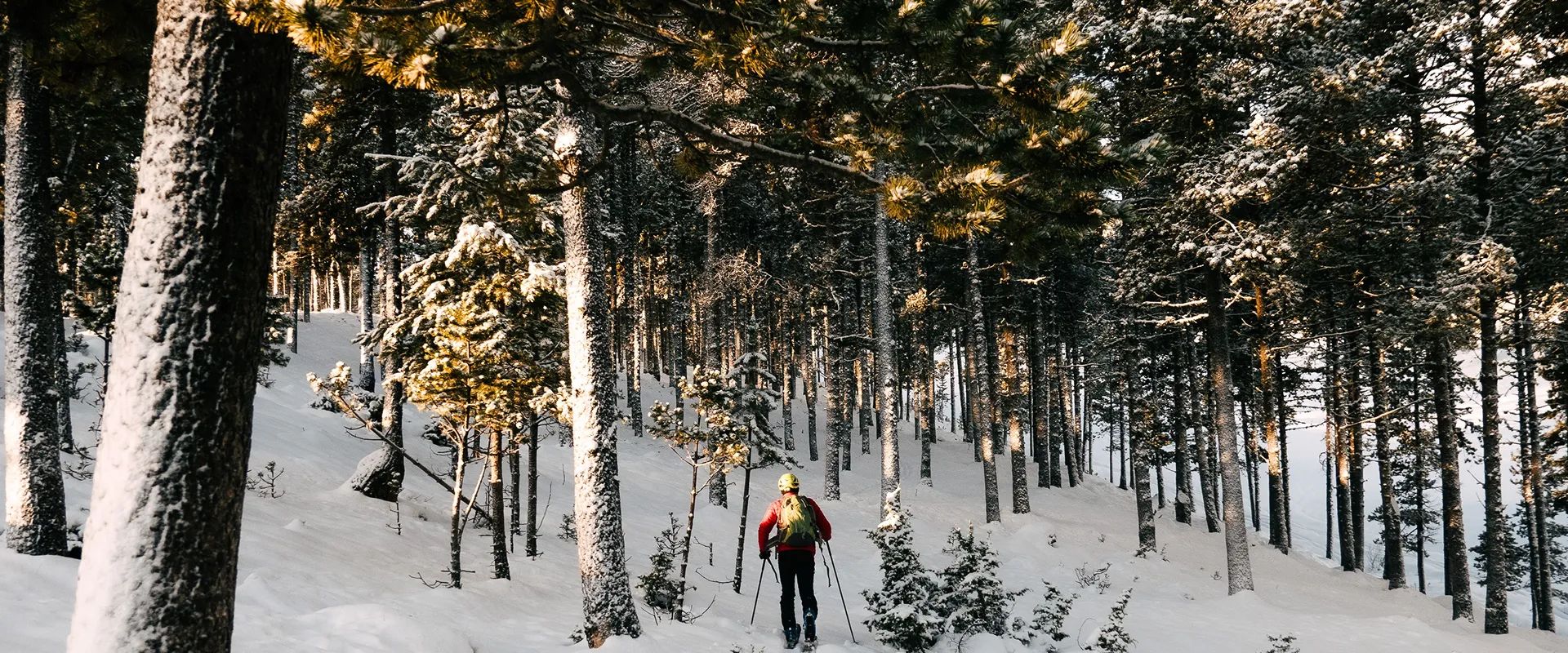
The difference between a good cross-country skiing holiday and an average one usually comes down to the trails. Grooming quality, network length, scenery variety, and the availability of dedicated Nordic infrastructure all matter far more than the size of the resort's downhill ski area. This list covers eight European destinations where the Nordic side is taken seriously - each one selected for its trail quality, hire and lesson facilities, and the kind of landscape that makes cross-country skiing worth the trip. If you're new to the discipline, our guide to what cross-country skiing is explains the basics. And for practical preparation, our guide to getting started with cross-country skiing covers everything from booking lessons to choosing equipment.
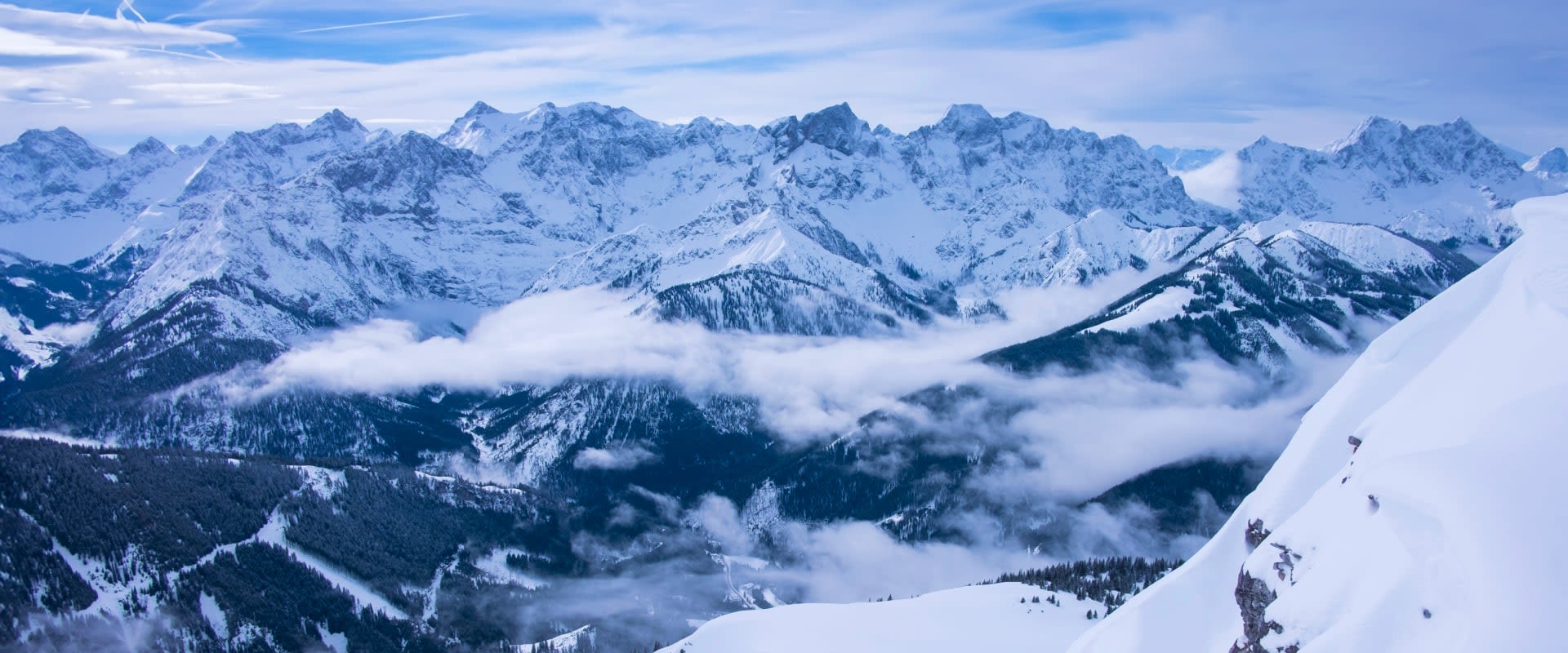
Seefeld is built around cross-country skiing in a way that few other resorts can match. The town sits on a wide, sun-drenched plateau at 1,200 m in the Tyrolean Alps, and its identity as a Nordic centre runs deep - it hosted the cross-country and biathlon events at both the 1964 and 1976 Winter Olympics, and again at the 2019 FIS Nordic World Ski Championships. The trail network covers 245 km of groomed routes, with loops for every ability from flat beginner circuits to demanding climbs through surrounding forests.
What makes Seefeld stand out for a first-timer is the infrastructure. The Nordic competence centre in the heart of town has hire, lessons, waxing services, and trail advice under one roof. Trails are groomed daily for both classic and skating, and the plateau's natural topography means even the longer routes stay relatively flat - ideal for building confidence and covering distance.
✓ 245 km of groomed Nordic trails across all abilities, including flat beginner loops on the plateau.
✓ Full Nordic competence centre with hire, lessons, and daily trail reports in one location.
✓ Olympic heritage and purpose-built infrastructure that puts cross-country skiing at the centre of the resort.
| Country | Austria |
|---|---|
| Nordic trails | 245 km (classic + skating groomed) |
| Altitude | 1,200 m (plateau) |
| Trail grades | Easy, medium, and demanding loops; biathlon course |
| Nordic ski school | Seefeld Nordic Sports Park - English-speaking instructors |
| Transfer time | Innsbruck (25 min); Munich (2h) |
WeSki insider tip: The Wildmoosalm loop is one of the quieter routes on the plateau and takes you past a traditional Alpine dairy. Go early in the morning when the grooming is freshest and the tracks are at their cleanest.
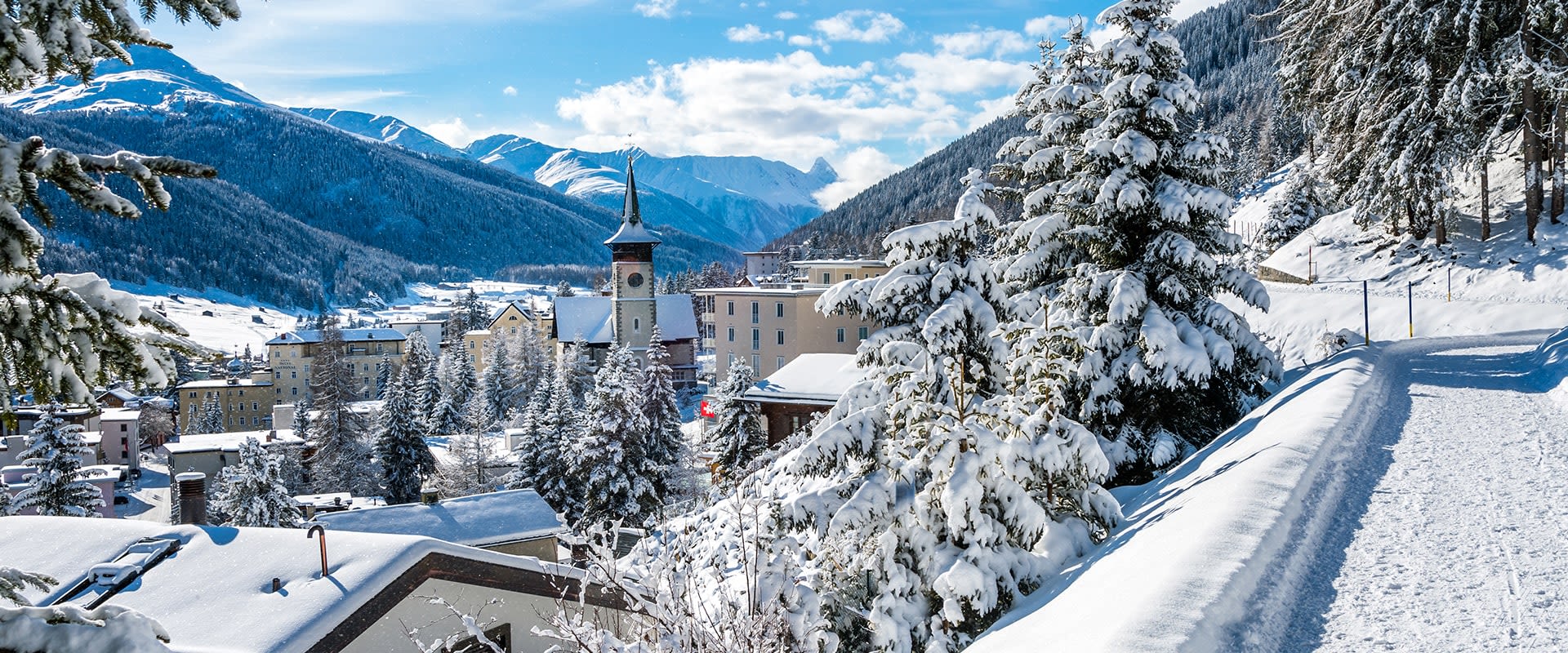
Davos combines a large Alpine ski area with one of the most extensive cross-country networks in Switzerland. The Davos Nordic Centre maintains over 100 km of groomed trails across the Fluela, Dischma, and Sertig valleys - three distinct landscapes that give you real variety over a week's skiing. The Fluela valley trails are flat and wide, well suited to beginners and skaters. The Dischma valley narrows into a more atmospheric forest route, and the Sertig loop takes you through a quieter, more remote setting.
For anyone planning a mixed Alpine and Nordic holiday, Davos makes the logistics easy. The Nordic trails start from the town centre, the hire shops stock both Alpine and Nordic equipment, and the combined resort infrastructure means you don't need to drive between separate areas to switch disciplines.
✓ Over 100 km of Nordic trails across three valleys, each with a distinct character.
✓ Easy switching between Alpine and Nordic skiing from the same town base.
✓ Flat, wide Fluela valley trails are particularly well suited to beginners and skating.
| Country | Switzerland |
|---|---|
| Nordic trails | 100+ km across Fluela, Dischma, and Sertig valleys |
| Altitude | 1,560 m (town) |
| Trail grades | Easy to demanding; dedicated skating lanes |
| Nordic ski school | Davos Nordic - group and private lessons in English |
| Transfer time | Zurich (2h 30 min) |
WeSki insider tip: The Dischma valley trail is at its most rewarding in the late afternoon when the low winter sun lights up the valley walls. It's also one of the quieter routes, since most day visitors stick to the Fluela.
Ramsau sits on a sunny plateau at 1,100 m in Styria, with the Dachstein massif as a dramatic backdrop. It maintains 220 km of Nordic trails and hosts regular World Cup biathlon events, which tells you something about the quality of the grooming and infrastructure. The terrain splits neatly between easy valley loops and more challenging routes that climb into the surrounding hills.
For beginners, the trails around the village centre are flat, wide, and well marked. The dedicated Nordic ski school runs introductory classic and skating courses, and the hire centre is geared specifically toward cross-country equipment rather than being an afterthought alongside Alpine hire. The altitude-plus-glacier combination also means the season stretches later than at many comparable Nordic destinations.
✓ 220 km of Nordic trails with World Cup-standard grooming across a sunny, sheltered plateau.
✓ Dedicated Nordic ski school with introductory courses for both classic and skating.
✓ Extended season thanks to glacier proximity and plateau altitude.
| Country | Austria |
|---|---|
| Nordic trails | 220 km (classic + skating groomed) |
| Altitude | 1,100 m - 2,700 m (with Dachstein glacier access) |
| Trail grades | Easy village loops to demanding hill circuits; biathlon range |
| Nordic ski school | Ramsau Nordic Centre - English-speaking instructors |
| Transfer time | Salzburg (1h 15 min); Graz (2h 30 min) |
WeSki insider tip: The glacier trail at Ramsau is one of the few high-altitude Nordic routes in the Alps. It's groomed separately from the valley trails and gives you a completely different landscape for a half-day session - worth the short transfer up.
Leutasch shares the Seefeld Plateau's trail network but has a quieter, more village-level feel than its neighbour. The valley stretches for several kilometres, with trails running alongside the Leutascher Ache river and through open meadows backed by mountain views. It's a popular training base for competitive Nordic skiers, which keeps the grooming standards high.
The trails here lean slightly toward the easier end of the spectrum, making Leutasch a strong pick if your group includes beginners or if you want long, scenic routes without too many elevation changes. The valley floor is wide enough to support both classic tracks and skating lanes side by side, and you can ski directly from Leutasch into the wider Seefeld network without needing transport.
✓ Access to the full 245 km Seefeld Plateau network from a quieter, less crowded base.
✓ Flat valley-floor trails well suited to beginners and long-distance classic skiing.
✓ Connected to Seefeld by trail - no transport needed to access the wider network.
| Country | Austria |
|---|---|
| Nordic trails | 245 km (shared Seefeld Plateau network) |
| Altitude | 1,135 m (valley floor) |
| Trail grades | Predominantly easy to medium; some connecting routes to Seefeld are more demanding |
| Nordic ski school | Nordic Academy Leutasch - English-speaking instructors |
| Transfer time | Innsbruck (30 min); Munich (2h) |
WeSki insider tip: The Gaistal valley loop starts from Leutasch and runs through a protected forest landscape with very few other skiers. It's one of the most scenic half-day routes on the entire plateau.
Sjusjoen sits on a highland plateau above Lillehammer in eastern Norway and is widely considered one of the best Nordic skiing destinations in Scandinavia. The trail network covers over 350 km of groomed routes through birch forest, across frozen lakes, and over open mountain terrain. Snow reliability is excellent - the plateau sits at 800-1,000 m, and the inland climate maintains consistent cold temperatures from November through April.
The landscape here is different from anything in the Alps. Wide, open trails wind through sparse birch forests with long sightlines and a quiet that feels truly remote. For anyone who wants cross-country skiing to be the main event rather than a sideshow to a downhill resort, Sjusjoen is exactly that.
✓ Over 350 km of Nordic trails - one of the largest groomed networks in Scandinavia.
✓ Reliable snow conditions from November to April on a highland plateau.
✓ Authentic Scandinavian Nordic landscape with wide birch-forest trails and open mountain terrain.
| Country | Norway |
|---|---|
| Nordic trails | 350+ km (classic + skating groomed) |
| Altitude | 800 m - 1,000 m (plateau) |
| Trail grades | Easy to advanced; long-distance touring routes available |
| Nordic ski school | Sjusjoen Ski Centre - lessons available in English |
| Transfer time | Oslo Gardermoen (2h); Lillehammer (30 min) |
WeSki insider tip: The illuminated trails are open for evening skiing several nights a week. Skiing under floodlights through the birch forest is a uniquely Scandinavian experience and a good way to fit in extra kilometres on a short trip.
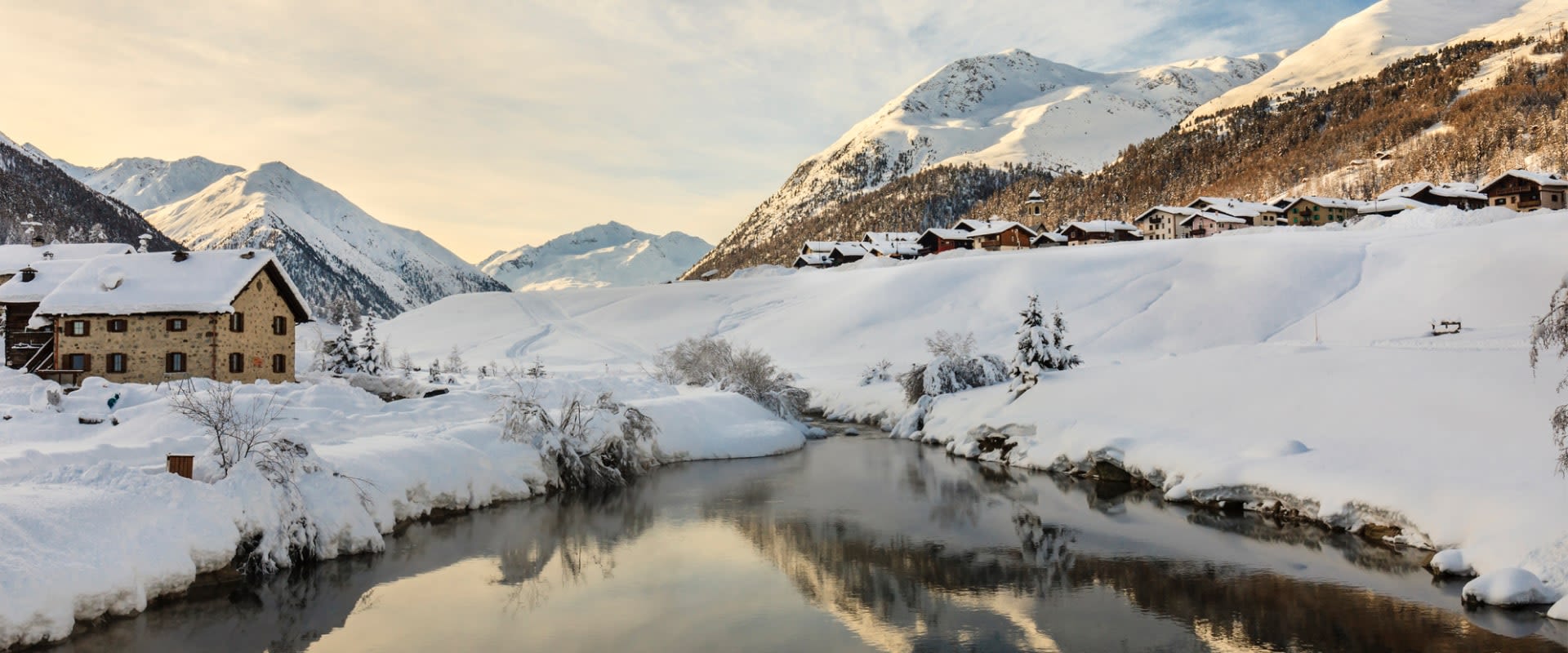
Livigno is better known for its Alpine skiing and duty-free shopping, but the valley floor hosts a well-maintained 40 km cross-country trail network that runs the length of the town. The trails follow the flat, wide valley bottom at 1,816 m, making them consistently snow-sure and sheltered from wind. The altitude and north-facing aspect mean conditions hold well even in spring.
For anyone wanting to combine Alpine and Nordic skiing in a single trip, Livigno is one of the most convenient options. The cross-country trails start steps from the main street, the Alpine lifts are a short walk away, and the town's relaxed atmosphere suits a mixed-pace holiday. The Nordic stadium near the centre of town is where lessons run and where the hire equipment is based.
✓ 40 km of flat valley-floor trails at 1,816 m - excellent snow reliability.
✓ Nordic and Alpine skiing within walking distance of each other in the same resort.
✓ Dedicated Nordic stadium with hire, lessons, and a beginner practice area.
| Country | Italy |
|---|---|
| Nordic trails | 40 km (classic + skating groomed) |
| Altitude | 1,816 m (valley floor) |
| Trail grades | Predominantly easy to medium; flat valley terrain |
| Nordic ski school | Livigno Nordic Centre - English-speaking instructors |
| Transfer time | Innsbruck (2h 30 min); Milan Malpensa (3h 30 min) |
WeSki insider tip: The trail section between the Nordic stadium and Trepalle (the highest village in the valley) is the quietest stretch of the network. It's a flat, gentle out-and-back route that's ideal for a first solo session after a morning lesson.
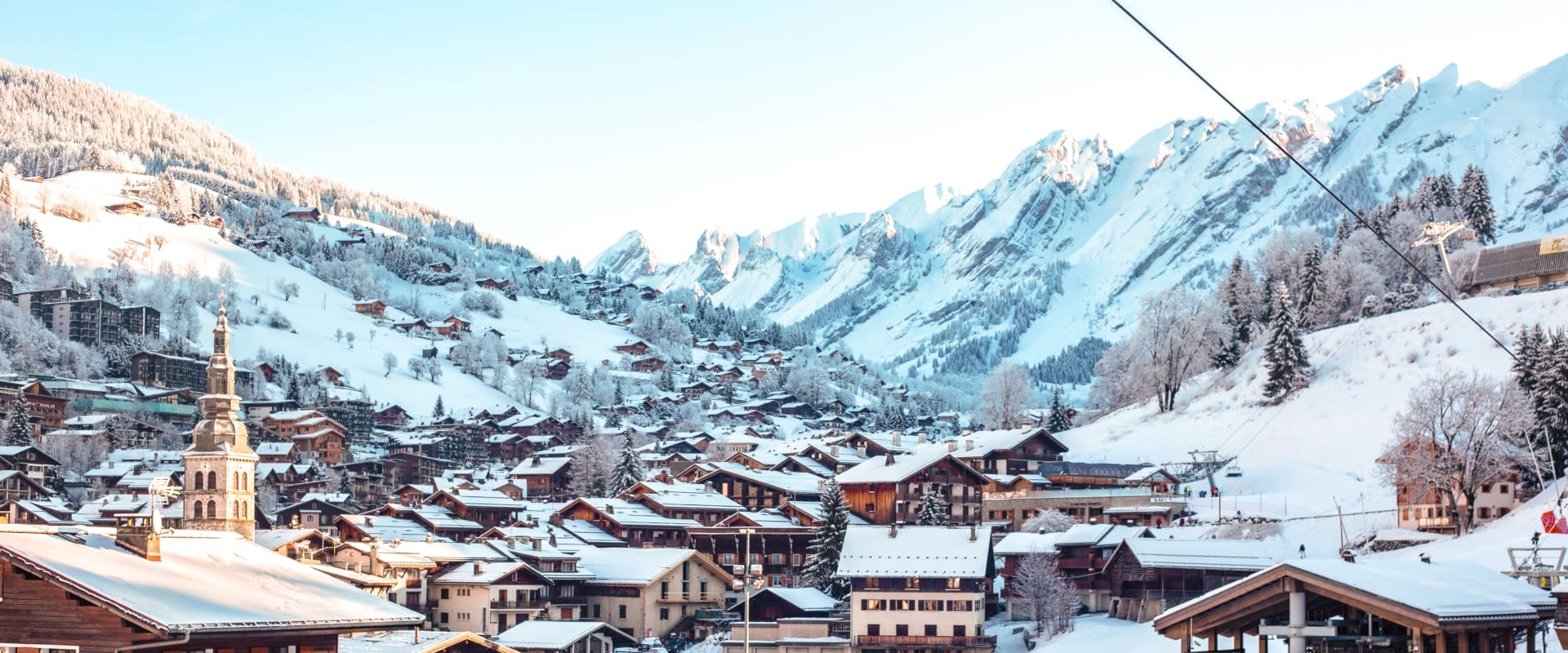
La Clusaz is primarily an Alpine resort, but the Plateau de Beauregard above the village maintains a compact Nordic trail network that punches well above its modest size. Around 50 km of groomed trails loop across the plateau at 1,400-1,600 m, with views across the Aravis mountain range. The setting is more dramatic than many dedicated Nordic areas, and the trails are groomed to a high standard.
The practical advantage here is proximity to Geneva. La Clusaz is one of the closest French resorts to the airport, which makes it viable for a short cross-country break. The Nordic trails are accessed via the Beauregard gondola from the village, and a small hire centre and lesson programme operate at the plateau level. It's a smaller operation than Seefeld or Davos, but the quality is there.
✓ 50 km of plateau-level Nordic trails with dramatic Aravis mountain scenery.
✓ Short transfer from Geneva - viable for a long weekend or short break.
✓ Access via gondola from the village keeps the Nordic area separated from Alpine traffic.
| Country | France |
|---|---|
| Nordic trails | 50 km (classic + skating groomed on Plateau de Beauregard) |
| Altitude | 1,400 m - 1,600 m (plateau) |
| Trail grades | Easy to medium; compact network suited to day sessions |
| Nordic ski school | ESF La Clusaz - Nordic lessons available, English-speaking instructors |
| Transfer time | Geneva (1h 15 min) |
WeSki insider tip: Take the Beauregard gondola up for the morning and plan to ski back down to the village on one of the marked descents. The contrast between the quiet plateau trails and the lively village atmosphere makes for a satisfying day.
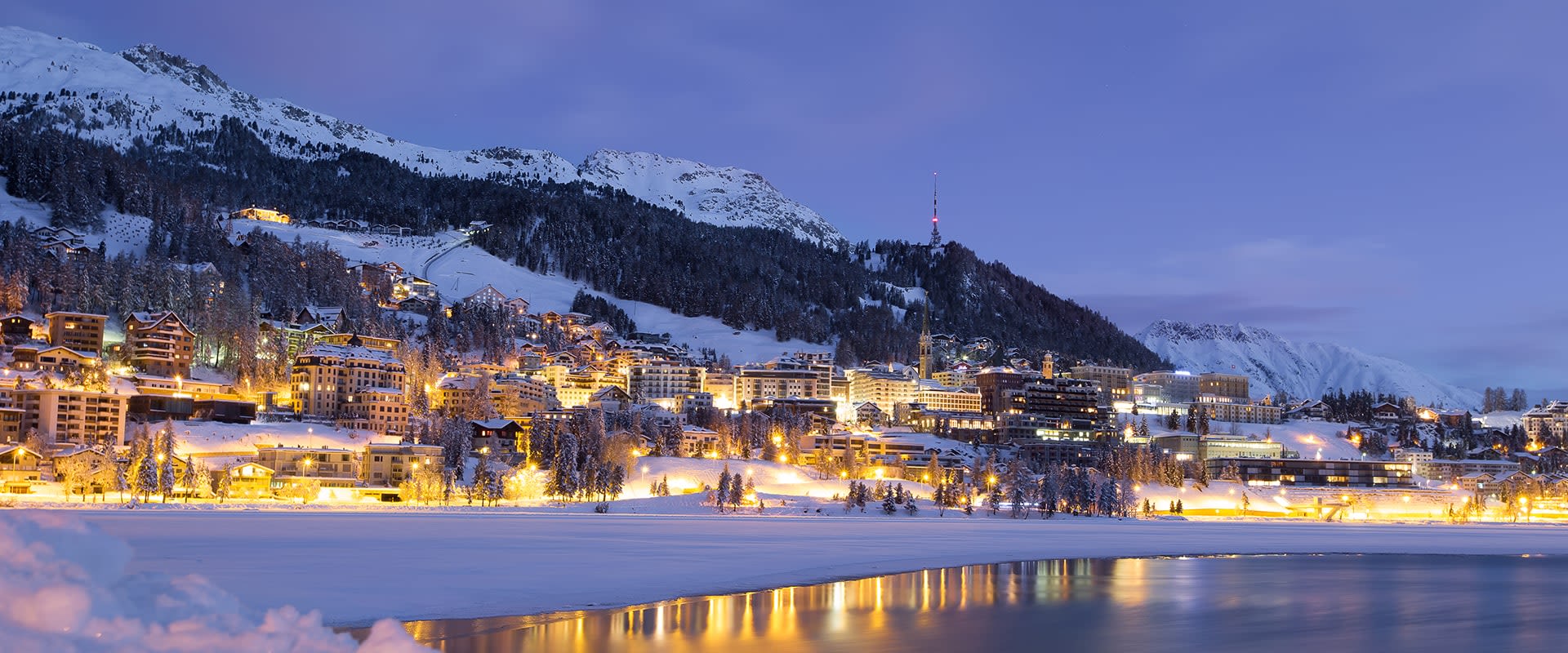
The Upper Engadin valley between St. Moritz and Maloja is one of the most celebrated cross-country skiing landscapes in Europe. The valley floor sits at 1,800 m, flanked by high peaks, and the flat, wide terrain running along a chain of frozen lakes makes for consistently excellent Nordic conditions. The network covers over 230 km of groomed trails, with routes linking several Engadin villages along the valley.
Engadin hosts the annual Engadin Skimarathon, one of the largest cross-country skiing events in the world, which reflects the depth of Nordic culture here. For visitors, the infrastructure matches the reputation: multiple hire centres, a well-established Nordic ski school, and trail grooming that holds up across the full season. The valley's high altitude and Inner Alpine climate give it some of the most reliable snow conditions in Switzerland.
✓ Over 230 km of valley-floor trails linking multiple Engadin villages along a frozen-lake chain.
✓ 1,800 m altitude and Inner Alpine climate give exceptionally reliable snow throughout the season.
✓ Deep Nordic culture and infrastructure, including the annual Engadin Skimarathon.
| Country | Switzerland |
|---|---|
| Nordic trails | 230+ km across the Upper Engadin valley |
| Altitude | 1,800 m (valley floor) |
| Trail grades | Easy to demanding; race-standard marathon course |
| Nordic ski school | Swiss Ski School St. Moritz - Nordic division, English-speaking instructors |
| Transfer time | Zurich (3h); Milan Malpensa (3h 30 min) |
WeSki insider tip: The trail section between Sils and Maloja, at the far end of the valley, is quieter than the St. Moritz side and runs along the shore of Lake Sils with mountain views in every direction. It's worth the short bus ride to start from Maloja and ski back.
The key factors are trail length and variety, grooming quality (for both classic and skating), dedicated Nordic hire and lesson facilities, and the terrain itself. Flat valley floors and plateaux are ideal for the discipline. Resorts that treat cross-country as a core activity rather than an afterthought tend to have better infrastructure, more trail options, and longer seasons.
Every resort on this list has easy, flat trails suitable for a first-time cross-country skier. Seefeld, Leutasch, and Livigno are particularly beginner-friendly thanks to their wide, flat terrain and well-organised lesson programmes. Our guide to getting started with cross-country skiing covers how to prepare for your first session in more detail.
Most Nordic trail networks require a trail pass (sometimes called a loipe pass), which covers grooming, maintenance, and facilities. This is separate from an Alpine lift pass and is typically much less expensive. Some resorts include Nordic trail access in a multi-activity or guest card. Check what's included with your accommodation or WeSki booking before purchasing separately.
January to March is the peak season for most European Nordic destinations. Snow cover is at its deepest, trails are fully groomed, and daylight hours are long enough for full-day outings. Higher-altitude areas like Engadin, Ramsau, and Livigno can extend into April. Scandinavian destinations like Sjusjoen often open from November and hold conditions well through to Easter.
Several resorts on this list - Davos, Livigno, La Clusaz, and Engadin St. Moritz - have strong Alpine ski areas alongside their Nordic networks. You can switch between disciplines on the same day at any of these. It's a particularly good option for mixed-ability groups where some members prefer the quieter pace of cross-country while others want the downhill experience.
Still weighing up your options? Tell WeSki’s AI trip planner what matters to you and get a shortlist built around your priorities