EN
EN
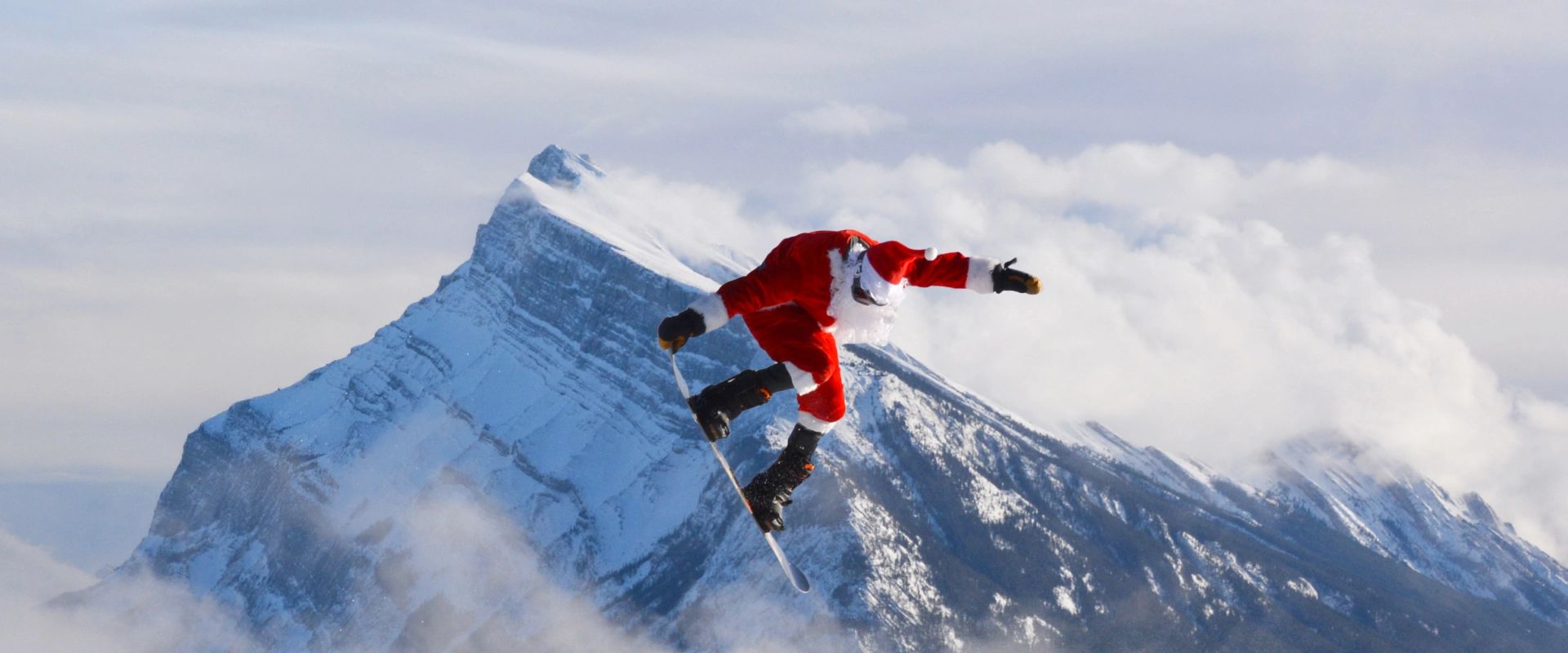
A ski holiday over Christmas takes a bit more planning than a regular week on the slopes, but the combination of festive atmosphere, snow-covered mountains, and a break from the usual routine makes it one of the most rewarding times to go. This guide covers the practical side - snow conditions in late December, how festive traditions vary by country, when to book, and what to expect from a Christmas week in a ski resort. If you're looking for specific resort recommendations, our best ski resorts for Christmas 2026 list covers ten options across four countries.
One of the most common questions about Christmas skiing is whether there will be enough snow. The honest answer is that it depends on altitude, and this is the single most important factor when choosing a resort for a late-December trip.
Resorts above 1,800m at village level - places like Val d'Isere, Saas-Fee, and Obergurgl - have a strong track record of snow cover by Christmas. Their upper slopes often reach well above 2,500m, where snowfall in November and December builds a reliable base. Glacier resorts (Zermatt, Saas-Fee, Hintertux) add another layer of confidence, since glacial terrain holds snow year-round.
Lower-altitude resorts can still work well at Christmas, particularly in Austria where snowmaking investment has been extensive. Kitzbuhel (762m village altitude) regularly opens its full ski area before Christmas thanks to comprehensive snowmaking. The risk is higher, though, and a warm December spell can leave lower resorts relying on artificial snow while higher ones have the real thing.
If snow reliability is your priority, aim for resorts where the majority of skiing happens above 2,000m. If atmosphere and tradition matter more, Austrian resorts in the 1,200 - 1,600m range compensate with strong snowmaking and a festive culture that's hard to beat.
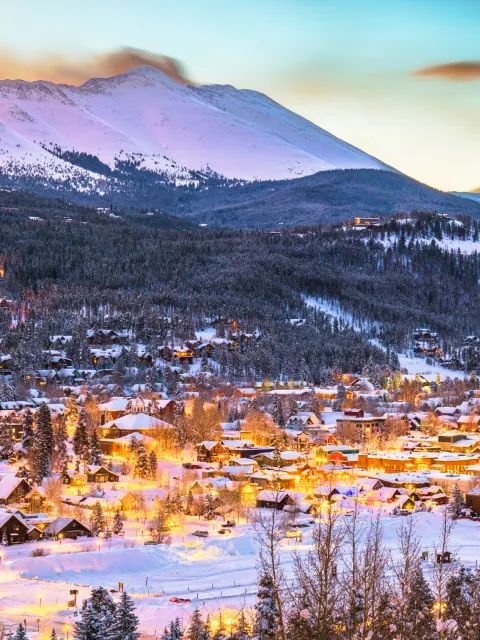
Austria takes Christmas seriously. Advent celebrations begin in late November, and by mid-December most resort villages have Christmas markets, carol singing, and Krampus parades (a Tyrolean tradition where costumed figures roam the streets in early December). Christmas Eve is the main event - families gather for dinner and gift-giving, and many villages hold a midnight church service. The atmosphere is community-led rather than commercial, which gives Austrian Christmas a warmth that's hard to manufacture.
Switzerland is more reserved but equally committed to the season. Christmas markets in resort towns are smaller and more curated than their Austrian counterparts. The Swiss tradition of fondue and raclette fits naturally into the season, and many mountain restaurants run special Christmas menus. Car-free villages like Zermatt, Wengen, and Saas-Fee have a particular charm in the snow, with horse-drawn carriages and candlelit streets that feel properly of another era.
France approaches Christmas differently. The reveillon - a communal Christmas Eve feast - is the centrepiece of the French festive season and can stretch well past midnight. French ski resorts tend to put less emphasis on decorations and markets than their Austrian neighbours, but the food is the main event. Purpose-built French resorts can feel less atmospheric than village-based alternatives, so choosing a resort with a traditional centre (Meribel, Chamonix, Megeve) makes a difference if festive atmosphere matters to you.
Italy brings its own character, particularly in the Dolomites. Ladin Christmas markets in the Val Gardena and Val di Fassa feature woodcarvings, regional food, and a distinctly local feel. Christmas lunch in Italy is a serious affair - mountain restaurants across the Dolomites prepare multi-course festive menus that justify a longer stop on the slopes. The Italian approach to Christmas is warm, food-centred, and deeply regional, which makes the Dolomites feel quite different from the French or Austrian Alps.
Christmas is one of the three peak weeks of the ski season (alongside New Year and February half term), and the most popular properties book up fast. The practical reality is that leaving it late limits your options significantly - the best-positioned chalets and hotels in popular resorts can be fully booked by summer.
Booking six to nine months ahead gives you the widest choice of accommodation and flight options. Some regular Christmas skiers book as early as January for the following December, particularly for chalets that sleep larger groups. If you're booking as a couple or small group, you'll generally have more flexibility, but waiting until autumn means accepting whatever's left rather than choosing what suits you best.
Flexibility on resort can help. The most famous names (Val d'Isere, Zermatt, St Anton) fill first, but equally strong options in less headline-grabbing resorts - Saas-Fee, Selva Val Gardena, Wengen - often have availability longer. A package booking through WeSki simplifies the coordination, since flights, transfers, accommodation, and lift passes are handled together rather than pieced together separately.
Christmas week in a ski resort has a different rhythm from a regular holiday week. The slopes are busier than most of the season - it's a peak period across Europe, and you'll share the mountain with families from multiple countries whose school holidays overlap. Lift queues are longer than average, particularly mid-morning on the most popular lifts.
That said, there are quieter windows. Christmas Day morning is often one of the best times to ski all week - many people stay in their accommodation for present-opening and a late breakfast, and the slopes can feel remarkably empty until lunchtime. Early mornings in general are your friend: the first hour after lifts open tends to have the shortest queues, and the runs are freshly groomed.
Away from the mountain, the week tends to fill naturally. Restaurants book up quickly, particularly for Christmas Eve and Christmas Day itself, so securing a reservation early is worth the effort. Many resorts organise a programme of events - torchlit descents, fireworks, live music, market stalls - that give the evenings structure without you needing to plan everything yourself.
Daylight hours in late December are shorter than in February or March - expect around seven to eight hours of usable skiing light depending on the resort's latitude. Some people find this a positive: the shorter days create a natural rhythm of skiing, followed by an early retreat to a warm restaurant or chalet.
The right Christmas resort depends on what you want from the week. Some people prioritise the festive atmosphere above all else - they want markets, traditions, and a village that feels like Christmas. Others care most about snow reliability and terrain variety, with the festive element as a bonus. Getting clear on which matters more to your group avoids choosing a resort that excels at one but not the other.
For atmosphere, Austrian resorts lead the field. Kitzbuhel's medieval town centre, Lech's understated elegance, and St Anton's Tyrolean traditions all create a Christmas that feels rooted in local culture rather than imported for tourists. Swiss car-free villages (Wengen, Zermatt, Saas-Fee) have a quieter, more intimate feel that suits people who prefer charm over bustle.
For snow reliability, altitude is the deciding factor. Zermatt, Val d'Isere, and Saas-Fee sit high with glacier access, making them the safest bets in variable winters. If you're travelling with children or less confident skiers, the breadth and gentleness of terrain matters too - Lech, Meribel, and the Dolomites all have well-graded intermediate slopes and established ski schools.
For food and dining, Italian resorts are in a class of their own. Courmayeur and the Dolomites villages treat mountain dining as part of the experience, not an afterthought, and the Christmas menus in mountain refuges are a real highlight.
Late-December conditions in the Alps mean shorter days, colder temperatures, and the possibility of heavy snowfall - all of which affect what you should pack. Layering is more important than at any other time of the season, because temperatures can drop sharply after mid-afternoon and the difference between a sunny slope and a shaded one is more pronounced in winter's low sun angles.
A good quality base layer, mid-layer fleece or down jacket, and waterproof outer shell will cover most conditions. Hand and toe warmers are worth packing as a backup for the coldest days - even if you don't use them, they weigh nothing and save a miserable afternoon if conditions turn bitter. A buff or neck gaiter is more versatile than a scarf on the slopes.
For the evenings, you'll want something that isn't ski gear. Christmas dinners, restaurant meals, and village markets call for a pair of decent shoes (or at least clean boots), a warm non-technical jacket, and something presentable for any festive meals that feel like an occasion rather than a refuelling stop.
UV protection matters even in December. The sun sits low, but altitude amplifies UV exposure, and snow reflects it back at you. Good ski goggles with a clear or low-light lens are essential for the shorter days and occasional flat light - more useful than a dark-tinted lens at this time of year.
Book restaurants early. Christmas Eve and Christmas Day dinners in resort fill up quickly, particularly at the better mountain restaurants and village restaurants. Making reservations before you arrive - or asking WeSki to help arrange them - avoids the disappointment of finding everywhere fully booked.
Ski Christmas Day morning. It's counterintuitive, but Christmas Day morning is often the quietest time of the week on the slopes. While others are opening presents and having a long breakfast, you can have freshly groomed runs with minimal queues. Head back to the village by lunchtime for the festive part of the day.
Pack a clear goggle lens. Late December brings shorter days and more variable light than the February and March peak season. A low-light or clear lens for your goggles makes a bigger difference than you'd expect on overcast afternoons and in shaded tree-lined runs.
Consider arrival on the 22nd or 23rd. Flying on Christmas Eve itself can be stressful - delays hit harder when you're meant to be at a festive dinner that evening. Arriving a day or two before Christmas gives you a buffer, a chance to settle in, and a first day on the slopes before the busiest part of the week begins.
| Christmas ski holiday planning - key points |
|---|
| Snow reliability: Choose resorts above 1,800m or with glacier access for the most confident late-December snow cover. |
| Booking timeline: Six to nine months ahead gives you the best choice of accommodation and flights. Popular resorts fill fast. |
| Festive atmosphere: Austrian resorts lead for traditions and markets. Swiss car-free villages have quieter charm. Italy excels on food. |
| Christmas Day skiing: Morning slots are often the quietest of the week - a good time for your best runs before a festive lunch. |
| Packing: Layer for cold, pack a low-light goggle lens, and bring something for evening meals beyond ski gear. |
| Arrive early: Getting to the resort a day before Christmas Eve reduces travel stress and lets you settle in before the celebrations begin. |
For many people, it's one of the best times of the year to be in the mountains. The combination of snow-covered villages, festive events, and a break from the usual routine creates something you don't get during a standard ski week. The trade-offs are higher prices and busier slopes than off-peak periods, but the atmosphere more than compensates if the festive setting is part of what you're looking for.
Austria has the strongest Christmas traditions in the Alps - advent markets, carol services, and village celebrations that feel community-led rather than commercial. Switzerland's car-free villages have a quieter, more intimate festive feel. Italy stands out for food-centred celebrations, and France for the reveillon tradition of a long Christmas Eve feast. The best choice depends on whether you want bustle and tradition (Austria), quiet charm (Switzerland), culinary focus (Italy), or late-night dining (France).
Christmas falls within the peak-season pricing bracket at most resorts, so accommodation and package prices are higher than in January or early December. The premium varies by resort and accommodation type, but it's one of the factors worth planning around. Booking early is the most effective way to manage costs, as the best-value options tend to go first. A package booking through WeSki bundles the main elements together, which can simplify both the planning and the budgeting.
A two-week trip covering both is possible and popular, particularly with families who have the school-holiday window. It's a longer break that lets you experience both the Christmas atmosphere and the New Year celebrations, which have a different character - New Year tends to be livelier and more party-focused, especially in resorts like St Anton and Val Thorens. The main consideration is budget, since two peak weeks is a significant commitment.
Low-snow Christmases happen occasionally, particularly in warmer winters. The best defence is choosing a high-altitude resort or one with glacier access - the resorts on our best ski resorts for Christmas 2026 list are all selected partly for their snow reliability. Lower resorts with strong snowmaking (like Kitzbuhel and the Dolomites) are your next-best option. Even in a low-snow year, resorts above 2,000m typically have enough coverage for good skiing by late December.
Got a clearer picture of what your Christmas ski holiday should look like? Use WeSki’s AI trip planner to turn your priorities into a shortlist of resorts that match - it takes about thirty seconds.