EN
EN
Planning a ski holiday as a couple involves a different set of decisions from a group or family trip. The resort you choose, the accommodation you book, and the way you structure your days on the mountain all shape whether the trip feels like a shared experience or two people doing different things in the same place.
This guide walks through the practical steps - from picking the right resort to getting the logistics right. If you want to understand what separates a great couples trip from an average one, our what makes a great couples ski holiday guide covers the bigger picture. And if you're ready to compare specific resorts, our best ski resorts for couples list has twelve strong options.
The right resort for a couple depends on what you both want from the trip. If skiing is the main event for both of you, a large, varied ski area like the Three Valleys or the Arlberg will keep you both occupied. If the holiday is about more than just the skiing - food, spa, village atmosphere - then a smaller resort with more character often works better.
Talk through your priorities before you start looking. How important is evening life? Does one of you want a spa day? Do you both ski at a similar level, or will you need terrain that works for different abilities? A resort that nails three of your top four priorities is a better choice than one that ticks every box on paper but has no personality.
Walkability matters more for couples than for groups. Being able to stroll to dinner and back without a shuttle bus or a 15-minute walk on icy paths makes a real difference to how evenings feel. Prioritise resorts with a compact village centre and restaurants within walking distance of your accommodation.
For a couples trip, accommodation is atmosphere, not just logistics. A boutique hotel with character - good bedding, a spa, a bar you actually want to spend time in - turns the non-skiing hours into something worth looking forward to. A functional apartment gets the job done but won't create memories on its own.
Hotels tend to work best for couples. You get breakfast sorted, housekeeping, and usually a lounge or bar for the evenings. Self-catering apartments give you more independence but can feel quiet in the evenings unless the resort's restaurant scene draws you out. Catered chalets sit somewhere in between - you'll dine with other guests, which some couples enjoy and others find intrusive.
Location within the resort deserves the same attention as the accommodation itself. Central means you can walk to dinner; edge-of-village means you're relying on taxis or shuttle buses after dark. For a couples trip, being close to the restaurants usually matters more than being close to the main lift.
If you both ski at a similar level, you can ski together all day and this section barely applies. The more common scenario is a gap - sometimes a large one - and how you handle it shapes the trip.
The single best thing the less experienced partner can do is take a lesson on the first morning. Even a couple of hours with an instructor closes the gap faster than a week of the stronger skier trying to teach (which tends to create tension rather than progress). After the lesson, meet for lunch and see how the afternoon feels.
Splitting up for a few hours works better than spending all day at the slower pace. The stronger skier gets to explore, the developing skier gets to progress at their own rhythm, and you regroup with something to talk about. Resorts with a good spread of blue and red runs make this easier - you're skiing in the same area without being locked to the same runs.
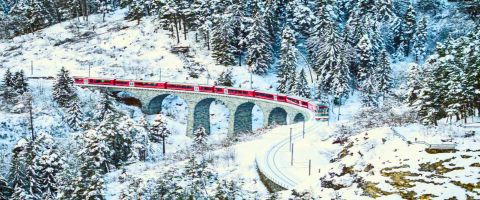
The best couples ski holidays aren't wall-to-wall skiing. Build in a rest day mid-week - a spa morning, a village wander, a scenic railway trip - and the whole week stays fresh. Skiing every day from first lift to last is a recipe for tiredness by Wednesday and tension by Thursday.
A loose daily structure tends to work: ski together in the morning, break for a mountain restaurant lunch, then decide how the afternoon goes. Some days you'll ski until close; others you'll call it at 3pm and head for the spa or a cafe. The flexibility is the point - you're on holiday together, not following a training programme.
If one of you wants a rest day and the other wants to ski, let it happen. It's not a failure of the couples holiday - it's two people doing what they want and meeting up later with stories to share. The evening is where the shared experience happens; the daytime can flex.
Good restaurants fill up in ski resorts, especially during peak weeks. If mountain dining or a special evening restaurant is part of your plan, book early in the trip rather than leaving it to the last night.
Mountain restaurants are one of the highlights of a couples ski trip. A long lunch on a sunny terrace - good food, mountain views, a bottle of wine between you - is a moment you'll remember. The best mountain restaurants are well-known and fill by midday, so aim to arrive by 11:45 or book ahead where possible.
For evening dining, ask at your hotel or check resort listings when you arrive. Many resorts have a mix of traditional local cuisine and more contemporary options. Trying a different restaurant each evening is part of the experience, but having at least one special dinner earmarked gives the week a highlight to build towards.
When you travel matters as much as where. School holiday weeks - half term, Christmas, Easter - bring higher crowds, a different atmosphere, and more limited availability. If you have the flexibility to travel outside these windows, January and March are strong options for couples.
January means quiet slopes, reliable snow, and a calm village feel. March brings longer days, spring sunshine, and the best conditions for mountain restaurant terraces. Both months tend to have better availability and a more relaxed atmosphere than the peak periods.
Duration is flexible too. A standard seven-night trip works well, but five nights is a realistic alternative - four days of skiing, a rest day, and enough evenings to explore the dining scene. Some couples prefer a shorter trip at a higher standard of accommodation to a longer trip in a budget apartment. There's no wrong answer, just a trade-off worth thinking about.
The practical side of a ski holiday - flights, transfers, lift passes, equipment, lessons - can feel like a lot of moving parts. A package booking pulls these together so you're not coordinating five separate bookings and hoping the timing aligns.
Transfers are worth getting right. A private transfer costs more than a shared coach but gives you door-to-door travel without waiting for other passengers. After a flight and a transfer, arriving at your accommodation quickly makes the first evening feel like a holiday rather than a logistics exercise.
Equipment hire is straightforward through your booking - you'll be fitted when you arrive. If you're both beginners, lessons are typically included or easily added. For mixed-level couples, booking the less experienced partner into a morning lesson for the first two days is the highest-value decision you can make for the whole trip.
Resort: Prioritise village character, walkability, and dining over total piste kilometres.
Accommodation: Boutique hotels with spa access and a central location tend to work best for couples.
Ski levels: Book a lesson for the less experienced partner on day one. Split up during the day; regroup for lunch.
Schedule: Build in a rest day mid-week. Leave room for flexibility rather than skiing every possible hour.
Dining: Book mountain restaurant lunches and at least one special dinner early in the week.
Timing: January and March are the best months for couples. Avoid school holiday peaks if possible.
Duration: Five to seven nights. Shorter trips at a higher standard can work better than longer budget trips.
The range is wide and depends on the resort, accommodation standard, and time of year. A week in a mid-range Austrian resort will typically cost less than five nights in a Swiss boutique hotel. The biggest variables are accommodation and the country you choose - Austria and France tend to be more accessible than Switzerland. A package booking bundles flights, transfers, accommodation, and lift passes, which makes budgeting simpler than booking each element separately.
For a ski holiday, packages tend to work well. They coordinate the moving parts - flights, transfers, accommodation, and lift passes - so you're not stitching together five separate bookings. This is especially useful for a couples trip where you'd rather spend your planning energy on choosing the right resort and restaurants than comparing shuttle bus timetables.
This is a perfectly workable setup as long as the resort has enough going on for the non-skier. Look for resorts with spa facilities, winter walking trails, scenic transport (mountain railways, gondola sightseeing), and a village centre worth exploring. The skier gets their time on the slopes, the non-skier gets a proper holiday, and you come together for lunches and evenings. Resorts like Megeve, Kitzbuhel, and Grindelwald are particularly good for this.
If you're both beginners, a group lesson together is a great way to start - you share the experience and progress at roughly the same pace. If your levels differ, separate lessons work better. The less experienced partner gets instruction tailored to their level without feeling rushed, and the stronger skier can refine technique rather than spending the lesson on basics they've already covered. Either way, lessons on the first day or two set the rest of the week up well.
For the best choice of accommodation - especially boutique hotels and popular chalets - three to six months ahead is a reasonable window. Peak weeks (half term, Christmas, New Year) book out earlier. If you're flexible on dates, booking closer to the time can work, but you'll have less choice on accommodation. For a couples trip where the accommodation matters as much as the skiing, earlier booking tends to pay off.
Got a clearer picture of what you need? WeSki’s AI trip planner turns your priorities into a personalised resort shortlist