EN
EN
A ski holiday for two can be one of the most rewarding trips you take together - but the things that make it work are different from what matters for a family or a group. The right resort, the right accommodation, and a few smart choices early on can turn a week in the mountains into something you both look back on for years.
This guide covers the priorities that matter most when you're planning a ski holiday as a couple - from resort atmosphere and dining to what happens when one of you skis and the other doesn't. If you're ready to start comparing resorts, our best ski resorts for couples list is a good next step. And for the practical side of pulling everything together, our how to plan a romantic ski holiday for two guide walks through the logistics.
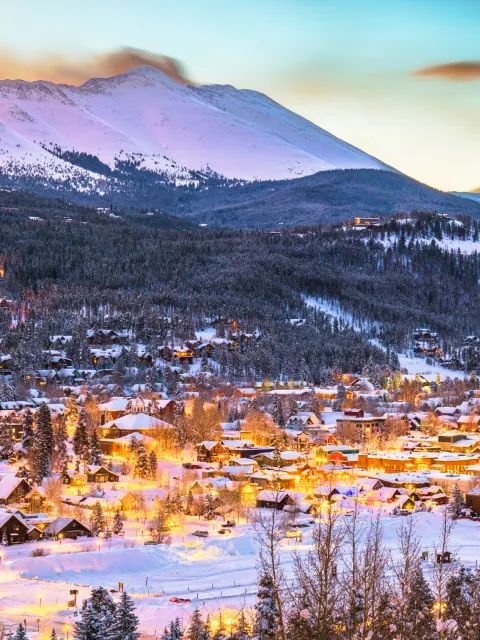
Couples tend to get more from a resort with a strong village atmosphere than from a vast ski area. A compact, walkable village with good restaurants and a few quiet bars creates more shared time in the evenings than a sprawling resort where everything requires a bus.
That doesn't mean small equals romantic. Some large resorts - Zermatt, for instance - have a pedestrianised centre with candlelit restaurants and mountain views that set a mood no boutique village can match. What you're looking for is character: cobbled streets, independent restaurants, a sense of place that goes beyond the skiing itself.
Pay attention to the village's evening atmosphere. Resorts that cater heavily to groups and stag parties will feel different after dark from those with a quieter, more dining-led scene. Neither is wrong, but it's worth knowing what you're walking into.
If you both ski at roughly the same level, a couples trip is straightforward - you ski together, stop for coffee together, and the mountain becomes shared experience. The more interesting question is what happens when your levels differ, and that's common.
A lesson on the first morning can close a larger gap than you might expect. Group lessons are sociable and give the less experienced partner confidence without relying on the other to teach (couples teaching each other to ski is a famously efficient way to start an argument). After that, splitting up for a few hours and meeting for lunch tends to leave both people happier than forcing a full day at the slower pace.
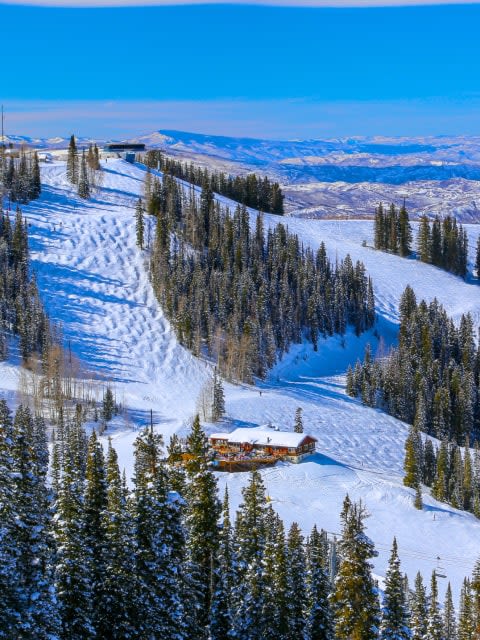
Resorts with a good spread of blues and reds work well here. You want terrain where the stronger skier can explore without disappearing for hours, and where the developing skier has enough variety to feel like they're progressing rather than repeating the same three runs.
For groups, accommodation is logistics. For couples, it's atmosphere. The difference between a characterful hotel with a spa and a functional apartment block is the difference between a holiday and a ski trip that happens to have a bed.
Boutique hotels tend to work well for couples - they combine privacy with the convenience of breakfast, housekeeping, and usually a bar or lounge. A catered chalet can work if you're happy dining with other guests; some couples love the social element, while others prefer their own table. Self-catering apartments give you full control but can feel quiet if the resort's restaurants don't draw you out in the evenings.
Location within the resort matters too. Staying in the village centre means you can walk to dinner and back without worrying about bus timetables or icy pavements after dark. Proximity to the lifts is nice, but proximity to the restaurants usually matters more for a couple's trip than shaving five minutes off the morning commute to the slopes.
Good food turns a ski holiday from fun to memorable. Resorts with a proper restaurant scene - not just a strip of pizzerias and burger joints - give you something to look forward to each evening. The Alps have a strong tradition of mountain restaurants for long, sunny lunches on the terrace, and these are some of the best shared moments you'll have on a ski holiday.
Apres ski as a couple tends to look different from apres ski with a group. You're less likely to want an outdoor DJ set at 3pm and more likely to want a quiet terrace with a glass of wine and mountain views. That said, some couples thrive on the party scene - it's a preference, not a rule. What matters is that the resort has options beyond a single loud bar.
Worth knowing: mountain restaurant bookings fill up quickly in popular resorts, especially during peak weeks. If a long mountain lunch sounds like your kind of thing, have a plan early in the week rather than leaving it to the last day.
Not every day of a couples ski holiday needs to be spent skiing. A rest day mid-week - with a spa visit, a slow village wander, or a scenic train ride - can be the highlight of the trip. The best couples resorts are the ones where a non-skiing day doesn't feel like a wasted day.
Spa access varies. Some hotels have their own wellness facilities; others use a shared resort spa or aqua centre. If a spa day matters to you, it's worth checking what's available before you book rather than assuming you'll find something on arrival.
Winter walking trails, snowshoeing, and toboggan runs give you shared off-slope experiences that don't require any ski ability. These work particularly well when one partner wants a break and the other doesn't - one skis, the other explores, and you regroup for lunch with something to talk about.
The week you choose shapes the trip more than most couples realise. School holiday periods - half term, Christmas week, Easter - bring crowds, noise, and a noticeably different atmosphere. If you have the flexibility to travel outside these windows, January and March are worth considering: January for quiet slopes and reliable snow, March for longer days and spring sunshine.
Midweek arrivals can also change the feel of a trip. Saturday-to-Saturday is the standard pattern, but arriving on a Sunday or Monday means your first day on the slopes is quieter, and you avoid the Saturday transfer rush at the airport.
A five-night trip can work just as well as a full week for couples. You get four solid days of skiing, a rest day, and enough evenings to try a few restaurants without the trip dragging. Shorter trips also tend to keep the energy up - you come home wanting more rather than feeling spent.
It can be a brilliant first holiday together on the slopes, especially if you both start lessons at the same time. Learning alongside each other gives you a shared challenge and plenty to laugh about. The key is choosing a resort with good beginner terrain and not putting pressure on either of you to progress at a specific pace. A ski holiday is more than just the skiing - the mountain restaurants, village evenings, and scenery make it worthwhile even if the skiing takes a few days to click.
This is more common than you'd think, and it works well as long as the non-skier has things to do. Look for resorts with spa facilities, winter walking trails, snowshoeing, or scenic transport like mountain railways. The skier gets their time on the slopes, the non-skier gets a proper holiday, and you meet for lunch or dinner with something to share. Many resorts now cater well to non-skiing partners - it's a well-worn path, not an unusual request.
Not at all. There's no special "couples" category of ski holiday - it's about choosing the right resort and accommodation for what you want. A resort with a good restaurant scene, comfortable accommodation, and a walkable village will feel like a couples trip regardless of whether it markets itself that way. Focus on the character of the place rather than the label.
January and March are strong choices. January has reliable snow, quiet slopes, and a calm village atmosphere. March brings longer days and spring sunshine, which makes mountain restaurant terraces especially enjoyable. Avoid peak school holiday weeks if you can - the atmosphere shifts noticeably when resorts fill with families and groups. Midweek arrivals also help you sidestep the busiest changeover days.
Five nights is a sweet spot for many couples. It gives you four days on the slopes, a rest day for something different, and enough evenings to explore the dining scene without the trip losing momentum. A full week works too, especially if you want to take skiing at a relaxed pace. Shorter three-night breaks are popular for experienced skiers who want a quick getaway with minimal time away from work.
Thinking about a ski trip together? WeSki’s AI trip planner can match you both to the right resort in seconds - tell it what matters to you and get a personalised shortlist