EN
EN
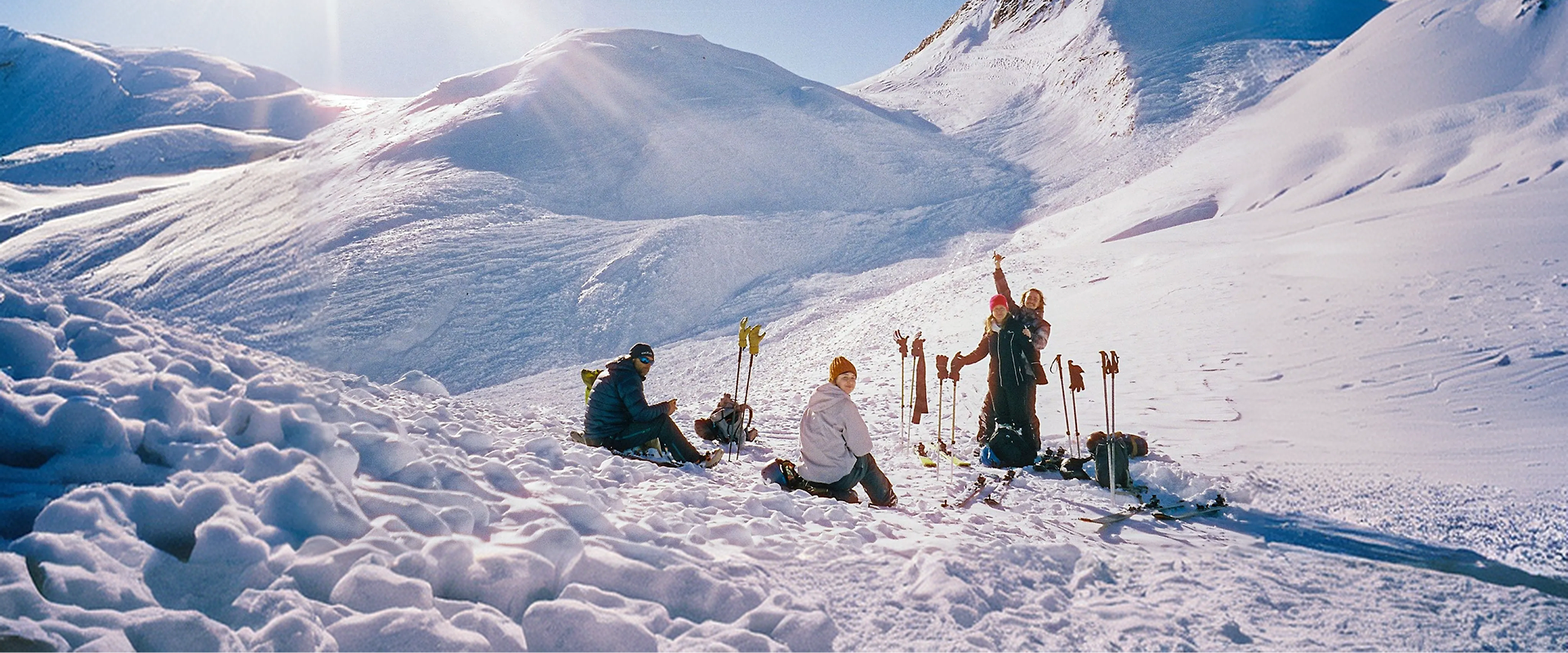
It's the question almost every US skier asks after seeing the price of a day pass at home: would it actually be cheaper to fly to the Alps instead? The honest answer is that it often is, though it depends on where you're flying from, when you go, and how you book. This guide sets the real costs side by side - lift tickets, flights, lodging, food and lessons - so you can see where Europe wins and where it doesn't. If you've already decided and want the logistics, our guide on how to plan a ski trip to Europe from the US covers the steps. And if you're weighing destinations, our list of the best European ski resorts for American skiers is a good next stop.
This is the biggest single difference, and it's where the comparison usually turns. A day on the lifts at a marquee US resort can run past $250, and at the priciest names it now tops $300. Big-name Alpine areas that dwarf those resorts in size often sit somewhere under $100 a day, and a multi-day pass brings the daily rate down further.
The gap isn't a fluke of one season. It comes from how the two markets are built: Europe has thousands of resorts competing within a short drive of each other, while the US has a few hundred, many gathered under two pass companies. Over a full week, the lift-ticket line alone can swing your total by more than the price of the flight. That single fact is why the rest of this comparison is even close.
The transatlantic flight is the cost that makes people hesitate, and it's fair to plan around it. Round-trip fares from the East Coast to an Alpine gateway tend to land somewhere in the $500 to $900 range, with more from the West Coast or if you book late. That's real money, and it's the honest asterisk on any 'Europe is cheaper' claim.
Set it against the rest of the trip, though, and it rarely tips the balance the way people expect. A week of lift tickets alone at a top US resort can cost as much as the flight, before you've paid for a bed or a meal. Booking two to six months out and flying midweek keeps airfare at the lower end of that range, which is where the math starts to favor the longer journey.
Past the lift ticket, a series of smaller lines add up in Europe's favor. On-mountain lunches cost a fraction of a US resort cafeteria, and often come with a better view. Ski rentals tend to be cheaper for the week. Group lessons frequently give you more hours for less.
Lodging is where it's closest to even - a slopeside room in a famous resort isn't cheap anywhere. But this is the lever you control: step one village along a connected lift network and the nightly price drops while the skiing stays identical. None of these savings is dramatic on its own. Together, they're the reason a week in the Alps can land under a comparable week in Colorado or Utah once everything is counted.
If you already hold an Epic, Ikon or Indy pass, part of your European trip may be paid for before you book a thing. Epic includes areas across France, Italy, Austria and Switzerland. Ikon covers Zermatt, Chamonix and the Dolomites, among others. For a passholder, that can turn several ski days into ones you've already covered, which shifts the whole comparison.
The catch is that the included resorts and day allowances change from season to season. The move is to check your pass's current European list first, then build the trip around the resorts it covers and add tickets only where it doesn't reach. Done that way, the flight can end up as the main out-of-pocket cost of the entire trip.
Timing swings the total more than most people realize, and here US skiers have a quiet advantage. American resorts spike hardest over the big domestic weeks - MLK, Presidents' Week, Spring Break and Thanksgiving - which is often exactly when you can travel. Flying to Europe over those same weeks can work out better than a packed domestic trip, because Alpine pricing doesn't peak on the US calendar. Use the search bar at the top of this page to test it: set your dates to the holiday week and point the destination at an Alpine resort rather than a US one - the same long weekend, priced very differently.
If your dates are flexible, mid-January and mid-March are the value windows on both sides of the Atlantic: good snow, thinner crowds, and lower prices on flights and beds alike. Christmas, New Year and the peak of February are the stretches to avoid if the budget is the priority.
Put it all together and the pattern holds up. For a week or more, at comparable resorts, a European trip often lands at or below what the same week costs at a top US resort, even counting the flight. It isn't a rule for every trip. A cheap regional US hill will always undercut a transatlantic journey, and a slopeside week in Zermatt over New Year won't be a bargain anywhere.
The comparison that matters is which trip you're actually choosing between. If you've been pricing the Alps against Vail or Park City rather than a local mountain, the numbers are closer than they look, and often tip the other way. That's the shift a lot of American skiers are making right now.
✓ The lift-ticket gap is the biggest driver: top US day tickets can pass $300, while big Alpine areas often sit under $100 a day.
✓ The flight is the main cost you're adding, and it's frequently offset by cheaper tickets, lodging, food and lessons.
✓ An Epic, Ikon or Indy pass can cover part of the trip before you book - check its current European resorts first.
✓ US peak weeks (MLK, Presidents', Spring Break, Thanksgiving) hit American resorts hardest, so Europe can win those dates.
✓ A cheap local US hill still wins on price. The comparison that favors Europe is against the marquee US resorts.
For most week-long trips to comparable resorts, the flight doesn't cancel it out. The saving on lift tickets alone often covers a good chunk of the airfare, and cheaper lunches, rentals and lessons do the rest. Where it flips is a short trip or a very cheap local alternative: if you'd otherwise drive to a regional hill for a long weekend, Europe won't compete. The longer the trip and the pricier your usual US resort, the more the balance tips toward the Alps.
Most people who make the trip feel it is, though not only for the price. You get far more terrain for your lift ticket, a different mountain culture, and villages built around skiing rather than parking lots. If value is your main test, a week is where the flight cost gets spread thin enough to make sense. Some travelers stretch to ten nights to lean into that. Others are happy with seven and a short transfer.
Switzerland is the priciest corner of the Alps, and a slopeside week in Zermatt or Verbier can rival a top US resort. That's the exception rather than the rule for Europe as a whole. France, Austria and Italy tend to come in well below Swiss prices for similar skiing, and Italy in particular is known for value on food and lodging. If the budget is tight, those three are where the comparison works hardest in your favor.
Often more so, because the savings stack per person. Cheaper lift tickets, lessons and lunches multiply across a family, and children's passes and ski school tend to cost less than their US equivalents. Connected villages also make it easier to find larger apartments at a sensible price. To see how it prices up for your group, use the search bar at the top of this page to build a family trip to a European resort for your dates.
Mid-January and the second half of March are the value windows: reliable snow, thinner crowds, and lower prices on flights and accommodation. Avoid Christmas, New Year and the middle of February, when European school breaks push prices up. Because those quiet weeks often overlap busy US holiday periods, the gap in your favor can be widest exactly when American resorts are at their most crowded, and a European trip sidesteps the home-resort scramble entirely.
Want to see the numbers for your own dates? Tell WeSki's AI trip planner where you're flying from and when, and it'll build a real package you can hold up against a week at home