EN
EN
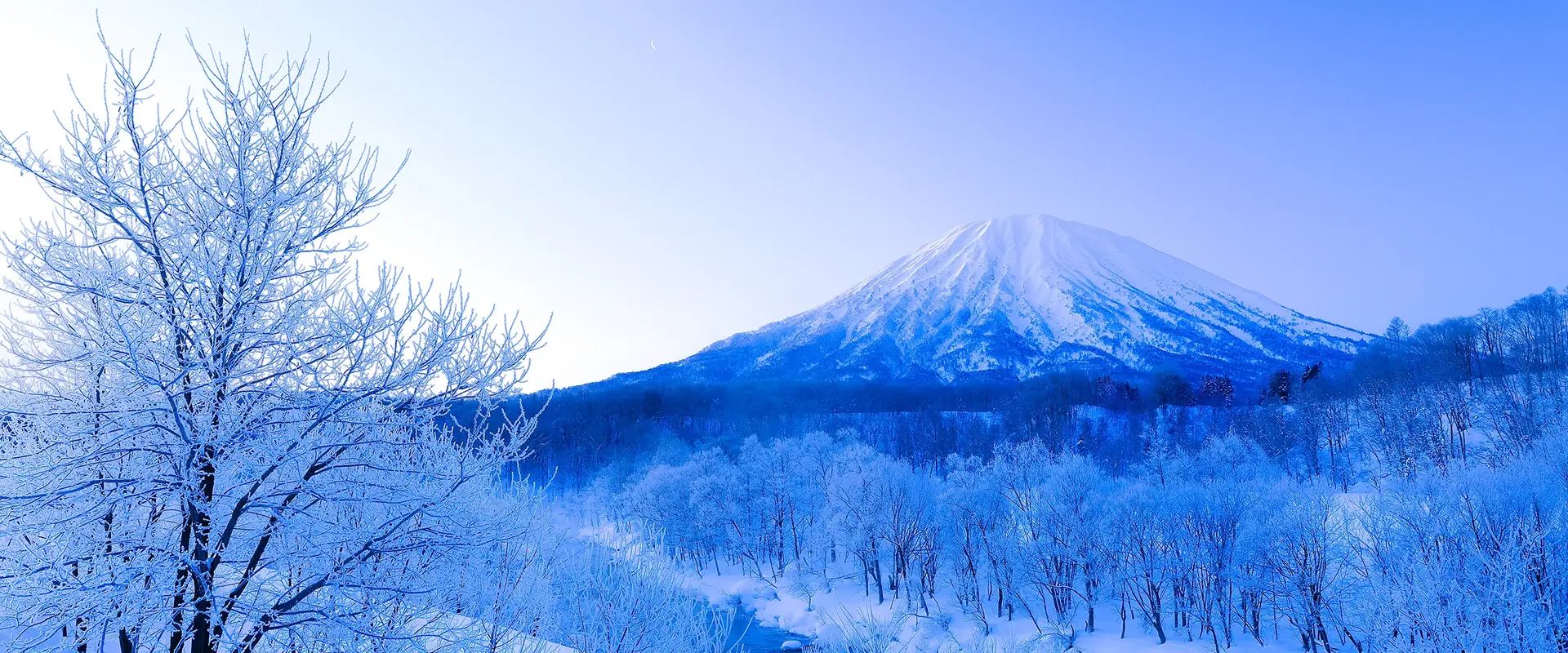
November is where the European ski season begins - quietly, at altitude, and for a specific kind of skier. Most of the Alps is still green at valley level, but a handful of glacier resorts and high-altitude destinations are already running lifts, grooming piste, and welcoming the first visitors of the winter. This guide covers what skiing in November is actually like: the conditions you can realistically expect, who it suits, and the practical details worth knowing before you book. If you are already sold on the idea and want to compare resorts, our Best ski resorts to visit in November 2026 guide covers the top destinations in detail.
The first thing to understand about November skiing is that it bears little resemblance to a midwinter ski holiday. You are not arriving to a snow-covered village with every lift spinning and the full resort open. At glacier destinations, the skiing is concentrated on the upper mountain - typically between 2,500m and 3,500m - while the valleys below may still be green or patchy with the first dustings of snow.
The terrain available is a fraction of what the same resort will have in January. Most November operations cover between 20 and 60 km of groomed piste, compared with 100 - 300 km at full capacity. Runs tend to be wide glacier cruisers and upper-mountain blues and reds, well-groomed but limited in variety. You will not find the full range of challenging off-piste, tree runs, or long valley descents that define peak season skiing.
What you do find is space. Outside of opening weekends and specific events like the Solden World Cup, November slopes are among the emptiest of the season. Lift queues are rare, pistes are uncrowded, and there is a quality of quiet that disappears once December arrives. For skiers who value the skiing itself over the full resort experience, this trade-off works well.
November skiing in Europe falls into two categories: glacier resorts that run lifts from October onwards, and high-altitude non-glacier resorts that open in mid to late November.
The glacier category includes Hintertux and Stubai in Austria (both operating year-round or from early autumn), Zermatt and Saas-Fee in Switzerland, and the glaciers above Tignes and Les Deux Alpes in France. These destinations have the most reliable November snow because glaciers retain coverage at altitude regardless of early season weather patterns. The skiing is focused on the glacier itself and whatever upper-mountain terrain has enough depth to open.
The second category - high-altitude resort openings - is where places like Val Thorens (2,300m), Solden (with its twin glaciers), and Cervinia (linked to Zermatt's glacier) come in. These resorts typically open in mid to late November, often timed around a specific opening weekend. The terrain available depends heavily on natural snowfall and snowmaking capacity, so early season coverage can vary year to year more than at the pure glacier destinations.
Low-altitude resorts below 1,800m are almost never open in November. Resorts in the Portes du Soleil, Serre Chevalier, or the Dolomites at lower elevations typically wait until mid-December. If a resort you are considering does not have a glacier or sit above 2,000m, assume it will not be open in November.
November works well for experienced and intermediate skiers who enjoy the act of skiing itself and do not need a full resort setup to have a good time. The terrain is mostly groomed glacier runs and upper-mountain piste - technically straightforward but satisfying if you enjoy carving turns on quiet, well-prepared snow.
It also suits people with flexible schedules who can travel midweek, avoid peak holiday periods, and take advantage of the quieter atmosphere. Retired couples, remote workers, and skiers without school-age children are well represented in November. Ski clubs and training groups also use early season glacier time for fitness and technique work before the main season.
November is less well suited to complete beginners. Most nursery slopes and dedicated beginner areas sit at lower altitudes and do not open until December. Ski schools are running on the glacier, but the setting - altitude, colder temperatures, limited run variety - is not ideal for someone's first time on skis. If this would be your first ski holiday, a resort that is fully open with a complete beginner programme will serve you better.
Families with young children may also find November less practical. Childcare facilities, children's ski school, and family-oriented activities in the village are not always fully operational this early. The short daylight hours also reduce the time available for on-mountain activities, which matters more when you are working around a child's energy and attention span.
November weather in the Alps is transitional and unpredictable. At glacier altitude (2,500m and above), temperatures typically sit between -5°C and -15°C, which means the snow stays cold and firm. Wind chill on exposed glacier terrain can push the effective temperature well below that, so warm layers and good wind protection matter more in November than in most of the season.
Cloud and visibility can be challenging. November sees more frequent temperature inversions, where cold air sinks into the valleys and warm air sits above. On a good day this means skiing in sunshine above a sea of cloud - one of the more memorable experiences in early season skiing. On a bad day it means flat light on the glacier and poor visibility that makes it difficult to read the terrain. Both are common, sometimes in the same morning.
Snowfall in November is inconsistent. Some years bring significant early dumps that transform conditions; others stay dry until December. Glacier resorts are less dependent on natural snowfall because the permanent snow and ice coverage provides a base, but the skiing is noticeably better in years when fresh snow arrives early. Snowmaking helps fill gaps, particularly at resorts like Val Thorens and Solden where the systems are extensive.
Daylight is the biggest practical difference between a November ski trip and one in January or February. In the northern Alps in late November, sunrise is around 7:30 and sunset around 16:30, giving roughly nine hours of daylight. Lifts typically open at 8:30 or 9:00 and close between 15:30 and 16:00, so the usable skiing window is around six to seven hours.
That is enough for a full day on skis if you use the time efficiently. Getting to the lifts for first chair, skiing through until lunch, and then pushing through the afternoon gives you a solid day. What it does not allow for is a leisurely start and a long lunch - the hours simply do not stretch to that in November.
The shorter days also mean cooler conditions throughout. The sun sits low, shadows are long, and north-facing slopes may not see direct sunlight at all. This keeps the snow in good condition (less freeze-thaw cycling) but means you will want an extra layer compared to the same resort in March. Plan to be off the mountain by 16:00 and into a warm base for the evening.
The core ski kit is the same as any winter trip, but November conditions push a few items up the priority list. A good windproof outer layer is essential - glacier terrain is exposed and wind chill is the main comfort issue. A balaclava or buff that covers the face and neck makes a real difference on cold, windy chairlift rides at 3,000m.
Hand warmers are worth packing. Not as a luxury, but as a practical measure for mornings when temperatures at the glacier base station are well below freezing and hands take time to warm up on the first few runs. Good gloves help, but thin liner gloves underneath give you extra insulation and let you handle zips and pockets without taking everything off.
Goggles with a low-light or variable lens earn their place in November more than any other month. Flat light on a glacier is properly disorienting - a lens that enhances contrast in overcast conditions makes it easier to read bumps and changes in the snow surface. If you only have one lens, choose a versatile option over a bright-sun one.
Finally, bring more non-skiing clothing than you would for a peak season trip. Shorter ski days mean more time in the village, and November evenings are long. Comfortable layers, a warm jacket for walking around, and something for a restaurant dinner will get more use than you might expect.
It depends on what you are looking for. If you want a full resort experience with all lifts open, village atmosphere, and a wide choice of terrain, then yes - December or January is a better fit. But if you enjoy quiet slopes, glacier skiing, and being among the first on the mountain each season, November has a distinct appeal that later months cannot replicate. The key is going in with realistic expectations about the terrain and facilities available.
With lifts running from around 9:00 to 15:30 or 16:00, you get six to seven hours of skiing. That is enough for a full day if you start early and manage your time - most skiers find they can comfortably fit in 15,000 to 25,000 vertical metres in a day on glacier terrain. The shorter window just means less room for a slow start or extended lunch.
Lift pass arrangements vary by resort. Some destinations like Hintertux and Stubai sell glacier-only passes for the early season period, while others like Zermatt include glacier access in the standard pass. The specifics are part of the WeSki booking, so you will not need to navigate the options yourself - the right pass for the terrain available on your dates is included.
Glacier resorts are the most snow-independent option in the Alps - the permanent ice and snow coverage means they can operate regardless of early season weather. Snowmaking at altitude adds to this. A November without much natural snowfall means the skiing will be limited to groomed glacier piste rather than a broader range, but the core glacier terrain will be there. Resorts like Val Thorens and Solden have invested heavily in snowmaking specifically to ensure consistent opening conditions.
That depends on the resort. Year-round towns like Zermatt and Saas-Fee have restaurants, shops, leisure centres, and spas fully operational. Purpose-built resorts may have fewer options until opening weekend. Some destinations like Solden have thermal spas nearby that are open year-round. Expect quieter evenings than peak season, but resorts on this list all have enough going on to fill the hours after skiing comfortably.
Thinking about an early start to the season? Tell WeSki’s AI trip planner your dates and priorities and it will match you with the right November resort