EN
EN
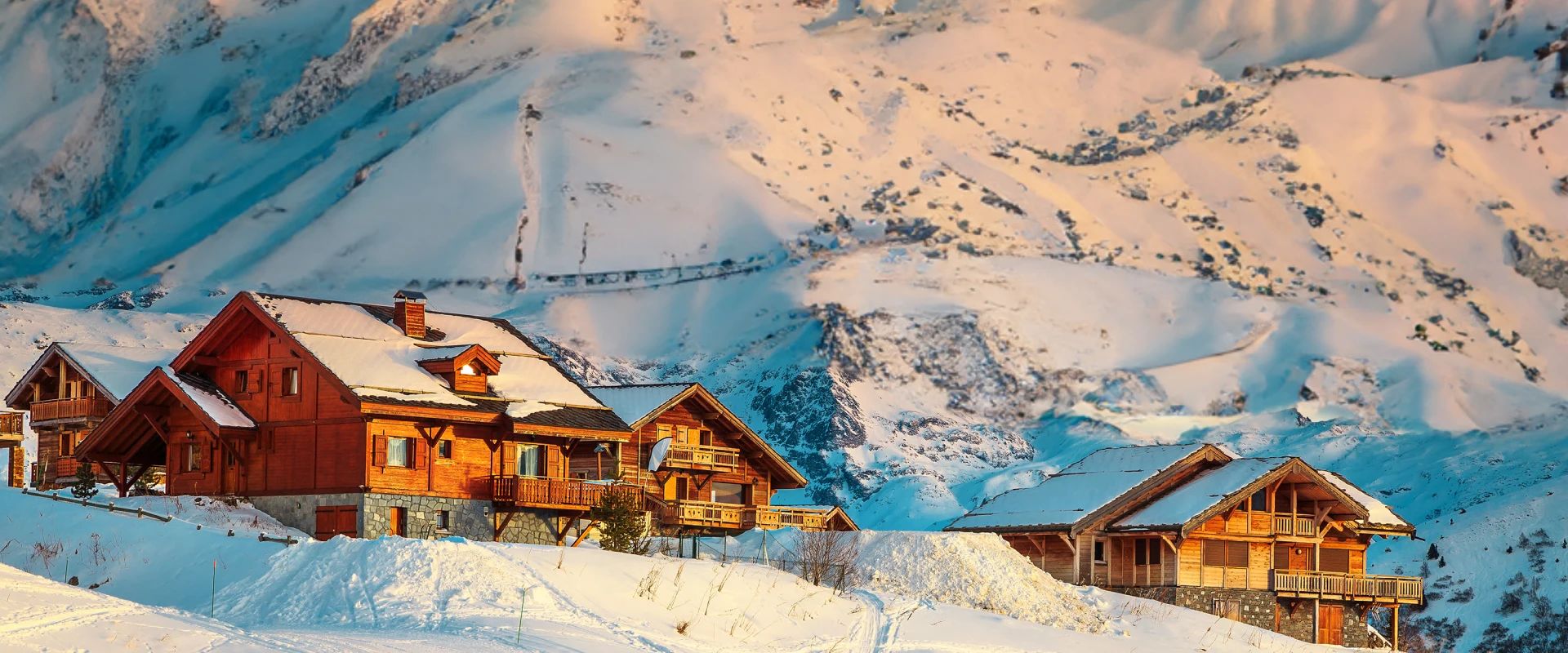
The short answer is yes - you can ski during October half term, but the experience is very different from a mid-season trip. Only a handful of glacier resorts in Austria, Switzerland, France and Italy are open this early, and the skiing is limited to high-altitude terrain above roughly 2,500 m. If you're weighing up whether it's worth it, this guide covers what's realistically available, which resorts to consider, and what to expect on the mountain. For families exploring their first ski trip, our guide to what age children can start skiing covers the basics. And if you'd rather wait for the full season, our best time to go skiing breakdown helps you pick the right month.
October glacier skiing is a stripped-back version of a full ski holiday. The open terrain is typically a single glacier area rather than a whole resort - think 15 to 30 km of runs rather than the 100+ km you'd find in January. Runs are predominantly red and blue, groomed daily, but the variety is limited compared to mid-season.
Conditions depend almost entirely on altitude. Above 3,000 m, the snow is usually reliable and well-maintained. Below that, coverage can be patchy, especially if autumn has been warm. Visibility varies too - glacier terrain sits above the treeline, so flat light and wind are more common than in sheltered valley runs.
The upside is a quieter mountain. Lift queues are short, slopes are uncrowded, and the atmosphere in resort is relaxed. Many villages are still in their off-season rhythm, which means fewer restaurants and shops are open - but it also means a calmer, less hectic pace. For families who want to test the water before committing to a full-season trip, October half term can work well as an introduction - just with adjusted expectations about how much skiing is on offer.
The list of resorts open during October half term is short, and it's almost exclusively glacier resorts. A few open as early as September for ski team training, while others wait until mid-to-late October. The five resorts below are the most reliable options for an October half term ski trip, each with a glacier that's typically operational by the last week of October.
Keep in mind that lower-altitude lifts and village-level runs won't be open yet. You'll be skiing the glacier sector only, usually accessed by a gondola or cable car from the valley. The resort village itself may feel quieter than you'd expect - that's normal for this time of year.
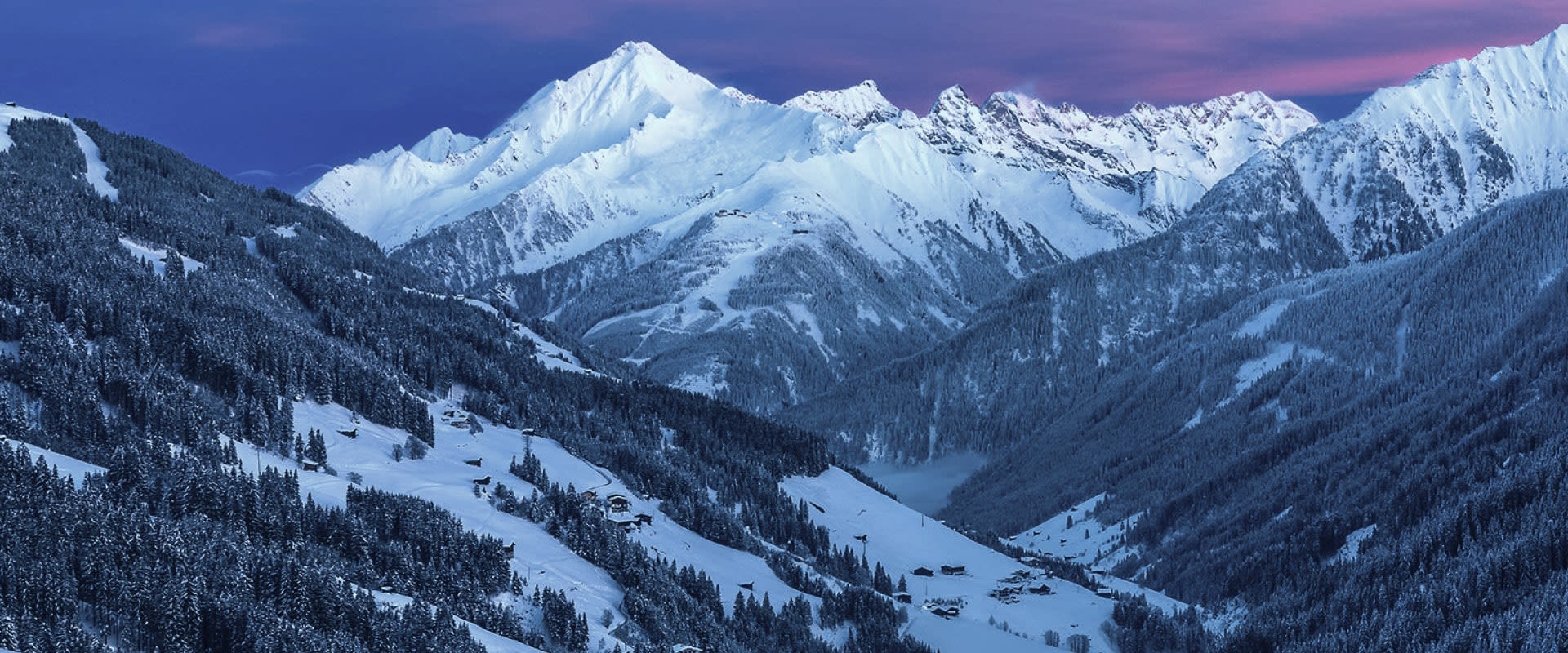
Hintertux is the most reliable option for October half term because its glacier is open 365 days a year. That year-round operation means there's no guesswork about whether lifts will be running when you arrive. The glacier sits between 1,500 m and 3,250 m, and the upper slopes are consistently well-groomed even in early autumn.
The ski area at glacier level covers around 60 km of runs when fully open, though in October the accessible terrain is closer to 20 km. Most of it is red and blue, with a terrain park that's regularly shaped by the Austrian freestyle team. The Zillertal valley below connects to a much larger ski area once the full season opens in November, but in October you're limited to the glacier sector.
The village of Hintertux is compact - a handful of hotels, restaurants and equipment hire shops clustered around the gondola base station. It's not a sprawling resort town, which suits families who want everything within walking distance. The thermal baths at Erlebnistherme Zillertal in nearby Fugen are worth a half-day visit on a non-skiing afternoon.
| Country | Austria |
|---|---|
| Glacier altitude | 1,500 m - 3,250 m |
| October terrain | Approx. 20 km of groomed runs |
| Run difficulty | Predominantly red and blue |
| Ski school | Ski & Snowboard School Tux 3000 - English-speaking instructors |
| Nearest airport | Innsbruck (1 h 15 m) |
WeSki insider tip: The first gondola up to the glacier leaves early - aim for the 8:15 a.m. cabin to get the best of the morning grooming before the snow softens in the afternoon sun.
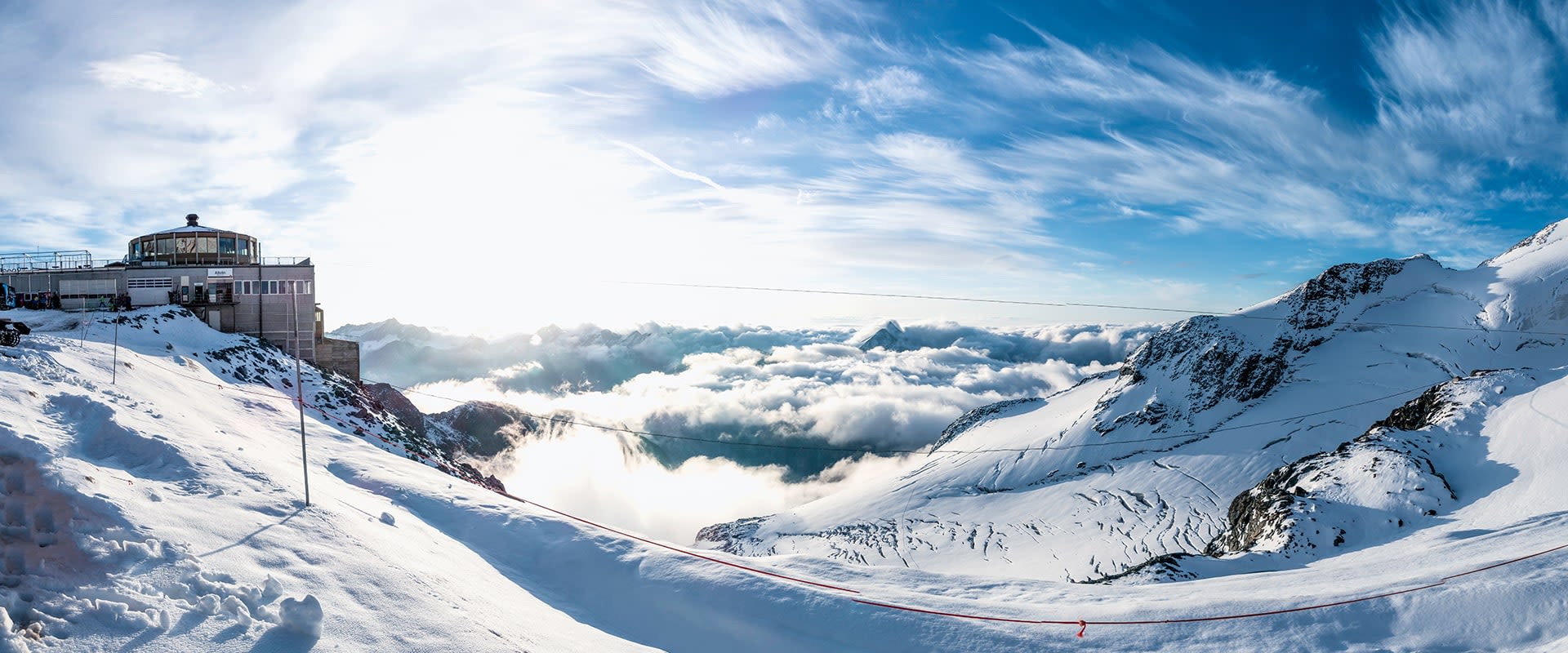
Saas-Fee's Allalin glacier reaches 3,600 m, making it one of the highest ski areas in the Alps. The resort typically opens its glacier sector in mid-July for summer skiing, so by October half term the operation is well established and the grooming team has had months to build a solid base.
The glacier terrain covers around 20 km of runs, mostly reds and blues, accessed by the Metro Alpin - the world's highest underground funicular. Conditions at this altitude are usually cold and dry, which helps preserve snow quality. The run from Mittelallalin down to Morenia is a long, steady blue that works well for intermediates and confident beginners.
The village is car-free, which makes it feel particularly calm during the early season when visitor numbers are low. Electric taxis shuttle you between hotels and lifts. Several restaurants and shops are open year-round, so you won't find it as quiet as some glacier villages - though the selection is smaller than in peak season.
| Country | Switzerland |
|---|---|
| Glacier altitude | 2,500 m - 3,600 m |
| October terrain | Approx. 20 km of groomed runs |
| Run difficulty | Red and blue, with a freestyle park |
| Ski school | Swiss Ski School Saas-Fee - English-speaking instructors |
| Nearest airport | Geneva (3 h); Zurich (3 h 15 m) |
WeSki insider tip: Mornings on the glacier can be bitterly cold at 3,500 m even when the valley feels mild. Pack a windproof mid-layer and hand warmers - the temperature difference between the village and the top station can be 15 degrees.
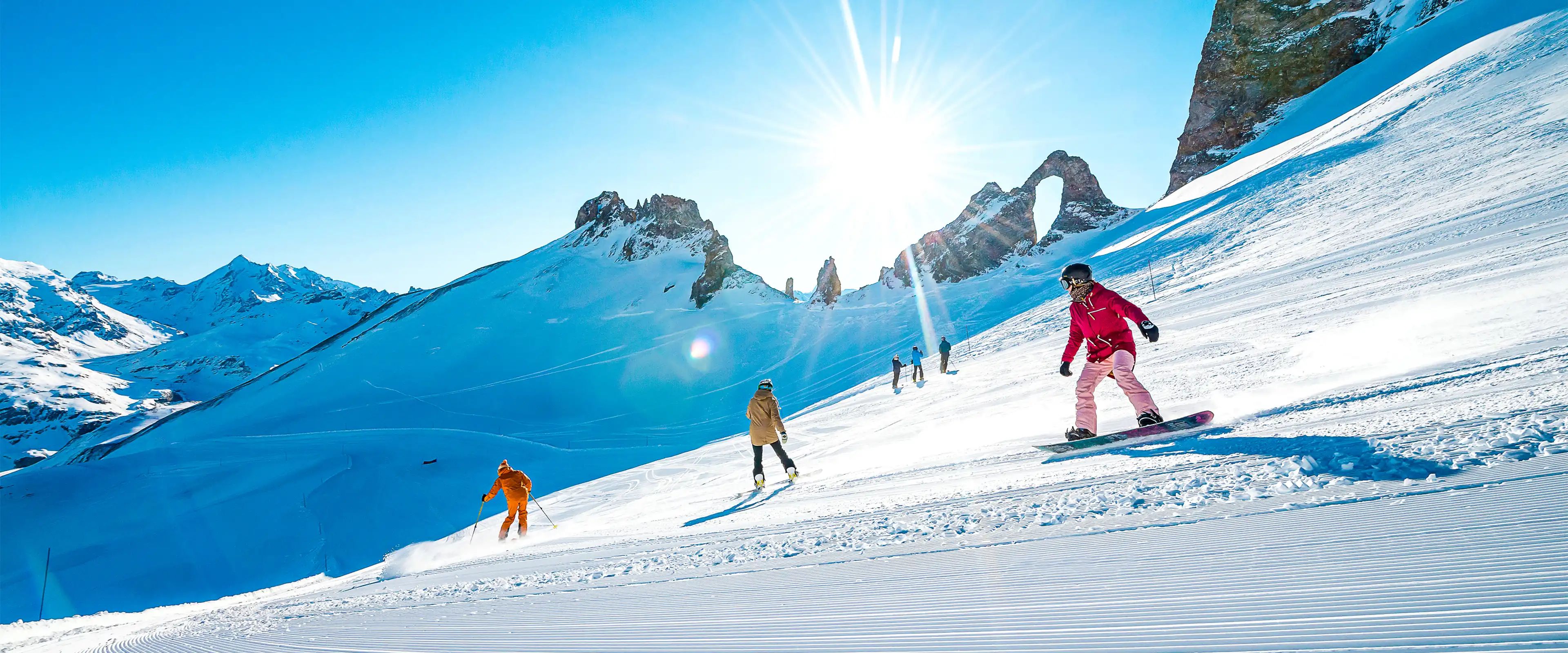
Tignes typically opens its Grande Motte glacier in early October, giving it a couple of weeks of operation before half term arrives. The glacier sits between 2,100 m and 3,456 m, with the skiing concentrated on a handful of runs accessible from the top of the funicular.
The October terrain covers around 15 km of runs - a much smaller offering than the full Espace Killy area you'd access mid-season. But the runs that are open tend to be wide, well-groomed reds and blues that suit intermediate skiers and improving beginners. A terrain park is usually set up on the glacier for freestylers.
Tignes-le-Lac and Val Claret at 2,100 m are the closest bases to the glacier lifts. In October, not all accommodation and restaurants are open, but there's enough operating to keep you comfortable for a short break. The lake in Tignes-le-Lac doesn't freeze until later in the season, so you get an unusual combination of autumn lakeside walks and glacier skiing in the same day.
| Country | France |
|---|---|
| Glacier altitude | 2,100 m - 3,456 m |
| October terrain | Approx. 15 km of groomed runs |
| Run difficulty | Red and blue, plus terrain park |
| Ski school | ESF Tignes, Evolution 2 - English-speaking instructors |
| Nearest airport | Geneva (2 h 30 m); Lyon (3 h) |
WeSki insider tip: Tignes-le-Lac is a better base than Val Claret for families during early season. More of the restaurants and hire shops are open in October, and the lakeside setting gives you something to do in the afternoons.
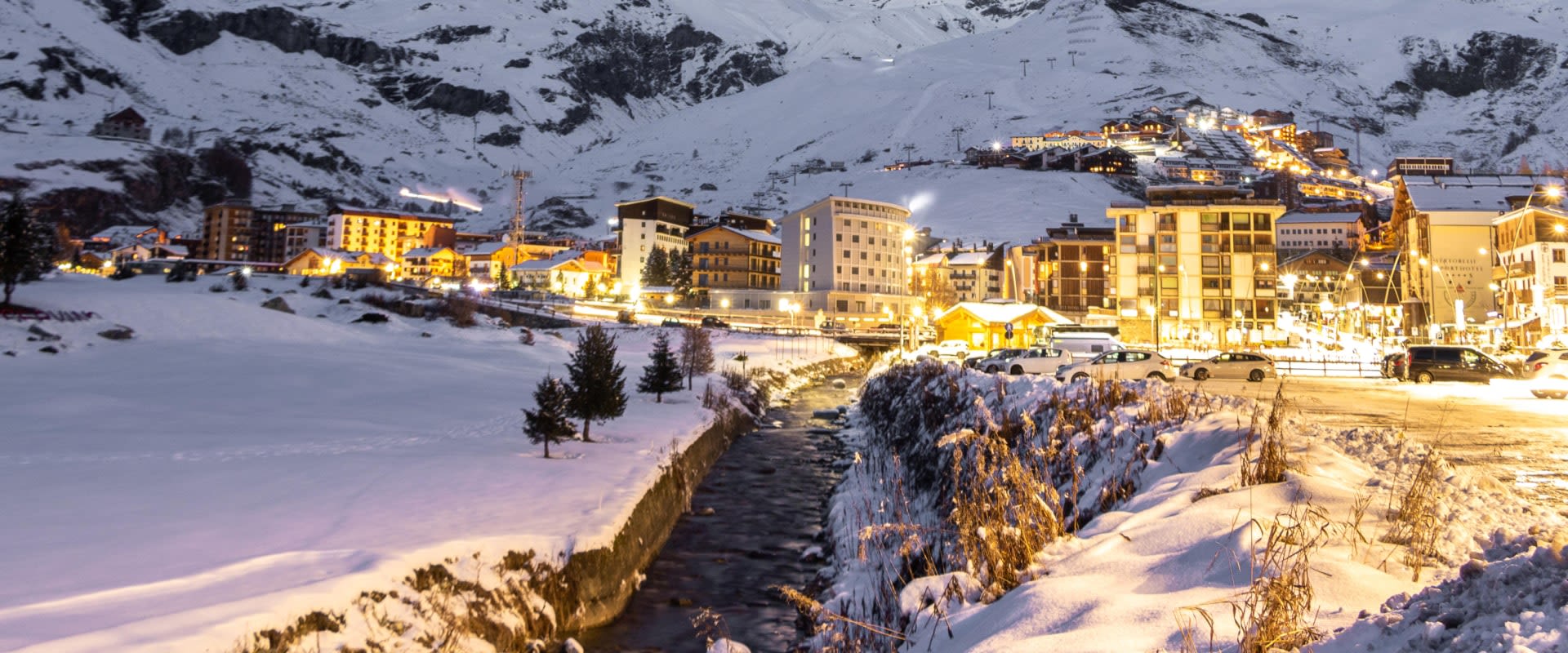
Cervinia shares its glacier with Zermatt across the Swiss border, and the Italian side typically opens in late October. The ski area at glacier level reaches 3,480 m on the Plateau Rosa, with skiing back down to around 2,050 m in the village - one of the longest descents available during October half term.
The early-season terrain on the Cervinia side covers around 25 km of runs, predominantly wide, cruising reds and some longer blues. The altitude and north-facing aspect keep snow conditions consistent, and the views of the Matterhorn from the upper slopes are hard to beat. If you hold an international lift pass, you can cross into Zermatt for additional terrain, though that adds complexity and cost.
Cervinia village sits at 2,050 m and has a more relaxed, Italian character than its Swiss neighbour. Pizza and pasta on the mountain are a real highlight - the mountain restaurants here tend to be better value and more generous than in Swiss or Austrian resorts. In October, the village is in early-season mode but enough hotels and restaurants are running to make it a comfortable base.
| Country | Italy |
|---|---|
| Glacier altitude | 2,050 m - 3,480 m |
| October terrain | Approx. 25 km of groomed runs (Cervinia side) |
| Run difficulty | Wide reds and blues, gentle gradient |
| Ski school | Scuola di Sci del Cervino - English-speaking instructors |
| Nearest airport | Turin (2 h); Milan Malpensa (2 h 30 m); Geneva (2 h 30 m) |
WeSki insider tip: The run from Plateau Rosa back to Cervinia village is nearly 1,500 m of vertical - one of the longest continuous descents in the Alps. Start it early before the lower sections get soft in the afternoon.
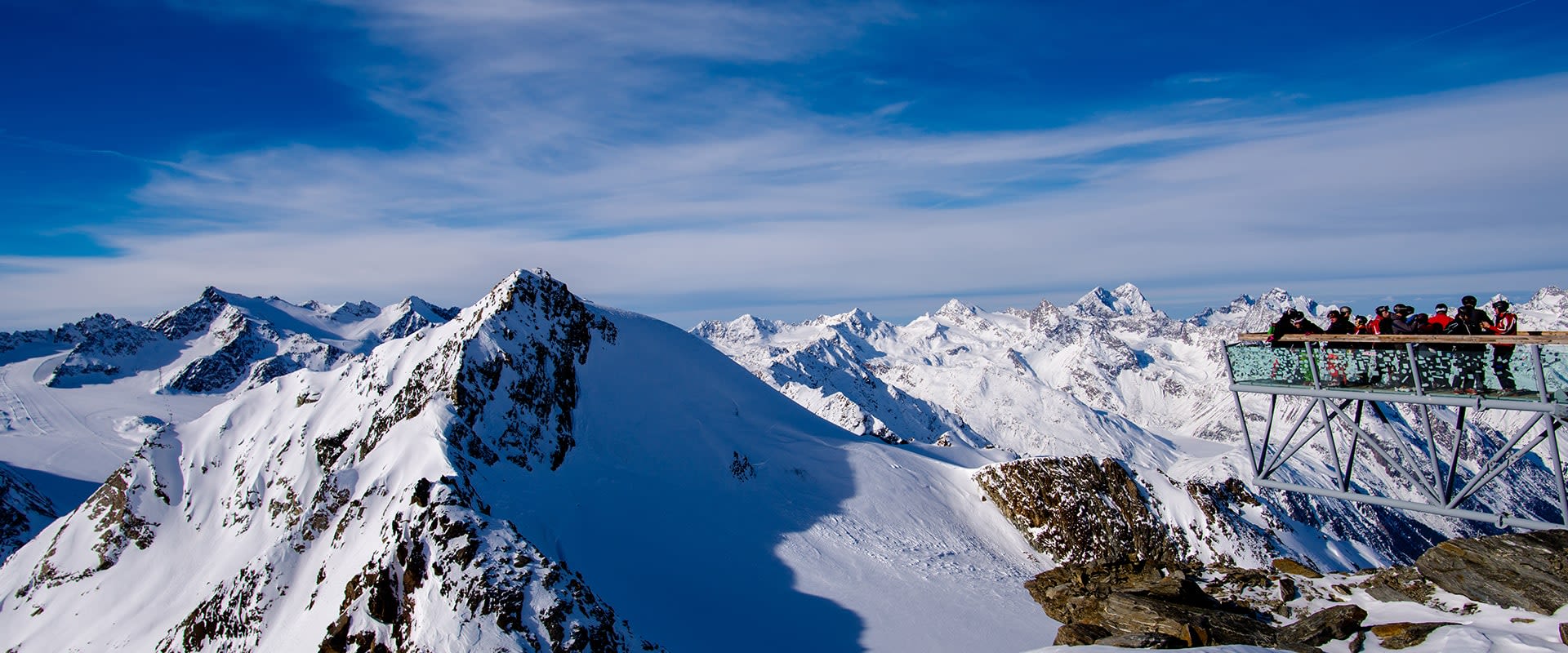
Solden marks the start of the ski season each year with the FIS Alpine World Cup in late October, and the resort builds its early-season schedule around that event. The two glaciers - Rettenbach and Tiefenbach - sit between 2,675 m and 3,340 m, and the resort typically opens them to the public a few weeks before the World Cup weekend.
The glacier terrain in October covers around 15 to 20 km of runs, mostly intermediate-level reds and blues. The BIG3 viewing platforms at over 3,000 m are accessible and worth a visit even on non-skiing days. Solden's gondola system is modern and fast, so access from the valley to glacier level is straightforward.
The town of Solden is livelier in October than most glacier villages because the World Cup brings a festival atmosphere. Hotels, bars and restaurants gear up for the event, so you'll find more open than you would in a quieter glacier resort. For families, the Aqua Dome thermal spa in neighbouring Langenfeld is a popular afternoon activity.
| Country | Austria |
|---|---|
| Glacier altitude | 2,675 m - 3,340 m |
| October terrain | Approx. 15 - 20 km of groomed runs |
| Run difficulty | Intermediate reds and blues |
| Ski school | Solden-Hochsolden Ski School - English-speaking instructors |
| Nearest airport | Innsbruck (1 h 15 m) |
WeSki insider tip: If your half term coincides with the World Cup weekend, book accommodation early. The event sells out the valley, but watching the giant slalom from the finish area is a memorable experience - and entry to the viewing zone is free.
Glacier skiing in October calls for slightly different preparation than a mid-season trip. The altitude is higher, the wind is more exposed, and the UV is stronger than you might expect. A few adjustments to your normal packing list will make the days more comfortable.
Layering matters more than usual. Mornings at 3,000 m can be well below zero even when the village is a pleasant 10 degrees. A windproof shell over a fleece mid-layer, with a breathable base layer underneath, handles the temperature swings better than a single heavy jacket. Gloves should be warmer than you think you'll need - thin spring gloves won't cut it on a glacier at altitude.
High-factor sunscreen and good goggles are essential. UV intensity increases roughly 10% for every 1,000 m of altitude, and glacier snow reflects it back strongly. Category 3 or 4 goggle lenses are the right choice. If you're hiring equipment in resort, book ahead - early-season hire shops may have smaller inventories than in January.
For a full packing rundown, our how to pack for a ski holiday guide covers everything you'll need.
Check lift opening dates before you book. Glacier openings shift by a week or two depending on conditions. Most resorts publish confirmed opening dates on their websites from September. Hintertux is the exception - its glacier runs year-round, so there's no opening date to worry about.
Plan for half-days on the mountain. With limited terrain and glacier conditions that soften in the afternoon, most people ski from first lift until early afternoon. Build in non-skiing activities for the rest of the day - thermal spas, valley walks, or simply exploring the village.
Set realistic expectations with children. October glacier skiing is a great introduction to the mountains, but it's not the same as a full-season holiday. Younger children may find the cold at altitude challenging, and there are fewer family-specific activities available in resort. Children who've skied before will get more out of it than complete first-timers.
Book transfers and accommodation early. Glacier resorts in October have limited accommodation open, and the popular options fill up quickly - especially around the Solden World Cup weekend. Booking through WeSki means transfers, accommodation and lift passes are sorted in one go, which removes a lot of the early-season coordination.
It depends on what you're expecting. If you want a full resort experience with dozens of lifts and runs from village to summit, then yes - October is too early for that. But if you're happy with glacier-only terrain at altitude, there are five well-established resorts that reliably operate during October half term. The skiing is real, groomed and enjoyable - just more limited in scope than a mid-season trip.
Technically yes - some glacier resorts run beginner lessons in October, and there are gentle blue runs available. But it's not the most forgiving environment for a first-timer. The altitude means colder temperatures and stronger UV, the terrain is above the treeline with less shelter, and there are fewer gentle nursery slopes than you'd find mid-season. Families with skiing experience will get more from an October half term trip than those starting from scratch.
On the glacier itself, snow conditions are usually good. Resorts groom the glacier runs daily, and the altitude keeps temperatures low enough to preserve a solid base. The snow is often firmer and icier first thing in the morning, softening as the day warms up. Below the glacier, there's unlikely to be any natural snow yet - the lower resort runs don't open until later in the season.
Three to four days on the mountain is usually enough for an October half term trip. The limited terrain means you'll cover the available runs within a couple of days, and afternoon conditions on a glacier tend to deteriorate as the sun softens the snow. Most visitors ski mornings and early afternoons, then fill the rest of the day with other activities - spa visits, walks, or exploring the local town.
At the main glacier resorts - Hintertux, Saas-Fee, Solden, Cervinia and Tignes - at least one ski school typically operates during October half term. Group lesson availability may be more limited than mid-season, so private lessons can be a better option if you want guaranteed availability. Booking lessons in advance through your holiday package is the simplest way to secure a spot.
Curious whether an October half term trip could work for you? Try WeSki’s AI trip planner - tell it when you want to go and what matters most, and it'll show you what's available.