EN
EN
Chamonix and Les Houches sit around 8 km apart at the same end of the same valley, and the two names get used almost interchangeably. The weeks they give you are not interchangeable. Chamonix is a working mountain town with five separate ski sectors and a reputation built on steep, high terrain. Les Houches is the quieter village below it, with one compact, tree-lined mountain that suits families and skiers still finding their feet. Two things catch people out: the sectors are not lift-linked, so you move between them by bus or train, and the standard Chamonix lift pass does not cover Les Houches. This guide compares them on terrain, snow, village life, families, experts and logistics, so you can pick the right base rather than the better-known name.
Choose Chamonix for: high, serious terrain across five sectors, a town that lives year-round with the dining and après to match, and sightseeing a non-skier can build a week around - handy if you are booking hotels for a mixed group.
Choose Les Houches for: sheltered tree-lined runs that stay skiable when the high lifts shut, gentle nursery areas close to the village, a calmer pace that works well on family trips, and the shorter transfer of the two.


| Feature | Chamonix | Les Houches |
|---|---|---|
| Country | France | France |
| Ski area | Chamonix valley - around 155 km across five unlinked sectors | Les Houches - Saint-Gervais - 55 km on one hillside |
| Village altitude | 1,035 m | 950 m |
| Highest lift | 3,842 m (Aiguille du Midi); 3,275 m of pisted terrain | 1,900 m (Prarion) |
| Season | Roughly mid-December to early May on the high sectors | Roughly mid-December to mid-April |
| Lift pass | Chamonix Le Pass, or Mont Blanc Unlimited | Les Houches - Saint-Gervais pass, or Mont Blanc Unlimited |
| Best for | Experts, off-piste, town life, sightseeing | Families, beginners, tree runs, flat-light days |
| Village character | Working mountain town | Traditional village spread across hamlets |
| Nearest airport | Geneva (~1 hr 20 min) | Geneva (~1 hr 10 min) |
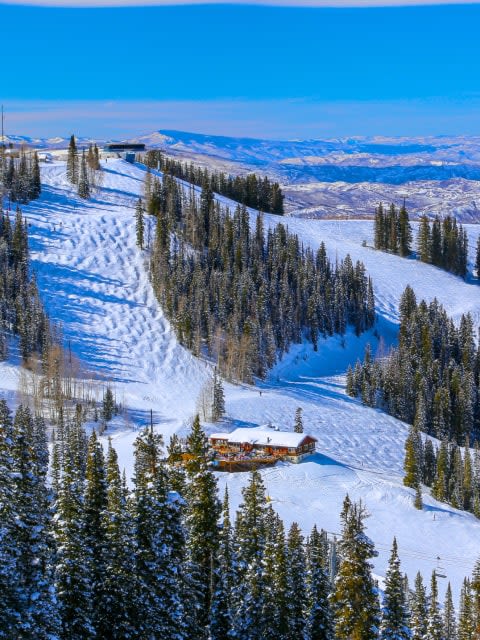
The first thing to understand about Chamonix is that its 155 km is not one mountain. Five sectors sit along the valley and only Brévent and Flégère are joined to each other; the rest you reach by bus or train. Grands Montets is the steep end, with sustained pitch and glacier terrain above Argentière. Brévent-Flégère gives you sunny, open cruising with Mont Blanc filling the view opposite. Balme, at Le Tour, is the wide, gentle one most people underrate. Les Houches is the fifth sector and a different proposition: 55 km on a single hillside between 950 m and 1,900 m, almost all below the treeline, reached by the Bellevue and Prarion lifts and spilling over the back towards Saint-Gervais. Blues and reds dominate, with one serious exception - the black Verte des Houches, better known as the Kandahar, a 3.3 km World Cup downhill with 870 m of vertical that finishes at the edge of the village. Snowboarders should know the top is a plateau with drag lifts and a few flat links.
Who it suits: for pitch and variety across the week, Chamonix; for one mountain you can learn properly by Wednesday, Les Houches.
This is the detail that decides more trips than the skiing does. Chamonix Le Pass covers the valley sectors - Brévent-Flégère, Grands Montets, Balme and the beginner areas - but it does not include Les Houches, the Aiguille du Midi or the Montenvers train. Les Houches sits on its own Les Houches - Saint-Gervais pass, which also covers the Saint-Gervais side of the hill. Mont Blanc Unlimited is the one that covers both, plus the high-mountain lifts and the excursions, and it includes valley transport. So if you are basing in Chamonix and want a tree day at Les Houches, or basing in Les Houches and want a day on Grands Montets, that is a Mont Blanc Unlimited decision made before you arrive rather than a spare afternoon's whim.
Who it suits: if you will only ski one end of the valley, the local pass is the simpler buy; if you want both, budget for Mont Blanc Unlimited from the start.
Altitude is where Chamonix pulls ahead. Grands Montets climbs past 3,200 m, faces north and holds cover well into spring, and the Aiguille du Midi takes the top of the valley higher still, which is why the season runs later here than almost anywhere else in the region. Les Houches tops out at 1,900 m and starts at 950 m, so the run back to the village is the first thing to suffer in a warm spell. A strong snowmaking network on the lower pistes, the Kandahar included, covers much of that gap through the core months. The trade is a different kind of reliability: when cloud sits on the valley and flat light makes the open bowls unreadable, the trees at Les Houches still give you something to ski. Locals treat it as the valley's storm-day mountain for exactly that reason.
Who it suits: for depth of cover and a long season, Chamonix; for a mountain that still works on a grey week, Les Houches.
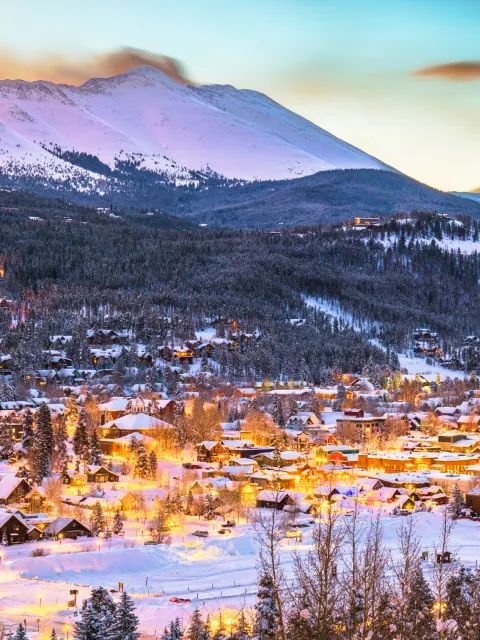
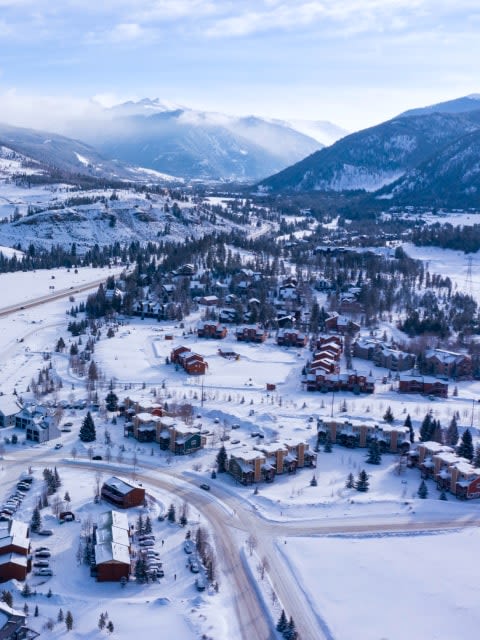
Chamonix is a town rather than a resort, busy in August as well as January, with a pedestrianised centre, a full range of shops and a spread of accommodation from simple to smart. You will use the bus most mornings, so proximity to a stop matters more than proximity to a lift. Les Houches runs along the valley road across a string of hamlets, which is the detail worth checking before you book: some accommodation sits a short walk from the Bellevue cable car, some is a bus ride away. The chalets and apartments here lean towards space and quiet, with chalet-style developments clustered near the lift stations.
Who it suits: for walking out into a town at six o'clock, Chamonix; for a quiet base with Mont Blanc out of the window, Les Houches.
Chamonix has the volume: bars that fill as the lifts close, a dining scene running from Savoyard staples to fine dining, and enough choice that a group can disagree and still eat well. Chambre Neuf near the station is the long-standing après fixture. Les Houches keeps its best eating on the mountain, where the restaurants are almost all independent and family-run, several in old farm buildings - Les Vieilles Luges is the one people come back for. Evenings in the village stay low-key.
Who it suits: if the evening is part of the holiday, Chamonix; if the long lunch is, Les Houches.
Les Houches is set up for first weeks. Le Tourchet sits in the village itself with two drag lifts and floodlit evening sessions, and there are gentle green zones at the top of both Bellevue and Prarion, so a mixed-ability group can ride up together and split at the top rather than separating at the bottom of the mountain. Add snow tubing and quieter pistes than anywhere else in the valley and the logistics of a family day get noticeably easier. Chamonix has four nursery areas - Les Planards, Les Chosalets, Le Savoy and La Vormaine - and strong ski schools, but they sit apart from the main sectors, so a beginner can spend the week in a different place from everyone else. Beginner packages are worth comparing across both.
Who it suits: for a first family week, Les Houches keeps everyone on the same hill; for families where only one person is starting out, Chamonix has the range.
Chamonix is the reason a lot of strong skiers come to the Alps at all. Grands Montets puts long, steep, lift-served descents and serious off-piste within a couple of lifts of the valley floor, and the Vallée Blanche - roughly 20 km of glacier from the Aiguille du Midi down towards town - is the route people plan trips around. It is not technically extreme, but it is long, glaciated and needs a guide. Les Houches answers with the Kandahar, which is a real test on a hard morning, and some enjoyable tree lines off Prarion after fresh snow. Beyond that the terrain runs out quickly for an expert.
Who it suits: for a week of steep, high skiing, Chamonix; Les Houches works as one strong day inside it, not as the base.
Both sit on the same road from Geneva, and Les Houches comes first as you turn into the valley, so its transfer runs around ten minutes shorter at roughly 1 hour 10 minutes against 1 hour 20 minutes. That difference should not decide anything. The link between them matters more: around 8 km, a quarter of an hour by road, with the Mont Blanc Express train and the valley buses running through the day and free to use for guests staying in the valley. What you cannot do is ski between them - the two share a valley, not a piste map.
Who it suits: either way you will be on a bus or a train at some point in the week, so treat that as part of the choice rather than a surprise.
WeSki insider tip: hold Les Houches back for the grey day. When cloud drops onto the valley and the high lifts go on hold, the tree runs above the village stay readable and the Kandahar is at its best on a firm, quiet morning. Just check your pass covers it before the forecast turns.
Three questions tend to settle this one, and none of them is about which mountain is better.
Which pass are you buying? Answer this first, because it narrows everything else. If one end of the valley is enough, base where that pass takes you and keep the week simple. If you want the run of the place, Mont Blanc Unlimited loosens the choice of village considerably - at which point the question becomes where you want to come home to rather than where you want to ski.
Is anyone in the group on their first skis? Les Houches keeps a mixed group on one hill, with easy ground at the top of both main lifts. In Chamonix a beginner spends the week in a nursery area away from the main sectors, which is fine if they are content on their own and less so if the point of the trip was to ski together.
What do you want at six o'clock? Chamonix hands you a town, with the range of dining and evenings that follows. Les Houches hands you quiet and a short walk home.
Work through those in order and the valley tends to pick for you.
Not on skis, no. The Chamonix valley's sectors are separate mountains rather than one linked area, and Les Houches is the furthest of them from the town. You travel between them by road or rail instead, which takes about fifteen minutes on the free valley bus or the Mont Blanc Express train. Plenty of people base in one and ski the other for a day or two - just make sure your lift pass covers both before you set off.
It depends which Chamonix pass you buy, and this trips up a lot of first-time visitors. Chamonix Le Pass covers the valley's own sectors but stops short of Les Houches. Les Houches has its own pass, shared with Saint-Gervais. The pass that covers both, along with the Aiguille du Midi and the Montenvers train, is Mont Blanc Unlimited. If there is any chance you will want to ski both ends of the valley, that is the one to look at.
About 8 km, which is roughly fifteen minutes by road. The Mont Blanc Express train runs the same route and stops at both, and the valley bus network connects them frequently through the day. In practice the two feel much closer than the map suggests, and staying in one does not rule out spending time in the other - it just means factoring the journey into your morning.
Les Houches has the edge. Le Tourchet sits in the village with gentle drag-lift slopes, and there are easy green zones at the top of both main lifts, so a beginner can ride up with the rest of the group instead of being left at the bottom. Chamonix's four nursery areas are well run, but they sit apart from the main sectors, which can leave a first-timer skiing somewhere different from everyone else all week.
Chamonix, on altitude alone. Its high sectors climb well past 3,000 m, face north and hold cover into spring, while Les Houches tops out at 1,900 m and its lower pistes depend more on snowmaking in a warm spell. The picture flips in bad weather, though: when cloud shuts the high lifts, the tree-lined runs at Les Houches stay skiable. Depth of snow favours Chamonix, usable snow on a grey day favours Les Houches.
Broadly, Chamonix skews towards the wider range - more hotels, more restaurants and more at the smart end, which lifts the overall feel of a stay. Les Houches leans towards chalets and apartments and a handful of family-run places to eat, which tends to suit groups who want space and a quieter week. The lift passes are priced separately too, since they are different products. It comes down to the style of week you want rather than one being the obvious choice.