EN
EN
La Clusaz and Chamonix sit about an hour apart in the Haute-Savoie, and both are roughly an hour from Geneva - so this is not the usual trade-off between a short transfer and a serious mountain. They are not linked, share no lift pass, and the skiing above them is organised in completely different ways. La Clusaz is a Savoyard village at 1,040 m with five lift-linked sectors above it, part of the Massif des Aravis area it shares with Le Grand-Bornand. Chamonix is a town at 1,035 m under Mont Blanc, with five separate ski sectors strung along the valley that you reach by bus or train rather than by piste. Same altitude, same airport, very different weeks.
Choose La Clusaz for: five sectors joined by lifts rather than buses, tree-lined runs that still work when the light goes flat, a nursery area in the middle of the village for beginners, and the shortest transfer from Geneva of any French resort worth a week.
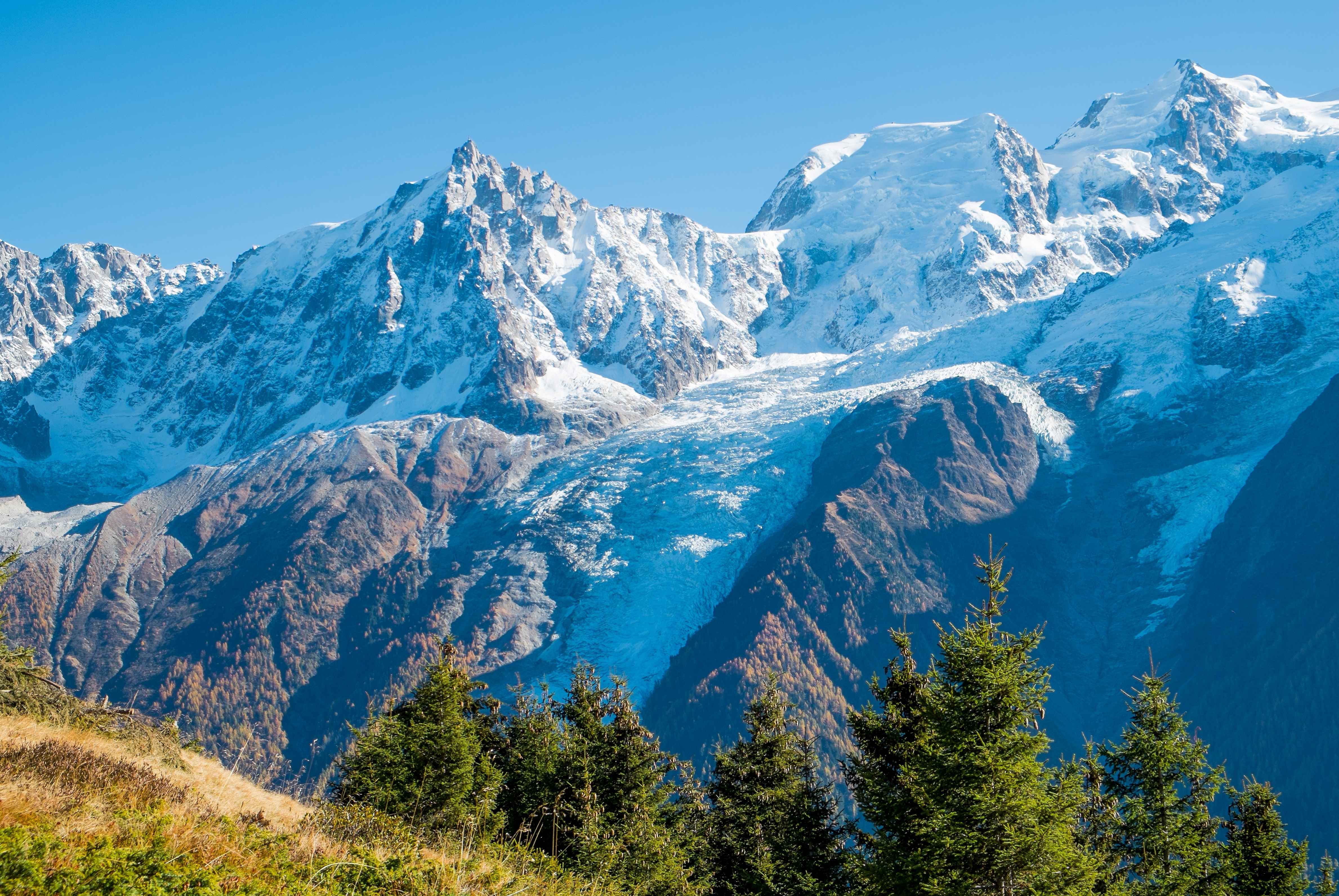
Choose Chamonix for: the coldest, highest snow in the Haute-Savoie, lift-served steep terrain and off-piste that nothing on this side of the Alps matches, a town that fills a week on its own, and a pass that reaches into Italy and the Evasion Mont-Blanc villages.


| Feature | La Clusaz | Chamonix |
|---|---|---|
| Country | France | France |
| Ski area | Massif des Aravis - 220 km across La Clusaz and Le Grand-Bornand | Chamonix valley - around 155 km across five sectors |
| Local sector | La Clusaz and Manigod - 125 km, five sectors, all lift-linked | Around 110 km on the standard valley pass; Les Houches is separate |
| Village altitude | 1,040 m | 1,035 m |
| Highest lift | 2,477 m (Col de Balme) | 3,842 m (Aiguille du Midi); 3,275 m of pisted terrain |
| Lift pass | Aravis pass - one tier, covers all three villages | Chamonix Le Pass, or Mont Blanc Unlimited |
| Season | Roughly mid-December to mid-April | Roughly early December to early May on the high sectors |
| Best for | Linked cruising, trees, families, freeride bowls | Altitude, off-piste, steep terrain, town life |
| Village character | Working Savoyard village with a year-round farming community | Alpine town with a life independent of the ski season |
| Nearest airport | Geneva (~1 hr) | Geneva (~1 hr 20 min) |
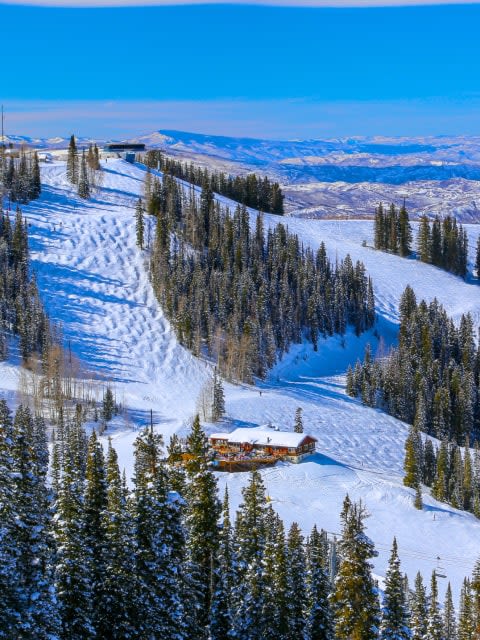
The piste totals mislead here, in opposite directions. La Clusaz's own area covers 125 km across five sectors - Beauregard, Manigod, L'Étale, L'Aiguille and La Balme - and they are joined to each other by lifts, so you can ski the lot without taking your skis off. The 220 km quoted for the Massif des Aravis adds Le Grand-Bornand, which is a free ski bus away rather than a piste. Chamonix's 155 km is the sum of five sectors that never meet: Brévent and Flégère above the town, Grands Montets at Argentière, Balme at Le Tour and Vallorcine, and Les Houches at the western end of the valley. Only Brévent and Flégère are joined, by a cable-car liaison. Everything else means a bus or the valley train. So the smaller resort is the one that skis as a single area.
Who it suits: for a week of uninterrupted linked cruising, La Clusaz; for picking a different mountain each morning by aspect and weather, Chamonix.
This is the part that catches people out, and it barely gets a mention anywhere else. In the Aravis there is one pass and one decision: the Aravis pass covers La Clusaz, Manigod and Le Grand-Bornand, and the shuttle between the villages is free with it. Chamonix sells two, and they are not interchangeable. Chamonix Le Pass covers around 110 km - Brévent-Flégère, Grands Montets, Balme-Le Tour-Vallorcine and the valley nursery areas - which is plenty for most weeks. What it does not cover is Les Houches, the Aiguille du Midi or the Montenvers railway. Mont Blanc Unlimited adds all three, plus the Evasion Mont-Blanc resorts around Megève and Saint-Gervais, and days in Courmayeur through the tunnel. If the Vallée Blanche or a flat-light day in the Les Houches trees is part of the plan, the cheaper pass will not get you there.
Who it suits: if you would rather not think about pass tiers at all, La Clusaz; if you want a pass that reaches three countries, Chamonix - just work out which of the two you need before you book.
Both villages sit around 1,035 to 1,040 m, so neither is a high-altitude booking. What sits above them differs by more than a kilometre. Grands Montets faces north and north-west and holds cold snow long after the rest of the Chamonix valley has softened, while Brévent and Flégère face south and turn spring-like early in the day; the high sectors keep going well into spring even when the runs home thin out. La Clusaz tops out at 2,477 m at the Col de Balme, and La Balme is its insurance policy - a north-facing bowl that locals head for when cover is patchy lower down. Its grassy meadow slopes need less snow to open than rocky terrain, and snowmaking is extensive across the lower sectors. Even so, a lean December or a late-April week is a bigger gamble in the Aravis than it is under Mont Blanc.
Who it suits: for either end of the season, or a thin winter, Chamonix; through January and February there is far less in it than the altitude figures suggest.
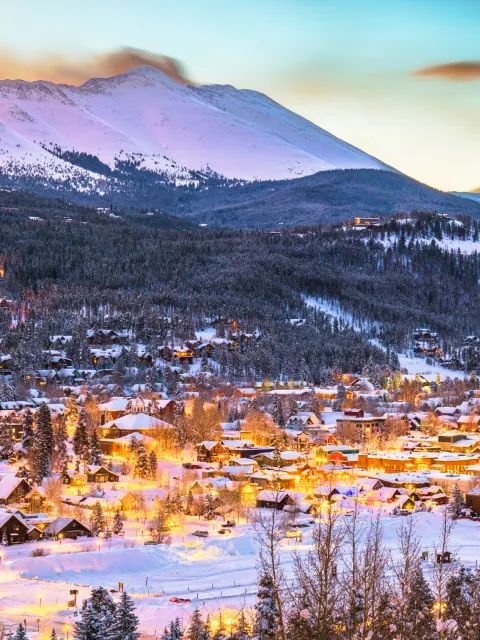
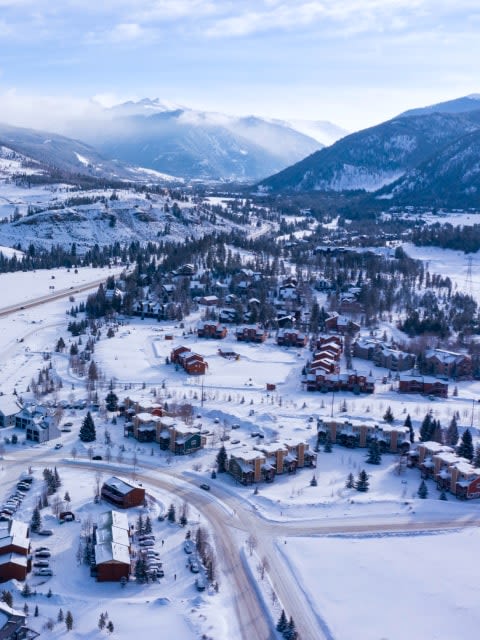
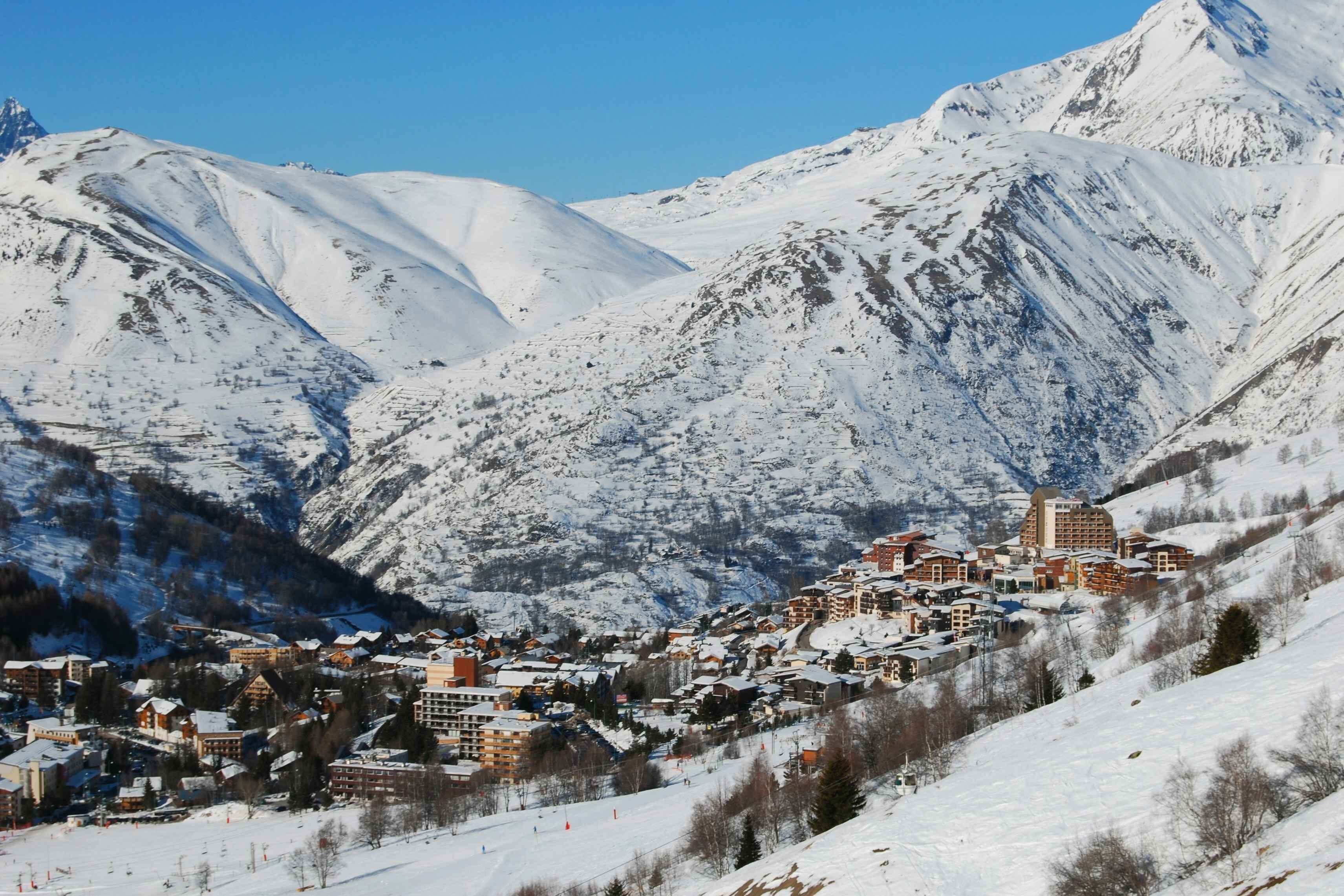
La Clusaz is a working village first and a resort second - an eighteenth-century church tower at its centre, a weekly market, Reblochon still made in the valley, and a young, sporty crowd that drives up from Annecy and Geneva at weekends. The gondolas leave from the middle of it, so most beds are a short walk from a lift and self-catered chalets and apartments make up much of the stock. Chamonix is a town rather than a village: several thousand people live there year-round, the pedestrianised centre keeps its bookshops and restaurants open in October, and the Compagnie des Guides has run from the square since 1821. The trade-off is that almost nothing in Chamonix is ski-in/ski-out, so a bus or train to your chosen sector is part of every morning. Argentière, nine kilometres up the valley, is the quieter base and puts you at the foot of Grands Montets, with hotels spread across both.
Who it suits: for walking to the lift from your door, La Clusaz; for somewhere with a life of its own beyond the ski season, Chamonix.
La Clusaz has more of an evening than its size suggests. The bars around the church square fill from mid-afternoon, and the mountain restaurants are part of the week rather than a once-a-trip splurge - Savoyard cooking, sensible pricing, and a large part of why French families keep coming back. Chamonix runs a much wider spread. Chambre Neuf is the loud end, La Folie Douce above the town covers the afternoon, and at the other extreme sit kitchens like Albert 1er that pull people up from Geneva for dinner. Volume is the town's real advantage: on a quiet Tuesday in January, Chamonix has somewhere open that suits everyone in a group.
Who it suits: for a quieter evening and good mountain food without a queue, La Clusaz; for choice and a night that can run as late as you like, Chamonix.
La Clusaz makes the easier first week. The Bossonnet nursery area sits in the village, several beginner lifts are free, and the Beauregard gondola opens onto a wide plateau of greens and gentle drags that gives a new skier somewhere to progress to without meeting anything steep. An ice rink and an aqua centre cover a day off, and none of it needs a car. Chamonix has good nursery areas too - Les Planards, Le Savoy, La Vormaine and Les Chosalets - but they are spread along the valley, and the mountains above them steepen quickly. Les Houches is the family sector, with long tree-lined runs that work in poor visibility, though it sits outside the standard pass. Both have well-regarded English-speaking ski schools and plenty of family accommodation.
Who it suits: for a first family week with the fewest logistics, La Clusaz; for families of confident skiers who want a bigger mountain, Chamonix, with the Les Houches pass factored in.
Chamonix takes this one and it is not close. The Vallée Blanche runs around twenty kilometres of glacier from the Aiguille du Midi down towards the Mer de Glace, taken with a guide; Grands Montets holds cold north-facing snow and steep lines above Argentière; and the back of Le Tour and the couloirs off Brévent fill in the rest. It is the reference point for lift-served steep skiing in Europe, and that reputation is earned. La Clusaz is less known outside France and better than its billing. La Balme's north-facing bowl holds powder for days after a storm, the Combe de Bellachat is a proper descent, and the resort has turned out a generation of freeriders and freestylers - Candide Thovex grew up here. The gap is scale and consequence rather than quality.
Who it suits: for a week built around big, committing terrain, Chamonix; for powder laps without the exposure or the guide, La Clusaz.
Both are easy, which is unusual for a head-to-head. La Clusaz is about an hour from Geneva - motorway as far as Annecy, then half an hour of valley road - and that hour is what makes it work for a short break. Chamonix is roughly an hour and twenty, motorway almost the whole way, which still puts it among the quickest transfers in the Alps. Chamonix has much the better rail option: the Mont-Blanc Express runs into the middle of town from Saint-Gervais-le-Fayet on the main SNCF network, so arriving by train is a real choice rather than a compromise. La Clusaz has no station, and Annecy is the nearest at around half an hour. Once you arrive the pattern reverses - Chamonix needs the valley bus most mornings, La Clusaz needs nothing at all.
Who it suits: for the shortest door-to-snow time, La Clusaz; for arriving without a car or a transfer, Chamonix.
WeSki insider tip: these two sit about an hour and ten minutes apart by road, closer than almost any unlinked pairing, so a day in the other is actually workable. The one worth the drive is Les Houches from La Clusaz when the light goes flat - long tree-lined runs on a separate day pass, without committing your whole week to the Chamonix valley. Going the other way, La Balme is the local answer from Chamonix after a big dump, when the Grands Montets queue is out of the door.
Three questions settle this faster than any more comparing will.
How new is anyone in the group? La Clusaz puts a nursery area in the village and a plateau of greens one gondola above it, and nothing in the week needs a bus. Chamonix's beginner slopes are scattered along the valley and the mountains above them get serious quickly. If someone is on day one, La Clusaz makes the week simpler.
When are you going? Through January and February the gap is smaller than the altitude figures imply. For early December, or anything past mid-April, Chamonix's north-facing high sectors are the safer booking - La Clusaz runs roughly mid-December to mid-April and leans on snowmaking at both ends.
Do you want a mountain or a town? Chamonix has a life that runs all year and a pass that reaches Italy. La Clusaz has a square, a gondola in the middle of it, and no daily bus. This is the one that decides it for most people, once the first two come out level.
Answer those three and one name usually stands out. If they leave you level, that is because both would give you a good week - and at an hour from the same airport, the other one keeps.
No, and it is worth knowing before you book. The two are in different valleys, on different lift passes, about an hour and ten minutes apart by road. La Clusaz skis the Massif des Aravis; Chamonix skis its own valley under Mont Blanc. You can drive over for a day - they are closer than most pairings - but it costs a morning rather than a gondola ride, so almost everyone picks one and stays put.
La Clusaz is the simpler of the two. The Aravis pass covers La Clusaz, Manigod and Le Grand-Bornand, with a free shuttle between the villages. Chamonix sells two: Chamonix Le Pass covers the main valley areas and the nursery slopes, while Mont Blanc Unlimited adds Les Houches, the Aiguille du Midi, the Montenvers railway, the Evasion Mont-Blanc resorts and Courmayeur. If the Vallée Blanche or Les Houches is on your list, you need the second one.
Chamonix, on the margins that matter. The two villages sit at almost identical altitudes, but Grands Montets faces north and stays cold well into spring, and the high sectors keep the season open at both ends. La Clusaz tops out at 2,477 m, with La Balme as its north-facing insurance and extensive snowmaking below. Through the core of the winter there is less between them than the numbers suggest; for early December or late April, Chamonix is the safer call.
La Clusaz has the clear edge, mostly on convenience. Its nursery area is in the village, several beginner lifts are free, and the Beauregard plateau above gives a first-timer somewhere gentle to progress to. Chamonix's nursery slopes work well enough, but they sit at four separate points along the valley, so there is a bus at each end of the day, and the terrain above them steepens fast. Both have strong English-speaking ski schools.
Broadly, yes, though it depends more on what you book than on the resort. Chamonix has a wide spread, from apartments in Argentière to hotels in the centre of town, and the Mont Blanc Unlimited pass sits above the Chamonix Le Pass if you want the full valley. La Clusaz leans towards self-catered chalets and apartments and informal mountain restaurants, with a single pass and no upgrade decision, which tends to make the week more predictable.
La Clusaz, by around twenty minutes. It sits about an hour from Geneva airport, motorway as far as Annecy and then valley road, which makes it one of the quickest resorts in the Alps to reach. Chamonix is roughly an hour and twenty, and it is motorway almost the whole way. Both are short enough that a long weekend works, which is unusual for a pairing of this quality.