EN
EN
A ski pass is one of those things that sounds simple until you start looking at the options. At its core, it’s your ticket to use the ski lifts - but the type of pass you need, how long it lasts, and what it covers all depend on where you’re going and how you’re skiing. This guide explains how ski passes work, what the different types are, and what to think about when choosing one. If you want the practical steps on getting the right pass for your trip, our guide to buying a ski pass walks through the process. And if you’re weighing up multi-resort options, our best value ski passes in Europe compares the main ones.
A ski pass gives you access to the ski lifts in a resort. Without one, you can’t get up the mountain - the lifts have electronic gates that read your pass before letting you through. You buy it for a set number of days, load it into a card (or increasingly, onto a wristband), and tap it at each lift gate as you go.
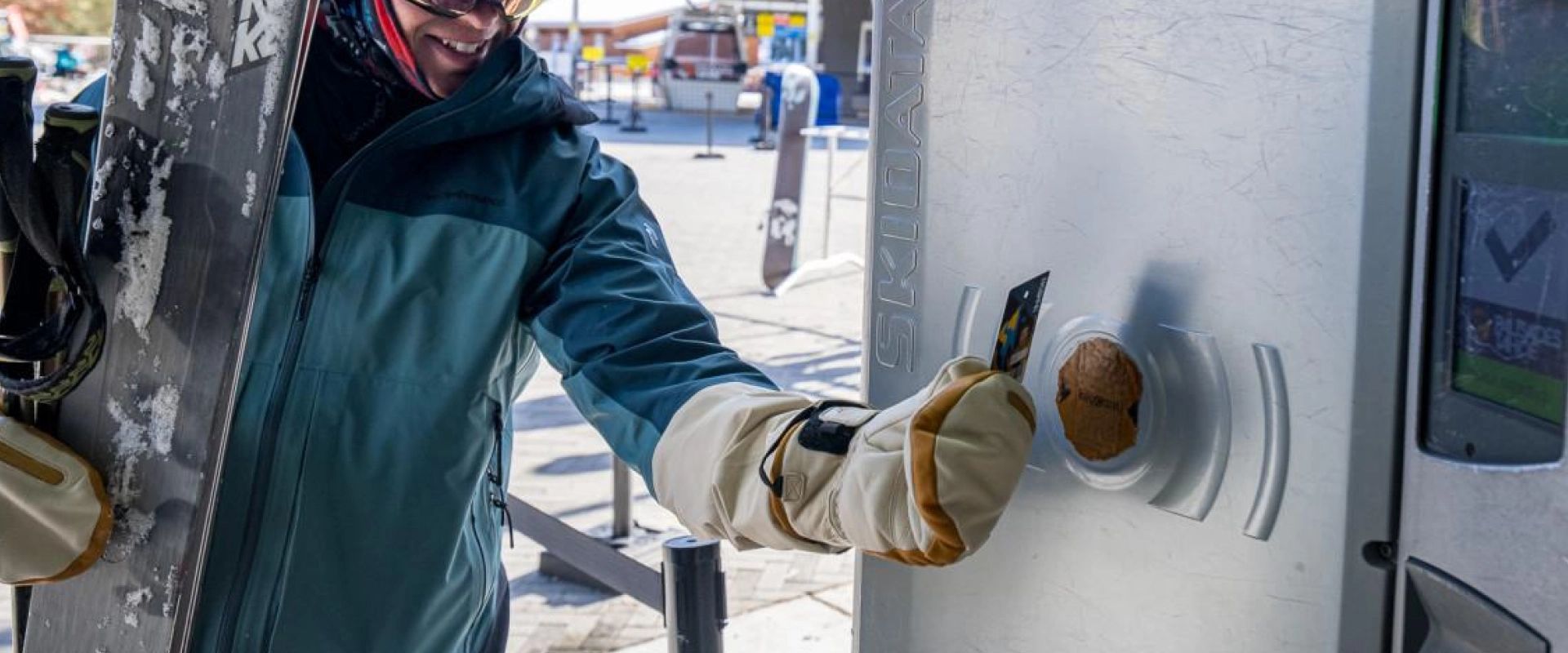
Most modern ski passes use contactless RFID technology. You keep the card in your jacket pocket and the gate reads it as you walk through - no fumbling with gloves off at every lift. The pass is activated from the first day you use it, not necessarily the day you buy it, so you can pick it up the evening before you start skiing.
Passes are typically sold by the day, with options ranging from a single day to a full week. A six-day pass is the standard choice for a week’s holiday, since most skiers take one rest day. Some resorts also sell half-day passes (usually from midday), which are useful if you’re arriving late or want a shorter day on the slopes.
The first distinction is between a local pass and an area pass. A local pass covers the lifts in a single resort or village. An area pass covers a larger linked ski domain - sometimes connecting several villages and hundreds of kilometres of pistes under one ticket. The Three Valleys in France, for example, links Méribel, Courchevel, Val Thorens, and Les Menuires under one area pass. The Dolomiti Superski pass covers twelve separate ski areas across the Italian Dolomites.
Then there are multi-resort passes that work across resorts that aren’t physically connected. The Ikon Pass and Epic Pass (primarily North American but with European partner resorts) and Europe’s own options like the Ski Amadé pass let you ski different resorts on different days with one card. These are designed for people taking multiple trips in a season or touring between areas.
Finally, some resorts have beginner or nursery area passes. These cover just the learner lifts at the base of the resort - magic carpets, button lifts, and short drag lifts. They cost less than a full pass and are a sensible starting point if you’re spending your first days on the nursery slopes.
A ski pass covers lift access - that’s it. It lets you ride the chairlifts, gondolas, cable cars, and drag lifts within the area your pass is valid for. Some passes also include the resort’s ski bus (a shuttle connecting villages or car parks to the lifts), but this varies.
What a pass doesn’t cover: ski lessons, equipment hire, food on the mountain, insurance, or parking. These are all separate costs. In a package holiday, the lift pass is usually included alongside flights, transfers, and accommodation, so you don’t need to buy it separately - but it’s still a distinct component of what you’re paying for.
It’s also worth knowing that pass validity doesn’t always mean lift availability. Mountain weather can close upper lifts on any given day, and early or late season may mean not all lifts are running. Your pass is still valid; you just can’t access areas that are closed. Resorts don’t typically refund for weather closures, though some have insurance-backed schemes for extended shutdowns.
If you’re booking a package ski holiday, the lift pass is almost always included. The tour operator selects the right pass type and duration based on your resort and trip length, so you don’t need to compare local versus area options yourself. It’s one of the advantages of a package - the pass is matched to the trip before you arrive.
With WeSki, the lift pass is built into the booking. You’ll see it as a line item when you’re building your trip, and it’s already set to the right type for the resort and the number of skiing days in your itinerary. If you want to adjust it - say, to add an extra day or switch from a local to an area pass - that’s handled during the booking process rather than at a ticket office in resort.
This matters because buying a lift pass at the resort desk on your first morning is one of the least enjoyable parts of a ski holiday. The queue is long, the options are confusing in a language you may not speak, and you’re standing in ski boots. Having it sorted before you travel removes that friction entirely.
Your skiing ability should influence which pass you choose. A first-timer spending most of the week on the nursery slopes doesn’t need a full-area pass that covers 600 km of pistes. A nursery area pass or a short-duration local pass is usually enough for the first two or three days, with an upgrade to the wider area once you’re ready to explore.
Intermediate skiers get the most from an area pass. Once you can comfortably ski blue and red runs, having access to the full linked domain means you can explore different valleys and villages without skiing the same runs repeatedly. This is where the value of a larger pass area really comes through.
Advanced skiers should look at what terrain the pass actually unlocks. Some passes include glacier access or off-piste sectors that others don’t. If you’re planning to ski a specific area of the mountain - a high-altitude bowl, a glacier run, or a particular freeride sector - check the pass covers it before you buy.
Modern passes are almost entirely contactless. The card sits in your jacket pocket - usually in a dedicated pass pocket on the left sleeve or chest - and the gate reads it through the fabric as you walk past.
The technology behind this is RFID (radio-frequency identification), the same principle as a contactless bank card. The read range is about 30 cm, so as long as the card is somewhere on your upper body, it picks up. Some resorts have moved to wristbands or even phone-based passes, though the physical RFID card remains the most common format across Europe.
One practical detail worth knowing: the gates have a short delay between reads. If you’re skiing with a group and everyone is walking through in quick succession, leave a second or two between each person so the gate resets. The beep and green light confirm your pass has been read.
It depends on the resort. Some resorts have free access to the nursery area lifts, so you can take your first lessons without any pass at all. Others require a nursery pass from day one. If you’re booking through a tour operator, the right pass will already be included. If you want to understand what to expect from your first week on skis, our guide to what it’s like to learn to ski covers the full picture.
Ski passes are registered to one person. After the first scan, the system locks the pass to a specific gate-entry pattern - it knows the pass was scanned at a chairlift base, so it won’t let the same card through again until a reasonable skiing interval has passed. Sharing a pass will trigger a block at the gate, and resort staff can ask for ID to verify ownership.
Your pass remains valid for the days you purchased - if some lifts close due to high winds or poor visibility, there’s no automatic refund for that day. Most resorts keep lower lifts running in bad weather, so you can usually still ski something. Some resorts run insurance-backed guarantee schemes that refund part of your pass if closures exceed a certain threshold, but these are resort-specific.
For most skiers, a six-day pass matches a week’s trip well - it assumes you’ll take one rest day, which most people do by mid-week. If you’re confident you’ll ski every day, a seven-day pass is the more straightforward option. Five-day passes can work too if you’re arriving late or plan to take a full day off for non-skiing activities.
Children need their own pass, but most resorts have reduced rates for younger skiers. The age brackets vary - some resorts class under-sixes as free, while others set the threshold at five or even four. There’s usually a junior rate for older children up to 15 or 16. You’ll need proof of age (a passport or birth certificate) to claim the reduced rate at the ticket office. If you’re planning a family ski holiday, the pass is usually pre-sorted with the right age bands.
Thinking about giving it a go? Try WeSki’s AI trip planner - tell it what matters to you and get a personalised shortlist of resorts in seconds