EN
EN
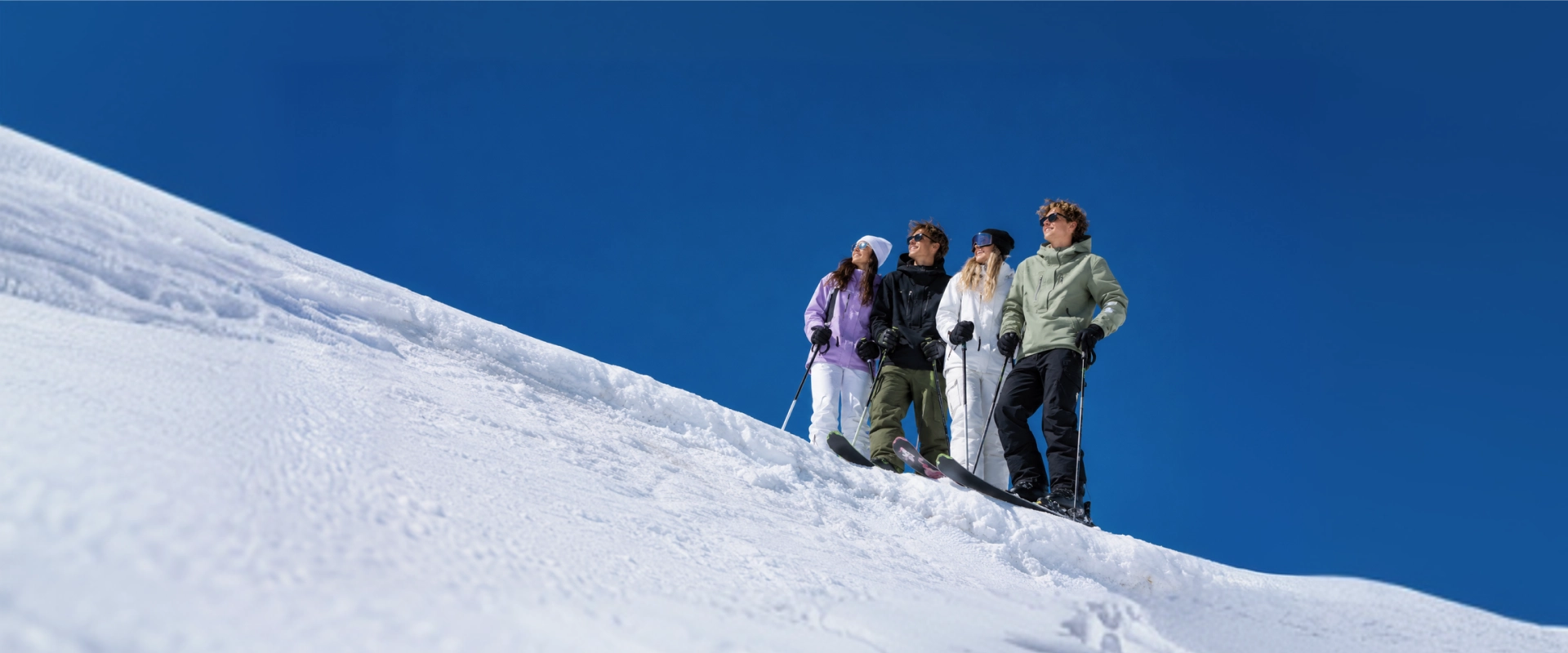
A ski holiday is unlike any other type of trip, and most of the surprises are good ones - though not all of them are what you'd expect. This guide covers what the week actually looks and feels like, from the first morning to the last day, so you can decide whether it's for you. It's written for anyone thinking about going but not yet committed. If you've already decided and want the practical steps, our guide on how to plan your first ski holiday covers everything from booking to packing. And when you're ready to compare destinations, the best resorts for your first ski holiday list is a good starting point - or browse our beginners ski holidays once you're ready to book.
Most first-timers describe the initial moments of a ski holiday as slightly surreal. You've arrived somewhere cold, usually at altitude, and the landscape is entirely white. The air is thin and sharp. Everyone around you seems to know what they're doing, and you're holding equipment you've never used before. It's a lot to take in.
The hire shop is usually the first proper stop. Someone will size you for boots, clip you into skis and hand you poles - the whole process takes around twenty minutes. Boots feel stiff and awkward at first, and walking in them is a skill in itself. Most people laugh at themselves during this stage, and that's a reasonable response - it's a strange set of sensations.
Then you're at the nursery slope, and the instructor takes over. The ground is flat enough that you won't go anywhere you don't mean to. The first lesson covers standing, shuffling and stopping - nothing dramatic, but it all matters. By the end of that first morning, most people are making small turns on a very gentle gradient, which feels like more progress than they expected.
The physical sensation of skiing is hard to describe to someone who hasn't tried it, partly because it changes so much over the first few days. Day one is largely about balance and trust - trusting that the edges of the skis will grip, that turning is possible, and that falling at beginner speed is a slow, undramatic event rather than a dramatic one.
By day two or three, something usually shifts. The movements start to feel less conscious, and there are moments - brief at first, then longer - where you're gliding rather than managing. That shift happens differently for everyone. Some people find it on their second morning; others take until mid-week. Both are entirely normal, and a good instructor will pace the group accordingly.
What catches people off guard is how much there is to notice beyond the technique. The sound of skis on groomed snow. The way the light changes as clouds move over the mountain. The view from a chairlift you didn't expect to be on yet. Skiing engages more senses than most sports, which is partly why people find it absorbing in a way that's difficult to compare to anything else.
A ski day has a natural structure that most first-timers settle into quickly. The morning tends to be the best snow conditions - freshly groomed and firm - so most lessons start around 9:30 or 10:00. You'll ski for two to three hours in the morning, which is more tiring than it sounds. Legs, core and concentration are all working harder than they're used to.
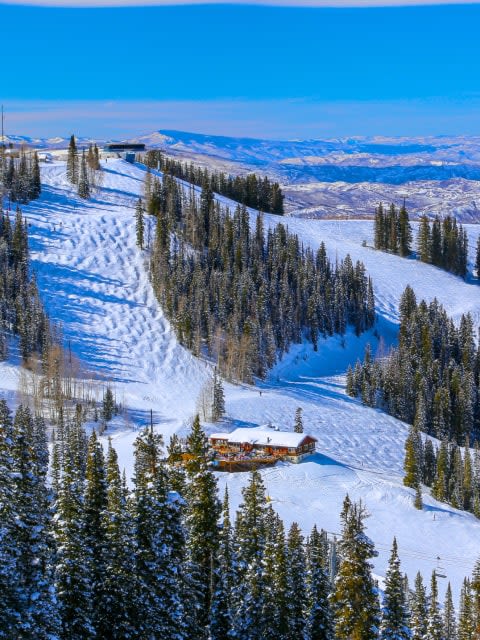
Lunch is a real event on a ski day, not a rushed sandwich. Mountain restaurants serve hot food with views that would be the highlight of most holidays on their own. Taking a proper midday break isn't lazy - it's how experienced skiers pace their day. The alternative is pushing through and running out of energy by 2pm, which is a common first-timer mistake that a longer lunch neatly avoids.
The afternoon is usually shorter. Some people ski until the lifts close at 4:00 or 4:30; others call it a day after lunch and head back to the village. There's no right answer. What works best depends on how your body is holding up and how much progress you want to push for. The evening might involve a restaurant in the village, a soak in a hot tub, or simply an early night - legs permitting.
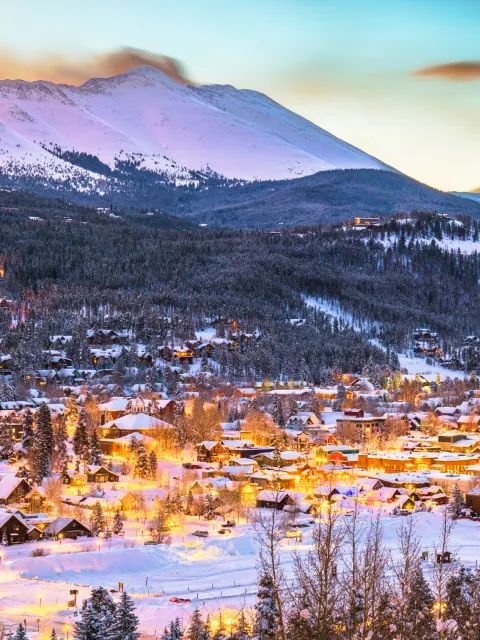
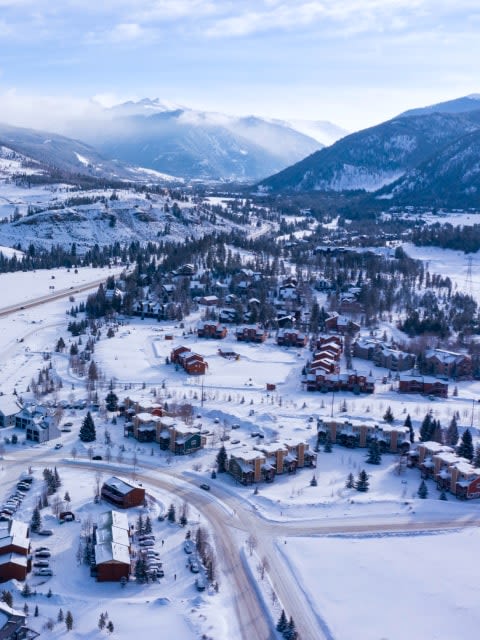
A ski holiday isn't just skiing. The village, the food, the mountain scenery and the social side all contribute to the experience - and for some people, these end up being the parts they remember most. Mountain villages have a character that's distinct from other holiday destinations: the combination of cold air, warm interiors, mountain views and good food creates an atmosphere that's hard to replicate elsewhere.
Most resorts have non-skiing activities for anyone who wants a day away from the slopes. Winter walking trails, spa facilities, swimming pools and local shops are common. Some resorts have ice skating, tobogganing or snowshoe excursions. It's worth knowing these exist, because some days - especially mid-week when your legs are asking for mercy - a half-day exploring the village can be as enjoyable as a half-day on skis.
The social side is often unexpected. Shared lessons, lift queues and mountain restaurants create a natural rhythm of meeting people. If that's your thing, ski holidays are unusually social trips. If it isn't, the mountain itself is reason enough to be there - there's no pressure to be part of the social scene if you'd rather enjoy the quiet.
Skiing is more physically demanding than most first-timers expect, and the tiredness shows up in stages. Day one is usually fine - you're running on adrenaline and the movements are small. Day two is when the aching arrives. Quads, shins and muscles you didn't know you had will make themselves known, especially on the stairs.
This is completely normal and it passes. By day three or four, your body starts to adapt, and the movements become less effortful. The people who have the hardest time physically are usually the ones who pushed too hard on day one or skipped their stretching entirely. A few weeks of squats and lunges before the trip makes a noticeable difference, but even without preparation, most people find their legs adjust by mid-week.
Altitude plays a role too, particularly at resorts above 2,000m. You'll dehydrate faster than usual, and alcohol hits harder. Drinking plenty of water throughout the day and going easy on the first evening's wine are small adjustments that make the next morning significantly more comfortable. Sunburn is the other surprise - UV at altitude is markedly stronger than at sea level, and it catches people even on overcast days.
By the end of a first ski holiday, most people have a clearer sense of what the fuss is about. The combination of physical challenge, mountain scenery, fresh air and a daily rhythm that's completely different from normal life has a way of resetting things. It's not unusual to feel more rested after a ski holiday than a beach one, even though you've been far more active.
Plenty of first-timers leave already thinking about when they'll go again. Others take their time deciding, and that's equally valid. A first ski holiday is worth taking on its own merits, without any expectation that you'll come away converted. Some people love it immediately; some grow into it over subsequent trips; some decide it's not for them. All three are fine.
What almost everyone agrees on is that they're glad they tried it. The mountain environment, the physical learning curve and the change of routine make it a trip that's completely different from anything else - and that novelty alone makes it worthwhile, regardless of whether skiing becomes a long-term habit.
The idea of it tends to feel more daunting than the reality. Beginner slopes are gentle gradients where you're unlikely to pick up any real speed, and the equipment is designed to make stopping straightforward. Most people report that the anxiety fades within the first hour of their first lesson. That said, some nerves are completely normal - it's a new physical skill in an unfamiliar environment.
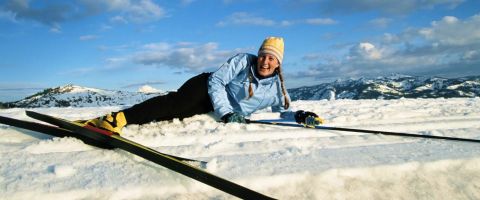
Falling is part of learning, but it's rarely as dramatic as people imagine. At beginner speeds on gentle slopes, a fall is usually a slow sit-down into soft snow. Most first-timers fall a few times on day one, less on day two, and very little by mid-week. Helmets are standard for protection, but the pace of learning means falls are low-impact and increasingly rare.
Ski school groups are organised by ability, and instructors adjust the pace to suit the group. If you're finding the group too fast or too slow, ski schools are used to re-sorting people into the right level. There's no shame in moving to a different group - it's standard practice and means you'll learn at the pace that works for you.
You don't need to be sporty to enjoy a ski holiday. Fitness helps with endurance, but the technique side of skiing is about balance and coordination rather than raw strength. Plenty of people who wouldn't call themselves athletic have a great time on the slopes. If fitness is a concern, our how to plan your first ski holiday guide includes a simple preparation section that covers the basics.
Many people are surprised by how much of a ski holiday happens away from the slopes. Mountain restaurants, village exploration, spa facilities, winter walks and the general atmosphere all contribute to the experience. It's entirely possible to have a brilliant week with only two or three days of actual skiing, and nobody will judge you for spending an afternoon on a sunny terrace instead of a chairlift.
Thinking about giving it a go? WeSki’s AI trip planner can match you to the right resort for your first trip - tell it what matters and get a personalised shortlist in seconds