EN
EN
No other Alpine airport puts you this close to the snow. You can land at Innsbruck, clear a terminal that takes minutes to walk through, and be clicking into your bindings before lunch - something that simply isn’t on the table from most gateways. The Tyrol packs more than twenty bookable resorts within a 30 to 90 minute drive, from gentle nursery slopes above the city to the serious terrain of the Arlberg. Below you’ll find every WeSki-bookable resort within reach, grouped by ski area, with a realistic transfer time and a quick read on who each one suits. If you want to understand the journey itself, our guide to ski resort transfers covers the options; and if a short transfer is the whole point, our round-up of the best resorts for short transfers ranks the quickest across the Alps.
Every resort below is bookable through WeSki, transfers included. Times are approximate and depend on road conditions.
| Resort | Transfer | Ski area | Best for |
|---|---|---|---|
| Seefeld | 30m | Olympiaregion Seefeld | Gentle terrain, Nordic skiing, non-skiers |
| Axamer Lizum - Muttereralm | 30m | Olympiaregion | Quick access from the city, intermediates |
| Kühtai | 45m | Kühtai | High-altitude snow, quiet slopes |
| Neustift - Fulpmes | 45m | Stubai Glacier | Glacier, long season, mixed-ability groups |
| Sölden | 1h 15m | Ötztal | Advanced skiers, glacier, reliable snow |
| Obergurgl-Hochgurgl | 1h 30m | Ötztal | Families, intermediates, snow-reliable terrain |
| Pitztal | 1h 15m | Pitztal Glacier | Glacier skiing, early and late season |
| St. Anton | 1h 00m | Ski Arlberg | Advanced skiers, off-piste, après-ski |
| Lech Zürs | 1h 20m | Ski Arlberg | Intermediates, upmarket stays, off-piste |
| Ischgl | 1h 00m | Silvretta Arena | Intermediates, snow-reliable terrain, nightlife |
| Galtür | 1h 15m | Silvretta (Paznaun) | Families, quieter slopes, high terrain |
| Samnaun | 1h 45m | Silvretta Arena | Cross-border skiing, duty-free, intermediates |
| Kaltenbach | 50m | Zillertal (Hochzillertal-Hochfügen) | Intermediates, uncrowded slopes, value |
| Mayrhofen | 55m | Zillertal | Intermediates, lively evenings, steep terrain |
| Tux - Hintertux | 1h 25m | Zillertal (Hintertux Glacier) | Year-round glacier, snow security, all levels |
| Söll | 1h 00m | SkiWelt Wilder Kaiser-Brixental | Intermediates, lively base, large linked area |
| Ellmau | 1h 10m | SkiWelt Wilder Kaiser-Brixental | Families, sunny slopes, gentle terrain |
| Westendorf | 1h 10m | SkiWelt / Kitzbühel link | Intermediates, snow record, quieter village |
| Kitzbühel | 1h 20m | KitzSki | Intermediates, varied terrain, resort character |
| St Johann in Tirol | 1h 10m | Kitzbühel Alps | Beginners, relaxed pace, value |
| Val Gardena | 1h 45m | Dolomiti Superski (Sella Ronda) | Intermediates, scenery, circuit skiing |
| Kronplatz | 1h 50m | Dolomiti Superski | Intermediates, grooming, modern lifts |
| Alta Badia | 2h 00m | Dolomiti Superski (Sella Ronda) | Intermediates, mountain food, long cruisers |
The resorts closest to the airport ring the city itself, which is why so many skiers choose the Tyrol for a short break. All three below are reachable inside 45 minutes, so a morning flight can still buy you an afternoon on the slopes.
A high sunny plateau half an hour from the airport, Seefeld leans gentle: wide blues, a strong beginner area, and one of Europe’s great cross-country networks on the doorstep. It hosted Olympic Nordic events twice, and the village itself is lively enough to fill the evenings. A good first week, and an easy base for anyone mixing skiing with time off the snow.
Innsbruck’s nearest proper ski mountain and the former Olympic downhill venue. The terrain is compact but varied, with north-facing runs that hold their snow and a pitch that suits confident intermediates. Being this close to the city makes it a natural day mountain, so the slopes are quietest early and on weekdays.
One of the highest resort villages in Austria at 2,020 m, which tells you most of what you need to know: snow comes early and stays late. It’s small and ski-in ski-out, with none of the drive-up faff of bigger resorts. Uncrowded, high, and reliable - a solid choice when lower resorts are still waiting for cover.
The Stubai glacier is the Tyrol’s reliable-snow anchor, and it sits barely 45 minutes from the terminal. The valley runs on a free ski bus, so you don’t need a car to reach it.
The glacier opens in autumn and runs into late spring, with terrain spread high enough to shrug off a poor snow year. Lower down, Fulpmes and the Schlick 2000 area give beginners and families a gentler, tree-lined alternative on the same valley. The pairing is what makes it work: reliable altitude when you want it, friendlier slopes when you don’t.
Two parallel valleys south-west of the city, both built around glaciers that keep running when the rest of the Alps is thin. The drive is longer, but the snow record is the trade.
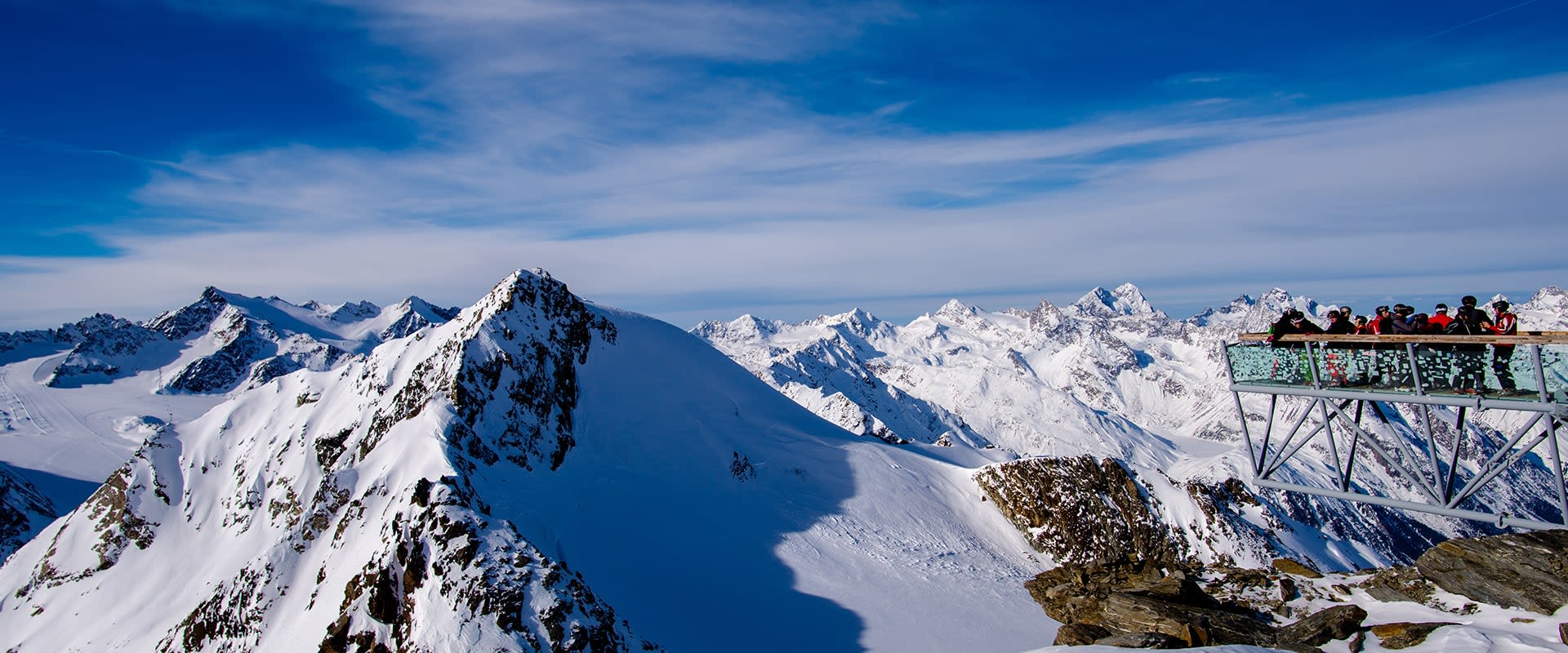
Three peaks above 3,000 m and a season that starts in autumn make Sölden one of the Tyrol’s heavy hitters. The terrain leans towards confident intermediates and above, with long descents and a lively resort base. When lower resorts are struggling, conditions here usually hold.
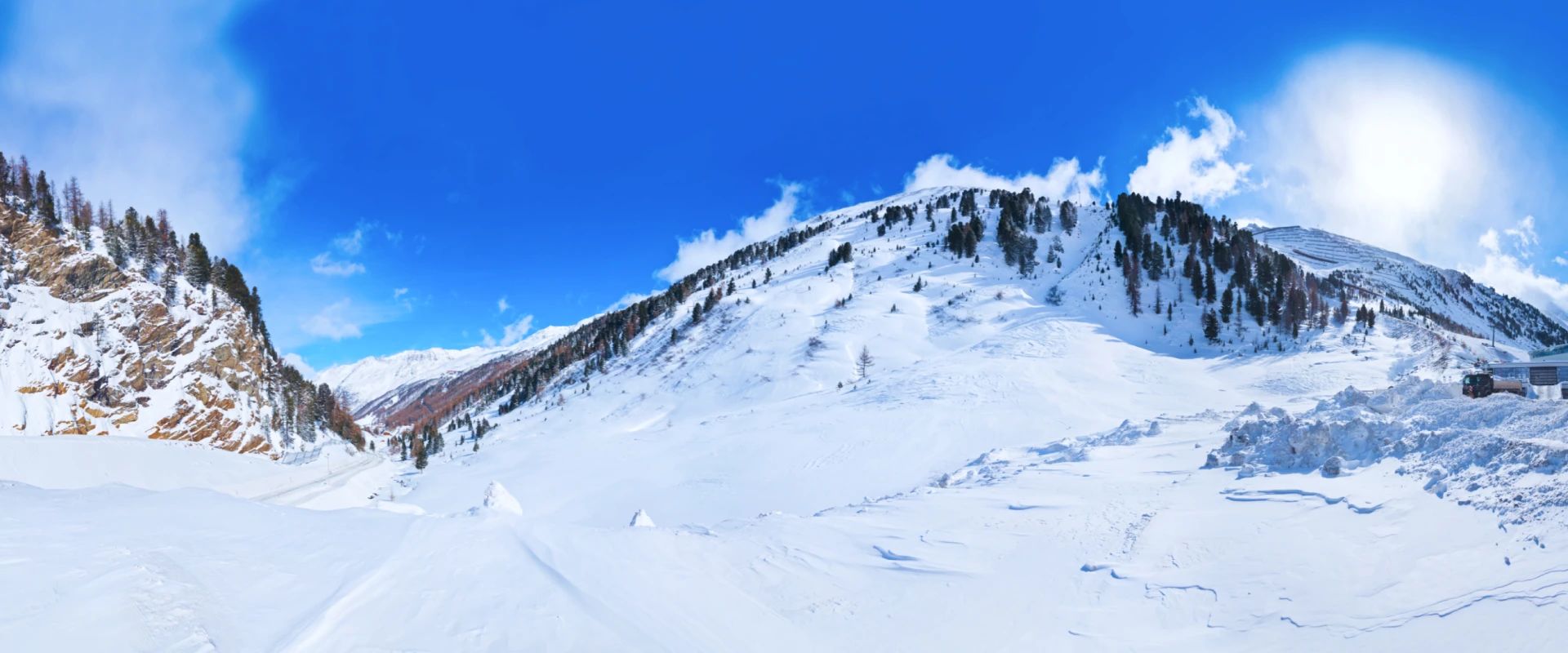
At the head of the Ötztal valley and one of the highest non-glacier resorts in the Alps, so snow is dependable early and late. The slopes are well-groomed and the atmosphere is calmer than Sölden down the road - a quieter, higher base for families and intermediates who want altitude without the crowds.
Austria’s highest glacier, reached by an underground funicular, which keeps the Pitztal open when the calendar says it shouldn’t be. The valley is quieter and less developed than its Ötztal neighbour, and that’s part of the draw. Come for snow security and space rather than a busy resort scene.
Austria’s most storied ski area, shared by St. Anton and Lech Zürs across more than 300 km of linked terrain. It’s one of the snowiest - and most demanding - corners of the Alps, and St. Anton is reachable by direct train from Innsbruck as well as by road. Its lively après suits bigger parties, so it’s worth a look at group ski deals.
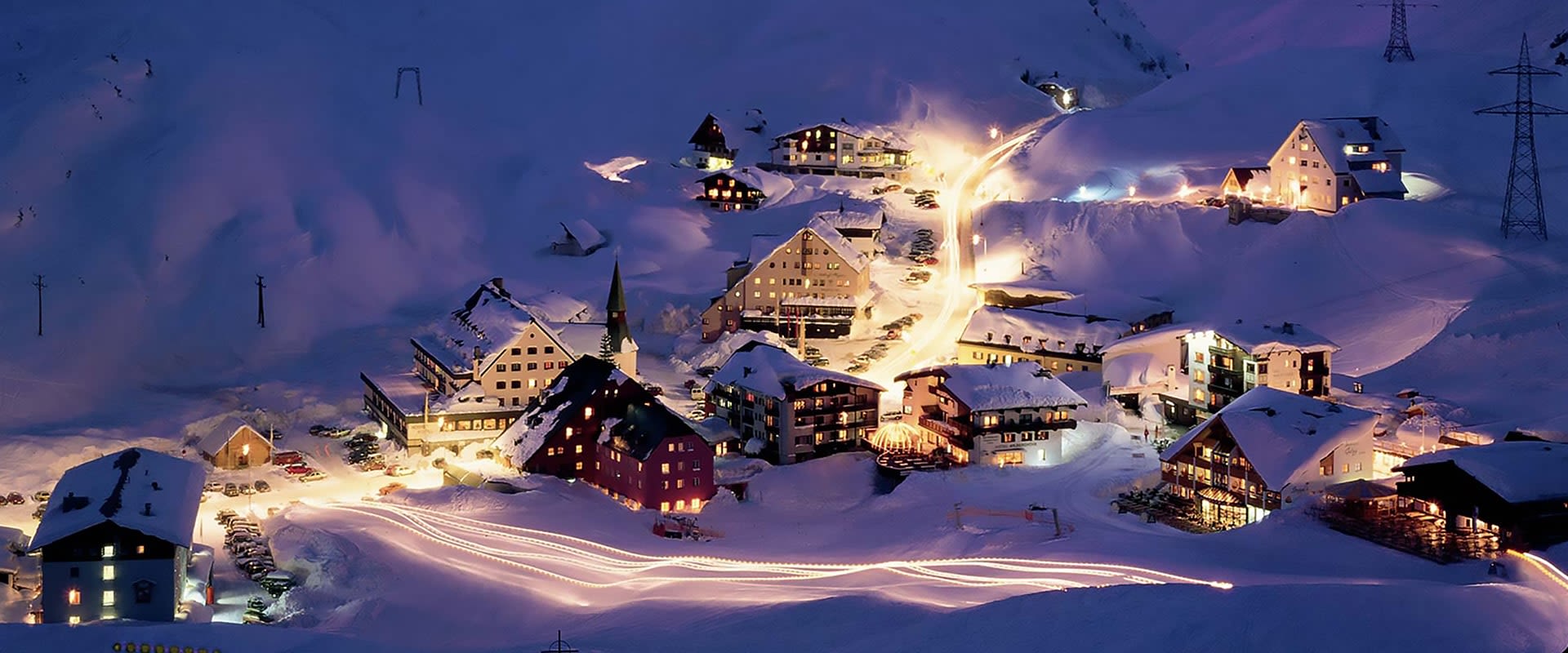
The heartland of Austrian skiing: steep, demanding terrain, legendary off-piste and an après culture that set the template. Experienced skiers come for the sheer scale and the vertical. The direct rail link from Innsbruck also makes it one of the easiest big resorts to reach without a transfer at all.
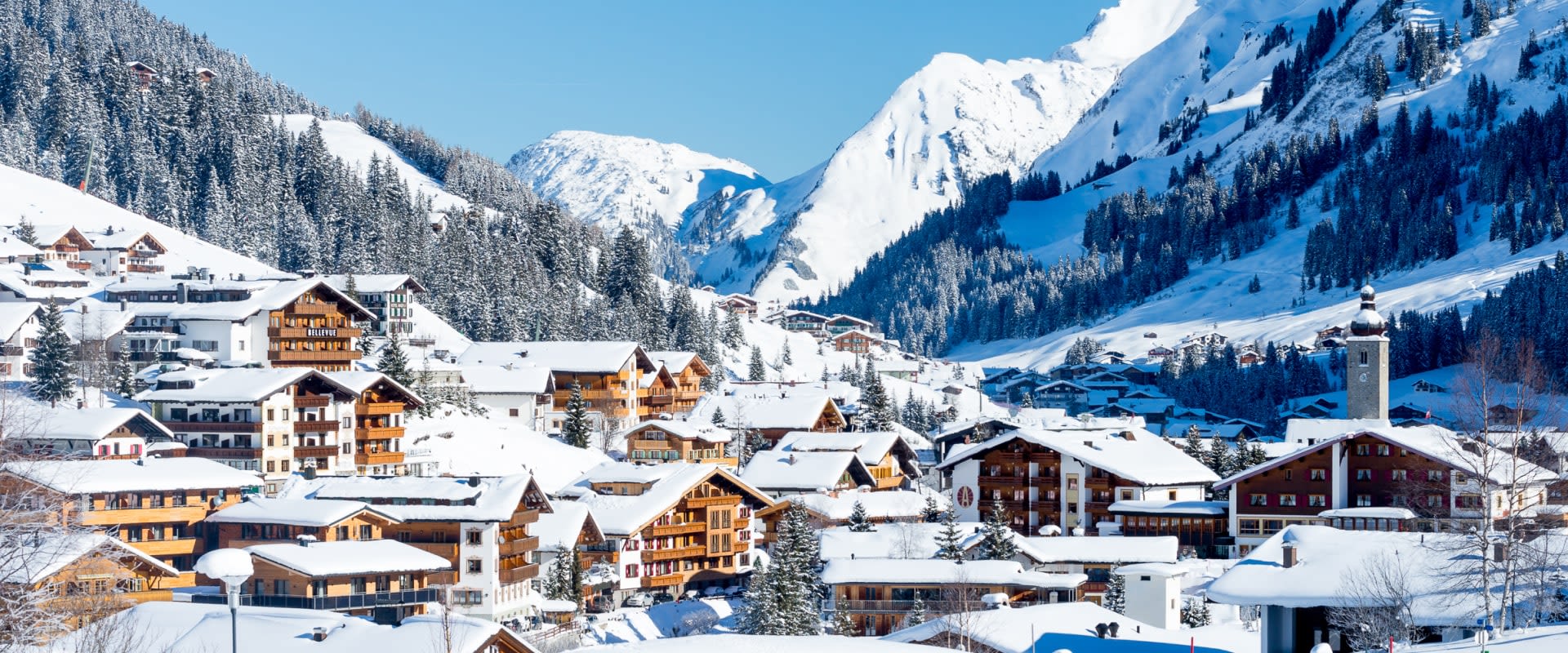
The refined end of the Arlberg, with wide intermediate runs and a calmer pace than St. Anton. It shares the full pass and terrain but keeps its own character - quieter, more exclusive, and well-suited to families who want altitude without the party. If you’re weighing a higher-end stay, it’s worth checking current luxury ski deals.
The Paznaun valley runs south-west towards the Swiss border and the high, snow-reliable Silvretta. The resorts here range from Ischgl’s full-volume nightlife to the quiet of Galtür at the valley head.
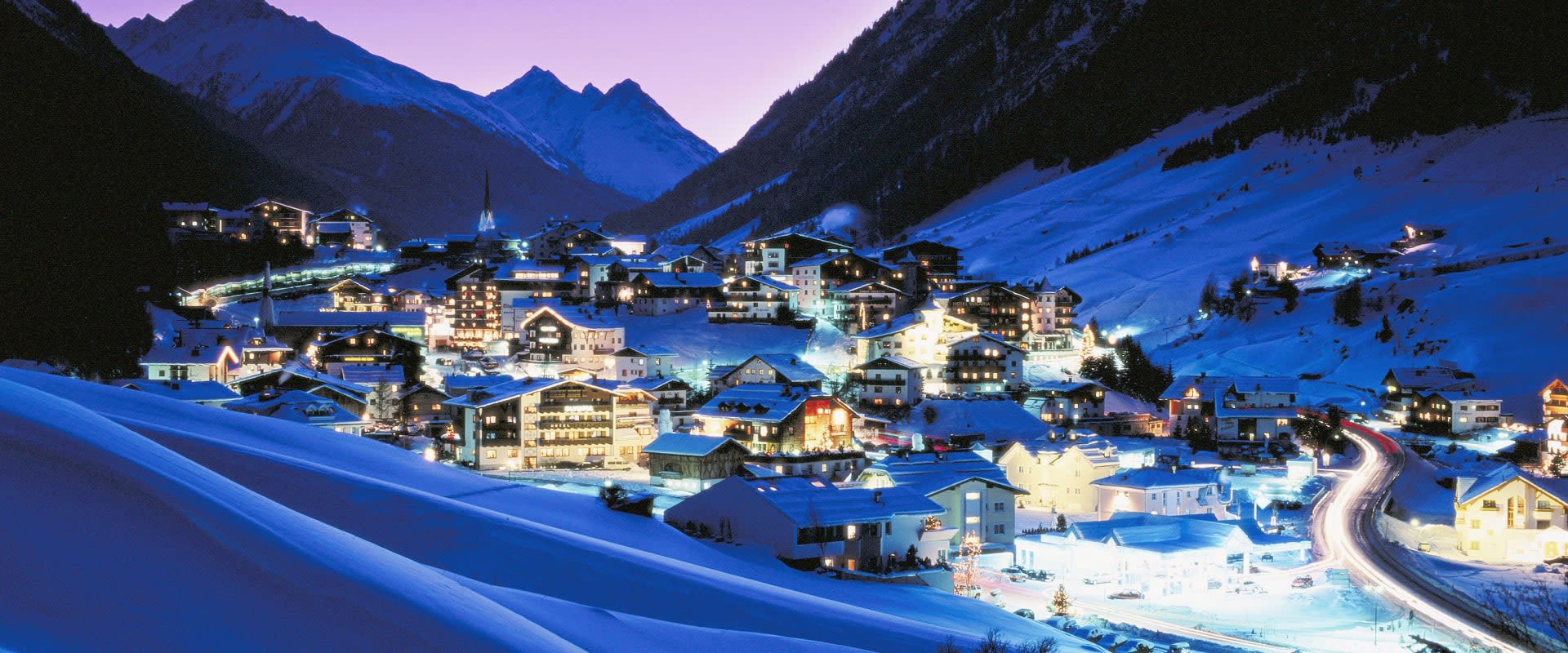
A compact village with a reputation built on two things: high, dependable snow and serious nightlife. The terrain suits intermediates well, and the cross-border circuit into Swiss Samnaun is a regular highlight. Come for the skiing and the scene in equal measure.
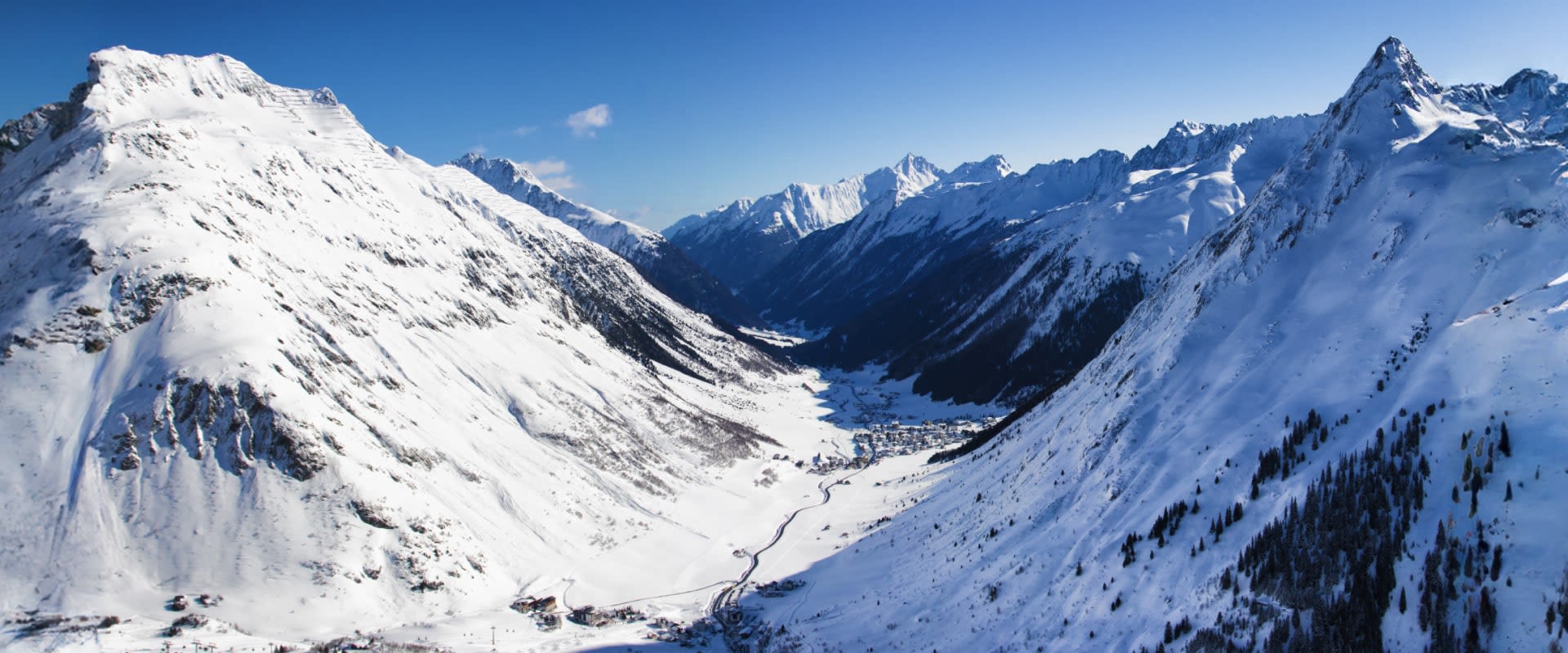
At the top of the Paznaun valley, Galtür is the calm counterpoint to Ischgl a few kilometres down the road. It’s high, snow-reliable and noticeably quieter, with gentle terrain that families take to. A base for people who want the Silvretta’s snow without its louder neighbour.
The Swiss end of the Silvretta Arena, reached by cable car above a duty-free village near the Austrian border. It shares all 239 km with Ischgl and makes a quieter entry point into the same area. Worth it for skiers who like the idea of crossing a border mid-run.
A broad valley opening just east of the airport, with resorts strung along its length and a glacier at its head. The lower resorts are among the quickest transfers in the Tyrol; the glacier keeps the season long. Its parks draw boarders and freestylers, so it’s worth checking current snowboarding ski deals.

One of the quickest transfers on this list and one of the least known, which works in its favour. The linked Hochzillertal-Hochfügen area gives plenty of intermediate cruising with short lift queues. A quiet, efficient base for skiers who’d rather be on the snow than in the resort.
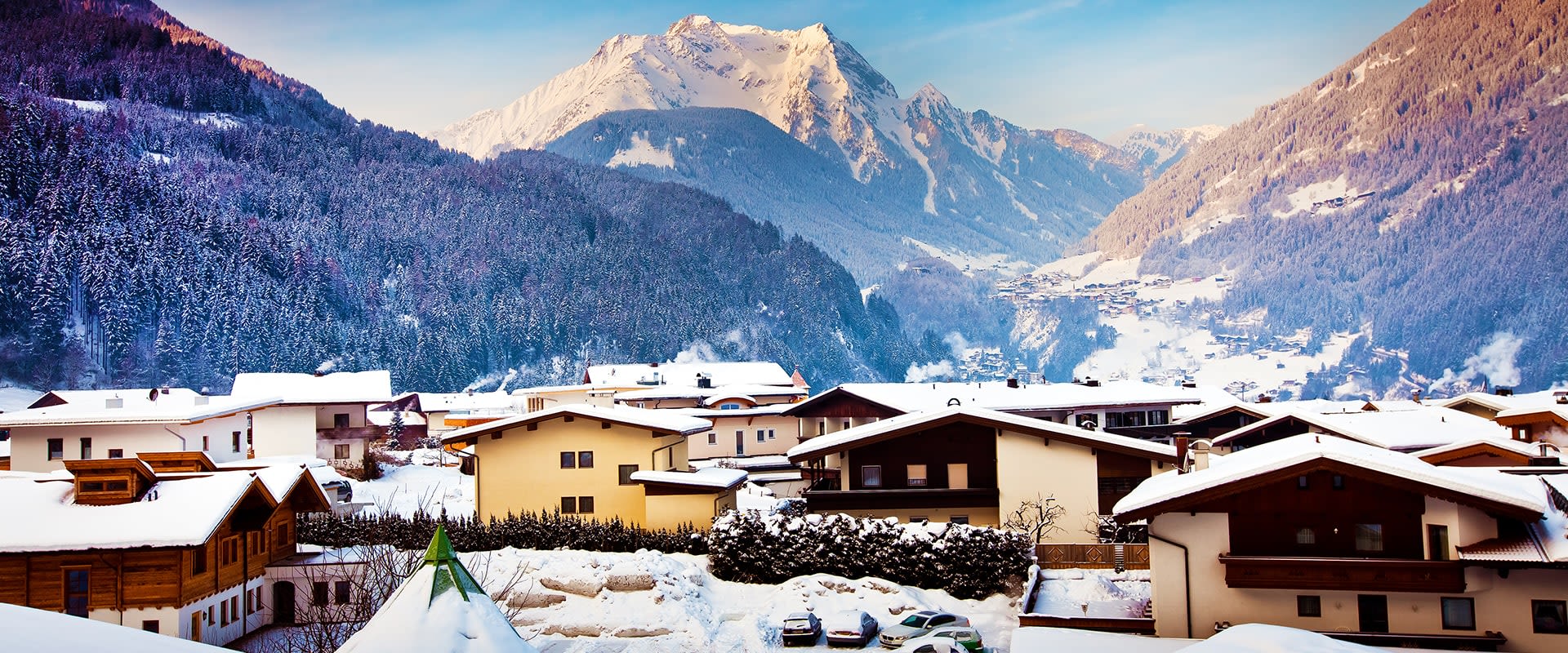
A lively valley town with 142 km of piste across Penken and Ahorn, including the Harakiri, Austria’s steepest groomed run. The skiing suits intermediates who also want a resort with a proper evening scene. Under an hour from the airport, it’s a strong pick for a short, full-on week.
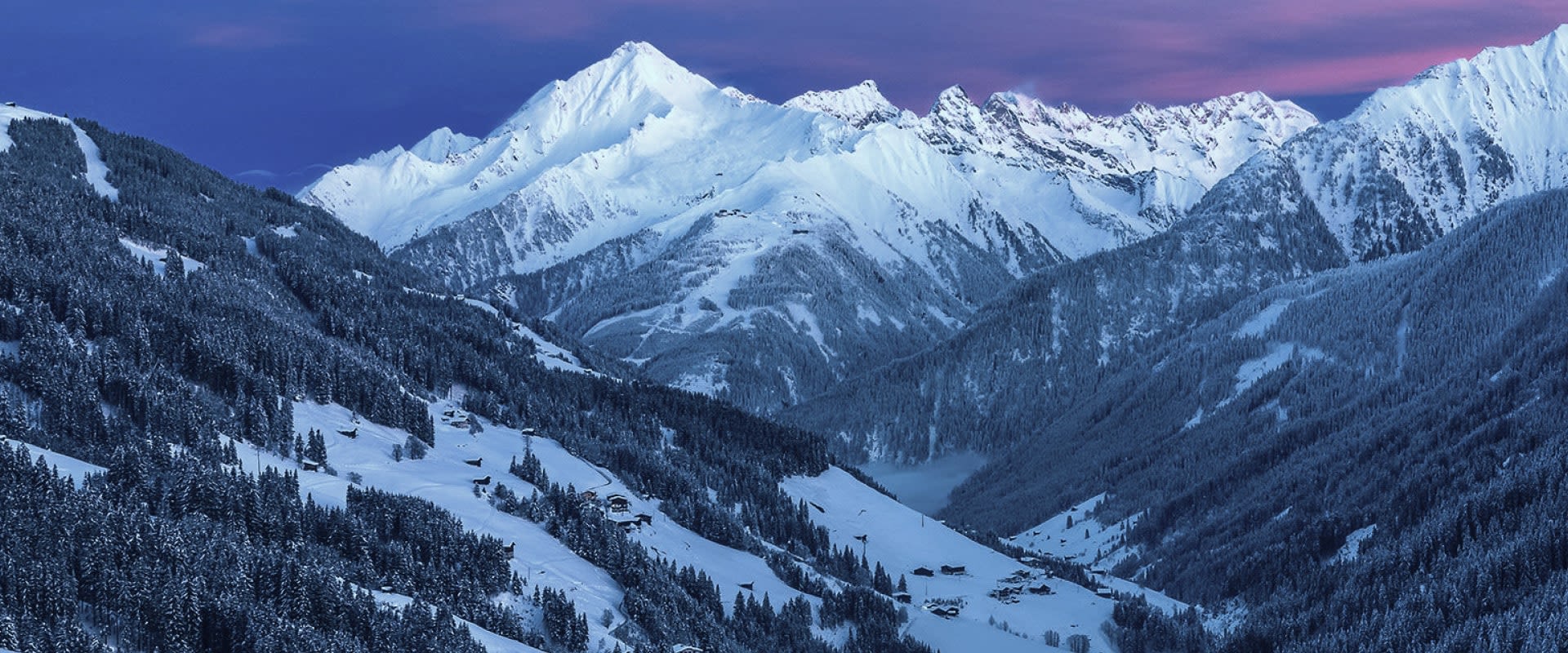
Home to Austria’s only year-round glacier, which makes Hintertux the Tyrol’s insurance policy against a thin season. The terrain spans beginner slopes to serious steeps, and the altitude guarantees snow when valleys lower down are bare. A dependable base, and a popular one for early-season trips.
East of Innsbruck, the SkiWelt links a cluster of villages into one of Austria’s largest connected circuits, while Kitzbühel adds one of skiing’s most famous names next door. All sit around an hour to 80 minutes from the airport. The gentle, sunny slopes here suit families well.

A lively entry point to the SkiWelt, one of the biggest linked circuits in the country at 270 km. The terrain is mostly easy to intermediate, which makes it approachable, and the village has a well-earned reputation for its evenings. Good value skiing on a big mountain footprint.
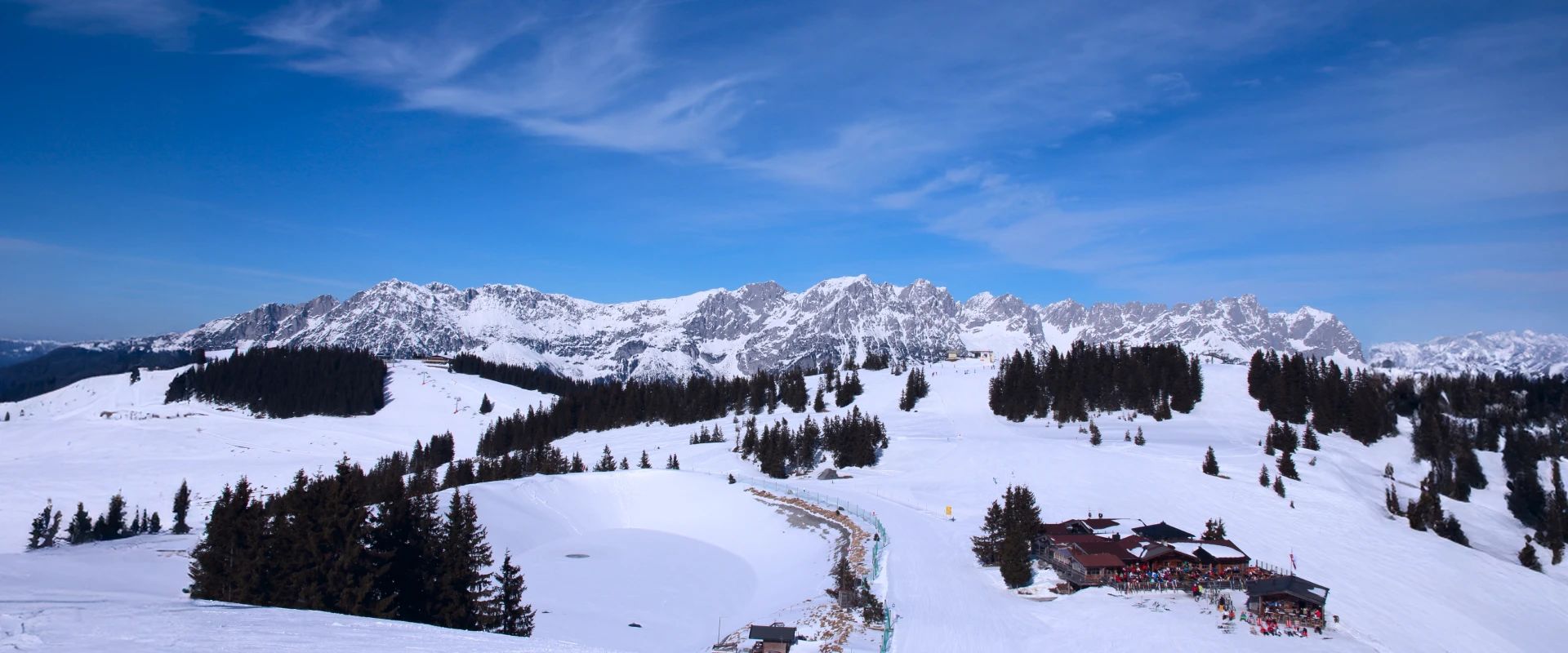
The prettiest of the SkiWelt villages and the gentlest base, with wide sunny runs rolling down towards the valley. Families settle in easily here, and the full SkiWelt circuit opens up for anyone wanting to roam. A calmer alternative to Söll on the same lift pass.
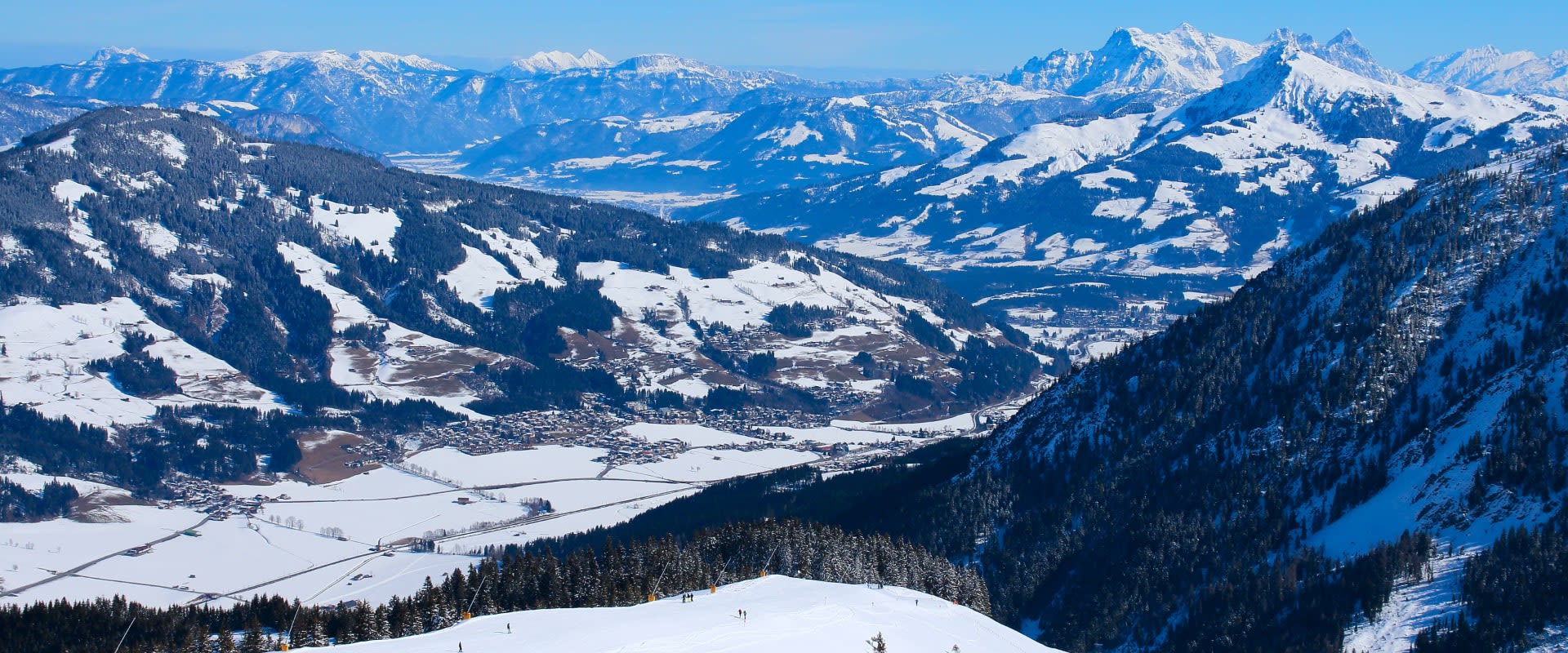
A quieter SkiWelt village with a snow record that holds up well for its altitude and a lift link that now reaches towards the Kitzbühel area. The slopes suit intermediates looking to cover plenty of ground, and the pace stays calmer than the busier bases. A practical choice for distance without the crowds.

One of the most famous names in Alpine skiing, home to the Hahnenkamm World Cup downhill. The skiing is varied and well-connected across several sectors, and the medieval town adds real character to the evenings. A resort that carries its reputation on both the terrain and the atmosphere.
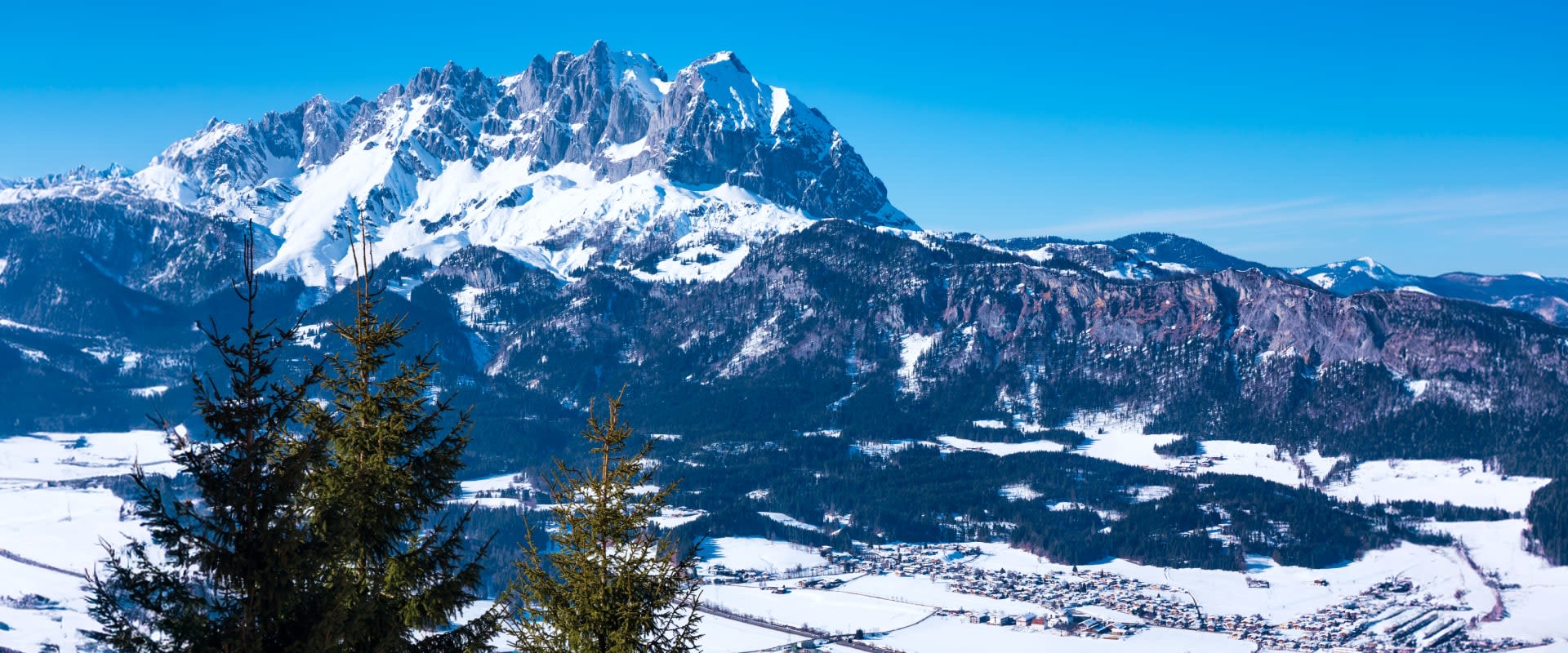
A traditional market town at the foot of the Kitzbüheler Horn, with a gentle, well-laid-out beginner area and a relaxed feel. It sits just down the road from Kitzbühel but keeps its own quieter rhythm. A sensible, good-value base for first-timers and early intermediates.
Head south over the Brenner and the Italian Dolomites open up: a little further from the airport, but a different world of grooming, scenery and long lunches. These are the ’worth the extra drive’ entries on this list.

One of the gateways to the Sella Ronda, the Dolomites’ famous circuit around the Sella massif. The runs are long and mostly intermediate, the grooming is immaculate, and the scenery does a lot of the work. A fine base for skiers who like to travel across a mountain rather than lap one.
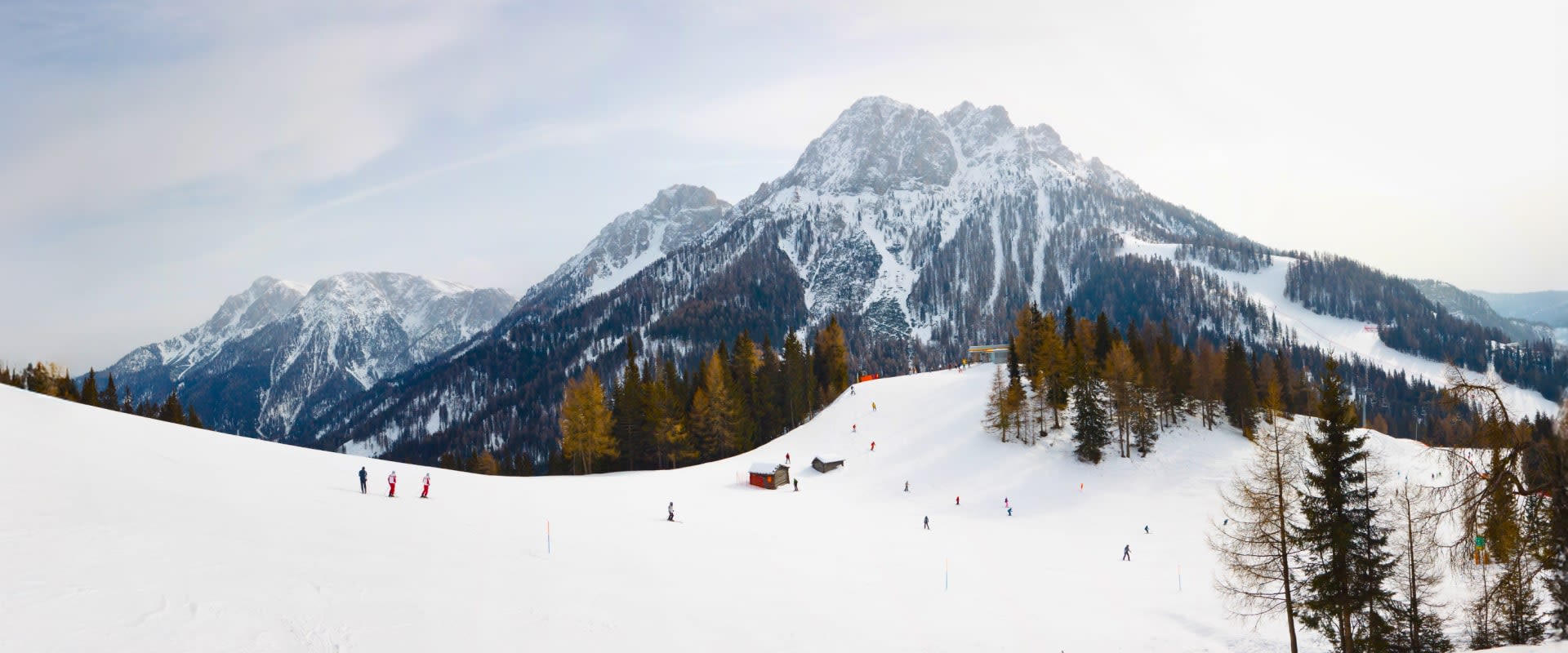
A dome-shaped mountain with runs fanning out in every direction and some of the best lift infrastructure in the Alps. The pistes are wide, beautifully groomed and well-suited to intermediates building confidence. Efficient, modern and reliably pleasant to ski.

The gentler, more indulgent corner of the Sella Ronda, with long rolling cruisers and a mountain-restaurant scene that’s a destination in itself. It’s the furthest entry here, but the terrain and the food make the drive add up for a relaxed week. Intermediates, in particular, tend to leave happy.
Seefeld and Axamer Lizum are both around half an hour by road, making them the closest proper ski areas to the terminal. Kühtai is a touch further at about 45 minutes but sits much higher, so it tends to have the better snow of the three. All of them are close enough to reach by lunchtime on your arrival day.
From Innsbruck, more than most airports. Because the nearest resorts are 30 to 60 minutes away and the terminal is small and quick to clear, an early flight realistically leaves you time to collect hire gear and get an afternoon in. The further Ötztal and Dolomites resorts are better treated as next-morning starts.
It depends which resorts you’re after. Innsbruck is the tighter gateway to the Tyrol - the Arlberg, Ötztal, Zillertal and the SkiWelt, all covered here. Salzburg is the better choice for the Ski Amade resorts further east, such as Flachau, Schladming and Obertauern. If your shortlist straddles the two, compare transfer times before you book the flight.
Yes, and more easily than many expect. Over the Brenner Pass, Val Gardena is around an hour and three-quarters, with Kronplatz and Alta Badia a little beyond that. Border crossings are open and the roads are good, so the Dolomiti Superski resorts are a realistic option from Innsbruck - just plan to ski from the next morning rather than on arrival.
Altitude decides it. The Stubai, Hintertux and Pitztal glaciers run deep into spring and open in autumn, while Obergurgl, Sölden and Kühtai all sit high enough to hold cover through the season. For an early-December or late-April trip, those are the safest bets on this list.
They are - most sit around an hour to 80 minutes east of the airport on good roads. The SkiWelt villages (Söll, Ellmau, Westendorf) and Kitzbühel itself make straightforward transfers, and the gentle, sunny terrain across the SkiWelt is a large part of why families keep coming back to this corner of the Tyrol.
Twenty-three resorts is a lot to weigh up. Tell WeSki’s AI trip planner what matters most - a transfer under an hour, glacier snow, a lively evening scene, or a gentle week for the family - and get a shortlist built around it.