
EN
EN
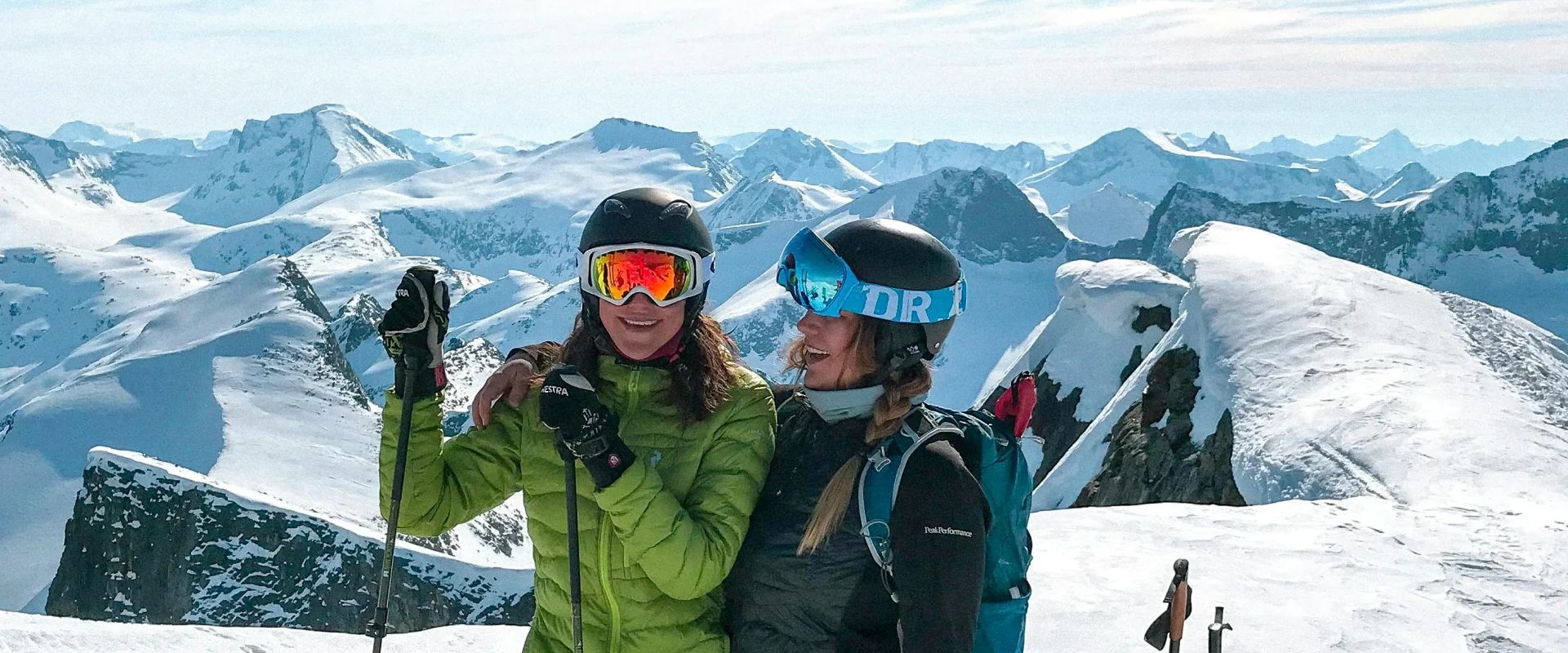
It's one of the most common questions when planning a ski holiday around Easter: will there actually be enough snow? The short answer is that at the right altitude, Easter skiing can be some of the best of the season. But that 'right altitude' caveat matters, and so does knowing what spring conditions feel like compared to midwinter. This guide covers what to expect from snow conditions at Easter, which altitude thresholds to look for, and why plenty of experienced skiers actively prefer spring over peak season. If you're ready to compare specific resorts, our list of the best ski resorts for Easter 2027 covers the top high-altitude options.
Easter moves around more than most people realise. In 2027, Easter Sunday falls on 28 March, which places the school holidays across late March. This is relatively early as Easter dates go - some years it lands in mid-April - and that's good news for skiing. Late March typically has better snow coverage than mid-April at all but the highest resorts.
The date matters because snow conditions at any given resort depend on a combination of altitude, aspect, and where you are in the season. A resort that's marginal for an April Easter might be in excellent shape for a late-March one. Snowpack by late March has had the full winter to build up, and the spring thaw cycle is usually still in its early stages at altitude. Lower resorts start showing patches of grass and slush by this point, but anything above 2,000m is typically still well covered.
For reference, here's how Easter moves over the next few years: 2027 falls on 28 March, 2028 on 16 April, and 2029 on 1 April. If you're planning ahead, the earlier Easter years give you noticeably more resort choice.
By late March, the Alps have had five months of snowfall. The upper mountain usually carries the deepest snowpack of the year - it's not unusual for resorts above 2,500m to have over three metres of settled snow on the ground. That base depth is what keeps conditions strong even as daytime temperatures rise.
What changes at Easter isn't the amount of snow, but the texture and cycle. Overnight temperatures drop below freezing and the snow surface refreezes, creating firm, fast conditions first thing in the morning. As the sun warms the slopes through the day, the surface layer softens into what's known as spring snow - smooth, forgiving, and pleasant to ski on. By late afternoon on south-facing slopes, the snow can become slushy and heavy. This daily freeze-thaw cycle creates a natural rhythm to the ski day that most people adapt to quickly.
North-facing slopes hold their snow quality longer through the day, which is worth knowing when you're planning your morning route. The difference between a north-facing red run at 10am and a south-facing one at 3pm can be dramatic - same altitude, same resort, completely different snow.
Altitude is the single most important factor in Easter ski conditions, and there are some useful thresholds to keep in mind. Resorts where most of the skiing sits above 2,000m are generally reliable for late March. Those with glacier access above 3,000m are as close to guaranteed as Alpine skiing gets.
Here's a rough guide to what different altitude bands typically look like at Easter:
Above 2,500m: Snow conditions are usually excellent. The freeze-thaw cycle keeps the surface fresh, and coverage is deep from winter accumulation. This is where most of the best Easter skiing happens.
2,000m - 2,500m: Conditions are generally good, especially on north-facing slopes. South-facing terrain at this altitude can get soft in the afternoon, but mornings are typically firm and well-groomed.
1,500m - 2,000m: Variable. Some years these altitudes hold up well through Easter, others show signs of thinning coverage. Resorts with strong snowmaking systems and north-facing orientation do better here.
Below 1,500m: Unreliable for Easter skiing. Village-level runs may be closed or patchy, and you'll likely need to take lifts to reach skiable snow. Some lower resorts close before Easter entirely.
The key takeaway: choose a resort where the majority of the ski area sits above 2,000m, ideally with glacier or high-alpine terrain above 2,500m. This narrows the options compared to a January trip, but the resorts that make the cut tend to be excellent.
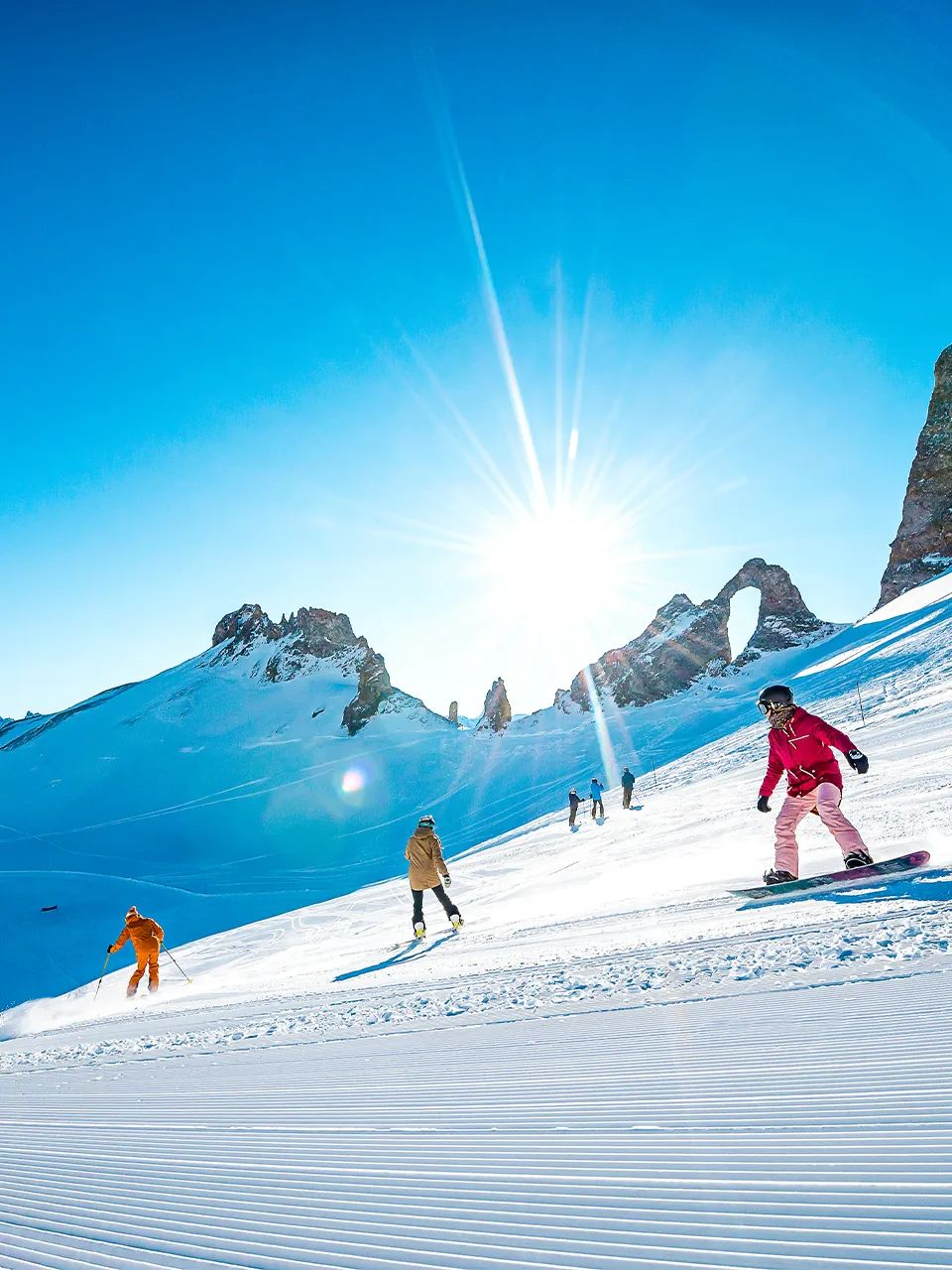
Spring skiing is a different experience from midwinter, and plenty of skiers come to prefer it. The days are noticeably longer - by late March, you're getting roughly twelve hours of daylight in the Alps, compared to about eight in December. That extra light changes the feel of the day. Mornings don't start in the dark, and you can ski until the lifts close without racing the sunset.
The temperatures are warmer, which makes the whole experience more comfortable. Queuing for lifts without windchill, skiing in a lighter jacket, eating lunch outside on a sunny terrace - these aren't small things. The mountain restaurants come alive in spring, with chairs and tables spilling out onto sun decks. It's a more sociable, relaxed version of skiing.
The snow itself feels different underfoot. That softened spring surface is more forgiving than the hard-packed or icy conditions that can catch people out in January. Falls tend to be gentler, turns feel smoother, and the snow gives slightly more feedback. Some skiers find they ski better in spring than in midwinter for exactly these reasons.
There are trade-offs. Lower runs may close early in the day. Visibility can occasionally be affected by haze or flat light on overcast days. And if the weather turns warm without an overnight freeze, conditions can deteriorate faster than in winter. But for most Easter weeks at high altitude, the spring skiing experience is something many people don't expect to enjoy as much as they do.
Glaciers are the gold standard for Easter snow reliability. Resorts with glacier skiing - Zermatt, Hintertux, Saas-Fee, Val Thorens, Tignes - have terrain above 3,000m that's essentially immune to the seasonal fluctuations affecting the rest of the mountain. Glacier snow at Easter tends to be well-consolidated, firm in the morning, and slow to soften through the day because of the altitude.
Not all glaciers are equal, though. Larger glaciers with more north-facing terrain hold their conditions better than smaller, south-facing ones. The quality of grooming matters too - well-maintained glacier runs can feel as good at Easter as they do in February, while neglected ones get bumpy and rutted.
If glacier access is important to your Easter trip, look for resorts where the glacier terrain is well-connected to the rest of the ski area rather than requiring a separate journey. Zermatt, Tignes, and Val Thorens all have glacier skiing that flows naturally into the main mountain, which means you can start your day high and work your way down as conditions allow.
Easter coincides with school holidays across the UK, France, and much of northern Europe, so it's a peak period. That said, 'peak' at Easter is a far cry from February half term. The available terrain at high-altitude resorts is still extensive, and the longer days mean the crowds spread out more across the ski day. You won't have the empty-slopes experience of a January midweek, but you also won't feel like you're queueing constantly.
Some resorts handle Easter crowds better than others. Larger ski areas like the Trois Vallees or Espace Killy absorb the numbers more easily, while smaller resorts like Obergurgl and Saas-Fee have lower crowd capacity to begin with. Austrian resorts tend to be quieter at Easter than French ones, partly because the Austrian school holidays often fall at different times.
Timing your day helps too. The spring skiing rhythm naturally reduces crowding - early birds get the best snow and the emptiest slopes, while the terrace crowd tends to slow down after lunch. By 2pm, the combination of warming snow and tired legs thins the slopes noticeably.
Easter is one of the busiest booking periods for ski holidays, and accommodation at the most popular high-altitude resorts fills up early. If you're set on a specific resort, booking three to six months ahead gives you the best choice of accommodation and transfer options. The most in-demand places - Val Thorens, Zermatt, Val d'Isere - can sell out their best accommodation well before Christmas.
Booking earlier also tends to give you more flexibility with travel dates. The Easter school holidays vary slightly across different UK regions, and flying on less popular days can make a noticeable difference to your options. If you're flexible on resort, booking a month or two ahead can still work, but your choice will be narrower.
One thing worth factoring in: ski holiday packages that bundle flights, transfers, accommodation, and lift passes tend to represent better value than piecing everything together separately, especially during peak periods when individual components get more expensive. The convenience factor at Easter - when you want everything confirmed and sorted - is worth something too.
Follow the sun (strategically). Start your day on north-facing slopes where the snow is still firm and fast. Save south-facing terrain for late morning when it's softened to spring-snow perfection. By early afternoon, head back to higher or north-facing runs as the south-facing slopes become slushy.
Pack lighter layers. Spring skiing at altitude can still be cold first thing, but by midday you'll want to strip down. A lighter mid-layer and good ventilation zips in your jacket make more difference at Easter than in midwinter. Sunscreen is essential - UV at altitude is significantly stronger in spring, and reflection off the snow amplifies it.
Adjust your ski day. The best spring snow is between about 9am and 1pm. Many experienced skiers start early, ski hard through the morning, have a long lunch on a sunny terrace, and call it a day by mid-afternoon. It's a more civilised rhythm than the dawn-to-dusk approach of midwinter, and the skiing quality is often better for it.
Check closing dates before booking. Not every resort stays open through Easter. Lower-altitude resorts may close in mid-March or early April, even in good snow years. Confirm the planned season end date for any resort you're considering - the resorts in our Easter list all have strong track records of staying open well beyond Easter week.
Easter can work well for beginners, with a couple of things to keep in mind. The spring snow is softer and more forgiving than midwinter conditions, which many beginners find easier to learn on. However, nursery slopes at lower altitudes may be patchy, so choose a resort with high-altitude beginner areas. Resorts like Obergurgl and Cervinia have nursery slopes above 2,000m that stay in good shape through Easter. Ski schools run as normal during the Easter holidays.
Easter is one of the most popular times for family ski holidays, and many resorts run full children's programmes through the school holidays. The warmer weather and longer days make it more comfortable for younger children who feel the cold, and the softer snow is gentler for learning. The main consideration is choosing a high-altitude resort where conditions are reliable - children's ski areas at lower elevations can sometimes struggle by late March.
February typically has colder temperatures, shorter days, and newer snow - but also the biggest crowds and the highest prices of the season. Easter has warmer weather, longer days, a deeper settled snowpack at altitude, and a noticeably more relaxed atmosphere. The snow texture is different - spring snow rather than fresh powder - but many skiers find the conditions more enjoyable. If you're comfortable skiing at altitude and enjoy a warmer, more sociable mountain experience, Easter has a lot going for it.
Unusually warm weather can accelerate the spring thaw, particularly at lower altitudes. At high-altitude resorts above 2,000m, a warm Easter usually means the freeze-thaw cycle speeds up - softer afternoons, earlier slush on south-facing slopes - but the morning skiing and glacier terrain remain strong. The resorts in our list are chosen specifically because they handle warm weather better than lower alternatives. If you're concerned, glacier-equipped resorts like Zermatt, Hintertux, and Saas-Fee are the most weather-proof options.
You don't need fundamentally different equipment, but a few adjustments help. Lighter layers are more comfortable than the heavy insulation you'd want in January. Good sunglasses or goggles with a lighter lens tint improve visibility in the brighter spring conditions. High-factor sunscreen and lip balm are essential - the spring UV combined with snow reflection can cause sunburn quickly, even on overcast days. A buff or neck gaiter is useful for early mornings when it's still cold.
Ready to find the right resort for your Easter trip? WeSki’s AI trip planner can match you to high-altitude resorts with strong spring conditions in seconds



WeSki is a trading name operated by Wetrip Weski Ltd (BR021500). All the flights and flight-inclusive holidays on this website are financially protected by the ATOL scheme. When you pay you will be supplied with an ATOL Certificate. Please ask for it and check to ensure that everything you booked (flights, hotels and other services) is listed on it. Please see our booking conditions for further information or for more information about financial protection and the ATOL Certificate go to: www.caa.co.uk.
Package holidays that do not include travel by air are financially protected via ABTOT.
For the latest travel advice from the Foreign & Commonwealth Office visit www.gov.uk/foreign-travel-advice.