
EN
EN
 Hidden gem
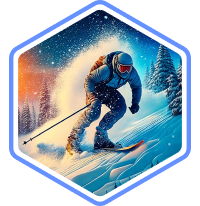 Off-piste skiing
 Stunning viewsHidden gemOff-piste skiingStunning viewsHidden gemOff-piste skiingStunning viewsHidden gemOff-piste skiingStunning views
Discovery Ski Area, or "Disco" as the locals call it, is one of the best-kept secrets of skiing in the United States. Tucked high in the mountains of southwest Montana, it's a big, unpretentious mountain with a devoted local following and a wonderfully laid-back feel. At its heart is a friendly base lodge, and around it spread wide-open slopes and long stretches of quiet snow, with the peaks of the surrounding wilderness rolling away in every direction. It all adds up to an authentic, unhurried kind of ski holiday, with big-mountain days on the snow and a real taste of small-town Montana winter off it.
For a mountain of its size, Disco packs in plenty of variety. It spreads across two peaks and four faces, more than 900 hectares of terrain in all, rising to a summit of around 2,485 metres with a vertical drop of over 700 metres. That scale leaves room for a proper spread of skiing across every level. Beginners and intermediates tend to stay on the front side, where wide, gently rolling groomed runs are easy to cruise and ideal for building confidence. Strong skiers gravitate to the back side, a steeper, mostly ungroomed world of open bowls, chutes, glades, and mogul runs that ranks among the most challenging lift-served skiing in Montana. Sitting high and inland as it does, the mountain catches the light, dry powder the Rockies are famous for, and the cold keeps it soft long after it falls. Expect a season running from late November into early April.
Part of Disco's charm is where it puts you, in a real Montana winter landscape of frozen lakes, wild forest, and the historic mining towns of Philipsburg and Anaconda. Both towns are a draw in themselves. Philipsburg is a lovingly restored old mining town, with a colourful main street, a famous sweet shop, local breweries, and even sapphire hunting. Anaconda, built on copper, wears its industrial past proudly and has grown into a welcoming outdoor base with good places to eat and drink. There's no lodging on the mountain itself, so most visitors base themselves in one of those areas and head up to the mountain for the day. Right below the slopes, Georgetown Lake freezes solid for ice fishing and snowmobiling, while the surrounding wilderness is laced with trails for snowshoeing and cross-country skiing. Between the mountain, the lake, and the towns, there's more than enough to fill the days you're not chasing powder.
Check out Discovery Ski Area ski deals to start planning your trip.
Discovery Ski Area, or "Disco" as the locals call it, is one of the best-kept secrets of skiing in the United States. Tucked high in the mountains of southwest Montana, it's a big, unpretentious mountain with a devoted local following and a wonderfully laid-back feel. At its heart is a friendly base lodge, and around it spread wide-open slopes and long stretches of quiet snow, with the peaks of the surrounding wilderness rolling away in every direction. It all adds up to an authentic, unhurried kind of ski holiday, with big-mountain days on the snow and a real taste of small-town Montana winter off it.
For a mountain of its size, Disco packs in plenty of variety. It spreads across two peaks and four faces, more than 900 hectares of terrain in all, rising to a summit of around 2,485 metres with a vertical drop of over 700 metres. That scale leaves room for a proper spread of skiing across every level. Beginners and intermediates tend to stay on the front side, where wide, gently rolling groomed runs are easy to cruise and ideal for building confidence. Strong skiers gravitate to the back side, a steeper, mostly ungroomed world of open bowls, chutes, glades, and mogul runs that ranks among the most challenging lift-served skiing in Montana. Sitting high and inland as it does, the mountain catches the light, dry powder the Rockies are famous for, and the cold keeps it soft long after it falls. Expect a season running from late November into early April.
Part of Disco's charm is where it puts you, in a real Montana winter landscape of frozen lakes, wild forest, and the historic mining towns of Philipsburg and Anaconda. Both towns are a draw in themselves. Philipsburg is a lovingly restored old mining town, with a colourful main street, a famous sweet shop, local breweries, and even sapphire hunting. Anaconda, built on copper, wears its industrial past proudly and has grown into a welcoming outdoor base with good places to eat and drink. There's no lodging on the mountain itself, so most visitors base themselves in one of those areas and head up to the mountain for the day. Right below the slopes, Georgetown Lake freezes solid for ice fishing and snowmobiling, while the surrounding wilderness is laced with trails for snowshoeing and cross-country skiing. Between the mountain, the lake, and the towns, there's more than enough to fill the days you're not chasing powder.
Check out Discovery Ski Area ski deals to start planning your trip.
Skiing at Discovery is a proper big-mountain experience without the big-resort polish, and it's the terrain that does the talking. The hill splits neatly into two sides with very different personalities. Rolling down from the base lodge, the front face is all wide, well-groomed cruisers, the kind of forgiving, confidence-building runs that beginners and intermediates can lap happily all day. Behind it, the back side is another world, dropping away into steep powder bowls, tight chutes, and gladed tree runs that are ungroomed, demanding, and home to some of the steepest lift-served pitches in Montana. With both on one mountain, a mixed group can split off in the morning and meet back up over lunch, everyone having found their level.
The snow is the real prize here: proper Rocky Mountain powder, light and dry, kept cold and soft by the elevation. There's little snowmaking, so the mountain leans on what falls naturally, which at this height is plenty. Getting around is refreshingly simple, too. A handful of chairlifts, most of them older triples and doubles rather than modern high-speed lifts, fan you out from the base, with dedicated chairs serving the back side so you can lap the steep stuff without long connections between runs. One thing worth knowing is that a few of the traverses, particularly those linking to and from the back side, run fairly flat, so carry your speed across them and you'll save yourself a bit of skating.
Important for international visitors: If you’re used to the European system, North American trail ratings work a little differently. Green circles are the beginner runs, much like European greens and easy blues. Blue squares cover intermediate terrain but span a wider range than European blues, with some closer to a European red. Black diamonds mark advanced runs, and double black diamonds are for experts only. There's no direct equivalent to the European red. It's worth keeping in mind at Discovery, where a good deal of the terrain sits at the advanced and expert end, so the blacks and double blacks here are not to be taken lightly.
Discovery leans firmly towards intermediate and advanced skiing, with more than half the mountain graded black or double black, so the beginner terrain is the smaller part of the picture. What's there, though, is well suited to learning. The gentlest runs are gathered right above the base lodge on the front side, a self-contained area of wide, gently sloping greens served by their own lift and a couple of carpets, so first-timers have an easy, low-pressure place to start. These runs tend to be quiet and uncrowded, which gives you plenty of room to get comfortable. The pick of them is Gold Bug, a wide, mellow cruiser that stays close to the lodge the whole way down and has been the run Disco locals learned on for generations. When you're ready for some guidance, the ski school runs group and private lessons for all levels, first-timers included.
What makes Discovery a rewarding place to learn is how naturally you can progress. Once the greens feel comfortable, the front side opens up a gentle ladder of steeper terrain, from wide, well-groomed blues up to a few entry-level blacks, all reached from the same lifts, so you can push yourself a little further each day without leaving the part of the mountain you know. A beginner who catches the bug has somewhere to grow into here, rather than quickly running out of runs.
WeSki insider tip: Gold Bug has a scattering of widely spaced trees dotted across it, gentle, groomed around, and easy to weave between. It makes the run the perfect place to try your very first turns among the trees with none of the usual risk, a fun rite of passage before you take on the real thing higher up.
Intermediates are well looked after at Discovery, where the front side is given over to long, flowing blue groomers with plenty of vertical to open up on. These are proper cruising runs, wide and beautifully maintained, and the views only get better the higher you climb, out over Georgetown Lake and the peaks beyond. Winning Ridge, the mountain's longest run, follows a scenic ridgeline for well over two kilometres, while the Claim Jumper and Southern Cross pairing links into a satisfying, rolling descent. For an intermediate wanting to put in the kilometres and polish their technique, there's more than enough here to keep you busy for days.
Discovery is also a natural place to step up a level. When the front-side blues start to feel easy, the upper mountain serves up blues with more pitch that ask for tidier, more committed turns, and from there the move onto the gentler blacks feels like a small, manageable step rather than a leap. Several of them ski more like a demanding red, well within reach of a confident intermediate ready to test themselves. Higher up, the terrain opens out above the treeline into wide, rolling snowfields where you can let your turns run long, a first taste of proper big-mountain skiing while still on comfortable ground.
WeSki insider tip: When you fancy trying Disco's steeper side, head for the Granite Chair rather than assuming the whole back of the mountain is experts-only. Its blacks are groomed smooth, so you get the pitch, the big-mountain feel, and the views without the moguls and ungroomed chutes of the true expert terrain next door. It's the ideal stepping stone up.
With more than half the mountain graded advanced or expert, this is the terrain Discovery is really known for, and there's a huge amount of it to get stuck into. The back side drops away from the summit ridge into wide powder bowls, steep chutes, and gladed tree runs, much of it left ungroomed. If you like your skiing steep and committing, point yourself towards the East Bowl off the Limelight lift, where narrow, tree-lined chutes open out into powder fields below. Take on runs like Catch-A-Wave and The Fingers and you'll find tight trees, small cliff drops, and just about every aspect and pitch going. This is proper big-mountain skiing, so you'll want to be a confident, sure-footed skier before you drop in.
The double-black chutes and bowls up here are the real test, with cliff bands, the odd mandatory drop, and pockets of powder tucked into north-facing trees that stay cold and soft well after a storm. There are no high-speed lifts on this side of the mountain, so you earn your descents on older, steady chairs, though few skiers who make it round the back mind the trade for terrain this good.
WeSki insider tip: The steepest terrain, the East Bowl double blacks, is served entirely by its own lift, the Limelight. That means you can lap the chutes over and over on a single chair, without traversing out or riding two lifts to get back, so once you've found a line you like, you can session it all day. Just be aware that these runs hide rocks and cliffs, so it's worth following someone who knows them on your first few laps.
Snowboarding is very much part of the fabric here. The whole hill is open to riders, from the gentle front-side greens to the wildest terrain out the back. For freeriders in particular it's a real treat, thanks to a back side that's a natural playground of open powder bowls, steep chutes, and gladed tree runs, the kind of ungroomed terrain a snowboard was made for. Up front, the wide, well-groomed runs leave plenty of room to lay out long, fast carves.
For freestyle, there are two terrain parks to session. Pentecost, on the Gold Bug run, is the more relaxed of the pair and runs daily, with smaller jumps and rails that suit riders getting into the park. Sunnyvale, over on Sapphire, steps things up with bigger, more advanced features later in the week. One rider-specific thing to keep in mind: a few of the connecting traverses, particularly those to and from the back side, run flat, so carry your speed across them to avoid an awkward shuffle or having to unstrap.
Off-piste is where Discovery is at its best, and it's the main reason so many advanced skiers make the trip. Almost all of it is on the back side, a huge, largely ungroomed expanse that rewards exploring. Drop into the East Bowl and you'll find tight, tree-lined chutes that spill out into wide-open powder fields, with cliff bands and gullies to pick your way through and enough different aspects and pitches to keep you busy for days. Runs like Catch-A-Wave and The Fingers pack in just about every kind of natural terrain going, from steep, technical lines to mellower glades where the evergreens are spaced for flowing, rhythmic turns. Because the snow here is light and dry and there's so much backside terrain to spread across, fresh lines can still be found days after it last fell.
None of this is to be taken lightly. Even within the ski-area boundary, the backside terrain hides rocks and cliff bands beneath the snow, so it pays to follow someone who knows the lines on your first few runs and to keep a partner in sight. Beyond the boundary, the neighbouring Anaconda-Pintler Wilderness opens up proper backcountry touring, but that's a serious step into uncontrolled avalanche terrain. Head out only if you're properly trained and carrying a beacon, probe, and shovel, ideally with a guide or someone who knows the area well, and always check the local avalanche forecast first.
Discovery's ski and snowboard school runs group and private lessons for all ages and abilities, from first-timers on the front-side greens to seasoned skiers and riders. The stand-out option for improvers is the school's clinics for intermediate and advanced skiers and boarders, a great way to build the technique and confidence to take on Discovery's steeper terrain and make the most of the back side. Private lessons, meanwhile, can be tailored to whatever you want to work on, from carving and bumps to trees or your first runs off the back.
Discovery has two terrain parks, both reached from the Jubilee lift. Pentecost, on the Gold Bug run, is the everyday park, with beginner-friendly boxes, rails, and small jumps that are ideal for finding your feet in freestyle. Sunnyvale, over on the Sapphire run, is the bigger of the two, stepping up to larger jumps and more technical rails for confident park riders, and it runs later in the week.
Discovery makes a lovely, low-stress choice for a family holiday, the sort of friendly, easygoing mountain where it's simple to keep everyone happy. It's small enough to feel manageable with children in tow, yet varied enough to give every member of the family their own kind of day, gentle greens for the little ones and serious terrain for older kids itching for a challenge. There's a warm, community feel here, a good ski school to get beginners started, and plenty of room on the hill, so parents can breathe easy while everyone finds their level.
On the snow, the front side is where family days take shape. Its wide, gentle greens give children space to learn and grow in confidence, and the ski school runs programmes for all ages, from first-timers to more capable young skiers. As they improve, the front side offers a natural step up through the blues, and kids who already ski well have the whole mountain to grow into, from the steeper blacks to the backside bowls and the natural terrain that makes Disco such an adventure for a confident young skier or rider. For anyone drawn to jumps and rails, the terrain parks add a freestyle playground to the mix.
Off the slopes, a Discovery trip has plenty to offer. Right below the ski area, Georgetown Lake freezes over for ice fishing and snowmobiling, and there are cross-country and snowshoe trails through the forest nearby. A short drive away, Fairmont Hot Springs is a favourite family stop, with big indoor and outdoor mineral pools and a long enclosed water slide that kids adore. The historic towns bring their own charm. Philipsburg has an old-fashioned sweet shop and a gallery where you can pick through locally mined sapphires, both a hit with children, while Anaconda has an ice rink in its downtown along with shops, a cinema, and places to eat. Dining leans towards hearty, welcoming spots, from the base lodge's home-cooked cafeteria food during the ski day to the friendly restaurants and breweries in the towns come evening.
Off the slopes, Discovery keeps you firmly in the great outdoors, in a wild, wide-open corner of Montana where the days revolve around frozen lakes, forest trails, and two historic mining towns down the valley. There's snowmobiling and ice fishing, cross-country trails and quiet snowshoe walks, hot springs to soak in, and the small-town charm of Anaconda and Philipsburg, with their breweries, sweet shops, and copper-country heritage. Here's what's worth seeking out.
Dining around Discovery is honest Montana fare, hearty and unpretentious, built around good local beef, game, and proper comfort food. On the mountain, the base lodge cafeteria keeps things simple with burgers, homemade soups, chilli, and fresh-baked treats to refuel between runs. For dinner, it's worth heading into Anaconda or Philipsburg, where the old mining towns keep alive a real supper-club tradition of steaks and seafood, alongside cosy cafes, family diners, and characterful brewery taprooms. It's warm, easygoing, generous cooking, the sort of food that rounds off a cold day on the hill nicely.
WeSki insider tip: Look out for a pasty (say it "pass-tee"), the folded pastry parcel of beef, potato, and onion that Cornish miners brought to these copper towns generations ago. It's the local dish here, a proper handheld lunch made for a cold day, and you'll find it done well around Anaconda and Butte.
Après-ski at Discovery is a low-key, down-to-earth affair. As the lifts wind down, the base lodge bar is where everyone gathers, a warm, easygoing spot for a cold beer and some simple food while you thaw out after the last run. The mountain itself keeps things to that one bar, so the evening proper unfolds down in the towns. Anaconda has the fuller line-up, with a craft brewery, a couple of characterful old bars, and a good spread of restaurants, while Philipsburg, over the other side of the mountain, has its own brewery and a pretty, historic main street dotted with places to eat and drink. It all makes for a relaxed, sociable sort of evening: a good meal, a local beer, and an early night before another day on the snow.
Après-ski spots to know:
Accommodation for a Discovery trip is spread across three spots, each with its own feel. There's Georgetown Lake, right below the ski area, plus the two historic towns of Anaconda and Philipsburg. Down by the lake you'll mostly find self-catering cabins, lodges, and holiday rentals, many with wood-burning stoves and mountain views, for a proper Montana cabin stay. Anaconda, the largest of the three, has the widest choice, from motels and small hotels to guesthouses and rentals. Philipsburg leans towards characterful stays in its beautifully restored old centre, with B&Bs, historic hotels, and cabins that suit anyone after a bit of small-town charm.
Where you base yourself comes down to what you're after. Georgetown Lake puts you closest to the slopes and drops you in a peaceful, scenic setting on the shore of a frozen mountain lake, ideal if you want to self-cater and wake up surrounded by nature. Anaconda is the most practical choice for a longer stay, with the fullest range of restaurants, bars, shops, and services on hand, and plenty to do on a day off the mountain. Philipsburg is the one for character, its postcard main street lined with sweet shops, galleries, and a brewery, so the town itself becomes part of the holiday.
A Discovery lift ticket is refreshingly simple: one ticket gives you the run of the whole mountain, every lift and all 67 runs across both peaks, from the gentle front-side greens to the steep terrain out the back. Tickets come as single days or multi-day options, the latter working out better if you're skiing more than a day or two, and everything runs on a reusable Discovery Lift Card. Discovery is proudly independent, running its own lift ticket rather than joining the big multi-resort networks. So if you hold an Ikon, Epic, or Indy Pass, do note it won't cover you here.
When you book your Discovery Ski Area holiday through WeSki, we can sort out family and multi-day ticket options to suit your trip.
Ski and snowboard hire is available at the Discovery base lodge, with packages ranging from beginner setups to performance gear, plus boot fitting and a quick-wax service. It's the most convenient option by far, right at the foot of the slopes, though it's worth knowing the rental shop works largely on reservations, so book your kit ahead, especially over the holidays. If you'd rather sort everything before you set off, the drive in usually takes you through Butte or Missoula, both of which have well-stocked outdoor shops where you can pick up gear on the way.
Discovery sits up on Highway 1, the Pintler Scenic Route, between Anaconda and Philipsburg, tucked into national forest with no village and no public transport to speak of, so the easiest way to do a trip here is with a hire car. It gives you the freedom to drive up to the slopes each morning and head out for dinner or to explore the towns in the evening, all on your own schedule, which is why we'd suggest arranging one as part of your trip. The main roads are well maintained and cleared through the winter, though the mountain approach can be slow going during and after a storm, so take it steady and allow a little extra time in fresh snow.
The base itself is a compact, easygoing affair. You turn off the highway and wind up through a scatter of cabins and forest to a car park right at the foot of the lifts, where a single day lodge holds the cafe, bar, rental shop, and ticket kiosks, everything a few steps from the snow. There's no accommodation up here, so you'll be staying down the valley and driving in. Georgetown Lake is closest, at around 10 to 15 minutes, with Anaconda about half an hour one way and Philipsburg roughly the same in the other direction, around the back of the mountain.
The nearest airport is Bert Mooney Airport (BTM) in Butte, around 80km to the east, though its commercial service is fairly limited. About 145km to the northwest, Missoula Montana Airport (MSO) offers a wider choice of flights. Both connect through major US hubs, so international travellers can route in via the likes of Seattle, Denver, or Salt Lake City. Bozeman Yellowstone International Airport, the busiest in the state, has the widest choice of flights of all, though it sits a good deal further from the resort. However you arrive, hiring a car at the airport is the simplest way to finish the journey, following Highway 1 through some classic Montana scenery to the mountain.
WeSki can arrange car hire from the airport or a private transfer to Discovery Ski Area, ready to add to your holiday package when you book.
Discovery has dedicated beginner terrain on the front side, with gentle green runs gathered near the base lodge and a ski school that runs solid programmes for all levels. The slopes tend to be quiet, which makes for a comfortable, low-pressure place to learn. That said, the mountain leans strongly towards intermediate and advanced skiing, with more than half the terrain graded black or double black. Beginners will enjoy the front-side greens and have room to progress onto the blues, though a group made up entirely of first-timers will find more dedicated beginner terrain at a bigger learning-focused resort.
North America uses a different system from Europe. Green circles are beginner runs, broadly equivalent to European greens and easy blues. Blue squares cover intermediate terrain but span a wider range than European blues, so a confident intermediate may find some US blues quite testing. Black diamonds are advanced, and double black diamonds are expert only, often with sustained steeps, cliffs, or chutes. There's no direct equivalent to the European red.
Discovery's high elevation and cold, inland position bring the dry, light powder the Rocky Mountains are known for. Annual snowfall averages around 5 to 5.5 metres, and the cold keeps the snowpack in good condition through the season. There's limited snowmaking, so the mountain relies mainly on natural snow, which does mean conditions can vary, but when it's on, the quality of the powder is a big part of the appeal.
Discovery is smaller and simpler in its facilities than the likes of Big Sky, Whitefish, or Bridger Bowl, but its terrain punches well above that. The back-side bowls and expert chutes stand comparison with anything in the state, and the mountain covers a big area for somewhere so low-key. What sets it apart is the relaxed, unpretentious feel and the sense of space on the hill. What you trade away is resort infrastructure: high-speed lifts, extensive snowmaking, and a slopeside village.
Discovery suits families with a mix of abilities. The front side looks after beginners and intermediates, while stronger family members can head out to the challenging back side, and the ski school takes children from around age three. The feel is friendly and easygoing, and it's simple to keep everyone together around the one base lodge. Off the snow there's plenty within reach too, from Georgetown Lake and the Fairmont Hot Springs pools to the sweet shops and sapphire panning of the historic towns, so a family trip here easily fills the days off the mountain.
The scene is low-key and local. Anaconda has a brewery, a wine bar, and a few characterful old bars, along with supper clubs and restaurants for the evening, while Philipsburg adds its own brewery and a handful of places to eat along a pretty, historic main street. It's small-town Montana: relaxed, friendly, and easygoing. If a craft beer by a wood stove after a big powder day sounds like your kind of evening, you'll feel right at home.
In practice, yes. Discovery is reached off Highway 1 with no village or public transport nearby, so you'll want your own vehicle to get to the slopes, out to dinner, and anywhere else during your stay. The main roads are well maintained and cleared through the winter, though the mountain approach can be slow going in a storm. Most visitors hire a car from Butte or Missoula airport for the trip.
 4.9/5
4.9/5I usually book flights, transfers, hotel, ski rental and lift passes myself but this year used WeSki for a trip to Morzine. It was so much easier. Everything worked perfectly - transfers arrived on time and there was plenty of feedback throughout the whole process giving you confidence the holiday would go smoothly.

A really useful service that is so much easier to use than other 'all-inclusive' sites. It nicely bridges the gap between a travel agent and booking the trip yourself online. I will use WeSki every time I go skiing from now on.
We booked a late minute skiing trip to Morzine through we ski. We looked at booking the trip ourselves but could get anywhere near the price quoted by we ski. The company was excellent and we had no problems at all from start to finish. I would definitely use them to book another weekend skiing trip.
Seamless experience from start to finish. I was spending ages trying to sort out a weekend break and managed to do it with we ski in minutes and for the same price as booking it all up yourself. Flight, transfer and accommodation was all as expected and faultless.

WeSki is a trading name operated by WeTrip Ltd. All the flights and flight-inclusive holidays on this website are financially protected by the ATOL scheme. When you pay you will be supplied with an ATOL Certificate. Please ask for it and check to ensure that everything you booked (flights, hotels and other services) is listed on it. Please see our booking conditions for further information or for more information about financial protection and the ATOL Certificate go to: www.caa.co.uk.
Package holidays that do not include travel by air are financially protected via ABTOT.
For the latest travel advice from the Foreign & Commonwealth Office visit www.gov.uk/foreign-travel-advice.