EN
EN
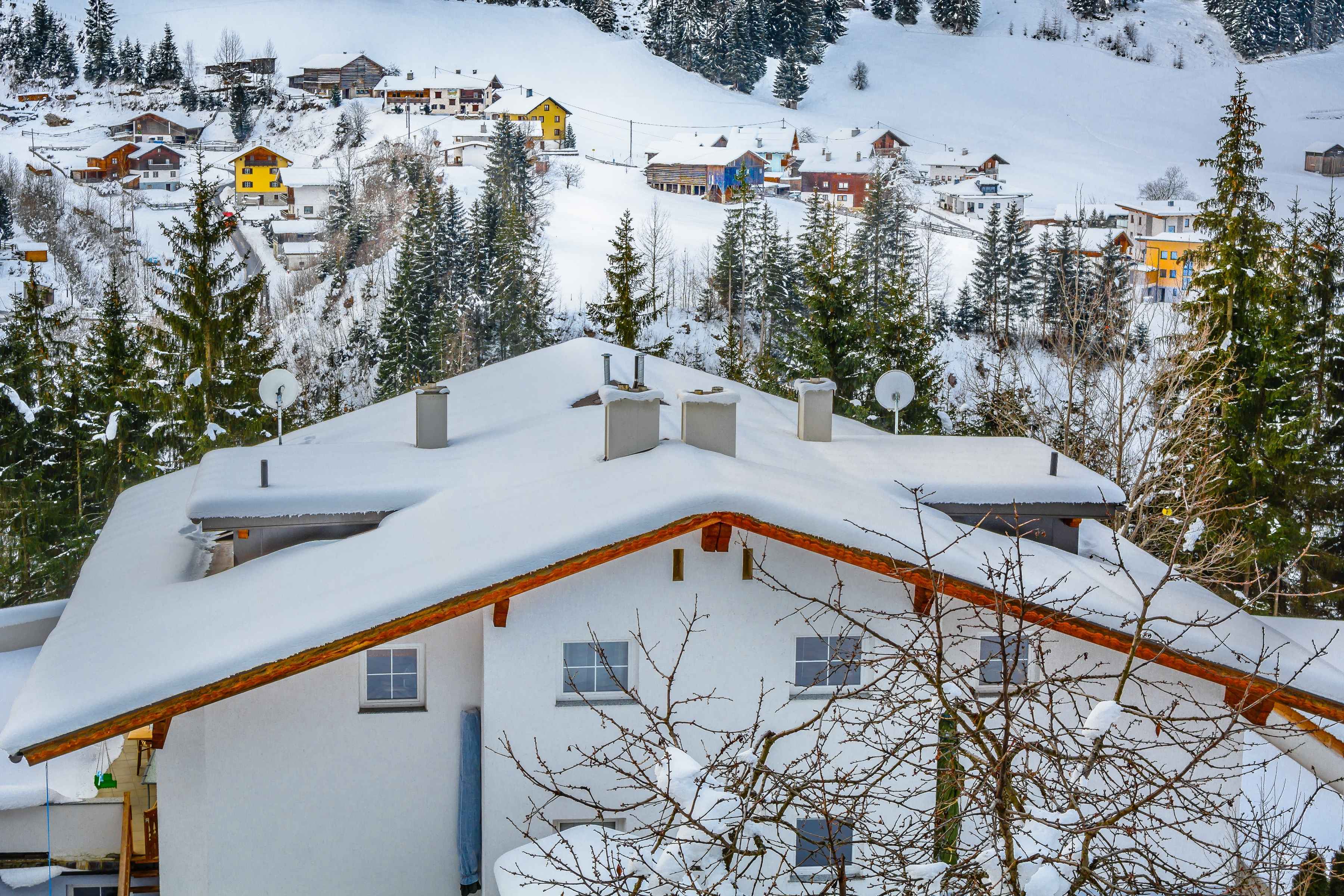
Ischgl and Samnaun sit on opposite sides of the same mountain range, in two different countries, and they share one ski area: the Silvretta Arena, around 240 km of high, linked pistes running across the border between Tyrol and Graubünden. On the slopes the two are one resort. In the evening they could hardly be further apart. Ischgl is a compact, upmarket Tyrolean village with one of the biggest après scenes in the Alps and lifts leaving from the centre. Samnaun is a string of small Swiss hamlets in a remote valley, quieter, higher, and the only duty-free village in Switzerland. There is no quick road between them, so the base you pick shapes your whole week. This guide compares the pass, terrain, snow, villages, après, families, experts and getting there, so you can choose the side that suits you.
Choose Ischgl for: one of the liveliest après scenes in the Alps, gondolas straight from the village into the heart of the ski area, the steepest pistes and ski routes on your side of the mountain, and a busy, polished village that works well for groups who want the skiing and the nights out in equal measure.
Choose Samnaun for: quiet evenings in a higher, smaller village, a nursery area at village level, duty-free shopping on the doorstep, and calm, uncrowded mornings that suit families and couples - with the whole Silvretta Arena still on the pass.


| Feature | Ischgl | Samnaun |
|---|---|---|
| Country | Austria (Tyrol) | Switzerland (Graubünden) |
| Shared ski area | Silvretta Arena - around 240 km of pistes | Silvretta Arena - around 240 km of pistes |
| Village altitude | 1,377 m | Around 1,700 - 1,840 m across its hamlets |
| Highest lift | 2,872 m (Greitspitze, shared) | 2,872 m (Greitspitze, shared) |
| Season | Roughly late November to early May | Roughly late November to early May |
| Best for | Après, nightlife, steeper terrain from the door | Families, quiet evenings, duty-free shopping |
| Village character | Compact, lively, upmarket Tyrolean village | Quiet Swiss hamlets in a remote side valley |
| Nearest airport | Innsbruck (~1 hr 30 min); Zurich (~2 hr 45 min); Munich (~3 hr) | Innsbruck (~1 hr 45 min); Zurich (~3 hr); Munich (~3 hr 15 min) |
The Silvretta Arena is a single linked ski area, and you cross the border on skis without stopping - the main giveaway is the change of currency at the huts. Where the two sides differ is the ticket desk. Guests staying in Ischgl usually buy the Ischgl - Samnaun pass, which covers the whole Silvretta Arena, or step up to the Silvretta Ski Pass, which adds the separate Paznaun ski areas of Galtür, Kappl and See, linked to Ischgl by free ski bus. On the Swiss side, Samnaun's lift company sells its own passes for the same arena, with options that extend into the Paznaun or into wider Graubünden instead. Either way, the full ski area is covered. Check which add-ons are sold on your side before you go, and whether a guest card is needed for the local rate.
The bigger difference is the road. There is no direct drive between the two villages in winter: from Samnaun, the road leaves the valley through Austria via Spiss and Pfunds, and the route round to Ischgl via Landeck takes well over an hour. On skis, Samnaun's cable cars rise from Ravaisch to Alp Trida, and from there the lifts carry you over the ridge towards the Idalp, Ischgl's main mountain hub. Ischgl to Samnaun is the same in reverse. The catch is the last connection home. Miss it and the evening ends with a long taxi ride, so on the far side, watch the lift times rather than the clock on the bar.
Who it suits: based in Ischgl, the Paznaun add-on puts four ski areas on one ticket; based in Samnaun, the whole arena is a lift ride away - as long as you plan the afternoon around getting back.
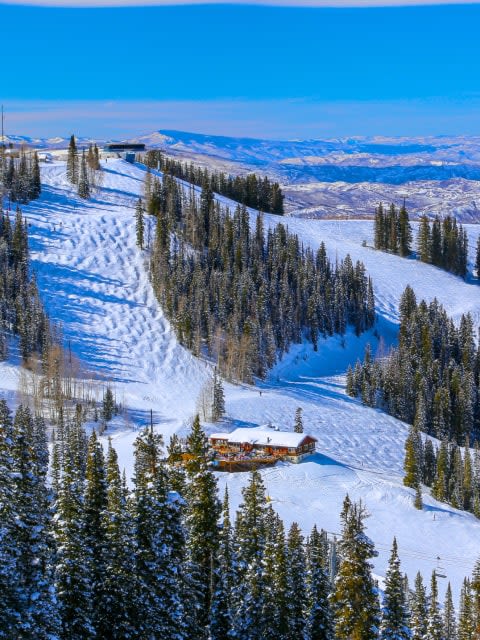
Most of the Silvretta Arena sits above the treeline, on wide, open slopes between around 2,000 m and 2,872 m, and the bulk of it - lifts, blacks and the main hubs - lies on the Austrian side. From Ischgl, three village lifts climb to the Idalp and the Pardatschgrat, and the high bowls around the Palinkopf, Höllspitze and Piz Val Gronda are a lift or two away. The longest run in the area, around 11 km from the Greitspitze, finishes back in Ischgl. Samnaun's sector is smaller and gentler. The cable cars from Ravaisch arrive at Alp Trida, a broad, high plateau of easy blues and long reds that suits intermediates and anyone finding their ski legs, with runs down to the village at the end of the day. Ischgl skiers often cross for lunch on the Swiss side and the long descents into Samnaun. Samnaun skiers usually spend their bigger days over the ridge in Austria.
Who it suits: for the main terrain on your doorstep, Ischgl; for gentle, open cruising from the first lift, Samnaun.
This is one of the more snow-sure areas in Austria and Switzerland, and both villages benefit equally once you are up the mountain. The great majority of the pistes sit above 2,000 m, much of the Austrian side faces north, and extensive snowmaking covers the main runs, including the valley runs home. That is why the season runs roughly from late November to early May, longer than most Tyrolean resorts. The real difference is at village level. Ischgl sits at 1,377 m, so its long valley runs are the lowest part of the area and the first to turn soft in spring, though snowmaking keeps them open late. Samnaun's hamlets sit around 400 m higher, which keeps snow around the village later in the season and the nursery slopes in better shape at both ends of it.
Who it suits: in midwinter, either is a safe bet; for an early or late-season trip with beginners, Samnaun's height gives it the edge at village level.
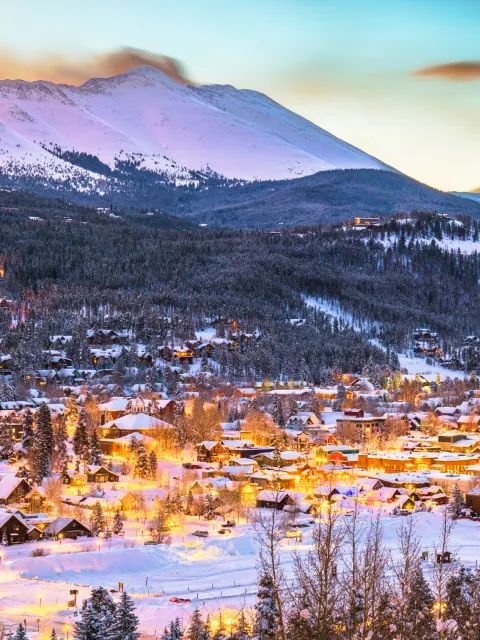
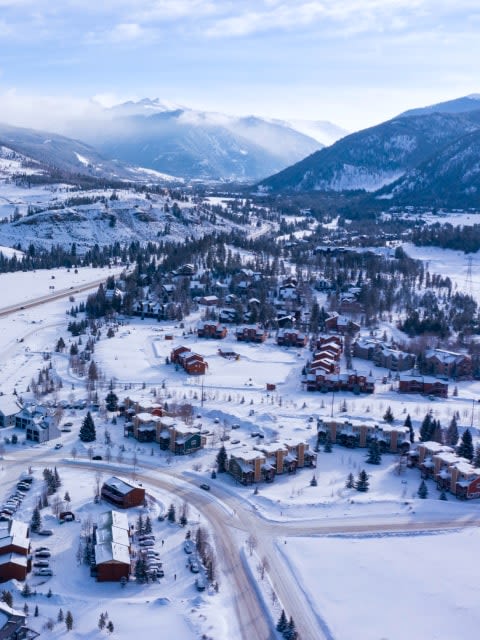
Ischgl has grown from a farming village into one of the best-known names in Austrian skiing, and it shows. The centre is compact and largely traffic-free, with a road tunnel taking cars underneath, designer shops, smart hotels and three lift stations within reach of most of the village. It is busy, polished and built around the ski day and the night that follows. Samnaun is a different proposition: five small hamlets strung along a high side valley - Samnaun-Dorf, Ravaisch, Plan, Laret and Compatsch - with traditional chalets, spa hotels and apartments. Ravaisch has the cable cars, Samnaun-Dorf the most shops and the nursery slopes, and a free valley bus links the rest. The duty-free status, a historical quirk of a valley once reached only from Austria, gives the main street a shopping-centre feel by day; by evening it is quiet.
Who it suits: for walking from hotel to gondola to bar, Ischgl; for space, quiet and a slower pace once the lifts close, Samnaun.
Ischgl's après is the reason many people come. From mid-afternoon the bars at the foot of the slopes fill up, places such as the Trofana Alm keep going into the evening, and the village carries on late, with clubs and live music most nights. The season opens and closes with the large Top of the Mountain concerts on the slopes. Dining spans hearty Tyrolean cooking to several high-end hotel restaurants. Samnaun is calmer by a distance: a handful of bars around the lift base and in Samnaun-Dorf for a drink after the last run, then hotel restaurants and long Swiss dinners. Crossing for a night out is not practical once the lifts stop, so the choice of base decides the evenings too. Lunch is where the two meet - huts on both sides of the border, all reachable on the same pass.
Who it suits: for big afternoons and late nights, Ischgl; for a quiet drink and a long dinner, Samnaun.
Samnaun is the easier side for young children. Its children's area and nursery slopes sit at village level in Samnaun-Dorf, so the first days need no lift ride, and there is a second, gentle practice zone up at Alp Trida for the next step. Several ski schools teach in the village, and the leisure pool in Compatsch covers a day off skis. Ischgl welcomes families too, with good ski schools and a large learning area at the Idalp, but that area sits at around 2,300 m and is reached by gondola. More to the point for beginners, the only piste back to the village is a long red, so newer skiers ride the gondola down at the end of the day. Ischgl's lively evenings also make it a better fit for families with teenagers than for those with toddlers.
Who it suits: for first-timers and young children, Samnaun; for families of confident skiers who want the whole arena and some life in the evening, Ischgl.
Strong skiers spend most of their time on the Austrian side, so Ischgl has the shorter commute. The steeper blacks, the ungroomed ski routes and the best-known freeride terrain - around the Palinkopf, the Greitspitze and Piz Val Gronda - are all a lift or two from the Idalp, and the long valley runs make a demanding finish to the day. Off-piste here is high and exposed, so it is best taken with a guide. Ischgl's snow park sits close to the Idalp as well, with lines for different levels. From Samnaun, the same terrain is easy enough to reach, but it costs the first part of the morning to get there, which matters most on short trips and powder days.
Who it suits: for the steepest terrain and first tracks on a powder morning, Ischgl; for experts happy to commute to it, either works.
Ischgl is the simpler of the two to reach. It sits at the head of the Paznaun valley, around 30 minutes from the Arlberg expressway at Landeck, so Innsbruck is around 1 hour 30 minutes away, Zurich around 2 hours 45 minutes and Munich around 3 hours. By rail, Landeck-Zams station is on the main line from Zurich and Innsbruck, with a bus up the valley. Samnaun is more remote. From Austria, the road continues past Landeck up the Inn valley to Pfunds and then climbs steeply through Spiss into the Samnaun valley, adding around 15 minutes from Innsbruck and a little more from Zurich or Munich. Swiss rail travellers can take the Rhaetian Railway to Scuol-Tarasp and continue by PostBus. Either way, carry a passport or ID card: the Samnaun road passes a customs post.
Who it suits: for the shortest, simplest transfer, Ischgl; for travellers arriving through Switzerland by train, Samnaun is no harder to reach.
WeSki insider tip: staying in Samnaun and heading for the Austrian side? Cross early and ski your way back towards Alp Trida through the afternoon, so the furthest point of the day is behind you by lunch. The last stretch home is then on gentle Swiss terrain, and the last link over the ridge never becomes a race.
Same ski area, same lifts, same pass - so the mountain rarely settles it. These three questions usually do.
What do you want the evenings to look like? Ischgl's après and nightlife are among the biggest in the Alps, and there is no easy way to reach them from Samnaun after the lifts close. If the nights matter as much as the days, Ischgl. If they mostly mean dinner and bed, Samnaun.
Is anyone in the group a beginner or a young child? Samnaun's nursery slopes sit in the village and its lifts arrive on gentle terrain. In Ischgl, learning means a gondola ride up to the Idalp and another one down, because the only piste home is a red.
How much of each day will you spend on the steepest terrain? Most of the arena's harder skiing sits on the Austrian side. From Ischgl it starts at the top of the first gondola; from Samnaun it is a morning's commute away, which adds up over a week of powder days.
If all three come out level, choose by the evening you want to come home to - the noise of Ischgl, or the quiet of the valley on the other side of the border.
Yes - the two form one linked ski area, the Silvretta Arena, and one pass covers both. From Samnaun, cable cars rise from Ravaisch to Alp Trida, and lifts and pistes connect over the ridge to the Idalp above Ischgl. The reverse route brings you down into Samnaun. Allow time for the return leg, though: there is no direct road between the villages in winter, so missing the last link means a long taxi ride round via Austria.
Good question, since you do cross an international border. There are no passport checks on the slopes, as both countries are in the Schengen area, but it is sensible to carry ID, and you will need it if you travel to Samnaun by road, which passes a customs post. Samnaun is outside the Swiss customs area, so standard customs allowances apply to duty-free goods taken back into Austria, whether by road or on skis.
Samnaun usually has the edge for a first week. Its nursery slopes and children's area are in the village, and the gentle terrain at Alp Trida makes an easy next step. Ischgl's ski schools are excellent and its learning area at the Idalp is large and snow-sure, but it is reached by gondola, and the only piste back to the village is a red, so beginners ride down at the end of each day.
Ischgl, without much argument. It has one of the biggest après scenes in the Alps, with busy bars from mid-afternoon, clubs and live music late into the night, and large concerts on the slopes at the start and end of the season. Samnaun has a few relaxed bars and good hotel restaurants. Because the villages are not linked by a short road, staying in Samnaun effectively means opting out of Ischgl's nightlife.
It depends on what you are comparing. Ischgl skews towards upmarket hotels and dining, and the busier village carries that feel throughout. Samnaun has a broad mix of spa hotels, family-run places and apartments, plus duty-free shopping, though everyday costs on the Swiss side can be higher. The ski area is the same from either base, so the difference comes down to the style of stay you choose rather than one village being the obvious saving.
For families with young children, Samnaun tends to be easier day to day: nursery slopes in the village, quiet evenings, a free valley bus and a leisure pool for a day off. Ischgl suits families with older or confident children who want lifts from the centre straight into the main ski area, plus more going on after skiing. The whole Silvretta Arena is open to both, so it comes down to your group's ages and evenings.