EN
EN

The European ski season doesn't start everywhere at once. A handful of resorts - mostly those with glacier access or altitudes above 2,000 metres - open their lifts as early as October, with a wider wave following through November and into December. This guide covers the resorts that consistently open first and ski well before the main season gets going. If you're weighing up whether the conditions justify a trip that early, our guide to skiing in November covers what to expect on the ground. And for a broader look at each month's strengths, the best time to go skiing hub breaks the full season down week by week.
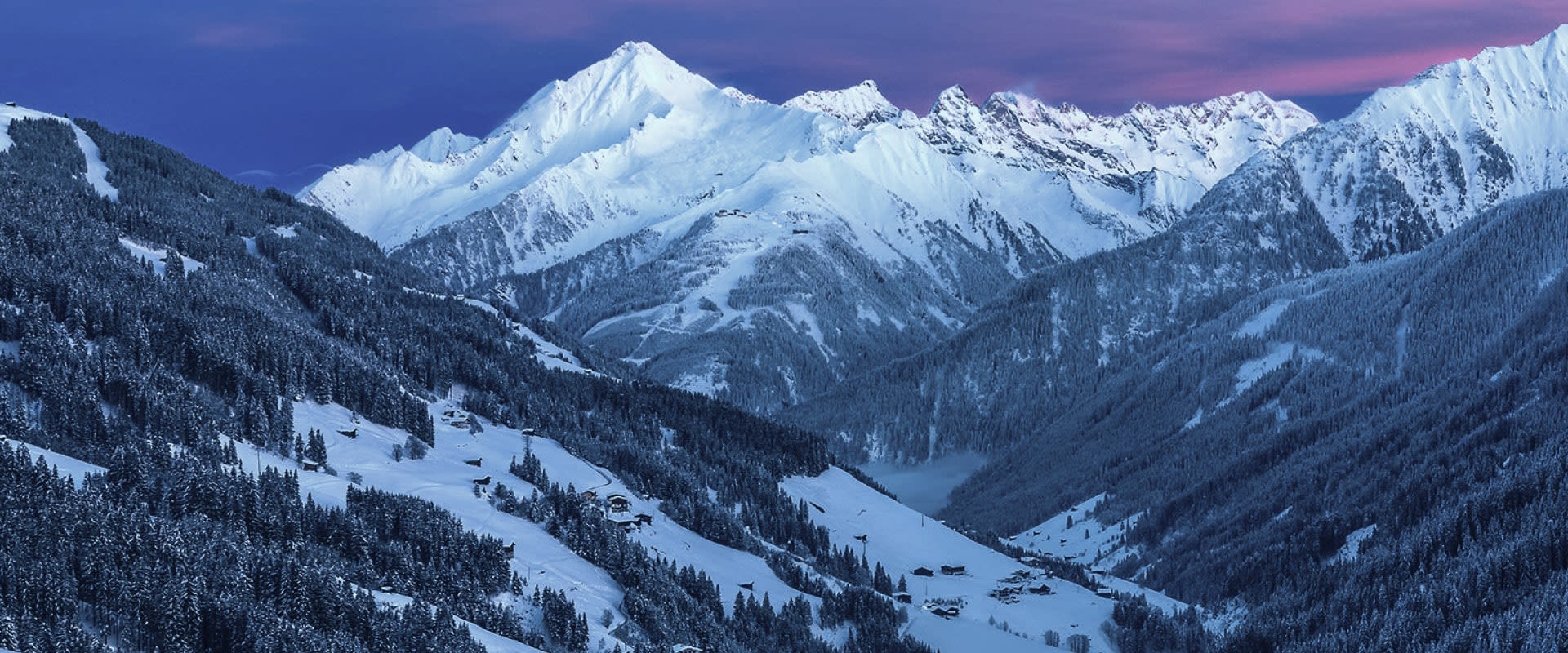
Hintertux is Europe's only year-round ski resort, which means there's no "opening day" to wait for - the glacier lifts run every day of the year. The glacier terrain sits between 3,250 and 3,476 metres, high enough that the early-season snowpack is reliably deep even before the first big November snowfalls arrive. By mid-November, the lower Zillertal slopes at Mayrhofen join the lift network, giving you a much wider area to explore. What makes Hintertux stand out for an early trip isn't just the glacier - it's the fact that the resort infrastructure (restaurants, hire shops, ski schools) runs at full capacity year-round rather than scaling up gradually.
✓ Year-round glacier skiing with no seasonal closure - the most reliable early-season option in the Alps.
✓ Connects to the wider Zillertal ski area from mid-November, adding over 500 km of linked terrain.
✓ Full resort services available from day one, unlike many glacier resorts that run a skeleton operation early on.
| Country | Austria |
|---|---|
| Ski area | Hintertux Glacier + Zillertal Arena - 530 km of pistes (glacier: 60 km) |
| Altitude | 1,500m - 3,476m |
| Glacier terrain | 60 km of runs above 3,000m |
| Typical opening | Year-round (glacier never closes) |
| Transfer time | Innsbruck (1h 30m); Munich (2h 45m) |
WeSki insider tip: The glacier car park fills early on weekend mornings in October and November - Austrian and German day-trippers drive up for the first turns of the season. Arrive before 8:30 or take the valley gondola from the village instead.
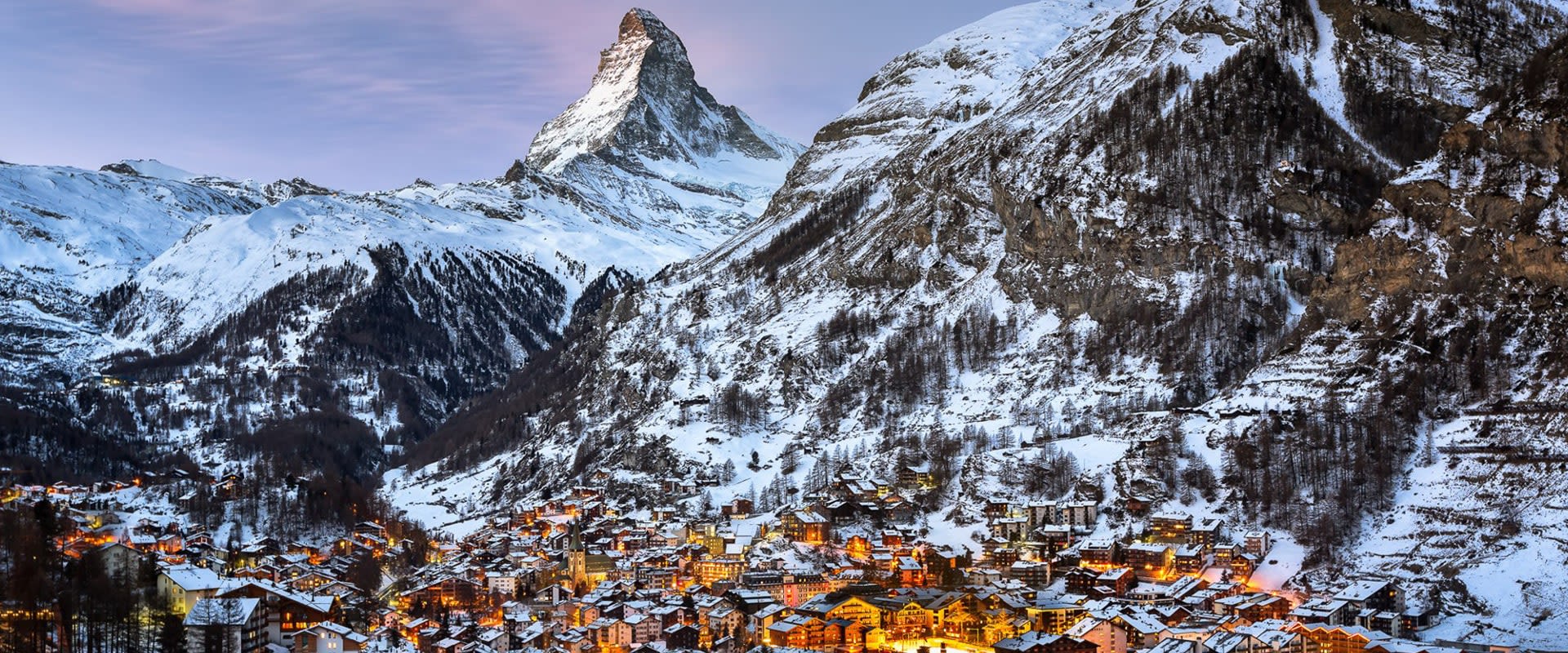
Zermatt's glacier ski area on the Klein Matterhorn reaches 3,883 metres - the highest lift-served point in Europe. Like Hintertux, it runs year-round, though the lower village slopes typically open in stages from late November. The glacier itself covers a substantial area of groomed runs, so an early-season visit doesn't feel like a token outing. The Matterhorn glacier paradise sector includes a mix of reds and blues across open, wide terrain that holds snow well even when lower resorts are still waiting for their first proper fall. The village is car-free, which means once you arrive by train or transfer bus, everything works on foot or by electric taxi.
✓ Highest lift-served skiing in Europe at 3,883 metres - the glacier snowpack is deep and reliable from the start.
✓ Year-round glacier operation with a genuine variety of runs, not just a single slope.
✓ Car-free village with excellent infrastructure that doesn't feel like a building site before main season.
| Country | Switzerland |
|---|---|
| Ski area | Zermatt - Matterhorn ski paradise - 360 km of pistes |
| Altitude | 1,620m - 3,883m |
| Glacier terrain | 21 km of glacier runs |
| Typical opening | Year-round (glacier); lower slopes from late November |
| Transfer time | Geneva (3h 30m via train/transfer); Zurich (3h 40m) |
WeSki insider tip: The first gondola up to Trockener Steg leaves at 8:30, but the connection to the Klein Matterhorn summit opens at 9:00. In early season, the morning light on the Matterhorn from the Trockener Steg terrace is worth arriving early for - grab a coffee and watch the mountain turn gold before the lifts above open.
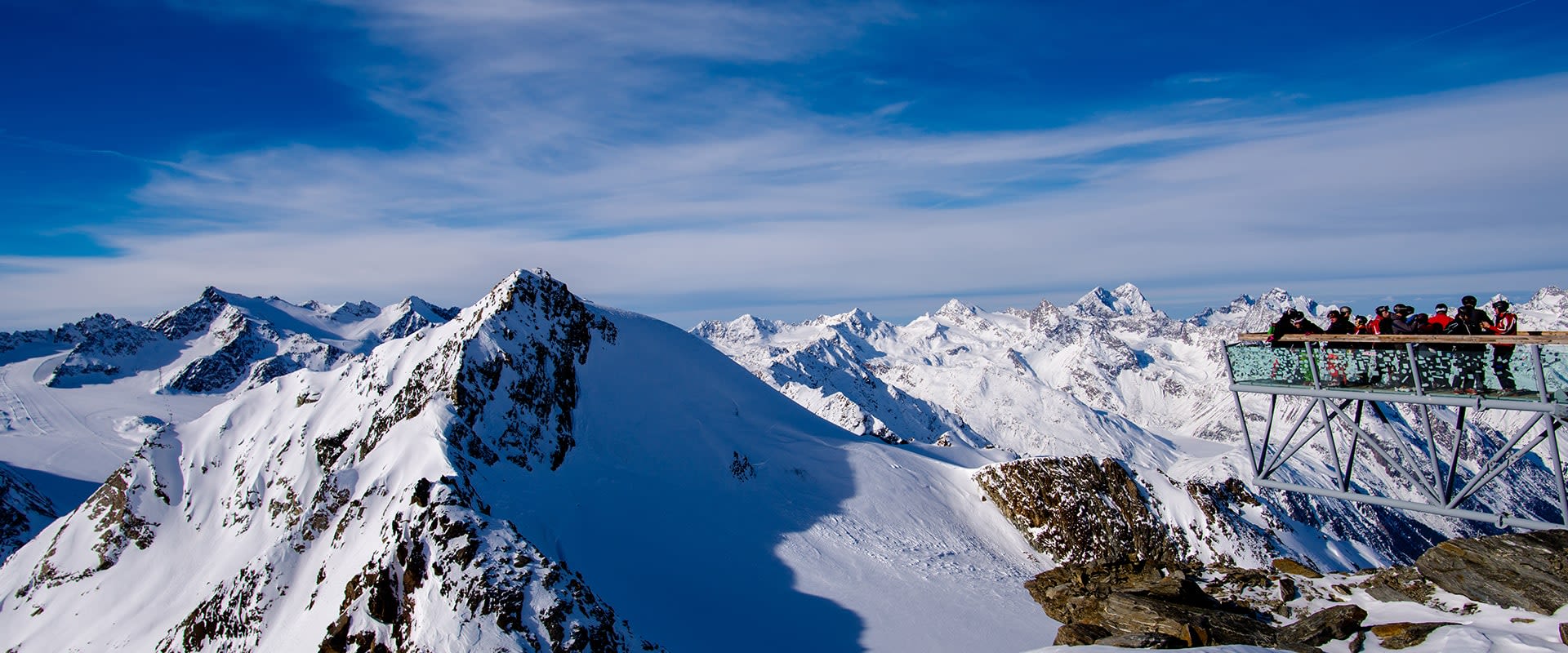
Solden hosts the first World Cup race of the season on the Rettenbach Glacier each October, which means the resort invests heavily in early-season snow preparation. Two glaciers - Rettenbach and Tiefenbach - sit above 3,000 metres and together provide a solid day of skiing from mid-October onwards. The resort village itself is one of the liveliest in the Otztal valley, so even with limited terrain open you won't be short of things to do after skiing. By late November, the lower slopes start opening and the ski area expands considerably. The early weeks draw a mix of racing teams in training and keen recreational skiers who want first tracks of the season.
✓ World Cup venue with early-season snow preparation that starts weeks before public opening.
✓ Two separate glaciers above 3,000 metres give more variety than most glacier-only resorts.
✓ Lively village with restaurants and nightlife that runs properly from October - not a ghost town waiting for December.
| Country | Austria |
|---|---|
| Ski area | Solden - 144 km of pistes |
| Altitude | 1,350m - 3,340m |
| Glacier terrain | Rettenbach + Tiefenbach glaciers above 3,000m |
| Typical opening | Mid-October (glacier); lower slopes from late November |
| Transfer time | Innsbruck (1h 15m); Munich (3h) |
WeSki insider tip: The World Cup weekend in late October turns Solden into a party - if you're there for skiing rather than atmosphere, book the week after the race instead. The glacier will be in immaculate condition from the race preparation, and the crowds will have thinned.
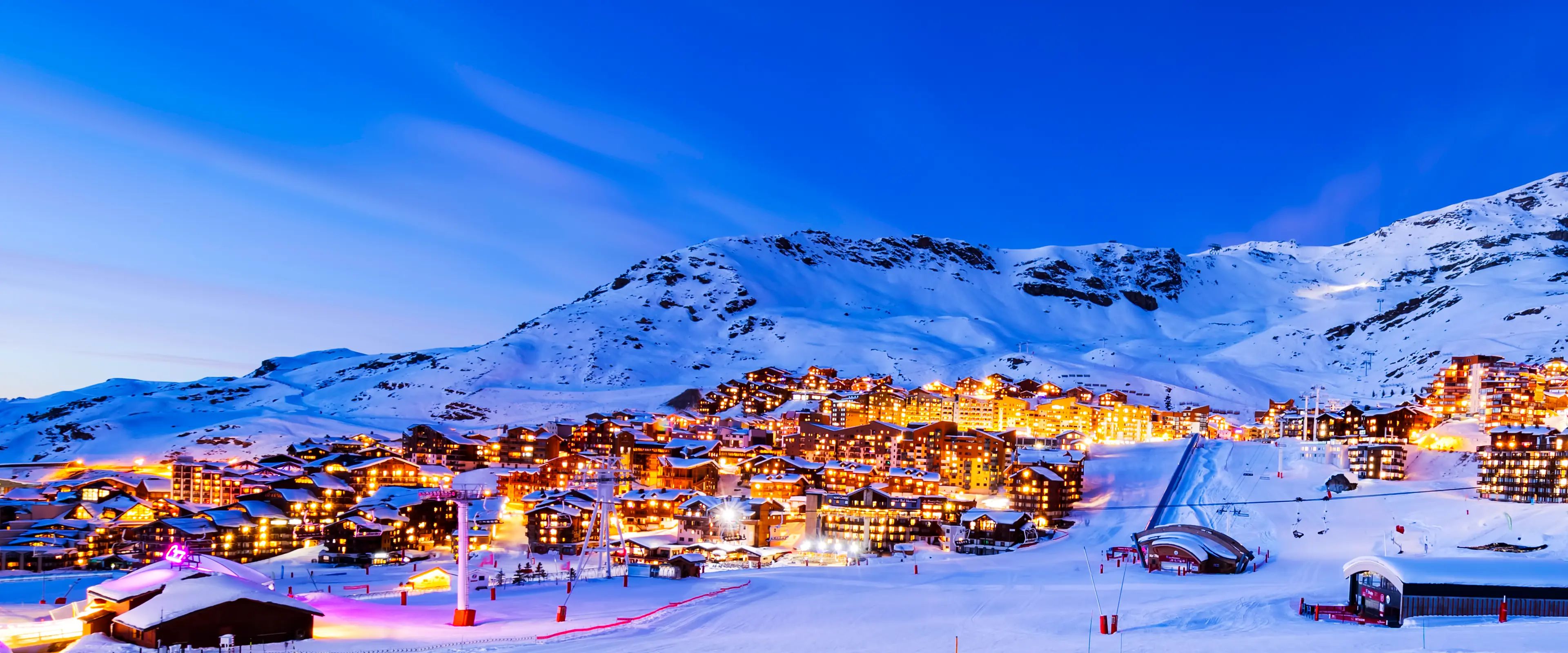
Val Thorens sits at 2,300 metres - the highest resort village in Europe - and its ski area climbs to 3,230 metres via the Cime de Caron and Peclet glaciers. The altitude means the resort village itself is above the snowline before most of the Alps have seen their first fall, and the resort typically opens in late November with a substantial amount of terrain already available. By the time the wider Three Valleys system opens in early December, Val Thorens is already in full swing. The snowmaking network is one of the most extensive in France, covering the key runs between the village and the glacier, so even in lean early-season snowfall years the skiing is reliable.
✓ Highest resort village in Europe at 2,300 metres - snow on the ground reliably from late November.
✓ Extensive snowmaking covers the main runs, so early-season skiing doesn't depend entirely on natural snowfall.
✓ Links into the Three Valleys from early December, expanding the available terrain to 600 km.
| Country | France |
|---|---|
| Ski area | Val Thorens / Three Valleys - 600 km of pistes |
| Altitude | 2,300m - 3,230m |
| Glacier terrain | Peclet glacier sector above 3,000m |
| Typical opening | Late November |
| Transfer time | Geneva (2h 30m); Lyon (2h 45m); Chambery (1h 30m) |
WeSki insider tip: In the first week of opening, the blue run from Cime de Caron back to the village is often one of the quietest routes down - most early-season skiers stick to the glacier sector and the runs immediately above the village.
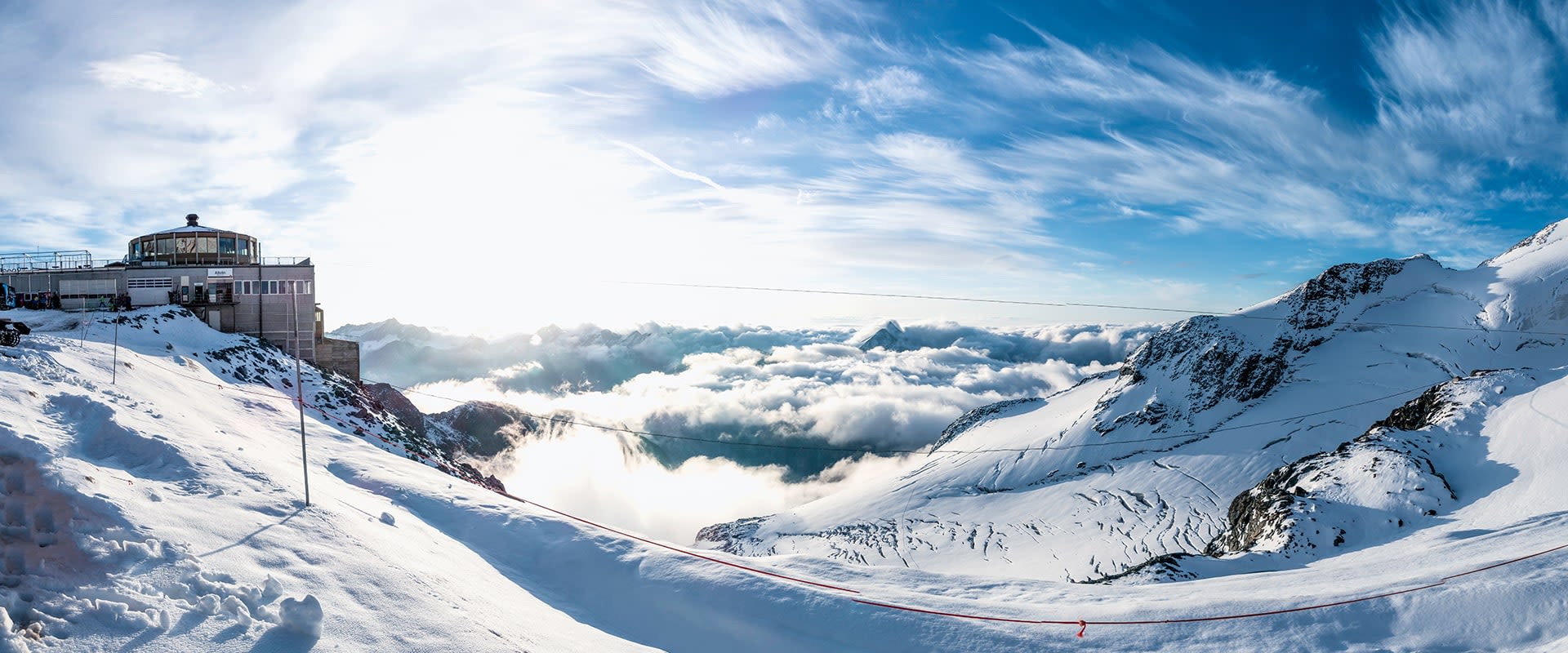
Saas-Fee's Allalin glacier reaches 3,600 metres and runs from late September or early October through to the following spring. The glacier terrain is compact but well-groomed, and the Metro Alpin underground funicular means access is weather-protected - useful in early season when storms can shut down exposed chair lifts at other resorts. The village sits at 1,800 metres in a natural bowl surrounded by 4,000-metre peaks, giving it a dramatic setting that compensates for the smaller early-season ski area. By late November, the mid-mountain slopes start to open and the resort's full infrastructure kicks in. Saas-Fee is car-free, like Zermatt, which keeps the village atmosphere calm even on busy weekends.
✓ Glacier skiing from late September via the weather-protected Metro Alpin funicular.
✓ Car-free village at 1,800 metres with a quieter, less commercial feel than neighbouring Zermatt.
✓ Compact glacier terrain that's well-groomed and manageable for a focused early-season day.
| Country | Switzerland |
|---|---|
| Ski area | Saas-Fee - 100 km of pistes |
| Altitude | 1,800m - 3,600m |
| Glacier terrain | 20 km of glacier runs on the Allalin |
| Typical opening | Late September / early October (glacier); full resort from late November |
| Transfer time | Geneva (3h); Zurich (3h 30m); Brig station (40 min by bus) |
WeSki insider tip: The rotating restaurant at the top of the Allalin (3,500 metres) is the world's highest revolving restaurant and runs from the glacier opening. It's a good lunch spot that most early-season visitors skip in favour of the quicker base cafes.
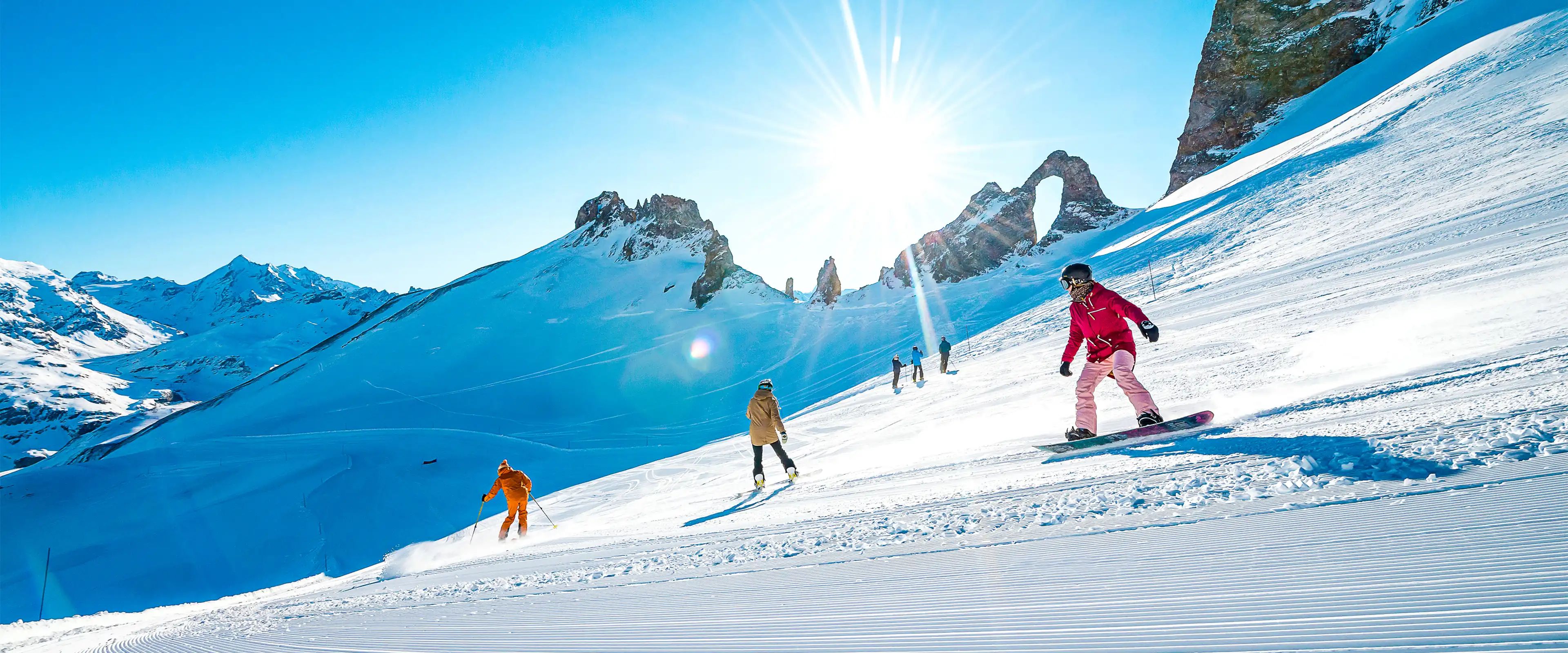
The Grande Motte glacier above Tignes reaches 3,456 metres and typically opens in late September for autumn skiing. For most of October and early November, the glacier sector runs independently - a handful of runs and a terrain park that draws freestyle teams and keen early-birds. From late November, the resort proper opens and connects into Val d'Isere, unlocking the full Espace Killy area. Tignes works well for early-season visits because the resort village at Le Lac (2,100 metres) is purpose-built and high enough that once the main season starts, snow coverage extends right to the doorstep. The transition from glacier-only to full resort happens faster here than at many competitor resorts.
✓ Grande Motte glacier opens from late September, one of the earliest in France.
✓ Resort village at 2,100 metres means reliable snow coverage once the main season begins.
✓ Connects to Val d'Isere from late November, expanding to 300 km of linked terrain.
| Country | France |
|---|---|
| Ski area | Tignes / Espace Killy - 300 km of pistes |
| Altitude | 1,550m - 3,456m |
| Glacier terrain | Grande Motte glacier sector |
| Typical opening | Late September (glacier); late November (full resort) |
| Transfer time | Geneva (3h); Lyon (3h); Chambery (2h) |
WeSki insider tip: If you're visiting in October or early November for glacier-only skiing, stay in Tignes Le Lac rather than Val Claret - Le Lac has more restaurants and shops open during the pre-season weeks.
Neustift and neighbouring Fulpmes are the main villages at the head of the Stubai valley, and together they sit within easy reach of the Stubai Glacier, Austria's largest glacier ski area. The glacier is a short ski bus ride up the valley and runs from mid-October through to June, which is what makes this part of the Stubai a reliable early-season choice while lower resorts wait for snow. Its 65 km of runs top out at 3,210 metres, with wide blue cruisers, a terrain park, and longer reds. Lower down, Fulpmes has the tree-lined Schlick 2000 area for mid-winter intermediate skiing, while the Elfer mountain above Neustift drops a single run of around 1,000 metres to the valley. Both villages keep the feel of working Tyrolean settlements rather than purpose-built stations, with a ski bus linking them to every lift in the valley.
✓ Direct access to the Stubai Glacier, Austria's largest glacier ski area, which holds snow from mid-October to June.
✓ Two local ski areas on top of the glacier - Elfer above Neustift and the tree-lined Schlick 2000 at Fulpmes.
✓ Around 40 minutes from Innsbruck airport, with a ski bus linking the villages to every lift station in the valley.
| Country | Austria |
|---|---|
| Ski area | Stubai Glacier - 65 km of glacier pistes |
| Altitude | 937m - 3,210m |
| Glacier terrain | 65 km (Stubai Glacier, a short ski bus from the villages) |
| Typical opening | Mid-October |
| Transfer time | Innsbruck (40 min); Munich (2h 30m) |
WeSki insider tip: When the glacier car parks fill up on Austrian holiday weekends, the Elfer mountain right above Neustift stays much quieter. Its long run drops around 1,000 metres back to the village and catches the afternoon sun, which makes it a good half-day when the glacier is busy.
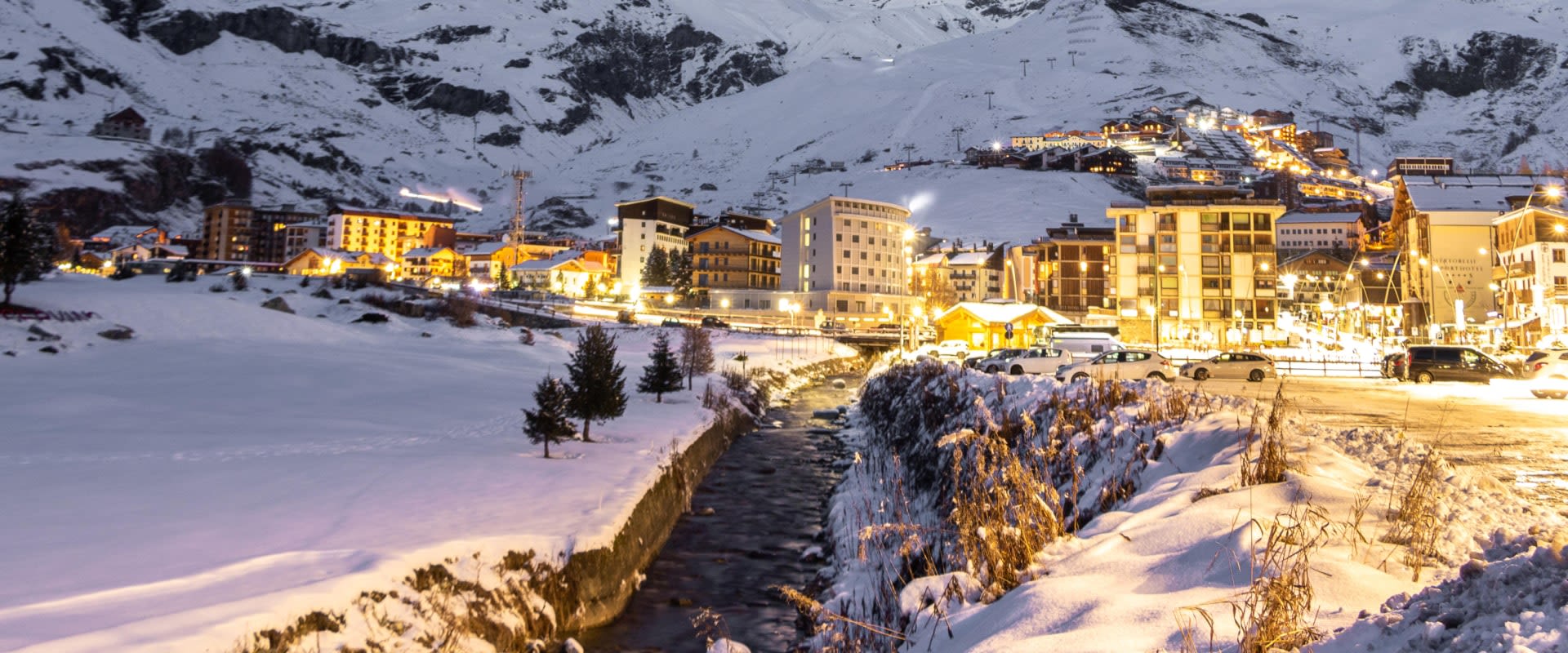
Cervinia sits on the Italian side of the Matterhorn and shares its glacier terrain with Zermatt across the border. The resort's own ski area reaches 3,480 metres via the Plateau Rosa, and the wide, gentle terrain on the Italian side is some of the most forgiving high-altitude skiing in the Alps. The resort typically opens in late October or early November, earlier than most non-glacier Italian resorts. An early visit to Cervinia has a particular advantage: the Italian side of the mountain tends to get more sunshine than the Swiss side, so early-season conditions can feel warmer and more pleasant even at altitude. The village itself is compact and traditional, with strong Italian mountain cooking in the restaurants that open from the start of the season.
✓ Shares glacier terrain with Zermatt up to 3,480 metres, with the bonus of the sunnier Italian aspect.
✓ Wide, gentle pistes make the high-altitude terrain accessible to intermediates and confident beginners.
✓ Italian village atmosphere with excellent mountain food from opening day.
| Country | Italy |
|---|---|
| Ski area | Cervinia / Matterhorn ski paradise - 360 km of pistes (shared with Zermatt) |
| Altitude | 2,050m - 3,480m |
| Glacier terrain | Plateau Rosa glacier, linked to Zermatt's glacier |
| Typical opening | Late October / early November |
| Transfer time | Turin (2h); Milan Malpensa (2h 30m); Geneva (3h via tunnel) |
WeSki insider tip: The Ventina run from Plateau Rosa back to Plan Maison is one of the longest descents in the Alps at over 1,400 metres of vertical drop. In early season it's usually one of the first full-length runs to open - a proper leg-burner that justifies the trip on its own.
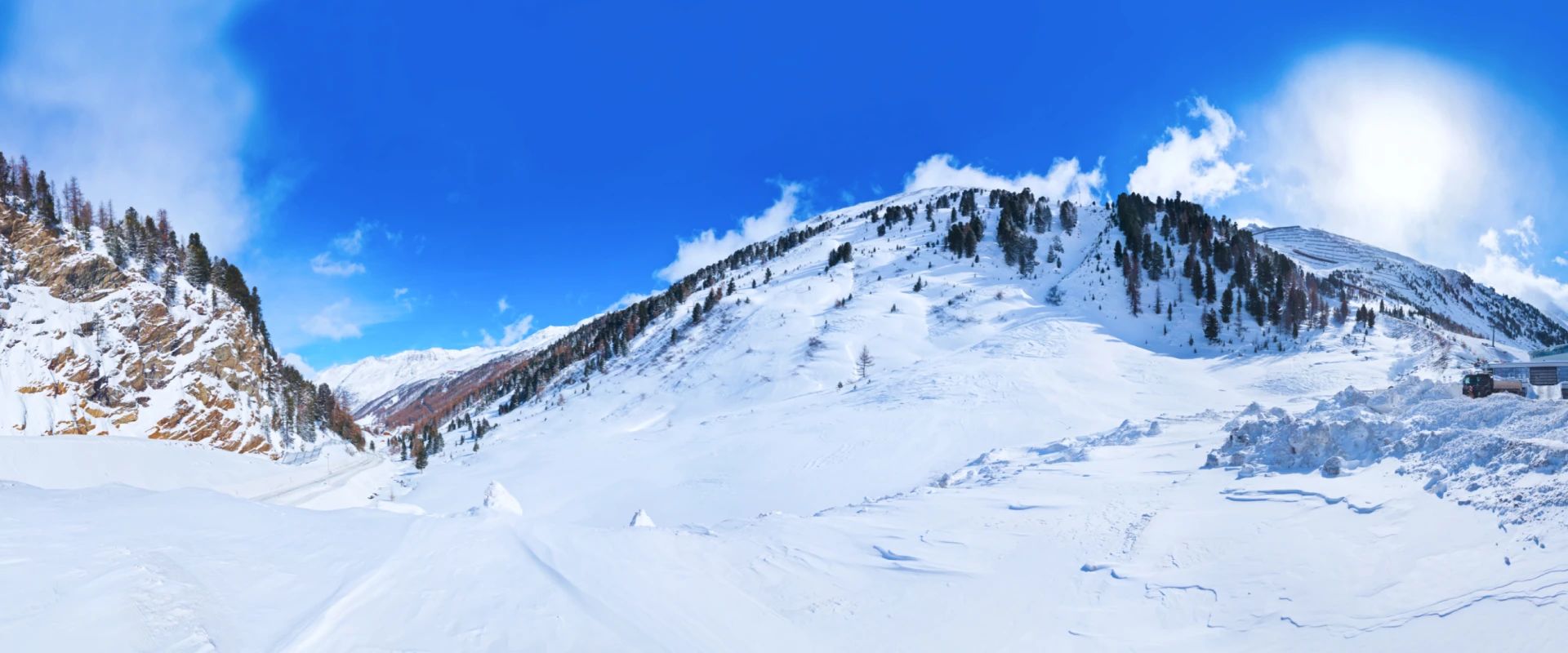
Obergurgl doesn't have a glacier, but it's one of the most snow-sure non-glacier resorts in the Alps. The village sits at 1,930 metres - one of the highest inhabited villages in Austria - and the ski area climbs to 3,080 metres. The combination of altitude and a north-facing aspect means snow arrives earlier and lasts longer than at resorts hundreds of metres lower. The resort typically opens in mid-November, and by early December the full linked area with neighbouring Hochgurgl is operational. What sets Obergurgl apart for early-season visitors is the atmosphere: it's a small, quiet village with a proper Austrian mountain feel, not a purpose-built resort or a glacier car park. The ski area is compact but well-maintained, and the snowmaking covers every key run.
✓ One of the highest villages in Austria at 1,930 metres - reliably snow-sure without needing a glacier.
✓ Comprehensive snowmaking across the entire ski area as a backup to the naturally early snowfall.
✓ Small, traditional village with a calm early-season atmosphere rather than a pre-season building site.
| Country | Austria |
|---|---|
| Ski area | Obergurgl-Hochgurgl - 112 km of pistes |
| Altitude | 1,930m - 3,080m |
| Glacier terrain | None (snow-sure due to altitude and aspect) |
| Typical opening | Mid-November |
| Transfer time | Innsbruck (1h 15m); Munich (3h) |
WeSki insider tip: The Hohe Mut Alm at 2,670 metres is one of the best panoramic restaurants in the Otztal and is usually open from the resort's first week. It's a short gondola ride from the village and worth visiting for the 360-degree mountain views even if you only ski a couple of runs around it.
Lech-Zurs is part of the Ski Arlberg area - one of the largest linked ski regions in Europe - and sits in a microclimate that receives some of the heaviest snowfall in the Alps. The resort typically opens in late November or early December, later than the glacier resorts on this list, but when it opens it tends to open with depth. The north-facing Zuger Hochlicht sector above Zurs holds snow particularly well, and the Flexen Pass run connecting Zurs to Stuben is one of the great early-season descents when conditions allow. The village of Lech itself has a refined, traditional character with luxury hotels and good restaurants that create a very different early-season experience from the glacier resorts higher up this list.
✓ Heavy natural snowfall microclimate - when Lech-Zurs opens, it typically opens with substantial depth.
✓ Part of the Ski Arlberg network with 300 km of linked terrain once fully open.
✓ Elegant village atmosphere that feels like a proper ski holiday, not a pre-season training camp.
| Country | Austria |
|---|---|
| Ski area | Ski Arlberg - 300 km of pistes |
| Altitude | 1,450m - 2,811m |
| Glacier terrain | None (snow-sure due to heavy natural snowfall) |
| Typical opening | Late November / early December |
| Transfer time | Innsbruck (1h 30m); Zurich (2h 30m); Friedrichshafen (1h 30m) |
WeSki insider tip: The Ruefikopf cable car from Lech up to 2,350 metres is usually one of the first lifts to operate when the resort opens. The north-facing runs beneath it hold snow well and are groomed first - head there on opening morning for the best early-season conditions.
It depends on the resort. A handful of glacier resorts - Hintertux, Zermatt, Saas-Fee - run year-round and have lifts spinning in September. Other glacier areas like Solden, Stubai, and Tignes typically open in mid to late October. The main wave of non-glacier resort openings happens from mid-November through to early December, with most of the major French, Austrian, Swiss, and Italian resorts operational by mid-December. Our guide to skiing in November covers conditions for those early weeks in more detail.
For experienced skiers who want quiet slopes and don't mind a smaller ski area, early season can be excellent - especially at glacier resorts where the terrain is high and well-prepared. First-timers are generally better off waiting until late December or January, when more terrain is open, ski schools are fully staffed, and conditions are more consistent across the mountain. The trade-off is straightforward: fewer crowds and a different atmosphere, but potentially limited terrain and shorter daylight hours.
This varies enormously. At glacier-only resorts in October, you might have 15 to 60 km of runs available. By mid-November, higher resorts like Val Thorens and Obergurgl are opening substantial portions of their terrain. By early December, most major resorts have enough open to fill a full day's skiing comfortably. The key is to set expectations honestly: an early November trip to a glacier is a different proposition from a late December trip to a fully open resort. Both can be excellent, but they're different experiences.
At glacier resorts in October and early November, lesson availability can be limited - some ski schools don't start their full programmes until the main season opens. From mid-November onwards, most of the resorts on this list have ski schools running normally. If lessons are important to your trip, check availability through your booking before committing to a very early date. Once December arrives, lesson availability at all the resorts listed here is the same as any other point in the season.
Layer up more than you would in January. Early-season daylight hours are shorter and temperatures at altitude can be sharper, especially in October and November. A good neck gaiter, thicker gloves, and a quality base layer make a real difference. Sunscreen is still essential - UV at altitude is strong year-round, and fresh glacier snow reflects it intensely. For a full packing guide, our how to pack for a ski holiday checklist covers everything you'll need.
Looking to get ahead of the season? Tell WeSki’s AI trip planner when you want to go and what matters most, and it'll match you to the resorts that open earliest for your dates.



WeSki is a trading name operated by WeTrip Ltd. All the flights and flight-inclusive holidays on this website are financially protected by the ATOL scheme. When you pay you will be supplied with an ATOL Certificate. Please ask for it and check to ensure that everything you booked (flights, hotels and other services) is listed on it. Please see our booking conditions for further information or for more information about financial protection and the ATOL Certificate go to: www.caa.co.uk.
Package holidays that do not include travel by air are financially protected via ABTOT.
For the latest travel advice from the Foreign & Commonwealth Office visit www.gov.uk/foreign-travel-advice.