
EN
EN
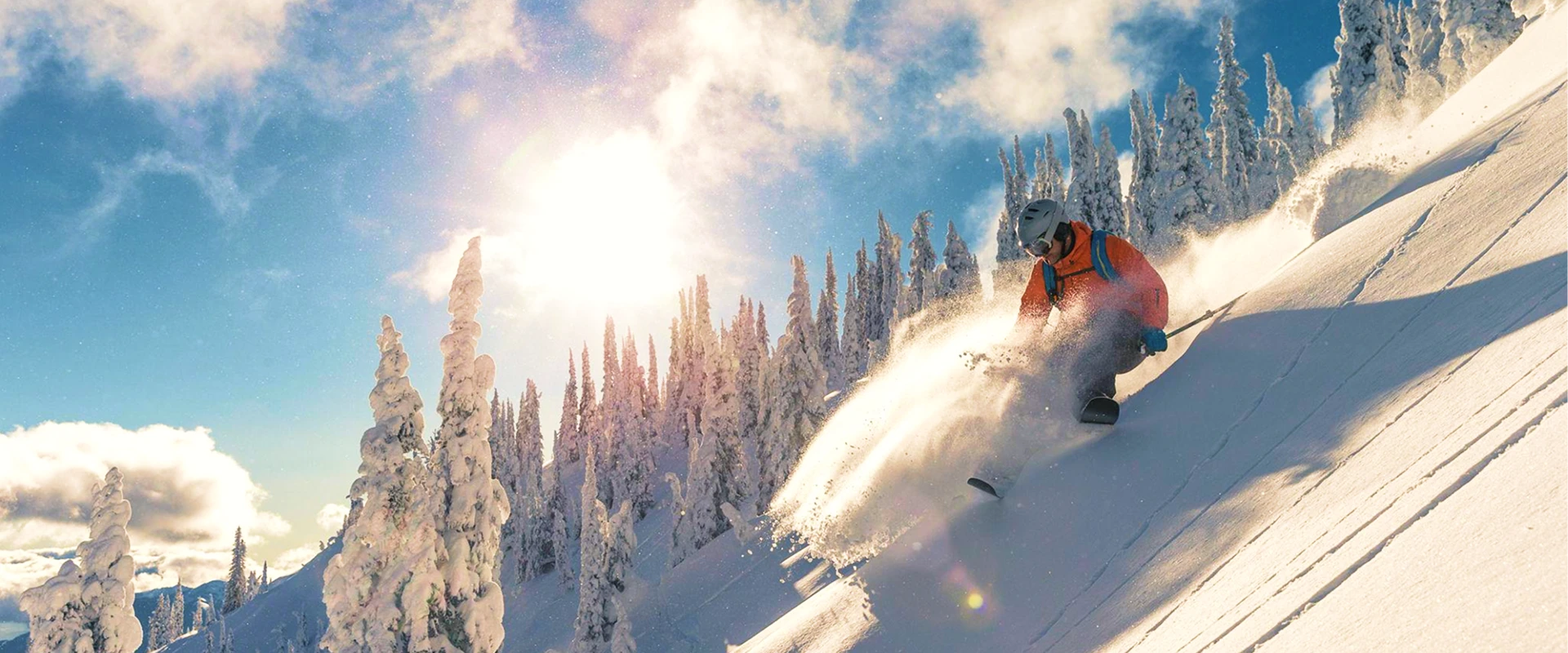
January sits in a sweet spot that most of the ski season can't match. The snow is deep, the slopes are quiet, and the peak-season crowds haven't arrived yet. It's the month between two surges - the New Year holiday rush and the February half-term wave - and that gap creates conditions that experienced skiers have long known about. This guide covers what January skiing is actually like, from snow conditions and temperatures to crowd levels and what to pack. If you're already sold on the month and want to compare specific resorts, our list of the best ski resorts to visit in January is a good next step.
January is typically when the Alps hit their snow peak. The cumulative snowfall from November and December has built a solid base, and January itself brings frequent fresh falls - particularly in the northern Alps (Austria, northern Switzerland, and the French Savoie region). Most resorts above 1,500m will have full coverage across all their pistes, and resorts above 2,000m are virtually guaranteed deep, winter-grade snow.
The quality of the snow matters as much as the quantity. January's cold temperatures mean snow stays dry and powdery for longer after falling. In contrast to March or April, when warm afternoons can turn slopes to slush by 2 pm, January pistes hold their form through the whole ski day. Off-piste, the snow stays untracked for longer too - partly because fewer people are on the mountain, and partly because cold north-facing bowls can preserve fresh powder for days after a storm.
There are regional differences worth noting. The western Alps (France, western Switzerland) tend to get slightly more snowfall in January than the eastern Alps (eastern Austria), though the eastern resorts are often colder, which compensates. Italian resorts south of the main Alpine ridge sometimes see dry spells in January, but the high-altitude ones - Cervinia, Livigno, the Dolomites - are reliable regardless. If snow reliability is your top priority, altitude and aspect (north-facing slopes) are more important than country.
January is the coldest month of the ski season, and there's no way around that. At resort level (typically 1,500m - 2,000m), daytime temperatures in the Alps usually range from -5°C to -10°C. At the top of the lifts - 2,500m and above - it can drop to -15°C or below, especially on exposed ridges and in early morning. Wind chill adds another layer: an exposed chairlift at 2,800m on a breezy January day feels properly cold, regardless of what the thermometer says.
None of this is a reason to avoid January - it's a reason to dress for it. The right layering system makes a significant difference. A moisture-wicking base layer, an insulating fleece or down mid-layer, and a windproof, waterproof outer shell will keep you comfortable on all but the most extreme days. Hand and foot warmth is where most people struggle: invest in decent ski gloves (not fashion ones), and consider merino wool socks rather than thick padded ones, which can restrict circulation and make feet colder.
One practical benefit of January's cold: the groomed pistes stay firm and fast all day. There's none of the softening-and-refreezing cycle that creates icy patches in spring. The cold also means snow cannons are at their most effective - resorts with strong snowmaking can lay down a base that lasts weeks.
This is January's single biggest selling point. The week between New Year and the second weekend of January sees a noticeable drop-off in visitor numbers across nearly every European resort. From roughly 6 January to the start of February half term (which varies by country but typically begins in the second or third week of February), slopes are at their quietest.
In practical terms, that means shorter lift queues - sometimes no queues at all, even at popular resorts like Val d'Isere or St. Anton. Ski school group sizes shrink, which means more individual attention from instructors. Mountain restaurants have tables free at lunchtime without the need to arrive at 11:30. And the pistes themselves are in better condition: fewer skiers means less wear, so groomed runs hold their shape longer and there's more untracked terrain off-piste.
Accommodation availability is stronger too. Properties that sell out months in advance for half term are often still available in January, and some resorts run seasonal promotions during this quieter window. It's worth noting that the very start of January (1st - 5th) is still part of the Christmas/New Year peak, so the real quiet period begins mid-month. Scottish schools have different half-term dates and sometimes fall in late January, which can create a brief uptick in some resorts popular with UK families.
January days in the Alps are short - sunrise is typically around 8 am and sunset around 5 pm, giving roughly nine hours of daylight. Lifts usually open at 8:30 or 9 am and close at 4 or 4:30 pm, so the ski day runs to about seven and a half hours. That's shorter than in March (when you might get an extra hour or more), but it's enough for a full day of skiing if you start promptly.
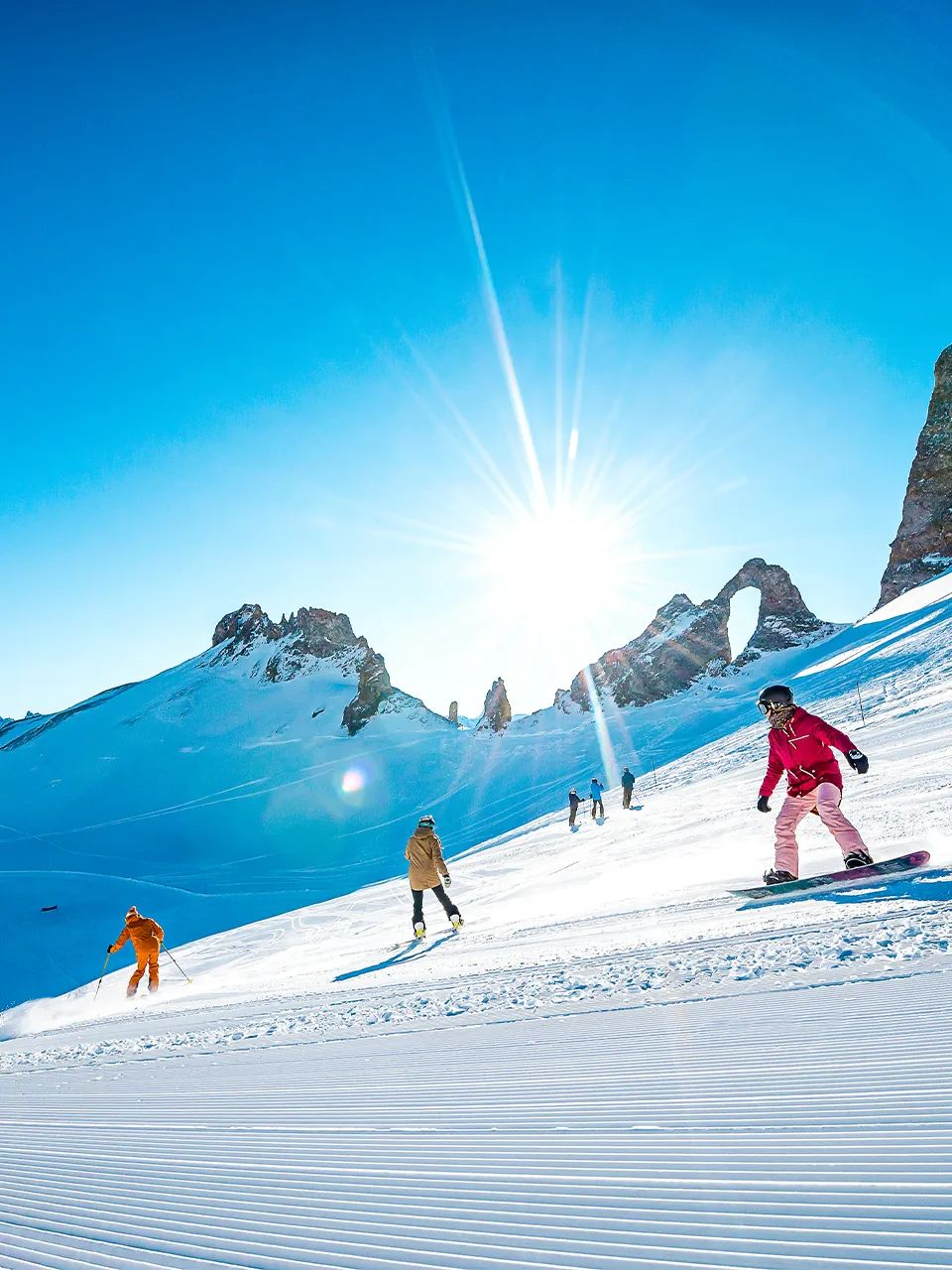
Sunshine varies hugely by resort orientation. South-facing resorts like Alpe d'Huez and Saalbach get direct sun from mid-morning, which makes a noticeable difference to how warm the day feels - even when temperatures are well below freezing, direct sunshine at altitude is more powerful than most people expect. North-facing valleys like Chamonix and parts of the Stubai Valley can sit in shade until late morning, which keeps the snow colder but the skiing chillier.
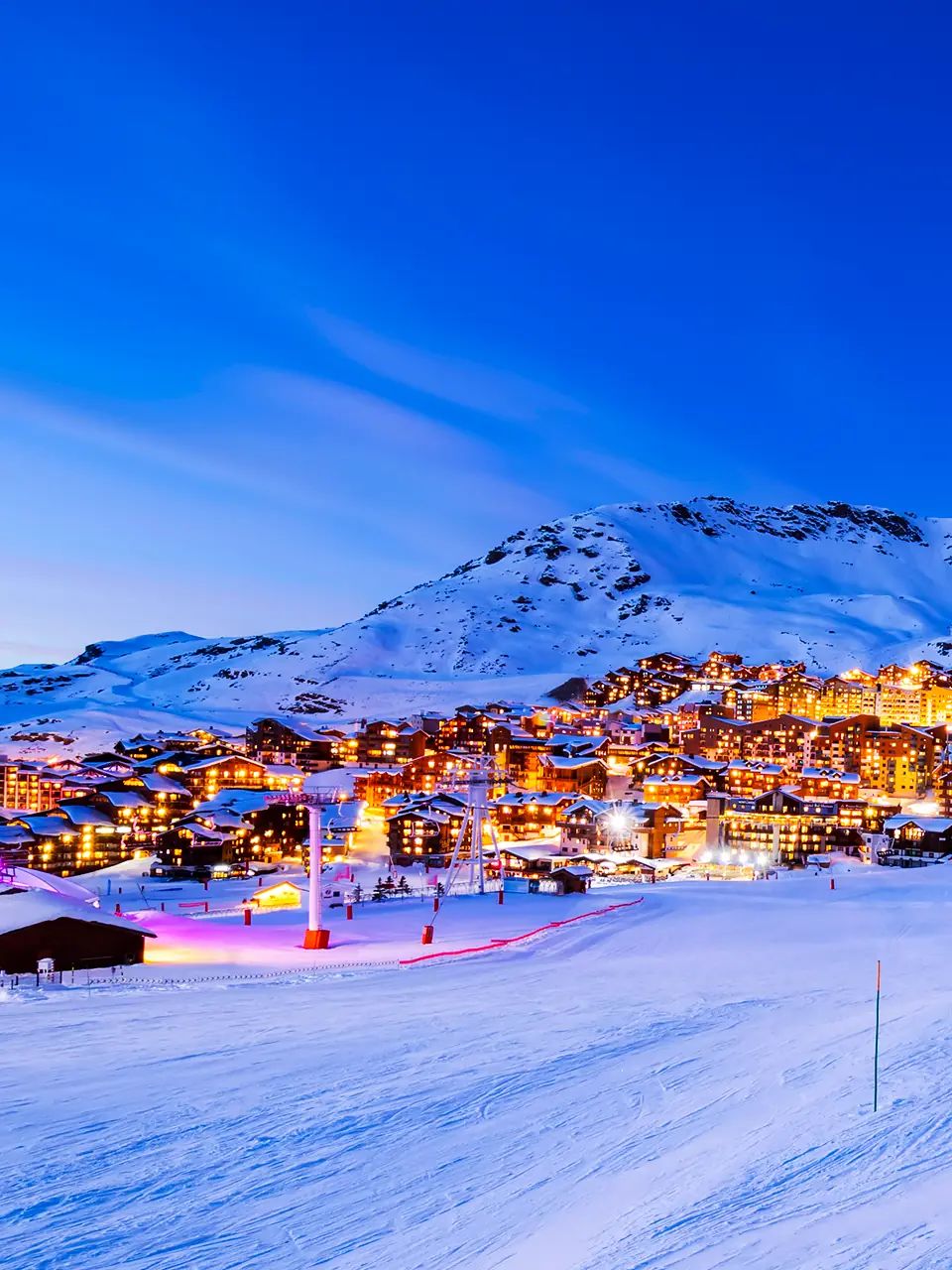
The low sun angle also creates beautiful light on the mountains - long shadows, golden hour colours in the early afternoon - which is worth considering if photography matters to you. And because lifts close relatively early, you have a natural transition into the evening: a long hot drink after skiing, a leisurely dinner, and an early night that leaves you fresh for the next day.
January demands more from your kit than a late-season trip. The key areas where packing differs from spring skiing are warmth, wind protection, and UV defence (which catches people out - the sun at altitude is strong even in winter, and snow reflects it upward).
Layers: A three-layer system is essential. Merino wool or synthetic base layers wick moisture away from your skin. A fleece, down jacket, or Primaloft mid-layer provides insulation. Your ski jacket and trousers handle wind and waterproofing. Avoid cotton - it traps moisture and chills you quickly.
Extremities: Warm gloves (not thin liners), a helmet liner or balaclava for very cold days, and neck gaiter or buff. Goggles are more important than sunglasses in January - they protect against wind and flat light on overcast days. Bring a spare pair of thin liner gloves for wearing inside your main gloves on the coldest mornings.
Sun protection: SPF 30+ sunscreen and lip balm with UV protection. The UV at altitude is strong even on cloudy January days, and snow reflection doubles the exposure. Apply before you leave the accommodation, not at the top of the mountain in the wind.
For a full breakdown of what to bring and how to layer, our packing guide for a ski holiday covers everything from base layers to luggage strategy.
January is a strong month for anyone with flexibility on dates - meaning anyone who doesn't need to travel during school holidays. That includes couples, groups of friends, retirees, remote workers, and professionals who can take time off in quieter work periods. The combination of deep snow, short lift queues, and wider accommodation availability makes it one of the best-value months of the season.
Beginners and improvers also benefit from January conditions. Ski school groups are smaller, which means more face-time with your instructor. The slopes are less intimidating when they're not packed with fast-moving traffic. And the snow itself is more forgiving - soft, consistent piste surfaces are easier to learn on than the icy or slushy conditions you sometimes encounter later in the season.
For experienced skiers and off-piste enthusiasts, January frequently provides the season's best powder days. Cold temperatures preserve fresh snowfall, fewer skiers mean untracked lines last longer, and the full terrain of most resorts is open by early January. If you're willing to accept shorter days and colder temperatures in exchange for better snow and fewer people, January rewards that trade-off handsomely.
Families with pre-school children (or home-schooled children) are also well-positioned for January. Children's ski lessons are easier to book, and the relaxed atmosphere on the slopes makes the experience less stressful for parents managing small children on skis for the first time.
Because January is outside UK school holidays, booking pressure is lower than for half term or Easter. You don't need to secure accommodation six months in advance the way you might for a February trip. That said, the best properties - slopeside apartments, well-located chalets, and popular hotel rooms - do still fill up, especially in high-profile resorts like Zermatt, Val d'Isere, and Lech.
A reasonable rule of thumb: booking two to three months ahead gives you good availability in most resorts. For the biggest names, four months is safer. Last-minute bookings (two to four weeks out) are more feasible in January than in almost any other month except early December, but you may be limited to less popular accommodation or dates.
Flights are another consideration. Airlines increase capacity for February half term but not always for January, so the routes and frequencies available to Alpine airports may be slightly narrower. Booking flights early gives you more choice of times and airports. For a step-by-step overview of the whole booking process, our guide to how to book a ski holiday walks through it from start to finish.
Target the second and third weeks of January. The first week still carries residual New Year traffic, and the last week of January can overlap with Scottish half term. The middle fortnight is the quietest window of the entire season in most resorts.
Check the resort's orientation before booking. South-facing resorts get significantly more sunshine in January, which affects how warm the day feels. If cold sensitivity is a concern, a sunny resort like Alpe d'Huez or Cervinia will feel several degrees warmer in practice than a shaded north-facing valley.
Pack for the cold, not against it. The right layers make January cold entirely manageable. Most discomfort comes from underdressing, particularly on hands and feet. A thin pair of heated insoles or hand warmers can make the difference between a brilliant day and a miserable one.
Use the quiet slopes to progress. January is the ideal month to push your skiing a level. With fewer people on the pistes, you can practise on runs that would feel intimidating when crowded. Book a lesson or two - the smaller group sizes mean you'll get more from it.
It's the coldest month of the season, but that cold is what creates the best snow conditions. With proper layering - a moisture-wicking base, insulating mid-layer, and windproof shell - most people find January entirely comfortable on the slopes. The cold only becomes a problem when you're underdressed, particularly on your hands and feet. If you run cold, consider heated insoles or chemical hand warmers as a backup.
Almost all major European resorts are fully open by early January. Most open in late November or December, and by the first week of January their complete lift network and full piste map are operational. The only exceptions are very low-altitude resorts that depend on natural snow, which may have limited terrain in unusually warm winters - but any resort above 1,500m will be fully open.
If your children are in English state schools, January falls within term time, so you'd need to request absence. Some families travel during the Scottish half term (late January or early February), and families with pre-school or home-schooled children have full flexibility. It's worth considering that January's smaller lesson group sizes and quieter slopes make it particularly well-suited to children learning to ski.
Low-snow Januarys are unusual but not impossible, especially at lower altitudes. Resorts with strong snowmaking - which includes most major destinations in France, Austria, and Italy - can maintain full piste coverage even during dry spells. If snow reliability is a concern, choosing a resort above 1,800m or one with glacier access reduces the risk further. Our guide to what makes a resort snow-sure explains what to look for.
It's one of the best. Smaller ski school groups mean more attention from your instructor. Quieter slopes mean less traffic to navigate while you're finding your feet. And the snow conditions are forgiving - soft, consistent pistes are easier to learn on than late-season ice or slush. The only trade-off is the cold, which is easily managed with the right clothing. For a full overview of planning your first trip, our guide to skiing in January covers resort options suited to newcomers.
Ready to lock in a January trip? Tell WeSki’s AI trip planner your dates, budget, and priorities - it'll build a shortlist of resorts that fit


WeSki is a trading name operated by Wetrip Weski Ltd (BR021500). All the flights and flight-inclusive holidays on this website are financially protected by the ATOL scheme. When you pay you will be supplied with an ATOL Certificate. Please ask for it and check to ensure that everything you booked (flights, hotels and other services) is listed on it. Please see our booking conditions for further information or for more information about financial protection and the ATOL Certificate go to: www.caa.co.uk.
Package holidays that do not include travel by air are financially protected via ABTOT.
For the latest travel advice from the Foreign & Commonwealth Office visit www.gov.uk/foreign-travel-advice.