
EN
EN
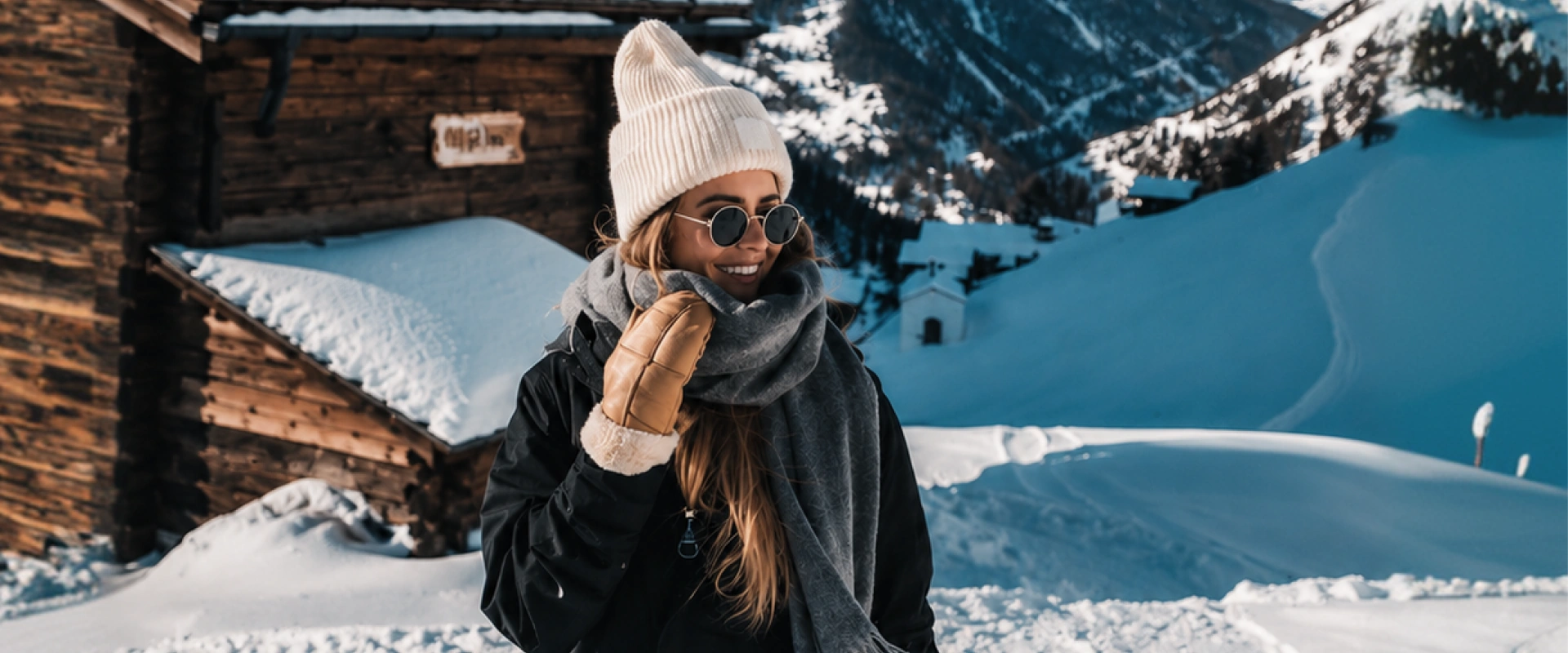
Knowing what to wear on the slopes is one of those things that seems straightforward until you’re standing in a shop staring at thermal ratings, waterproof membranes, and merino blends. The good news is that the system behind ski clothing is simpler than the marketing suggests - three layers, each doing a specific job, and a few non-negotiable accessories. This guide explains the logic, so you can make sensible choices without overspending. If you’re looking for a full packing rundown - what to bring, what to leave, and how to fit it all in a suitcase - our how to pack for a ski holiday guide covers everything. And if you want to see which brands consistently deliver on quality, our best ski clothing brands for UK skiers list is worth a look. Still putting the trip itself together? Take a look at our beginners ski holidays.
Skiing is one of the few activities where your body swings between extremes within minutes. You might be standing still on a chairlift in minus ten, then generating serious heat carving down a run thirty seconds later. A single heavy jacket can’t adapt to that range. Three thinner layers can.
Each layer has a role. The base layer moves moisture away from your skin. The mid-layer traps warm air close to your body. The outer layer stops wind, snow, and rain from getting in. The beauty of the system is that you can adjust it on the go - unzip the mid-layer when you’re warm, add it back on the chairlift, and leave the outer shell on throughout.
Most experienced skiers use this same system regardless of budget. The fabrics get better as you spend more, but the principle stays identical. Understanding the logic means you can build a functional setup without feeling pressured into top-end gear for your first trip.
The base layer sits against your skin, and its job is moisture management. When you ski, you sweat - often more than you’d expect given the cold air. If that moisture stays on your skin, it cools rapidly and pulls your body temperature down with it. A good base layer wicks sweat to its outer surface where it can evaporate, keeping you dry.
Two fabrics dominate: merino wool and synthetics (polyester blends, typically). Merino is naturally temperature-regulating, odour-resistant, and feels soft against skin. Synthetics dry faster and tend to cost less. Both work well. The one fabric to avoid entirely is cotton - it absorbs moisture, holds it, and gets cold. A cotton t-shirt under a ski jacket is one of the most common first-timer mistakes, and it makes an enormous difference to comfort.
For your legs, a base layer bottom in the same fabric keeps the system consistent. Tights, leggings, or purpose-made thermal bottoms all work. Fit should be snug but not restrictive - you need full range of movement for bending your knees.
This is the insulation layer - the one that traps warm air close to your body. Fleece, softshell, and lightweight down are the three main options, and each has trade-offs.
Fleece is the workhorse. It’s warm, breathable, dries quickly, and keeps working even when damp. A mid-weight zip-up fleece is the most versatile choice for most ski holidays. Softshell jackets combine some insulation with wind resistance, making them a good option if you tend to feel the cold on chairlifts. Down jackets pack the most warmth for their weight but lose their insulating ability if they get wet - fine under a waterproof shell, but less forgiving if your outer layer lets moisture in.
For most first-time skiers, a zip-up fleece or lightweight softshell is the right call. A full zip is better than a pullover because you can vent quickly when you overheat, which will happen more often than being too cold. If you’re skiing in late season or spring, you may find you don’t need a mid-layer at all on warmer afternoons - that’s the flexibility the system gives you.
Your ski jacket and salopettes (ski trousers) are the outer shell. Their job is keeping wind, snow, and water out while letting moisture vapour escape from inside. Two ratings matter here: waterproofing and breathability, both measured in millimetres.
For waterproofing, 10,000mm is the minimum for skiing. Anything below that and you’ll get damp in sustained snowfall or when sitting in snow after a fall. Higher ratings - 15,000mm to 20,000mm - cope better with heavy conditions but cost more. Breathability works the same way: higher numbers mean more moisture can escape, which reduces that clammy feeling when you’re working hard.
Salopettes come in two styles: bib (with shoulder straps) and waist-high. Bibs keep snow out more effectively if you fall, and they’re warmer around the core. Waist-high are easier to take on and off. Both work fine for a first trip. Look for reinforced inner ankle panels if you can - the inside edges take a beating from ski boot buckles over a week.
Pockets matter more than most people realise before their first ski day. A zipped chest pocket for your phone, a pocket large enough for goggles when you switch to sunglasses, and a dedicated pass pocket (many jackets have an arm-sleeve pocket designed for lift passes) all make your day smoother.
Your hands, feet, head, and neck are where heat escapes fastest - and where discomfort registers first. Getting these right has a disproportionate impact on how much you enjoy your day.
Gloves should be waterproof and insulated. Mittens are warmer because your fingers share body heat, but gloves give you more dexterity for adjusting buckles and using poles. A pair of thin liner gloves underneath adds warmth and means you can remove the outer glove briefly without bare-skin exposure.
Ski socks are worth a specific mention because the instinct to wear thick, heavy socks is strong - and wrong. Ski boots are designed to fit snugly around a single thin sock. A purpose-made merino ski sock, pulled up to the knee without bunching, is warmer and more comfortable than any layered-up alternative. This applies whether you’re in hire boots or your own.
A neck gaiter or buff is more practical than a scarf - it stays in place when you move and tucks into your collar without bulk. Goggles are essential for variable light and snow; sunglasses work on clear days and for après. SPF 50 sun cream and UV lip balm round out the non-negotiables - UV at altitude is significantly stronger than at sea level, and snow reflects it from below as well.
The layering system adapts to conditions without requiring a different wardrobe. What changes is how you configure the same pieces.
On a cold January day with temperatures below minus ten, you’ll want all three layers zipped up, possibly with a heavier mid-layer fleece, and you’ll be glad of a balaclava or thick neck gaiter. Mittens rather than gloves, and toe warmers (small adhesive heat packs that stick to your socks) can make a noticeable difference. The key is keeping extremities covered and reducing exposed skin.
In spring - March and April in most European resorts - mornings can be cold but afternoons feel almost warm. You might ski all morning in three layers, then strip down to your base layer and outer shell after lunch. Spring skiing also means stronger sun, so UV protection becomes even more important. Many spring skiers switch to lighter goggles or sunglasses for the afternoon.
Wind chill is the variable most people underestimate. A sunny day at minus five feels mild when you’re sheltered, but exposed chairlifts and ridge lines add a significant wind-chill factor. Having that mid-layer accessible - rather than left in the hotel - is what makes the difference between comfort and misery on a windy traverse.
Running tights work well as a base layer, provided they’re synthetic or merino rather than cotton. Most running tights are designed to wick moisture, which is exactly what you need. The fit tends to be right too - snug enough to sit comfortably under salopettes without bunching. If they’re warm enough for a cold-weather run, they’re warm enough for the slopes.
Lens tint makes a real difference. Darker lenses suit bright, sunny days; lighter or orange-tinted lenses improve contrast in flat light and snow. If you’re buying one pair, go for a medium-tint versatile lens - it won’t be perfect in every condition, but it’ll handle most. Some goggles come with interchangeable lenses, which gives you the flexibility without buying two separate pairs.
The main differences are the features rather than the fabric. Ski jackets typically have a powder skirt (an inner elasticated panel that stops snow getting in if you fall), a dedicated lift-pass pocket, goggle-compatible hoods, and wrist gaiters. A good-quality waterproof hiking jacket rated at 10,000mm or above will keep you dry - you just miss some of the ski-specific conveniences. For a first trip, that trade-off is perfectly reasonable.
Après can mean anything from a beer on a sun terrace in your ski gear to a sit-down dinner in the village. For the terrace, you’re fine in what you’ve been skiing in. For evenings, most resorts are relaxed - jeans, a warm jumper or casual jacket, and comfortable shoes with decent grip are all you need. The streets and paths in ski resorts get icy after dark, so shoes with some traction matter more than style.
Fogging happens when warm, moist air from your face meets the cold lens. The most common cause is pushing goggles up onto your forehead, which traps heat and moisture against the lens. Keep them on your face or take them off completely - don’t rest them on top of your helmet. Anti-fog sprays and replacement lenses with better ventilation also help, but the simplest fix is airflow: make sure your helmet vents align with the goggle vents so air can circulate.
Sorted your layers? WeSki’s AI trip planner can help with the next decision - tell it what matters to you and get a personalised shortlist of resorts in seconds

WeSki is a trading name operated by Wetrip Weski Ltd (BR021500). All the flights and flight-inclusive holidays on this website are financially protected by the ATOL scheme. When you pay you will be supplied with an ATOL Certificate. Please ask for it and check to ensure that everything you booked (flights, hotels and other services) is listed on it. Please see our booking conditions for further information or for more information about financial protection and the ATOL Certificate go to: www.caa.co.uk.
Package holidays that do not include travel by air are financially protected via ABTOT.
For the latest travel advice from the Foreign & Commonwealth Office visit www.gov.uk/foreign-travel-advice.