
EN
EN
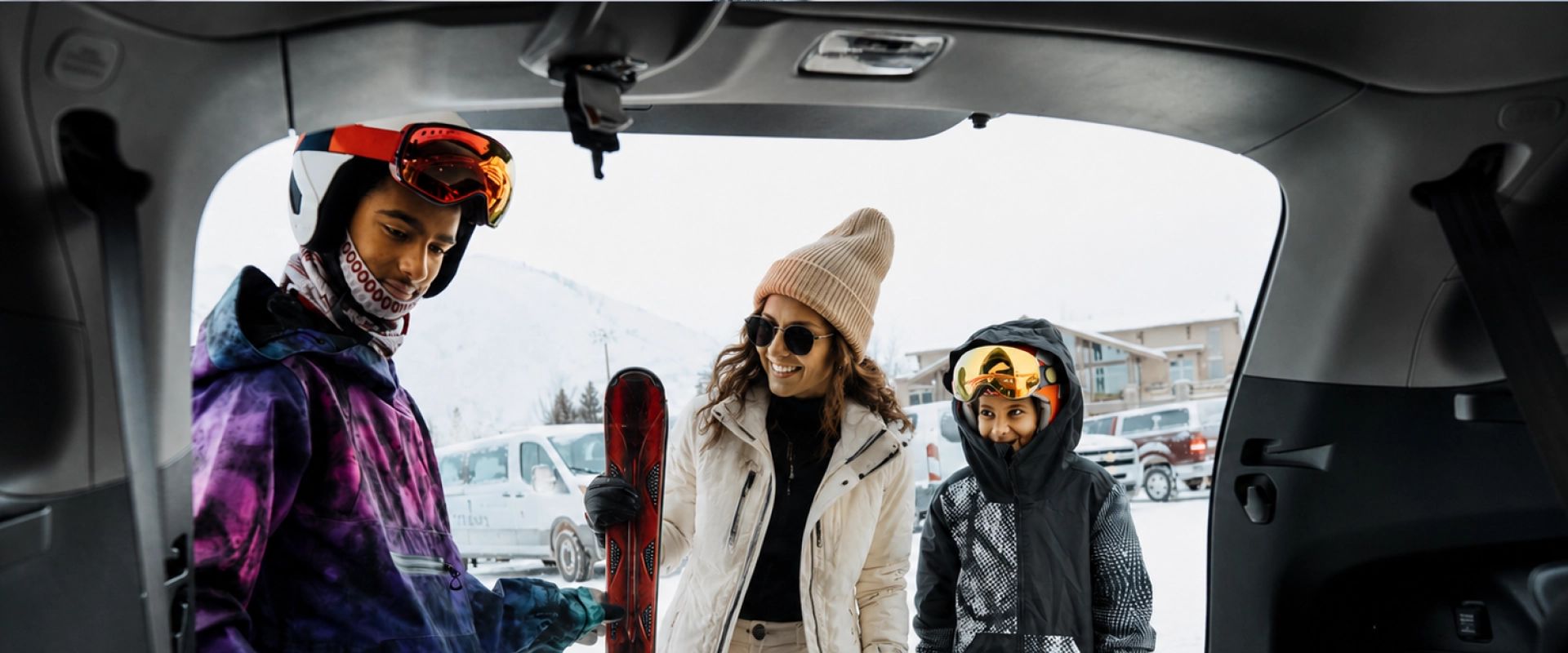
The kit list for a ski holiday looks longer than it actually is. Most of the technical equipment - skis, boots, poles, helmet - gets hired in resort, which means you’re really only responsible for clothing and a few accessories. The trick is knowing which items make a real difference to comfort and safety, and which you can safely leave at home. This guide breaks down everything you’ll encounter on a ski trip, from the equipment strapped to your feet to the layers underneath your jacket. If you’re deciding between hiring and buying, our guide to choosing the right ski equipment covers the rent-versus-buy decision in detail. And if you want specific product recommendations for your first trip, our best ski gear for beginners list is a good starting point. If you've yet to book the trip itself, browse our beginners ski holidays.
Four items form the core of your ski setup: boots, skis, poles, and a helmet. For first-timers and most regular holidaymakers, hiring all four in resort is the standard approach - and for good reason. Hire shops fit equipment to your size, weight, and ability level, and they’ll swap anything that doesn’t feel right during the week.
Boots matter more than anything else. A ski boot is the connection between your body and the ski, and how it fits determines how much control you have, how quickly you learn, and how comfortable you are throughout the day. When the hire shop fits your boots, you want them snug but not painful - your toes should just brush the front when you stand upright, then pull back slightly when you flex your shins forward into a skiing stance. If they’re loose enough to wiggle your feet freely, they’re too big. A sloppy boot makes every turn harder than it needs to be.
Skis and poles are matched to your height and ability. Beginner skis are shorter and softer, which makes them easier to turn at low speeds. You won’t need to make any decisions here - the hire shop handles the selection based on the information you give them. Helmets are increasingly compulsory (mandatory in Italy and parts of Austria for children) and standard hire across all European resorts. They’re included in most hire packages at no extra charge.
Ski clothing works in layers, and understanding the system makes packing much simpler. Three layers do all the work: a base layer against your skin, a mid-layer for warmth, and an outer shell for wind and waterproofing. The layering approach lets you adjust to conditions - a sunny afternoon in March and a blizzard in January are vastly different, but the same three layers handle both if you choose them well.
The base layer sits directly against your skin and its job is moving moisture away from your body. Merino wool or synthetic fabrics do this well. Cotton doesn’t - it absorbs sweat, holds it, and leaves you cold the moment you stop moving. This is the one clothing rule worth remembering: no cotton next to your skin. A thermal top and thermal leggings are all you need here.
The mid-layer provides insulation. A fleece, a thin down jacket, or a lightweight synthetic puffer all work. On warmer days you might skip it entirely; on colder days you might want a thicker version. Having two options gives you flexibility across the week.
The outer layer - your ski jacket and ski trousers - blocks wind, rain, and snow. These are the most expensive items on the clothing list, but they’re also the most durable. A decent ski jacket and trousers will last years. Look for a waterproof rating of at least 10,000 mm and taped seams. Ski-specific jackets have useful features like a powder skirt, wrist gaiters, and a helmet-compatible hood that you won’t find on a regular waterproof.
Goggles protect your eyes from UV, wind, and snow glare. UV at altitude is considerably stronger than at sea level - even on overcast days, the reflection off snow can cause sunburn and eye strain. A pair of ski goggles with UV400 protection is essential, not optional. If you wear glasses, look for goggles designed to fit over them, or consider prescription inserts.
Gloves keep your hands warm and dry, and cold hands end a ski day faster than tired legs. Ski-specific gloves or mittens with proper insulation and a waterproof membrane are the right choice - fashion gloves and woolly alternatives get wet within minutes and then make things worse. Mittens are warmer than gloves because your fingers share heat, though gloves give more dexterity for handling poles and zips.
Ski socks are a small item that makes a disproportionately large difference. One pair of thin, moisture-wicking ski socks is all you need inside each boot - not two pairs, not thick hiking socks. Extra thickness creates pressure points inside a ski boot and reduces circulation, which makes your feet colder, not warmer. Merino or synthetic ski socks that sit just below the knee are the standard.
A neck gaiter or buff is useful on cold or windy days, and sun cream with SPF 30 or higher belongs in your jacket pocket every single day. A small rucksack is worth considering too - somewhere to stash a mid-layer, a water bottle, and your sun cream when you’re on the mountain.
It’s easy to overcomplicate the kit list before a first trip. Back protectors, avalanche transceivers, specialist base layers with zonal insulation - these all have their place, but that place is not your first ski holiday. Beginners spend their time on gentle, groomed pistes where the main risks are minor tumbles and cold fingers, not backcountry hazards.
Similarly, buying your own skis and boots before you’ve skied makes little sense. Your ability and preferences will change rapidly during your first few trips, and what feels right as a complete beginner won’t suit you once you’re linking turns on blue runs. Hiring lets you try different equipment each time without committing to something you’ll outgrow. Buying becomes worth considering once you’re skiing regularly - typically after three or four trips - and know what you like.
On a typical ski morning, here’s what you’re wearing and carrying: thermal base layer and ski socks put on at your accommodation; mid-layer fleece; ski jacket and trousers; neck gaiter tucked into the collar. At the hire shop or ski locker, you clip into boots, grab skis and poles, and put on your helmet and goggles. Gloves go on last. Sun cream is already on your face from before you left.
The whole process takes longer than it sounds on day one - everyone’s boots feel awkward, everyone fumbles with buckles, and nobody walks gracefully in ski boots. By day three, the routine is automatic and you’ll be out of the door in minutes. The equipment is a means to an end. Once it’s on and fitted properly, it fades into the background and you can focus on the skiing.
For your first few trips, hiring boots in resort is the better option. Hire shops carry a wide range of sizes and flex ratings, and they’ll adjust the fit on the spot if something doesn’t feel right. Buying your own boots makes sense once you’re skiing several times a year and know exactly what fit and performance level you want - boots are the first piece of equipment most regular skiers invest in.
Sunglasses work on calm, sunny days and plenty of skiers carry a pair for lunchtime or mild conditions. But for actual skiing, goggles are much more practical. They seal around your face to block wind, snow, and peripheral glare, and they stay in place during falls. On a snowy or windy day, sunglasses fog up, slip, and leave your eyes exposed. Goggles are worth the investment from trip one.
Hire costs vary by resort and the level of equipment you choose. Most hire shops run tiered packages - a basic beginner setup is the most affordable, while performance and premium packages use newer or higher-spec gear. The standard beginner package at most European resorts includes boots, skis, poles, and a helmet. Our guide to choosing the right ski equipment covers how to decide which package level is right for you.
A thermal base layer (merino wool or synthetic) and a mid-layer fleece or light puffer jacket. Together with your ski jacket, that’s three layers - enough for most conditions. On warmer spring days you might drop the mid-layer; on very cold days you might swap the fleece for something thicker. Avoid cotton - it traps moisture and makes you cold. The same layering approach applies to your legs: thermal leggings under ski trousers.
A ski jacket is one of the few items worth buying before your first trip if your budget allows it. Unlike skis and boots, which you’ll outgrow as your ability changes, a good jacket works at every level. It’s also useful for non-skiing winter activities. Look for waterproofing of at least 10,000 mm, taped seams, and a helmet-compatible hood. If buying isn’t an option, some hire shops and outdoor retailers rent ski clothing too - it’s worth checking before you go.
Thinking about giving it a go? Try WeSki’s AI trip planner - tell it what matters to you and get a personalised shortlist of resorts in seconds



WeSki is a trading name operated by WeTrip Ltd. All the flights and flight-inclusive holidays on this website are financially protected by the ATOL scheme. When you pay you will be supplied with an ATOL Certificate. Please ask for it and check to ensure that everything you booked (flights, hotels and other services) is listed on it. Please see our booking conditions for further information or for more information about financial protection and the ATOL Certificate go to: www.caa.co.uk.
Package holidays that do not include travel by air are financially protected via ABTOT.
For the latest travel advice from the Foreign & Commonwealth Office visit www.gov.uk/foreign-travel-advice.