
EN
EN

April skiing has a character all its own. Longer days, warmer temperatures, and softer snow make it a different experience from the depths of winter - and for plenty of skiers, a better one. The trade-off is that not every resort stays open this late, so choosing the right destination matters more than it does in January or February. This list focuses on the resorts where conditions in April are a feature, not a compromise. If you're weighing up whether a late-season trip is worth it at all, our guide to skiing in April covers what to expect from conditions, crowds, and costs.
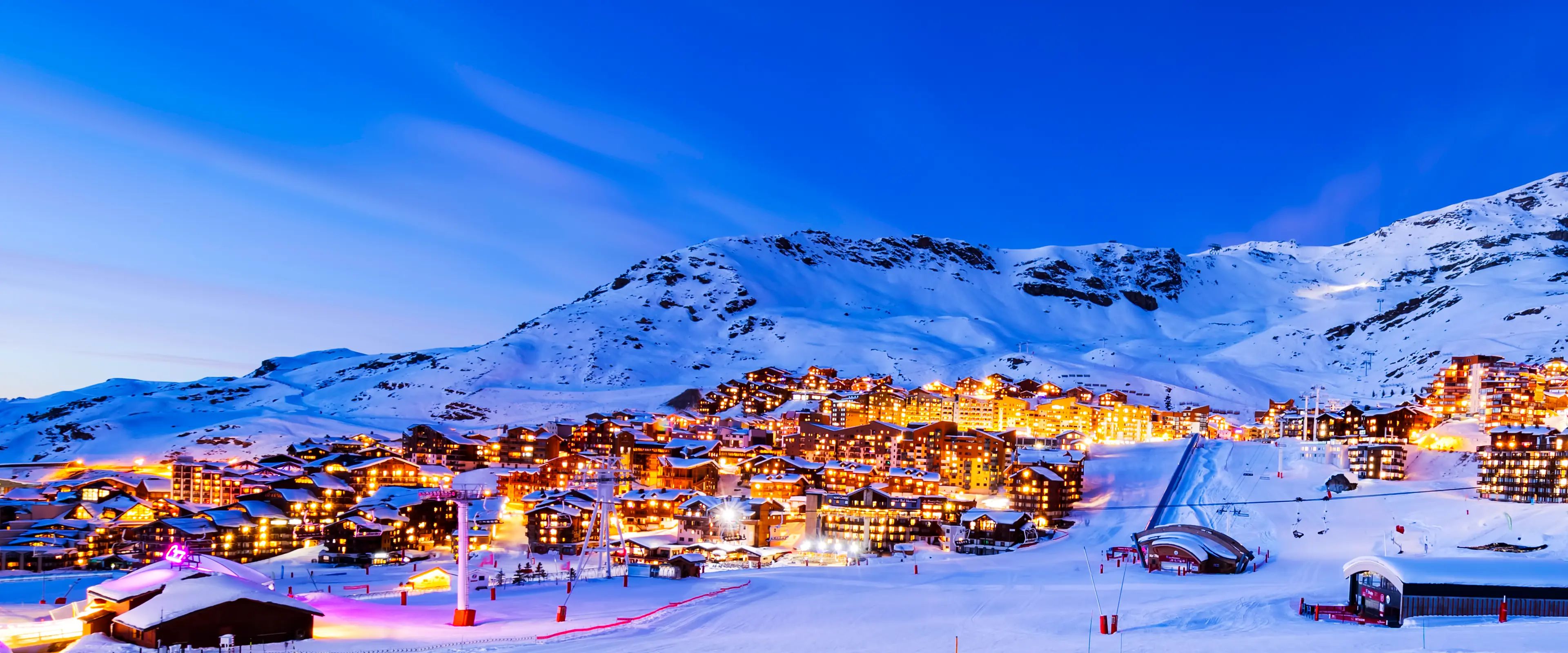
As the highest resort in Europe at 2,300m, Val Thorens is one of the safest bets for April snow. The altitude keeps conditions reliable well into spring, and the resort typically stays open until early May. April here means quiet pistes, strong morning grooming, and afternoons warm enough for a terrace lunch without a jacket. The wider Trois Vallees ski area starts to close down in stages through April, but Val Thorens' own terrain - including the glacier access above 3,000m - remains fully operational. Spring also brings some of the best off-piste conditions of the season, with a deep consolidated snowpack that's been building since November.
✓ Highest resort in Europe with skiing above 3,000m - the most snow-sure April option in France.
✓ Full resort services including ski school, restaurants, and lifts running until early May.
✓ Access to the Trois Vallees gives variety even as lower-altitude sectors wind down.
| Country | France |
|---|---|
| Ski area | Trois Vallees (Val Thorens sector) - 150 km of pistes |
| Altitude | 2,300m - 3,230m |
| Season end | Early May (typically first weekend) |
| Ski school | ESF Val Thorens, Prosneige - English-speaking instructors |
| Transfer time | Geneva (3h 30m); Lyon (3h 15m); Chambery (2h) |
WeSki insider tip: The Cime de Caron cable car is worth riding even if you don't ski down - the 360-degree panorama from 3,195m is at its most dramatic in spring when the sky is clearest. For skiing, the north-facing runs off the Peclet glacier hold their snow best into late April.
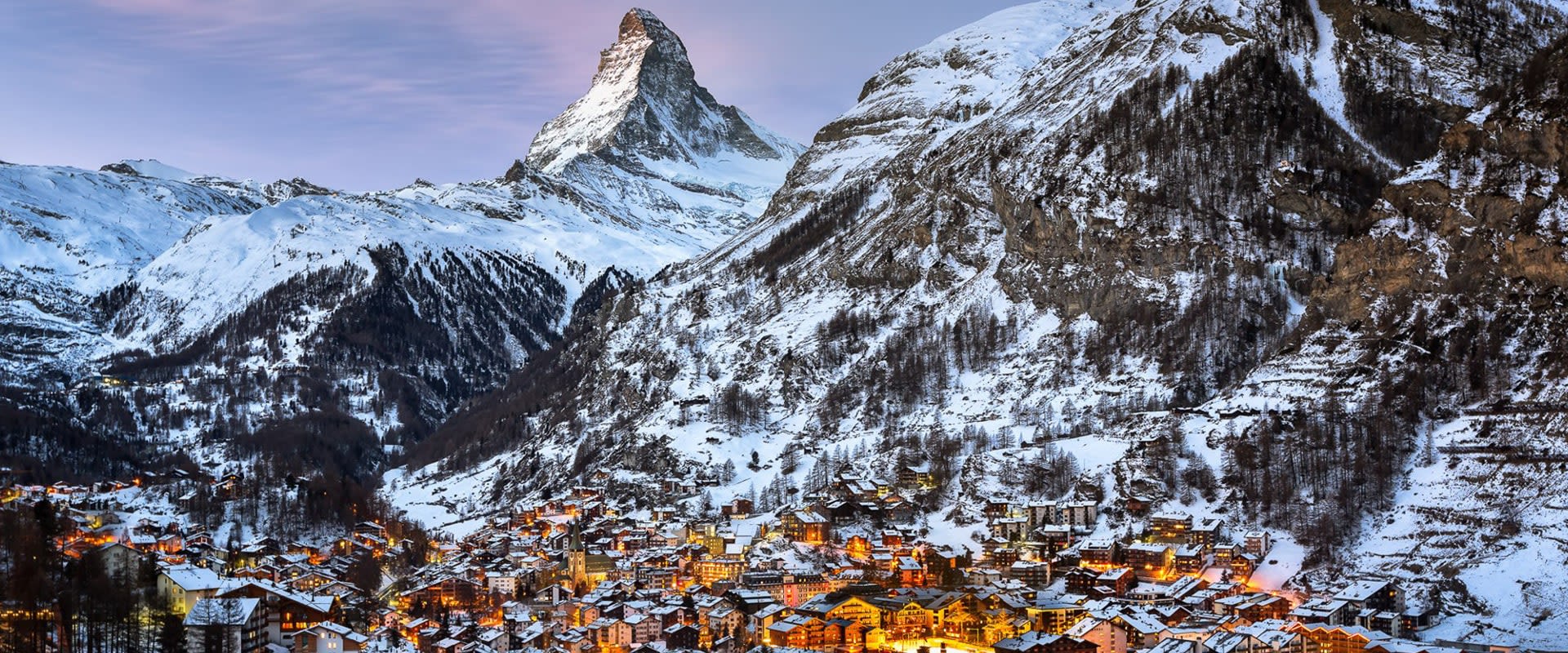
Zermatt is one of a handful of European resorts that never closes. The Klein Matterhorn glacier keeps skiing available year-round, and April is arguably its sweetest spot - deep snow coverage from the winter, longer days, and the Matterhorn framed against blue sky more often than not. The lower village runs start to thin out by mid-April, but the upper mountain from Trockener Steg to the Italian border at Cervinia stays in excellent shape. The village itself comes alive in spring, with terrace dining and a more relaxed pace than the peak-season intensity of February.
✓ Year-round glacier skiing up to 3,883m means April conditions are virtually guaranteed.
✓ The cross-border link to Cervinia doubles your skiing options on a single lift pass.
✓ A car-free village with spring terrace culture that rewards longer afternoons off the slopes.
| Country | Switzerland |
|---|---|
| Ski area | Matterhorn Ski Paradise - 360 km of pistes (with Cervinia) |
| Altitude | 1,620m - 3,883m |
| Season end | Year-round (glacier) |
| Ski school | Zermatt Ski School, Stoked - English-speaking instructors |
| Transfer time | Geneva (3h 45m); Zurich (3h 30m); Milan (3h) |
WeSki insider tip: In April, the snow on the lower Sunnegga side softens quickly after midday. Start your morning there while it's still firm, then move to the Gornergrat or Klein Matterhorn side for the afternoon - the higher altitude keeps things crisp later in the day.
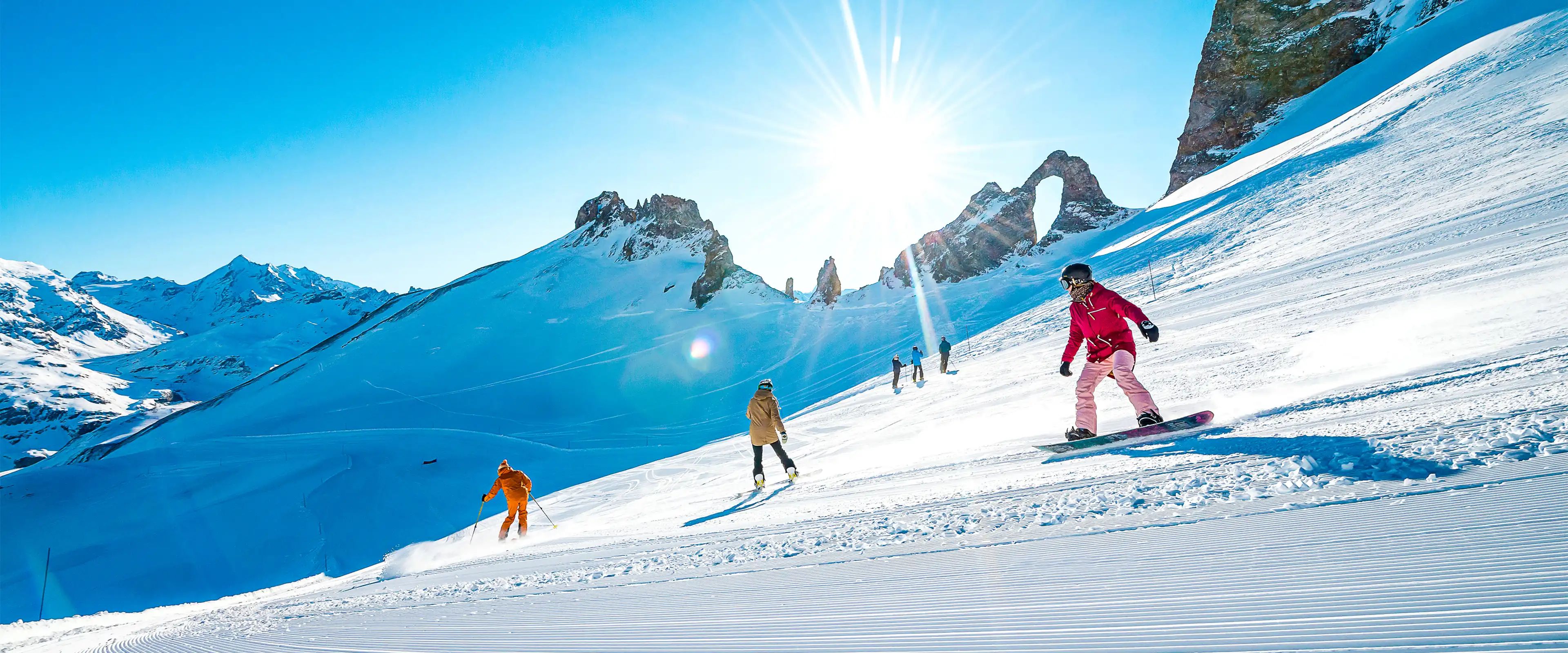
Tignes regularly stays open until the first week of May, and in strong snow years even later. The Grande Motte glacier at 3,456m anchors the late-season skiing, but it's the sheer quantity of terrain above 2,100m that makes Tignes work so well in April. The resort runs a full programme right through spring, including its ski school, and the atmosphere shifts from high-season bustle to something more laid-back. April in Tignes also brings some of the resort's best events - open-air concerts, freestyle competitions, and a general end-of-season energy that's hard to find elsewhere.
✓ Grande Motte glacier skiing at 3,456m keeps conditions strong into May.
✓ Full resort services and a lively end-of-season events programme through April.
✓ Part of the Espace Killy with Val d'Isere - one of the largest late-season ski areas in Europe.
| Country | France |
|---|---|
| Ski area | Espace Killy (Tignes sector) - 150 km of pistes |
| Altitude | 2,100m - 3,456m |
| Season end | Early May |
| Ski school | ESF Tignes, Evolution 2 - English-speaking instructors |
| Transfer time | Geneva (3h); Lyon (3h); Chambery (1h 45m) |
WeSki insider tip: The runs around Tignes Le Lac hold snow better than those near Tignes Val Claret in late April, thanks to their aspect. For the best morning conditions, head straight to the Aiguille Percee sector before the sun hits.
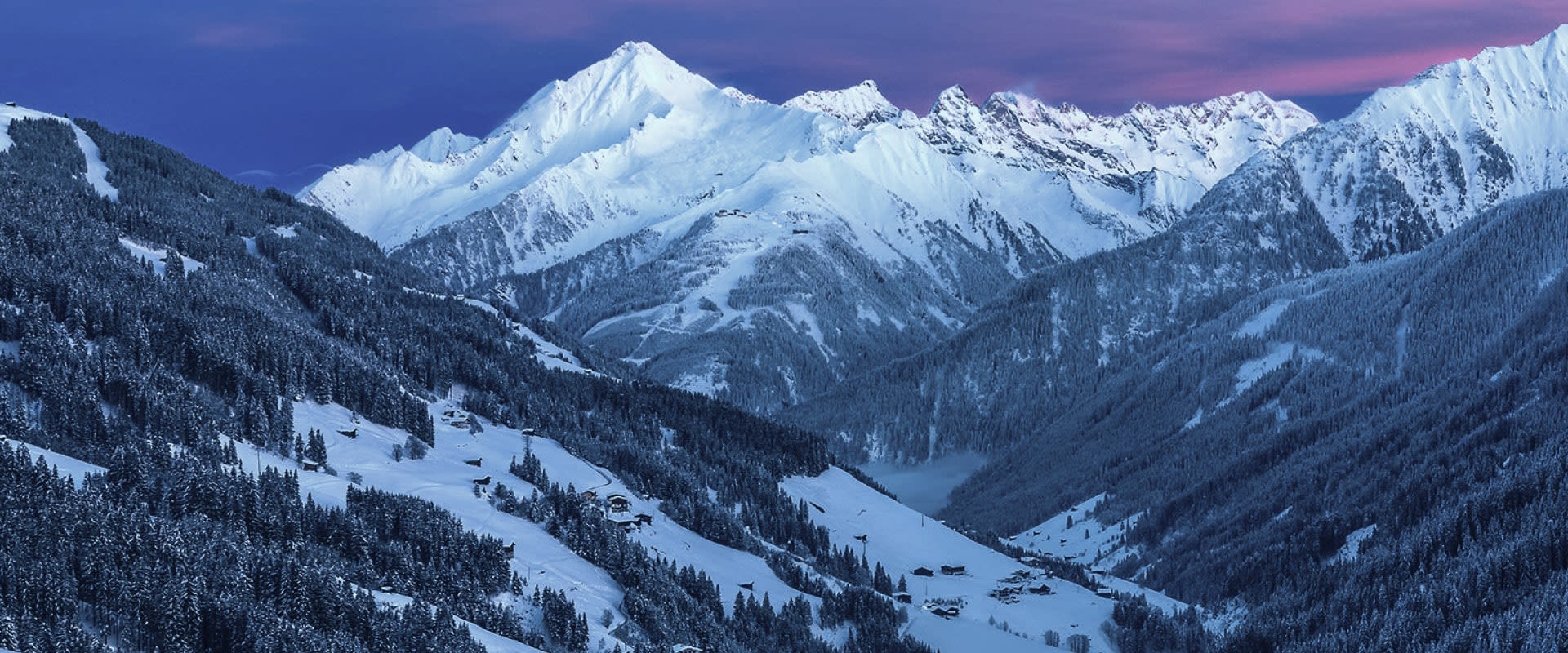
Hintertux is Austria's only year-round ski resort, and its glacier reaches 3,250m - high enough to hold excellent snow through the entire spring. The glacier terrain itself covers around 60 km of pistes, which is more than enough for a long weekend or a full week if you factor in the lower Zillertal valley runs that overlap with the end of the main season. The village of Hintertux is small and quiet, which suits April visitors looking for a relaxed trip without the infrastructure of a mega-resort. It's also well connected to the wider Zillertal Arena if you arrive early in April while the valley lifts are still running.
✓ Austria's only year-round glacier resort - skiing is guaranteed regardless of the season.
✓ A quieter, village-scale alternative to the large French and Swiss late-season resorts.
✓ Easy access from Innsbruck with one of the shorter glacier transfers in the Alps.
| Country | Austria |
|---|---|
| Ski area | Hintertux Glacier - 60 km of pistes |
| Altitude | 1,500m - 3,250m |
| Season end | Year-round (glacier) |
| Ski school | Ski School Hintertux - English-speaking instructors |
| Transfer time | Innsbruck (1h 30m); Munich (2h 30m) |
WeSki insider tip: The Olperer Hutte hike, starting from the glacier gondola mid-station, is one of the most photographed viewpoints in the Tyrol. In April the snow line is still low enough to make it a proper snow hike - bring proper boots and allow two hours round trip.
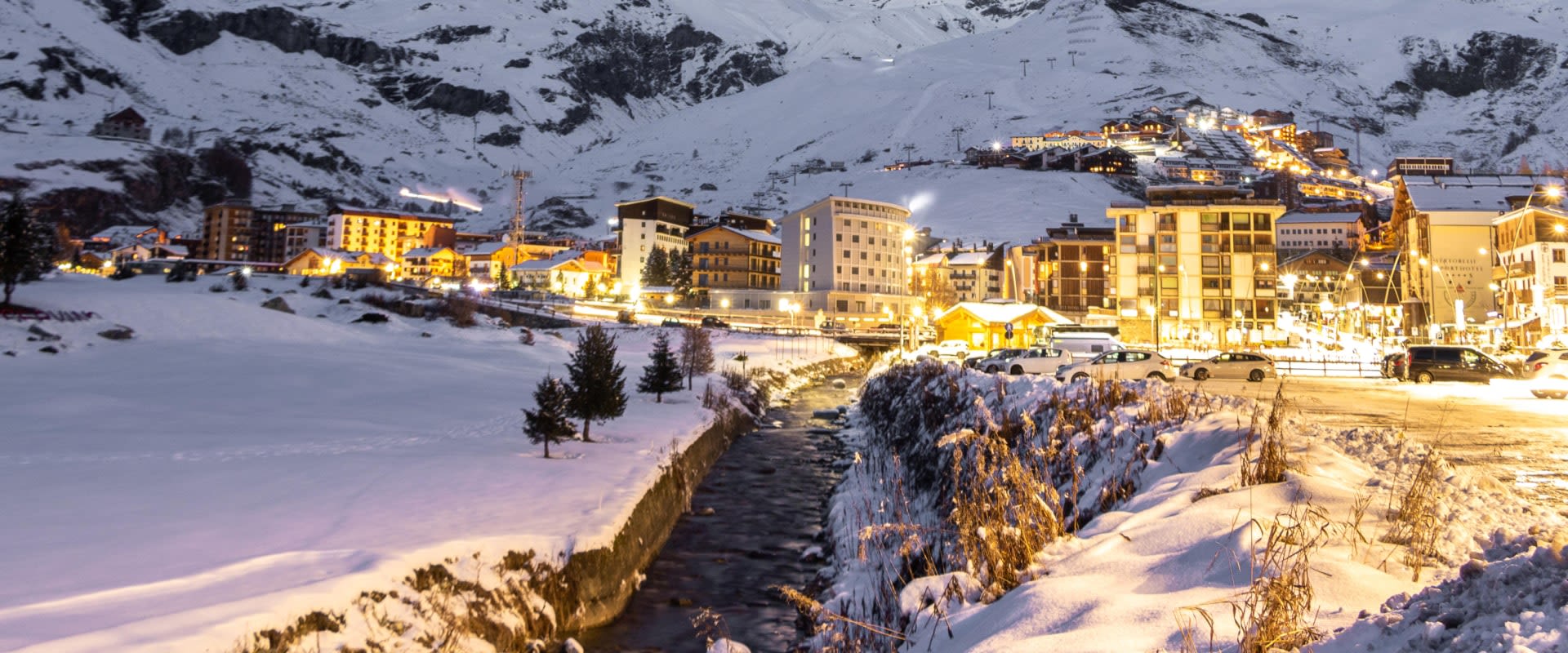
Cervinia sits on the Italian side of the Matterhorn and shares its glacier terrain with Zermatt across the border. At village level it's already 2,050m, and the skiing reaches up to 3,480m on the Plateau Rosa glacier. This altitude combination means April conditions here are among the most reliable in Italy. The pistes are wide, well-groomed, and predominantly south-facing - which in April gives you warm sunshine and soft snow from mid-morning onwards. Cervinia's approach to food also sets it apart: mountain restaurants here serve proper Italian lunches, and April's sunshine makes an extended terrace stop part of the experience rather than a luxury.
✓ Village at 2,050m with glacier skiing to 3,480m - one of Italy's highest and most snow-sure resorts.
✓ Cross-border skiing into Zermatt included with the international lift pass.
✓ Italian mountain dining that turns a lunch stop into a highlight of the day.
| Country | Italy |
|---|---|
| Ski area | Matterhorn Ski Paradise (Cervinia sector) - 160 km of pistes |
| Altitude | 2,050m - 3,480m |
| Season end | Late April to early May |
| Ski school | Cervinia Ski School, Breuil Ski School - English-speaking instructors |
| Transfer time | Turin (2h); Milan (2h 30m); Geneva (3h 30m) |
WeSki insider tip: The Ventina run from Plan Maison down to Cervinia village is one of the longest descents in the area and faces east, so it gets morning sun early. Ski it first thing when the grooming is fresh and the light is at its best.
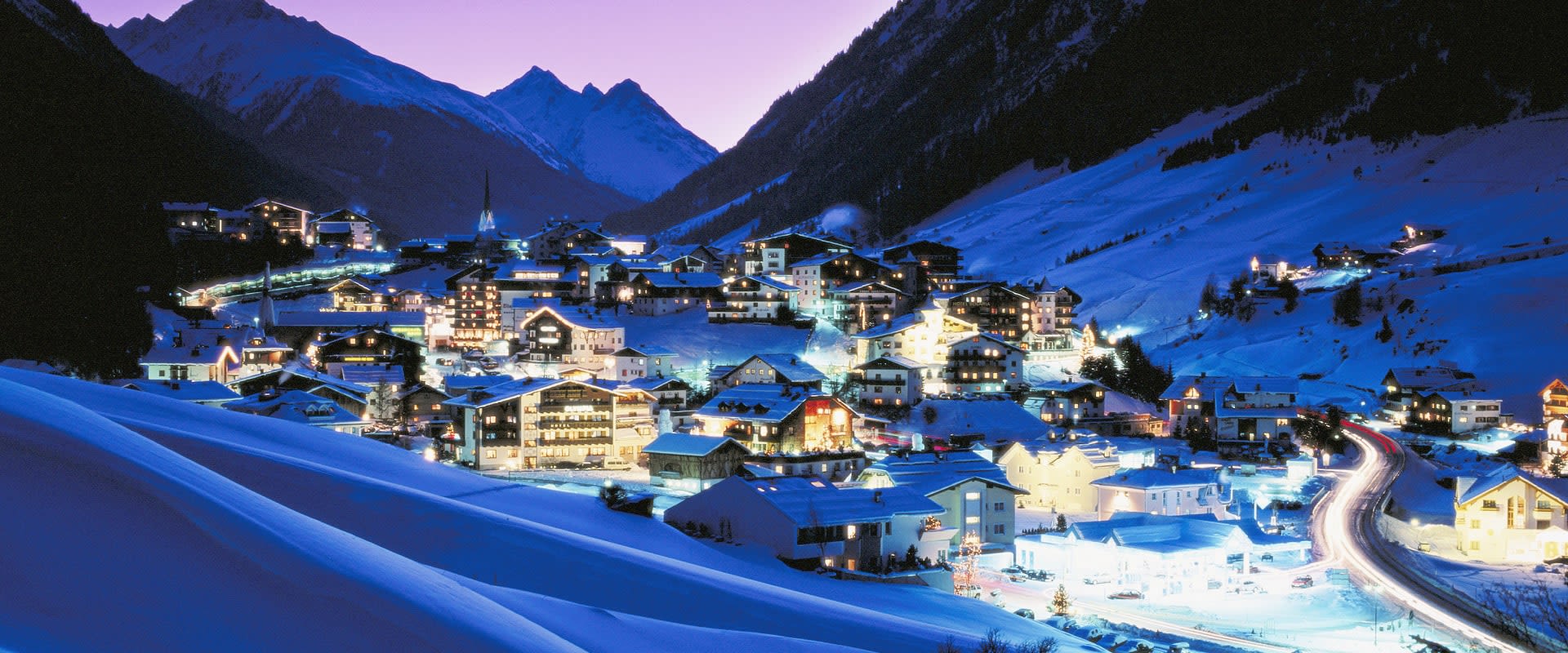
Ischgl typically closes at the end of April or the first weekend of May, and it does so with one of skiing's biggest parties - the Top of the Mountain closing concert, which has previously featured headline acts performing at altitude. Beyond the end-of-season event, Ischgl's appeal in April is its terrain. Most of the skiing sits between 2,000m and 2,872m, which keeps snow conditions solid even as temperatures rise. The cross-border link into Samnaun, Switzerland adds variety, and the resort infrastructure - restaurants, lifts, grooming - runs at full capacity right up to closing day. April here feels purposeful, not like a resort winding down.
✓ Most skiing above 2,000m means April snow cover is reliably strong.
✓ The Top of the Mountain closing concert makes Ischgl's last weekend an event in itself.
✓ Cross-border skiing into Samnaun with duty-free shopping on the Swiss side.
| Country | Austria |
|---|---|
| Ski area | Silvretta Arena - 239 km of pistes |
| Altitude | 1,377m - 2,872m |
| Season end | Late April / early May |
| Ski school | Ischgl Ski School - English-speaking instructors |
| Transfer time | Innsbruck (1h 30m); Zurich (2h 45m) |
WeSki insider tip: The Idalp plateau at 2,320m is the hub of Ischgl's ski area and tends to get busy around lunchtime. Ski the Palinkopf side first thing in the morning - it's north-facing, holds its snow well, and is quieter than the main bowl.
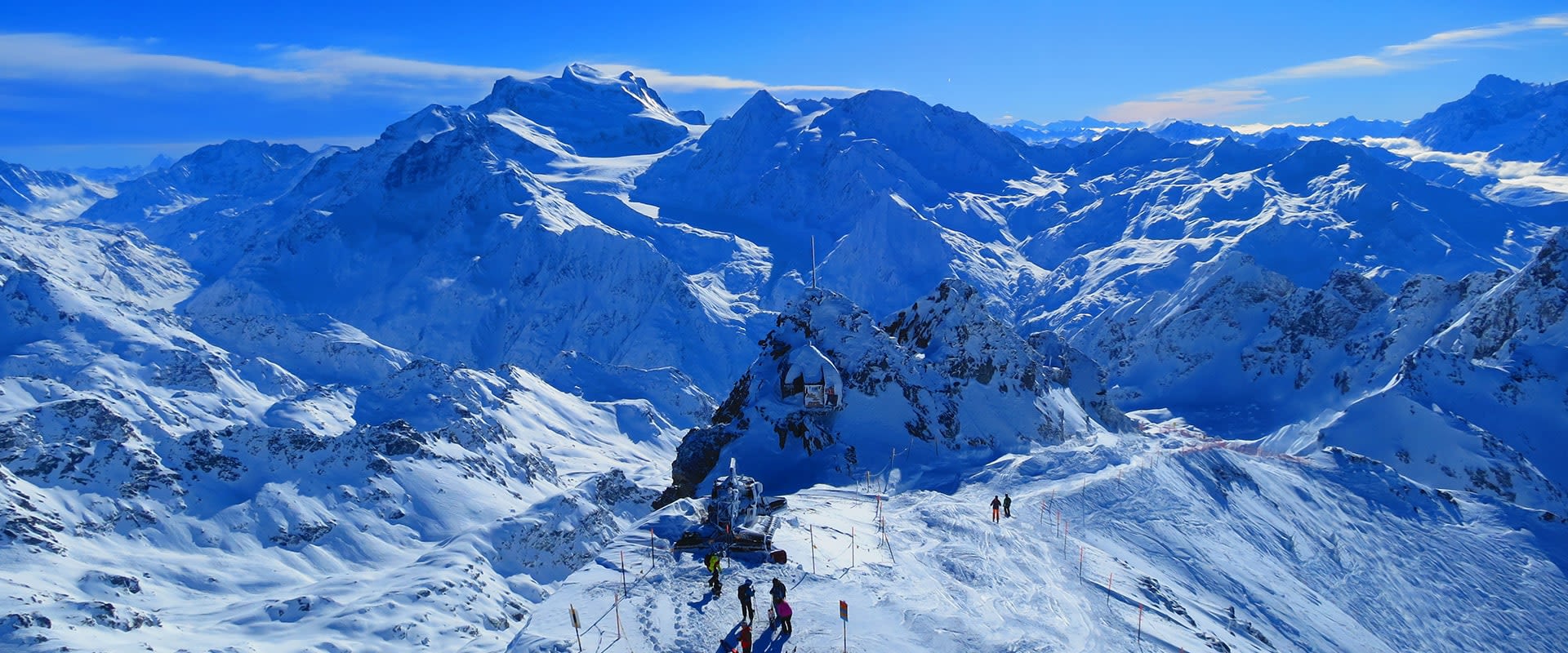
Verbier's reputation is built on freeride terrain, and April is when many of its most experienced visitors choose to come. The spring snowpack is deep, consolidated, and predictable - conditions that make the famous off-piste itineraries like Mont Fort and Mont Gele safer and more enjoyable than in the avalanche-prone midwinter weeks. On-piste, the groomed runs above Attelas and Les Ruinettes hold their shape well through April, and the village itself takes on a more relaxed, locals-and-regulars atmosphere. Verbier typically stays open until the third or fourth weekend of April, though the upper lifts sometimes extend further.
✓ April's consolidated snowpack creates some of the best freeride conditions of the season.
✓ A lively village atmosphere with spring terrace culture across Verbier's bars and restaurants.
✓ Access to the wider 4 Vallees ski area with over 400 km of interconnected terrain.
| Country | Switzerland |
|---|---|
| Ski area | 4 Vallees - 410 km of pistes |
| Altitude | 1,500m - 3,330m |
| Season end | Mid to late April |
| Ski school | Swiss Ski School Verbier, Adrenaline - English-speaking instructors |
| Transfer time | Geneva (2h 15m); Zurich (3h 30m) |
WeSki insider tip: If the Mont Fort cable car is running, take it for the descent to Tortin - a steep, mogulled run that in April has softened just enough to be exhilarating rather than punishing. Aim for late morning when the sun has warmed the snow surface.
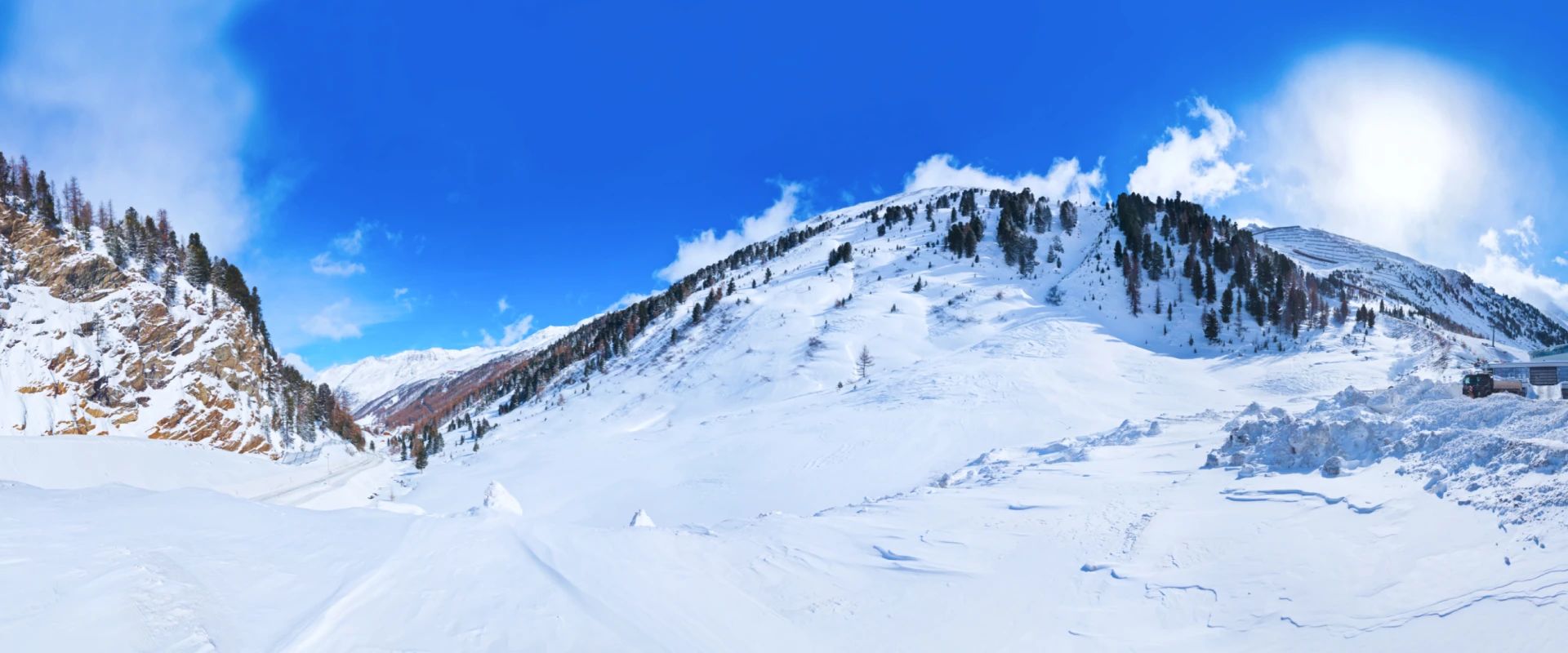
Obergurgl sits at 1,930m and peaks at 3,080m, making it one of the highest resort villages in Austria. That altitude translates into very reliable late-season snow - the resort routinely stays open until late April and has one of the strongest snow records in the Austrian Alps. It's also one of the quieter resorts on this list, which in April means near-empty pistes on weekdays. The skiing is best suited to intermediates and confident beginners, with well-groomed reds and blues across two linked sectors. The village is small and self-contained, with everything walkable - which after a day on soft spring snow is exactly what most people want.
✓ One of Austria's highest villages at 1,930m with a strong late-season snow record.
✓ A quiet, uncrowded resort that suits skiers who prefer piste space over nightlife.
✓ Two linked ski areas (Obergurgl and Hochgurgl) with well-groomed intermediate terrain.
| Country | Austria |
|---|---|
| Ski area | Obergurgl-Hochgurgl - 112 km of pistes |
| Altitude | 1,930m - 3,080m |
| Season end | Late April |
| Ski school | Ski School Obergurgl - English-speaking instructors |
| Transfer time | Innsbruck (1h 15m); Munich (3h) |
WeSki insider tip: The Top Mountain Star restaurant at the summit of Hochgurgl (3,080m) has floor-to-ceiling glass and views across to the Dolomites on clear days. In April the visibility is often at its best - arrive around 11am before the lunch crowd.
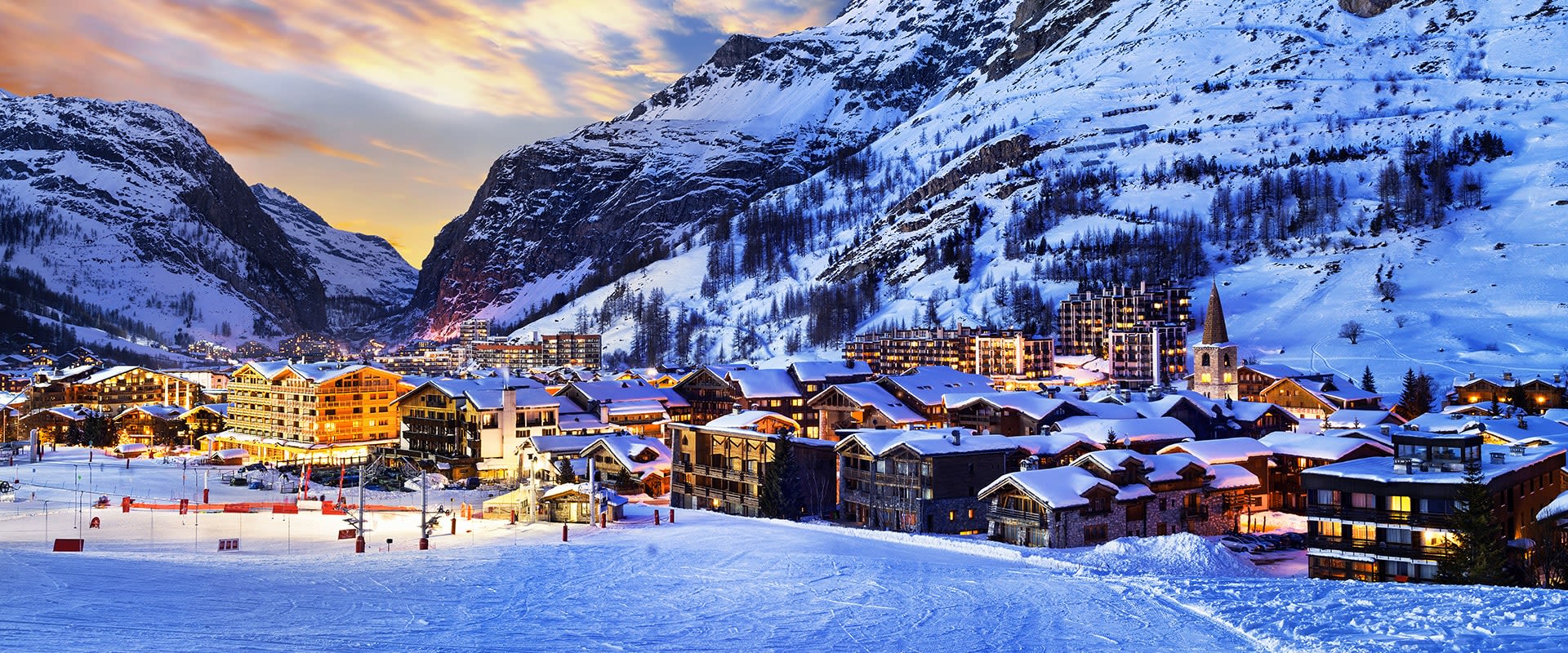
Val d'Isere shares the Espace Killy ski area with Tignes, and its own season typically runs until the last weekend of April. The resort village sits at 1,850m and the skiing climbs to 3,456m on the shared glacier, giving it the altitude range needed for late-season reliability. What sets Val d'Isere apart in April is the terrain quality - the Face de Bellevarde, host of Olympic downhill events, is a world-class run that in spring conditions becomes accessible to strong intermediates as the snow softens. The village atmosphere in April is also distinctive: the big-money crowds of February have moved on, and what's left is a mix of locals and returning regulars.
✓ Olympic-quality terrain including the Bellevarde face, accessible to intermediates in spring snow.
✓ Shared Espace Killy ski area with Tignes for over 300 km of combined late-season skiing.
✓ A village with serious dining and a more intimate atmosphere once peak season ends.
| Country | France |
|---|---|
| Ski area | Espace Killy (Val d'Isere sector) - 150 km of pistes |
| Altitude | 1,850m - 3,456m |
| Season end | Late April |
| Ski school | ESF Val d'Isere, Snow Fun - English-speaking instructors |
| Transfer time | Geneva (3h); Lyon (3h); Chambery (1h 45m) |
WeSki insider tip: The Fornet sector on the far side of Val d'Isere's ski area is north-facing and catches less sun, which means the snow stays firmer longer into the day. It's also the quietest corner of the resort in April - save it for afternoons when the main pistes have softened too much.
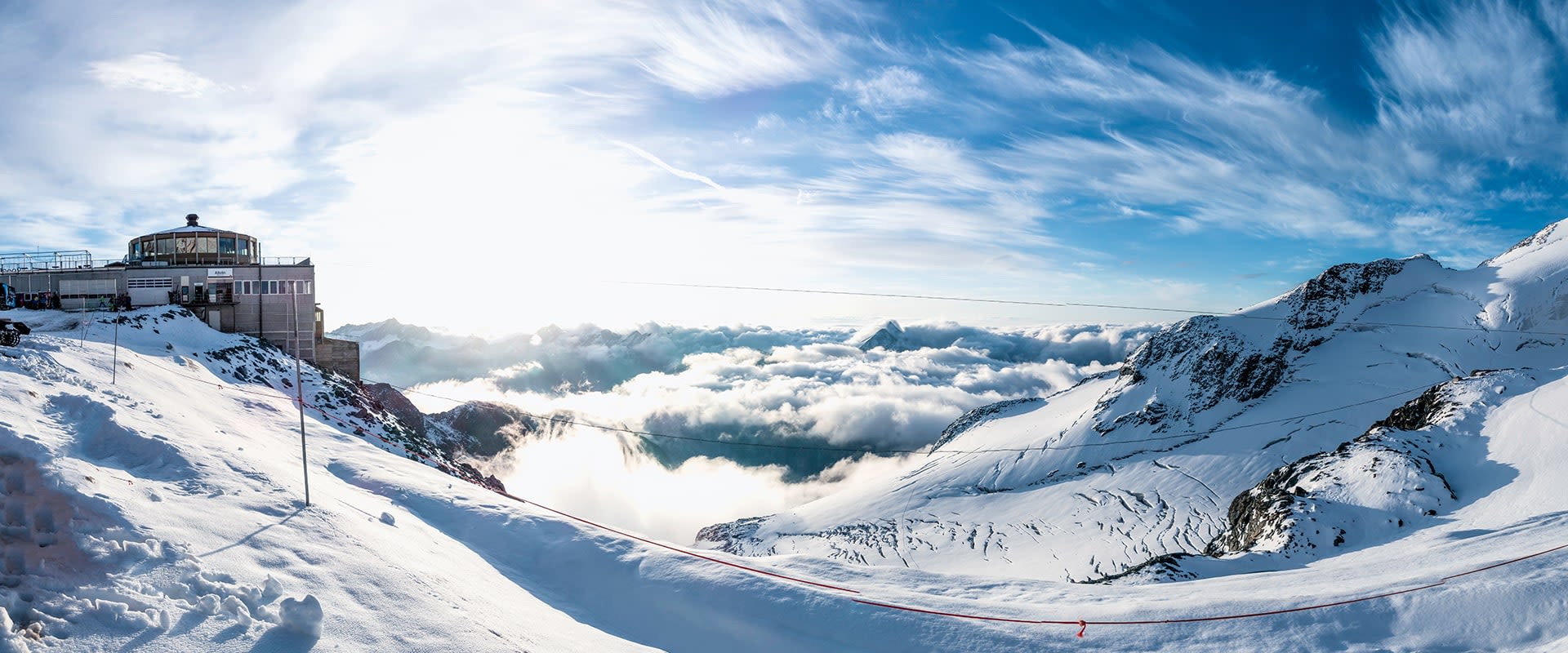
Saas-Fee is another year-round Swiss glacier resort, and it shares Zermatt's high-altitude advantage without the same price tag. The village sits at 1,800m in a natural amphitheatre of 4,000m peaks, and the skiing reaches 3,600m on the Allalin glacier. In April, the glacier terrain and the upper mountain runs above Morenia are in excellent shape, and the village's car-free streets give it a particularly peaceful quality as the season winds down. Saas-Fee is smaller and quieter than Zermatt - which is part of the appeal for April visitors who want altitude insurance without the busy infrastructure of a large resort.
✓ Year-round glacier skiing to 3,600m in a car-free, village-scale setting.
✓ Surrounded by thirteen 4,000m peaks - one of the most dramatic mountain settings in the Alps.
✓ A quieter, more affordable alternative to Zermatt with comparable altitude and snow reliability.
| Country | Switzerland |
|---|---|
| Ski area | Saas-Fee - 100 km of pistes |
| Altitude | 1,800m - 3,600m |
| Season end | Year-round (glacier); main season to late April |
| Ski school | Swiss Ski School Saas-Fee - English-speaking instructors |
| Transfer time | Geneva (3h 15m); Zurich (3h 15m); Milan (2h 45m) |
WeSki insider tip: The revolving restaurant at Mittelallalin (3,500m) is the world's highest, and in April the viewing platform outside it is usually snow-free enough to walk around. The panorama takes in the Dom, the Weisshorn, and on clear days the Mont Blanc massif. Time your visit for a morning coffee rather than lunch - it's quieter and the light is better for photos.
High-altitude resorts and those with glacier access tend to stay open the longest. In France, Val Thorens, Tignes, and Val d'Isere typically run until early May. In Austria, Ischgl and Obergurgl close in late April, while Hintertux stays open year-round. In Switzerland, Zermatt and Saas-Fee both have year-round glacier skiing. The exact closing dates shift slightly each season depending on snow conditions, so it's worth checking before you book.
At high altitude, April snow can be excellent - particularly first thing in the morning when overnight frost has firmed up the surface. As the day warms, the snow softens into what's called 'spring snow', which is smooth and forgiving to ski on. Lower-altitude runs can become slushy by early afternoon, which is why the resorts on this list all sit above 1,500m with skiing well above 2,000m. The key is to follow the sun and the altitude - ski high and north-facing in the afternoon.
April has some real advantages for beginners. The pistes are quieter, the weather is warmer, and the softer snow is more forgiving when you fall. Ski schools run at full capacity in most of the resorts on this list, so lessons are easy to arrange. The main thing to be aware of is that nursery slopes at lower altitudes can become patchy - choosing a high-altitude resort with dedicated beginner areas above 2,000m makes a noticeable difference.
April generally falls outside the peak booking windows of Christmas, New Year, and February half term, which means accommodation and package pricing tend to be lower. The resorts that stay open this late are also keen to fill beds in what's traditionally their quietest trading period. Flights to Geneva, Innsbruck, and other gateway airports are often more competitive in April too. The combination of lower prices, warmer weather, and emptier slopes is what makes late-season skiing attractive to people who have the flexibility to travel outside school holidays.
In the Alps in April, you can expect around 13 to 14 hours of daylight. Lifts typically open at 8:30 or 9:00 and close between 16:00 and 17:00, which gives you a full day on the mountain. The longer daylight hours also mean warmer afternoons and more time for apres-ski on sun-drenched terraces - one of the real pleasures of a spring ski trip.
Still weighing up your options? WeSki’s AI trip planner can match you to the right April resort based on your dates, level, and priorities - try it and get a shortlist in seconds.

WeSki is a trading name operated by Wetrip Weski Ltd (BR021500). All the flights and flight-inclusive holidays on this website are financially protected by the ATOL scheme. When you pay you will be supplied with an ATOL Certificate. Please ask for it and check to ensure that everything you booked (flights, hotels and other services) is listed on it. Please see our booking conditions for further information or for more information about financial protection and the ATOL Certificate go to: www.caa.co.uk.
Package holidays that do not include travel by air are financially protected via ABTOT.
For the latest travel advice from the Foreign & Commonwealth Office visit www.gov.uk/foreign-travel-advice.