
EN
EN
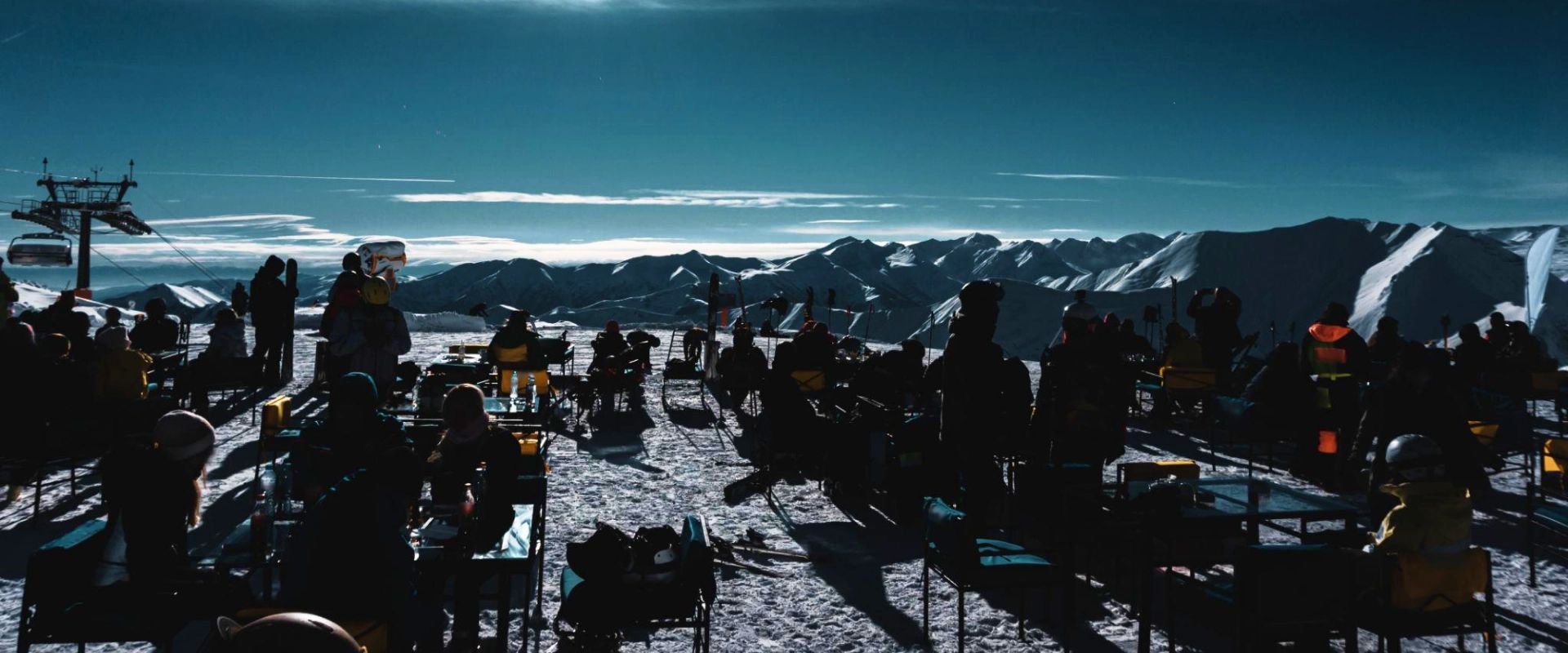
Après ski is one of those phrases that gets thrown around a lot, but if you haven't been on a ski holiday before, it can feel a bit mysterious. Put simply, it's what happens after you finish skiing for the day - and it ranges from a quiet drink in a mountain restaurant to a full evening out in a resort village. It's as much a part of a ski holiday as the skiing itself, and for many people it's one of the highlights. If you're already thinking about which resorts do it best, our best après-ski resorts in Europe guide is a good place to start. And if you want practical tips on making the most of it, our how to do après ski like a local guide covers everything from what to wear to where to go.
The phrase is French - 'après' simply means 'after'. So après ski is, literally, 'after skiing'. It entered common usage in the Alps sometime in the mid-twentieth century, as ski resorts became holiday destinations rather than just places to ski. The tradition grew up alongside the resorts themselves, and each country has put its own stamp on it.
In practice, the term covers everything that happens between taking your skis off and going to bed. That might be a hot chocolate on a sun terrace at 3pm or a late dinner with friends in the village. There's no single right way to do après - it depends on the resort, the country, and what you're in the mood for. Some people hear 'après ski' and picture loud music and beer on a table. That version exists, but it's one slice of a much wider tradition.
Worth knowing: in some resorts, particularly in Austria, 'après' specifically refers to the early-evening drinking session that starts on the slopes and moves into the village. In France and Switzerland, the same hours tend to be quieter, with après blending more gradually into the evening. The word means the same thing everywhere - the culture around it varies enormously.
A typical après ski afternoon starts when the lifts close - usually around 4pm or 4:30pm, depending on the resort and time of season. In many resorts there are mountain bars or sun terraces right at the base of the slopes, and the natural thing to do is stop for a drink before heading back to your accommodation. This is where après begins for most people, and it's often the most relaxed part of the day.
From there, the evening unfolds at whatever pace suits you. Some skiers head back to change and rest before dinner. Others stay out, moving from a slope-side bar to a village restaurant and possibly on to a late-night spot. Most resorts have a rhythm to the evening - there's a natural flow from the early post-ski drinks through dinner and into the later hours. You'll find it easy to pick up on the rhythm once you're there.
Food plays a bigger role than people expect. Mountain restaurants, fondue evenings, raclette bars, and resort-village restaurants are all part of après ski, even if they don't always get labelled that way. In many resorts, the dining is one of the most memorable parts of the trip.
Austria is the country most associated with full-throttle après. Resorts like St Anton, Ischgl, and Saalbach have slope-side bars where the music starts mid-afternoon and the atmosphere builds through the evening. It's high-energy, communal, and very much part of the resort's identity. If lively après is what you're after, Austrian resorts are the most reliable bet.
France takes a different approach. Après tends to be more food-led and village-centred. Resorts like Val d'Isère and Méribel have excellent bar scenes, but the pace is usually a step down from Austria, and the evening is more likely to revolve around a long dinner than a crowded dance floor. French après is still social and fun - it just unfolds more gradually.
Switzerland and Italy each have their own character too. Swiss resorts like Verbier and Zermatt blend high-end dining with selective nightlife - the scene is polished but not wall-to-wall. Italian resorts lean into food and wine, with a more relaxed approach to the evening. In the Dolomites, long lunches on sunny terraces often blur the line between skiing and après altogether.
If you've never done après ski before, the main thing to know is that there's no pressure to do it any particular way. Some people are at the bar by 4pm every day. Others prefer a quiet evening in their chalet with a book. Most fall somewhere in between, and that's the norm. The beauty of après is that it flexes around you.
A few things tend to catch first-timers off guard. One is the footwear situation - ski boots are not built for bar floors, and most experienced skiers change into something more comfortable before heading out. Another is altitude: drinks hit differently at 1,800 metres, especially after a physical day on the slopes. Pacing yourself early on is worth the restraint.
Dress codes are generally relaxed. In most après spots, ski trousers and a base layer are completely normal early in the evening. For dinner, people tend to smarten up a bit - a clean layer and non-ski shoes are usually enough. A few high-end spots in resorts like Courchevel or Zermatt have a more formal expectation, but they're the exception.
Après isn't all about drinking. Many resorts have a range of non-bar activities that fill the post-ski hours. Swimming pools, spas, ice rinks, sledging runs, and snowshoe walks are all common, and they're especially popular with families and anyone who'd rather unwind without a glass in hand.
Live music crops up across the Alps - sometimes in dedicated venues, sometimes spilling out of a restaurant or bar. In Austrian and French resorts you'll often stumble across a band or DJ without having planned to. It's one of those things that makes a ski resort feel different from a regular holiday town - there's a shared energy at the end of the day that's hard to find elsewhere.
Cultural experiences are part of the picture too. Torchlit descents, firework displays, local food markets, and village festivals all sit under the broad umbrella of après ski, even if they aren't the first things that come to mind. Resorts with a strong village character - places like Lech, Megève, and Courmayeur - tend to weave these into the weekly calendar.
When people look back on a ski holiday, après ski often gets mentioned before specific runs or snow conditions. There's something about the combination of physical tiredness, mountain air, and shared experience that makes the evenings stick. Conversations on sun terraces, late dinners with new friends, the collective buzz of a resort winding down - these are the memories that linger.
For first-timers especially, après can shape the whole feel of a trip. A resort with a warm, accessible après scene helps you settle in. It turns a ski holiday from a sport trip into a proper break. And it's often the thing that brings people back for a second year - not necessarily the skiing itself, but the whole experience around it.
It's also worth noting that après is where much of a resort's personality shows. Two resorts with similar terrain can feel completely different in the evenings. One might be lively and communal, the other quiet and refined. Knowing what kind of après you want is one of the most useful things to think about when choosing where to go.
Not at all - après is entirely optional, and plenty of skiers prefer a quiet evening in their accommodation after a day on the slopes. Most resorts have a range of options, from social bars to peaceful restaurants, so you can engage with as much or as little as suits you. There's no expectation either way.
It varies by resort and by what you choose to do. A beer at a slope-side bar in Austria is a different proposition from cocktails in Courchevel. In most resorts, a casual drink and a meal out are affordable and well within reach. The non-bar side of après - walking, swimming, ice skating - is often included in resort facilities or covered by your lift pass.
For the early post-ski hours, ski clothing is completely normal - you'll see everyone in the same gear. If you're heading out for dinner later, a clean top layer and comfortable shoes are enough in most resorts. Only a handful of high-end venues expect anything more formal. Our how to do après ski like a local guide has more detail on what to pack for evenings out.
Many resorts have a family-friendly après scene alongside the bar-led one. Activities like sledging, ice skating, swimming, and early-evening live music are all common. In family-focused resorts - particularly in France and Austria - après is designed with children in mind, not just adults.
It depends on what you're looking for. Austria is the go-to for high-energy après with music and atmosphere. France is stronger on dining and a more relaxed evening pace. Switzerland tends to be polished and upmarket, while Italy leans into food and wine culture. Each country has its own character, and the right one depends on what kind of evening you enjoy.
Curious which resorts match your idea of a great evening? Try WeSki’s AI trip planner - tell it what matters to you and get a personalised shortlist of resorts in seconds.


WeSki is a trading name operated by Wetrip Weski Ltd (BR021500). All the flights and flight-inclusive holidays on this website are financially protected by the ATOL scheme. When you pay you will be supplied with an ATOL Certificate. Please ask for it and check to ensure that everything you booked (flights, hotels and other services) is listed on it. Please see our booking conditions for further information or for more information about financial protection and the ATOL Certificate go to: www.caa.co.uk.
Package holidays that do not include travel by air are financially protected via ABTOT.
For the latest travel advice from the Foreign & Commonwealth Office visit www.gov.uk/foreign-travel-advice.