
EN
EN
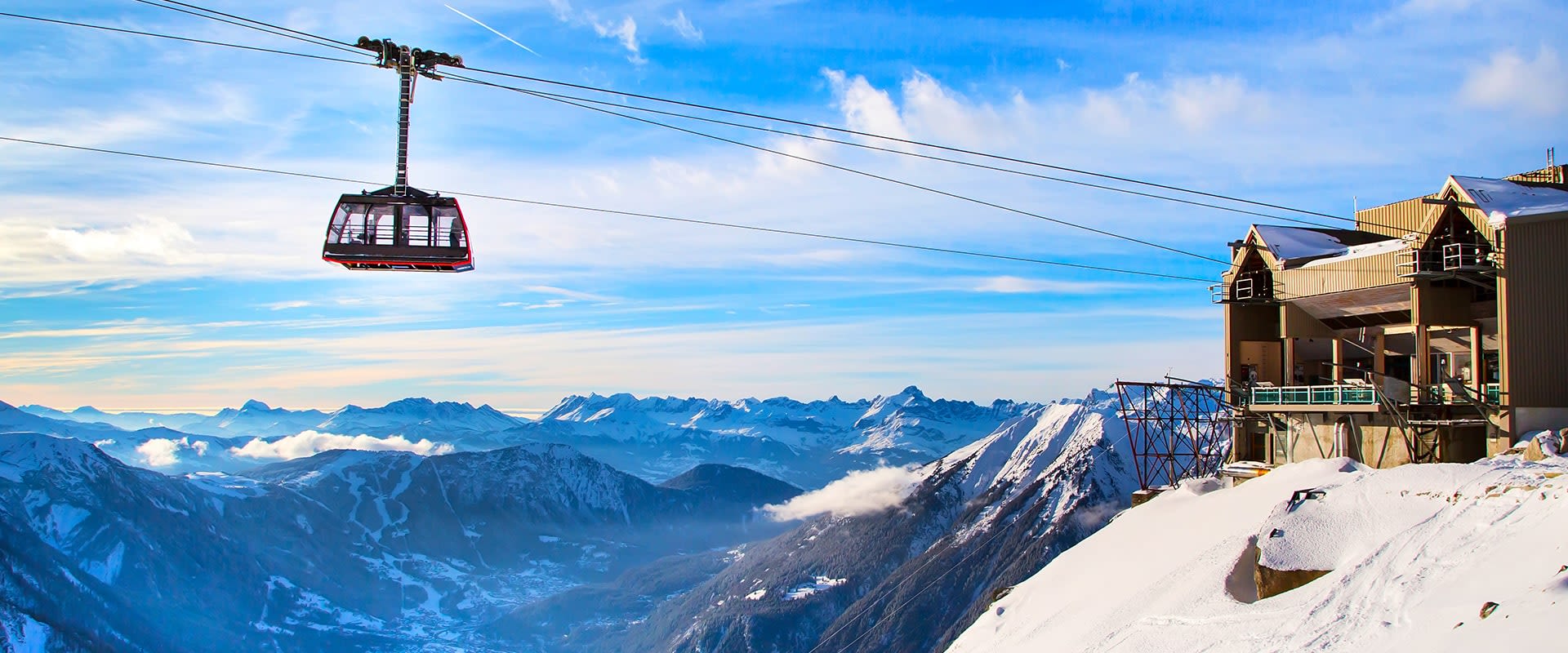
Some skiers reach a point where the question is no longer whether they can ski a resort, but whether it can hold their interest for a week. The resorts on this list are built for that: serious pitch, long verticals, lift-served off-piste and terrain that stays demanding once the easy runs have worn thin. Each entry covers the skiing that earns its place, the kind of advanced skier it suits, and one insider tip worth knowing before you go. Good off-piste depends on good snow, so our guide to the best snow-sure ski resorts in Europe is worth reading alongside this one, and for timing fresh snow our how to guarantee good snow on your ski holiday guide covers the planning.
Chamonix is where big-mountain skiing in the Alps really started, and it still sets the bar. The valley isn't one joined-up ski area but a string of separate sectors, and the serious terrain sits at Grands Montets: over 2,000m of vertical made up of steep pistes, lift-served couloirs and glacier off-piste. Above it all, the Aiguille du Midi cable car drops you at 3,842m for the Vallee Blanche, a glacier descent of around 20km that counts as one of skiing's rites of passage. Chamonix rewards skiers who are comfortable off the marked runs and happy to hire a guide for the glacier routes. It is less suited to anyone wanting a tidy, link-everything-on-piste week - the pay-off here is terrain you won't find in a purpose-built resort, not convenience.
✓ Grands Montets gives over 2,000m of lift-served vertical, much of it steep and ungroomed.
✓ The Aiguille du Midi opens the Vallee Blanche, a 20km glacier descent off the back of the ski area.
✓ A short transfer from Geneva keeps travel time low for a mountain this committing.
| Country | France |
|---|---|
| Ski area | Chamonix Valley - around 170 km across its sectors |
| Altitude | 1,035m - 3,275m (Aiguille du Midi 3,842m) |
| Top lift | Aiguille du Midi, 3,842m |
| Off-piste & freeride | Grands Montets couloirs; Vallee Blanche glacier descent (guide recommended) |
| Transfer time | Geneva (1h 15m) |
WeSki insider tip: Start a Grands Montets day on the Bochard gondola rather than queuing for the top cable car. It gets you onto the steeper north-facing snow earlier, while most of the lift traffic is still funnelling towards the summit.
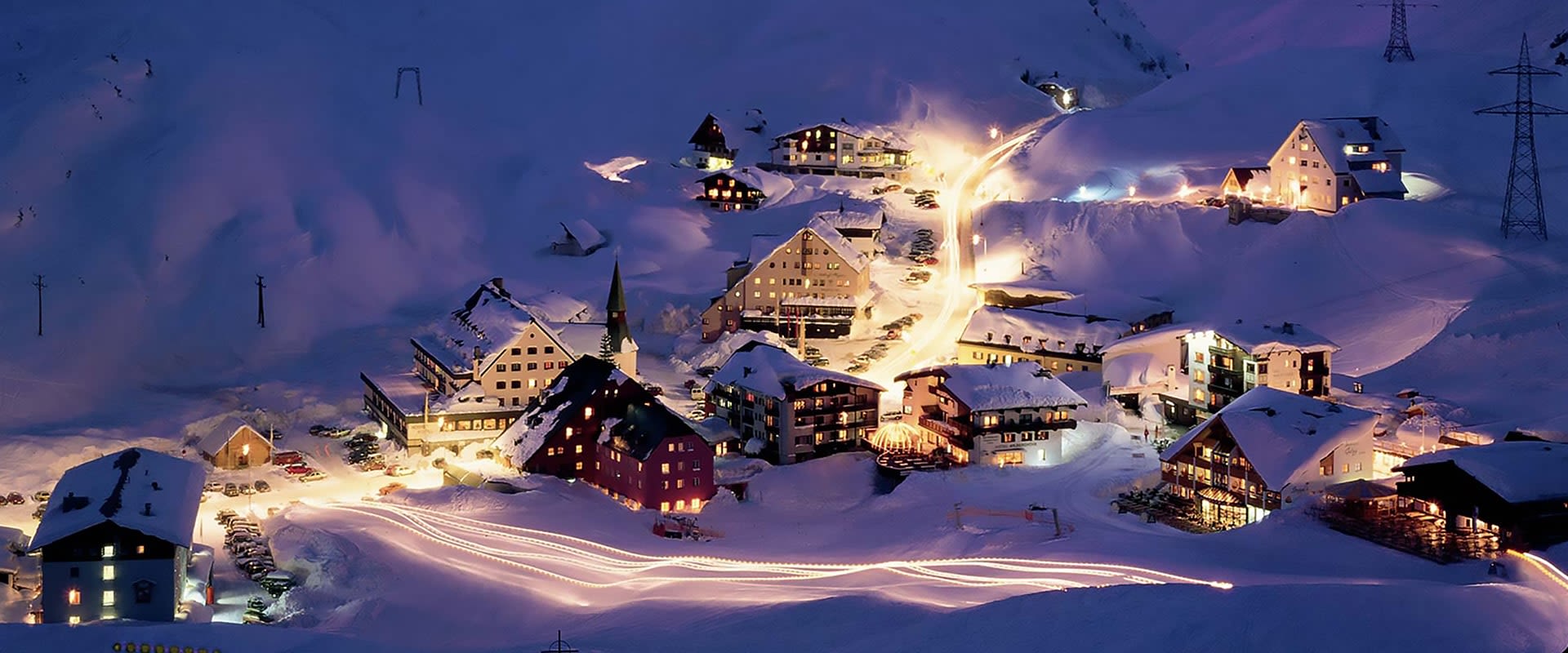
St. Anton is Austria's answer to where strong skiers should go, and the Arlberg around it is the country's biggest linked area at roughly 300km. The reputation rests on off-piste: open powder fields off the Rendl, long ungroomed descents from the Valluga at 2,811m, and enough north-facing terrain to hold snow between storms. The marked blacks are demanding in their own right, and the ski-home runs at the end of the day are no gentle cruise. One pass covers St. Anton, Lech, Zurs and Stuben, so a week here doesn't repeat itself. The village has a well-earned apres reputation too, which suits some trips and not others. What sets it apart is the sheer volume of lift-served off-piste - you can ski fresh lines for days without a guide, though the best of the Valluga terrain needs one.
✓ One of the Alps' deepest concentrations of lift-served off-piste, much of it skiable without hiking.
✓ The Valluga opens committing north-facing descents for skiers who take a guide.
✓ A single pass covers 300km across St. Anton, Lech, Zurs and Stuben.
| Country | Austria |
|---|---|
| Ski area | Ski Arlberg - around 300 km of pistes |
| Altitude | 1,304m - 2,811m |
| Top lift | Valluga, 2,811m |
| Off-piste & freeride | Rendl powder fields; Schindler Spitze; Valluga north face (guide required) |
| Transfer time | Innsbruck (1h 15m); Zurich (2h 30m) |
WeSki insider tip: The Rendl side across the valley is quieter than the main Galzig and Valluga lifts, and it holds untracked snow longer after a fall. It is the place to be on the first clear morning after a storm, while everyone else heads for the headline runs.
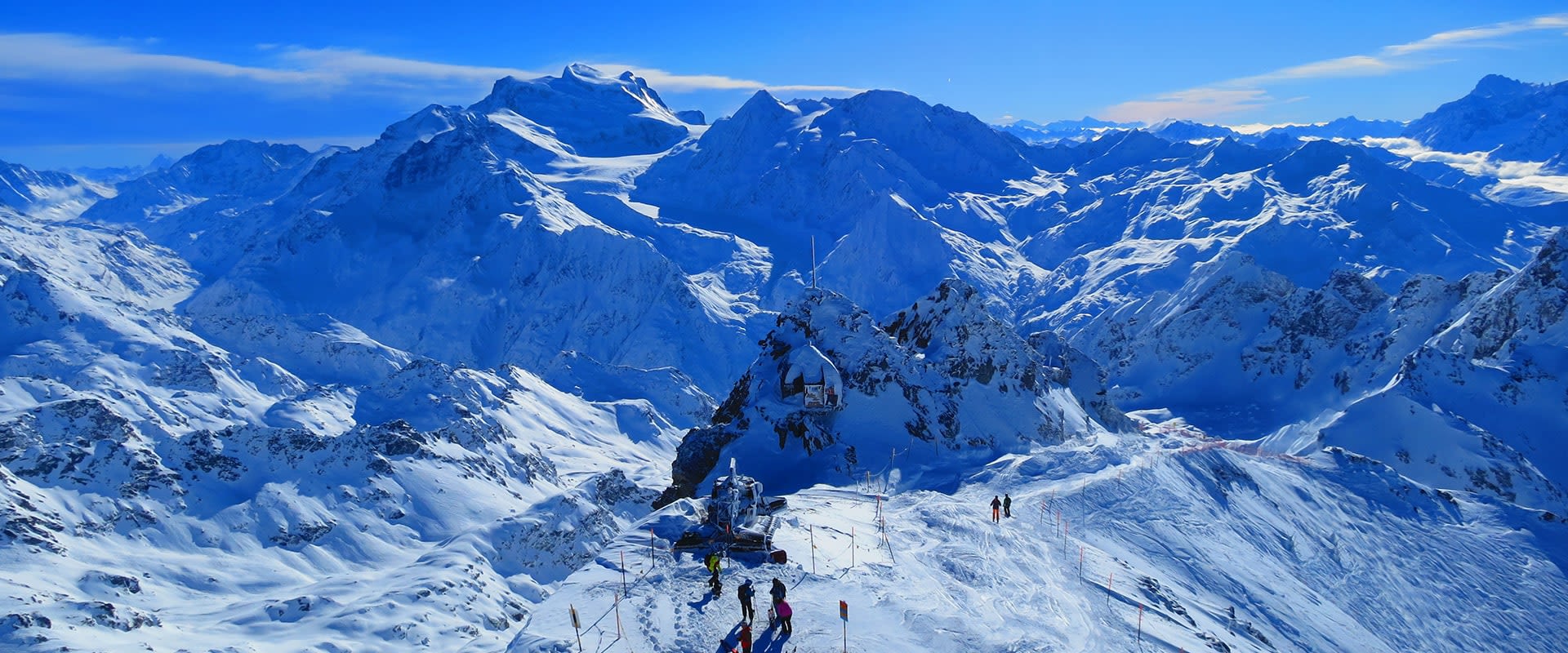
Verbier is the freeride capital of the Alps, and it has the terrain and the pedigree to back the claim. The resort anchors the 4 Vallees, Switzerland's largest linked area at 410km, but strong skiers come for what sits off the pistes: the Mont Fort glacier at 3,330m, the relentless mogulled bump of the Tortin descent, and the Bec des Rosses, whose north face hosts the Freeride World Tour final each spring. The lift-served off-piste between Attelas, Mont Gele and Mont Fort runs to hundreds of possible lines, and the terrain stays steep and committing rather than mellowing out. Verbier suits skiers who want a big, serious mountain with a lively village at the base. It rewards local knowledge, so a guide pays for itself quickly if you want the best of the off-piste.
✓ Home of the Freeride World Tour final on the Bec des Rosses - the terrain lives up to it.
✓ Mont Fort, Mont Gele and the Tortin descent pack serious off-piste into one lift pass.
✓ Anchors the 410km 4 Vallees, so on-piste variety sits alongside the steep stuff.
| Country | Switzerland |
|---|---|
| Ski area | 4 Vallees - 410 km of pistes |
| Altitude | 1,500m - 3,330m |
| Top lift | Mont Fort, 3,330m |
| Off-piste & freeride | Bec des Rosses; Mont Gele; Tortin (guide recommended) |
| Transfer time | Geneva (2h); Zurich (3h 15m) |
WeSki insider tip: Ski Tortin first thing while the snow is still firm. It is a long, steep, mogulled run that only gets harder as the day softens it, and the climb back out punishes anyone who leaves it until tired legs have set in.
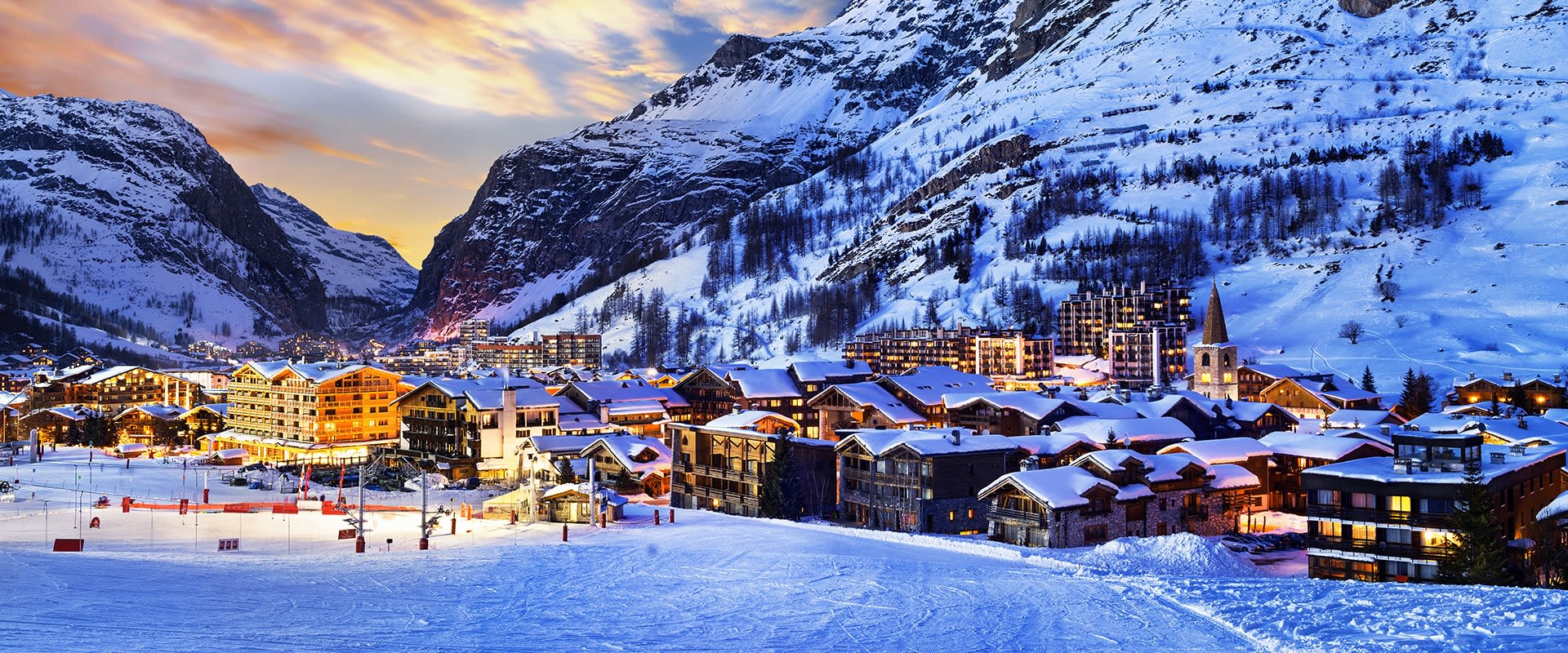
Val d'Isere pairs a high, snow-sure ski area with some of the most storied steep terrain in France. Linked to Tignes as the 300km Espace Killy, it reaches 3,456m on the Grande Motte glacier, but the advanced draw is closer to home: the Face de Bellevarde, a World Cup downhill course that funnels into the village, and the north-facing bowls above Solaise and Fornet that hold cold snow deep into the season. The off-piste here is extensive and varied, from accessible powder fields to committed itineraires that need a guide and good judgement. Val d'Isere has more character than its purpose-built neighbours, with a stone-built centre and a long season either side of the deep-winter peak. It works for a mixed group where the strongest skiers want a project, since the linked area gives everyone else room to roam.
✓ The Face de Bellevarde brings a World Cup downhill run right back to the village.
✓ North-facing bowls off Solaise and Fornet hold cold snow and off-piste late into the season.
✓ The 300km Espace Killy link means strong skiers and mixed groups both have room.
| Country | France |
|---|---|
| Ski area | Espace Killy (Val d'Isere + Tignes) - 300 km of pistes |
| Altitude | 1,850m - 3,456m |
| Top lift | Grande Motte glacier (via Tignes), 3,456m |
| Off-piste & freeride | Face de Bellevarde; Fornet itineraries; Col Pers (guide recommended) |
| Transfer time | Geneva (3h 15m); Lyon (3h); Chambery (2h 15m) |
WeSki insider tip: The Fornet sector at the far end of the valley clears late and stays quieter than Bellevarde or Solaise. On a powder morning it is worth the extra few minutes on the bus to reach the first lift there before the lines get tracked.
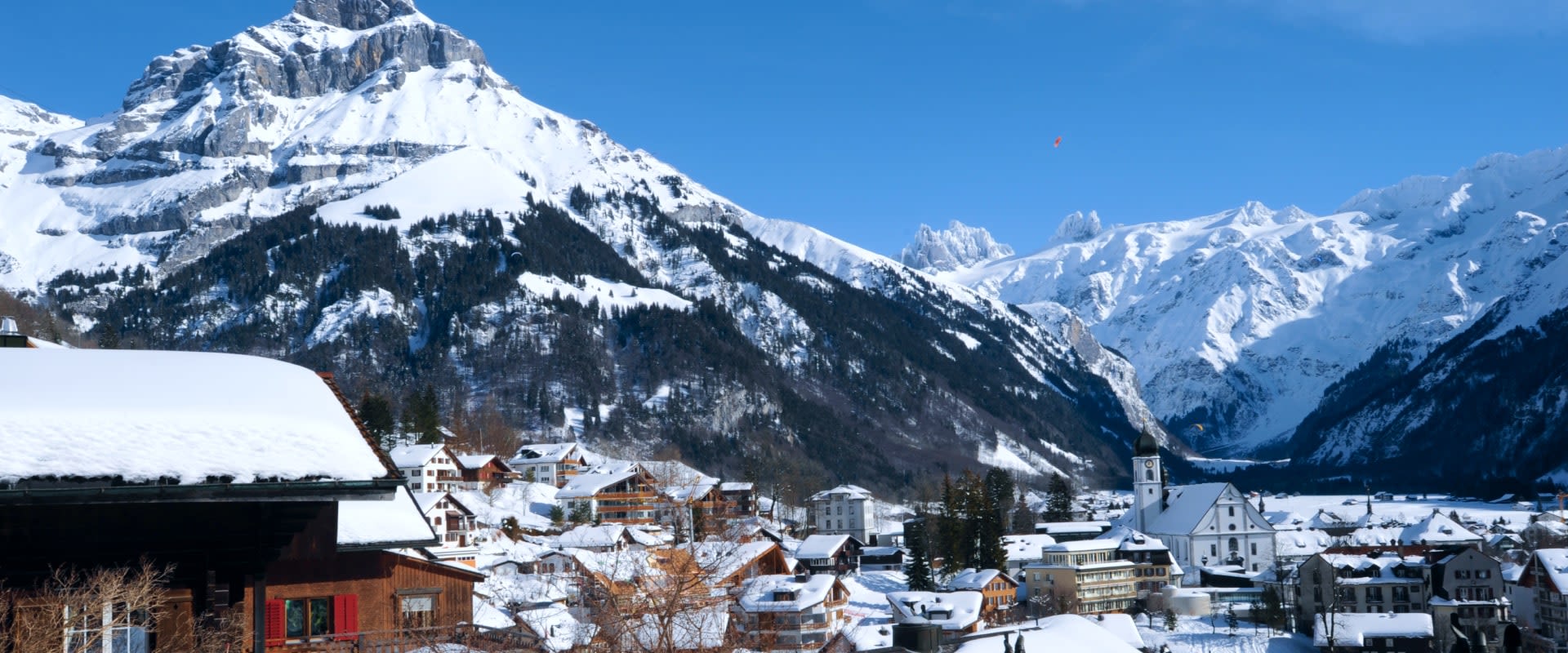
Engelberg is central Switzerland's freeride secret, a 12th-century monastery village sitting under one of the biggest lift-served verticals in the Alps. From the Titlis glacier at just over 3,000m, you can drop close to 2,000m back towards the valley, and the two classic descents are the reason experienced skiers keep coming back: the Laub, a vast open face, and the longer, more committing Galtiberg glacier run. The marked area is modest at 82km, so this is not a resort for piste-bagging; the appeal is the off-piste and the sheer scale of the drops. Snow holds well thanks to the altitude and the shaded aspects. Engelberg suits skiers confident in big-mountain terrain who would rather spend a week chasing a handful of long descents than tick off runs. A guide is sensible for the glacier routes, which cross crevassed ground.
✓ Close to 2,000m of vertical from the Titlis glacier - among the biggest lift-served drops in the Alps.
✓ The Laub and Galtiberg descents are two of Switzerland's best-known off-piste lines.
✓ Shaded aspects and glacier altitude keep the snow in good shape between storms.
| Country | Switzerland |
|---|---|
| Ski area | Engelberg-Titlis - 82 km of pistes |
| Altitude | 1,000m - 3,028m |
| Top lift | Titlis, 3,028m |
| Off-piste & freeride | The Laub; Steinberg; Galtiberg glacier run (guide recommended) |
| Transfer time | Zurich (1h 30m) |
WeSki insider tip: The Laub needs a good overnight freeze to ski well - it catches the sun and turns heavy once it warms. Ride the Titlis early and ski it before mid-morning, then move to the shaded Galtiberg side as the day goes on.
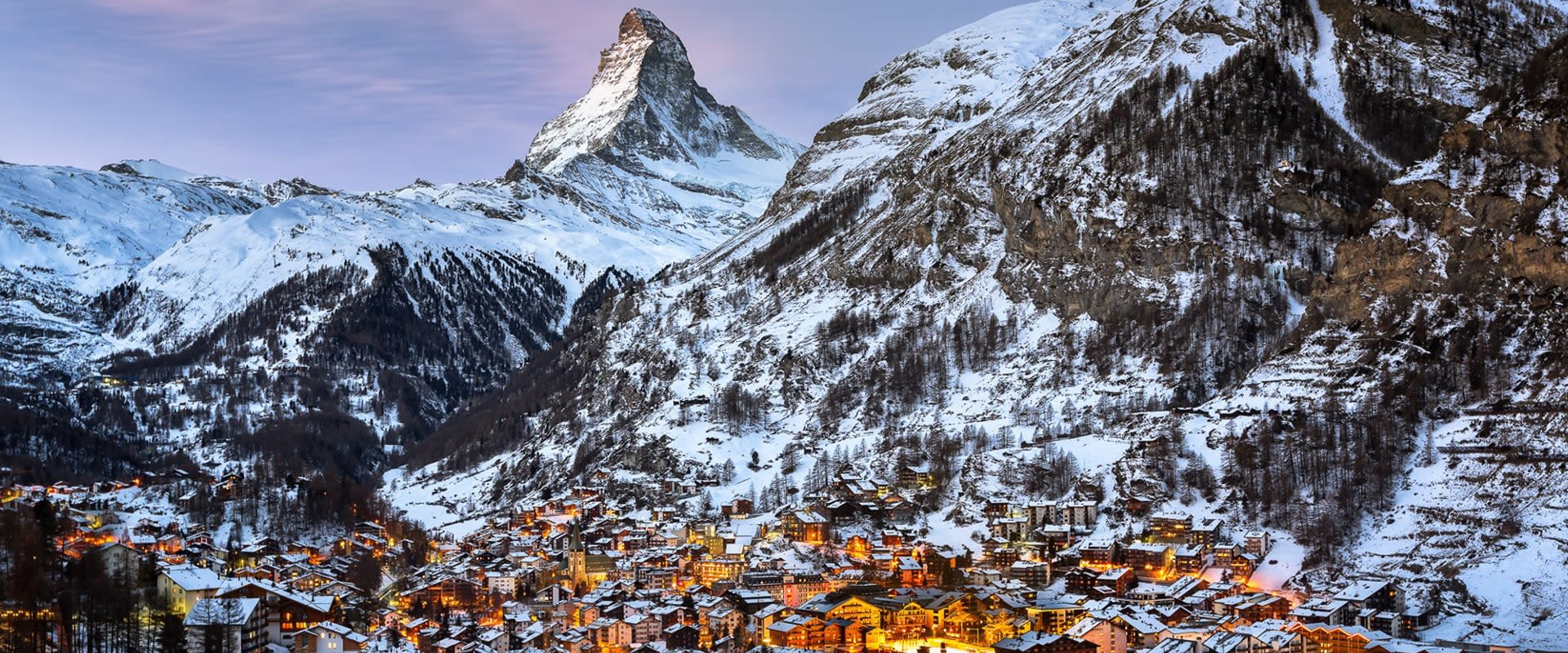
Zermatt gives advanced skiers height, length and reliability in one package. The ski area climbs to 3,883m at the Matterhorn glacier paradise, the highest lift-served point in the Alps, and the descents are correspondingly long - top-to-bottom runs that keep going well past the point most resorts have run out of mountain. The advanced terrain centres on the Stockhorn freeride zone, a lift-accessed area of open off-piste above Gornergrat, and the steeper couloirs around Triftji that draw experienced skiers after a storm. The link across the border to Cervinia adds an enormous second mountain and the option of lunch in Italy. Zermatt's village is car-free and the Matterhorn views are hard to ignore, though none of that is why strong skiers come. The combination of altitude, vertical and dependable snow makes it a resort that performs in lean years when lower areas struggle.
✓ The highest lift-served skiing in the Alps at 3,883m, with some of its longest descents.
✓ The Stockhorn freeride zone and Triftji couloirs give lift-accessed off-piste after a storm.
✓ A cross-border link to Cervinia doubles the terrain on a good-weather day.
| Country | Switzerland |
|---|---|
| Ski area | Zermatt-Cervinia - 360 km of pistes |
| Altitude | 1,620m - 3,883m |
| Top lift | Matterhorn glacier paradise, 3,883m |
| Off-piste & freeride | Stockhorn zone; Triftji couloirs; Schwarztor glacier route (guide required) |
| Transfer time | Geneva (3h 30m); Zurich (3h 45m) |
WeSki insider tip: The Stockhorn lifts often open later in the season than the rest of the mountain, once the high snowpack has settled. When they are running after fresh snow, that is where to point first - the zone holds untracked lines long after the main pistes are busy.
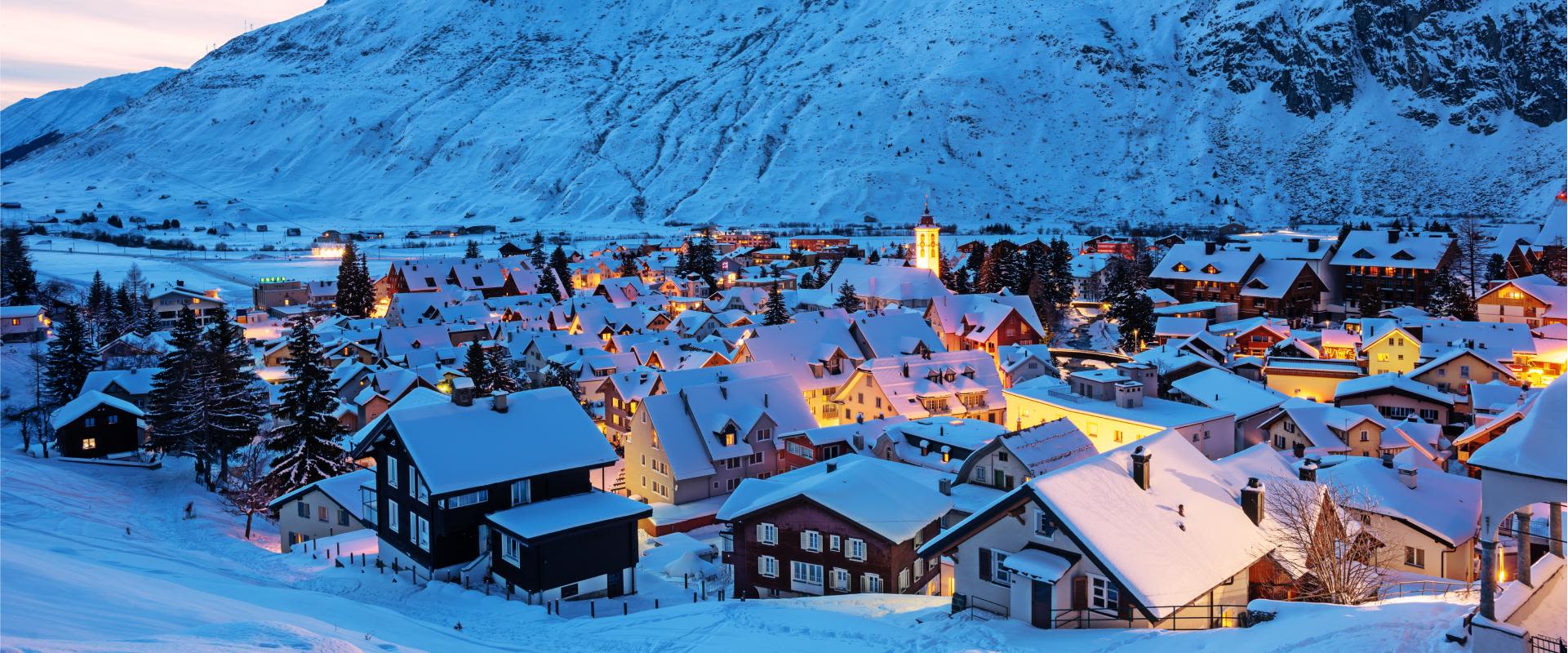
Andermatt has gone from quiet army town to one of Switzerland's most talked-about freeride mountains, and the Gemsstock is why. The cable car climbs to 2,961m, and the front and back of the peak hold steep, north-facing off-piste that stays cold and dry when sunnier resorts have gone heavy. The signature descent, the Gemsstock north face down to Gurschen, is a proper advanced run; beyond it, the terrain opens into bowls and couloirs that reward a guide and local knowledge. Recent investment has linked Andermatt to Sedrun for around 180km of pistes, giving the resort a cruising side it previously lacked, but the Gemsstock remains its heart. Andermatt sits in a high, snowy pocket of the central Alps that catches storms others miss. It suits skiers chasing deep snow and steep lines, with a village that has grown smarter without losing its working-town feel.
✓ The Gemsstock north face is one of the most consistent steep off-piste runs in Switzerland.
✓ A high, snowy spot in the central Alps catches storms that miss resorts further out.
✓ The Sedrun link adds around 180km of cruising to a mountain known for its steeps.
| Country | Switzerland |
|---|---|
| Ski area | SkiArena Andermatt-Sedrun - around 180 km of pistes |
| Altitude | 1,444m - 2,961m |
| Top lift | Gemsstock, 2,961m |
| Off-piste & freeride | Gemsstock north face; Giraffe; Felsental (guide recommended) |
| Transfer time | Zurich (1h 45m) |
WeSki insider tip: The Gemsstock cable car has limited capacity, so a powder day builds a queue fast. Be in the first few cars up, ski the north face while it is fresh, then let the rest of the mountain come to you once the crowd thins.
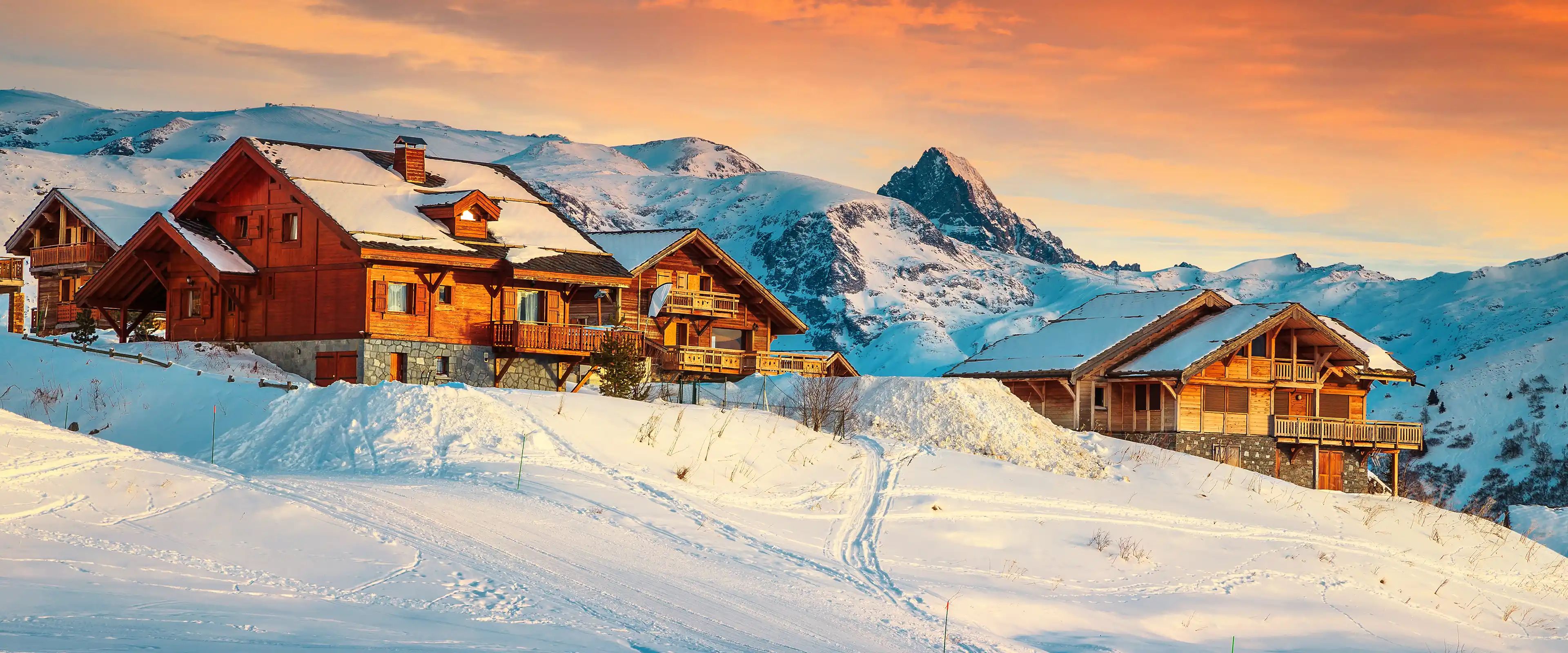
Alpe d'Huez earns its place on the strength of one run and the breadth behind it. The Sarenne, dropping off the Pic Blanc glacier at 3,330m, is one of the longest black runs in the Alps at around 16km, and it links top-of-mountain glacier snow to tree-line skiing in a single descent. The Pic Blanc sector also holds the Tunnel, a short, steep, often-icy pitch that acts as a gateway to serious off-piste, and the Combe du Loup gives lift-accessed powder when conditions line up. With 250km of pistes across a sunny, south-facing domaine, there is cruising for the rest of a group and a proper project for the strongest. Alpe d'Huez also puts La Grave within day-trip reach, for skiers who want to test themselves on one of the most serious lift-served mountains in Europe. The sun that makes it popular can turn the snow quickly, so timing matters.
✓ The Sarenne is one of the Alps' longest black runs at around 16km, top to bottom.
✓ The Tunnel and Combe du Loup open steep, lift-accessed off-piste off the Pic Blanc.
✓ La Grave is within day-trip reach for skiers wanting a sterner test.
| Country | France |
|---|---|
| Ski area | Alpe d'Huez Grand Domaine - 250 km of pistes |
| Altitude | 1,250m - 3,330m |
| Top lift | Pic Blanc, 3,330m |
| Off-piste & freeride | The Tunnel; Combe du Loup; Pic Blanc glacier (guide recommended) |
| Transfer time | Grenoble (1h 30m); Lyon (2h); Geneva (2h 30m) |
WeSki insider tip: Save the Sarenne for late morning, once the top has softened but before the lower, sun-exposed half turns slushy. Too early and you hit ice up high; too late and it is heavy snow on the long run-out to the valley.
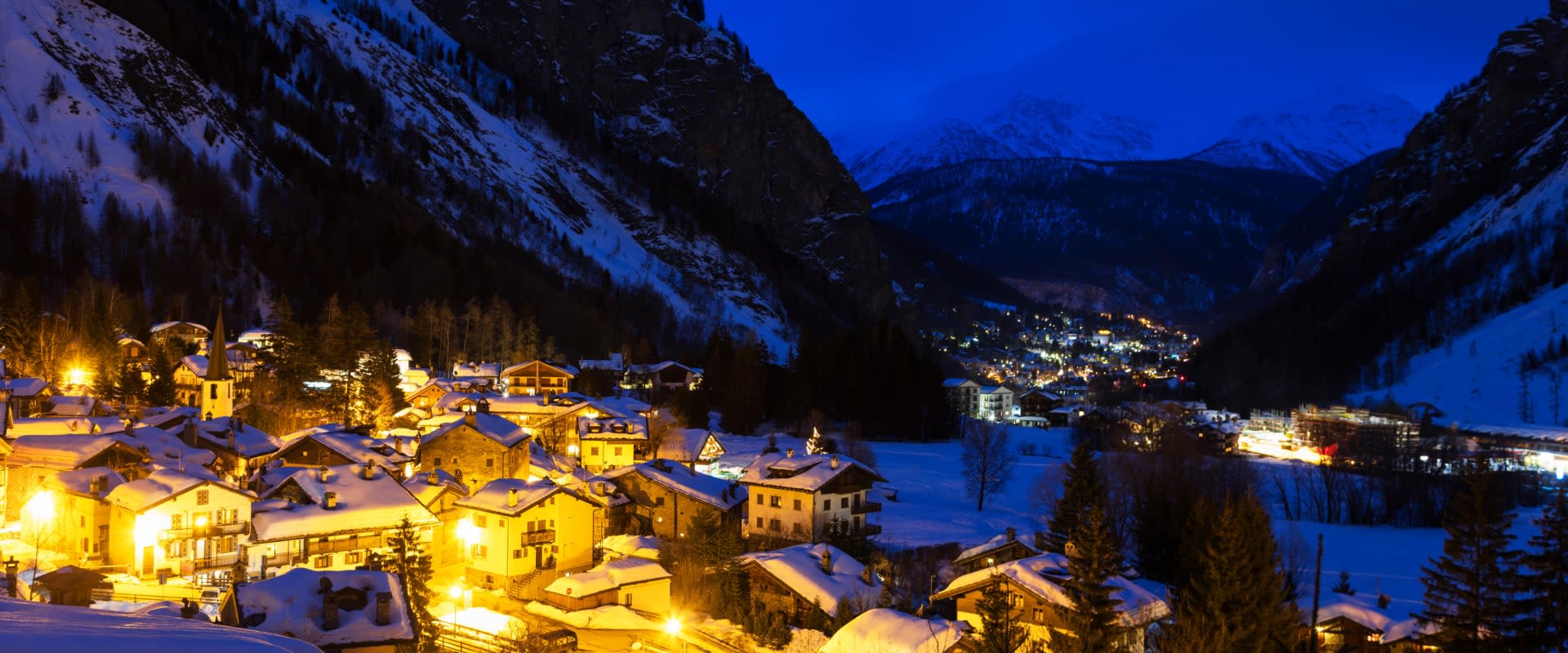
Courmayeur sits on the Italian side of Mont Blanc, and its advanced skiing is defined by what lies beyond the piste map. The marked area is compact at around 100km, with steep, tree-lined runs that are more demanding than their length suggests. The real draw is the Skyway Monte Bianco, a rotating cable car that climbs to Punta Helbronner at 3,466m and opens the Italian approach to the Vallee Blanche, linking over the glacier towards Chamonix. Closer to the resort, the off-piste off the Cresta d'Arp - the Youla and Arp descents - gives long, remote lines for skiers with a guide. Courmayeur pairs this serious terrain with a stone village known for its food, so the days can be hard and the evenings easy. It suits strong skiers who value off-piste and atmosphere over sheer piste count, and who are happy to hire a guide to use the mountain properly.
✓ The Skyway cable car reaches 3,466m and opens the Italian route to the Vallee Blanche.
✓ The Cresta d'Arp off-piste gives long, remote descents for skiers with a guide.
✓ Compact, steep, tree-lined pistes that ski harder than their length suggests.
| Country | Italy |
|---|---|
| Ski area | Courmayeur Mont Blanc - around 100 km of pistes |
| Altitude | 1,224m - 2,755m (Skyway to 3,466m) |
| Top lift | Punta Helbronner (Skyway), 3,466m |
| Off-piste & freeride | Cresta d'Arp (Youla, Arp); Vallee Blanche via Skyway (guide required) |
| Transfer time | Geneva (1h 30m); Turin (1h 30m); Milan (2h 30m) |
WeSki insider tip: The Skyway to Punta Helbronner is weather-dependent and books up fast on clear days. If the forecast is good, ride it early; the glacier routes off the top are best skied before afternoon cloud rolls in off Mont Blanc.
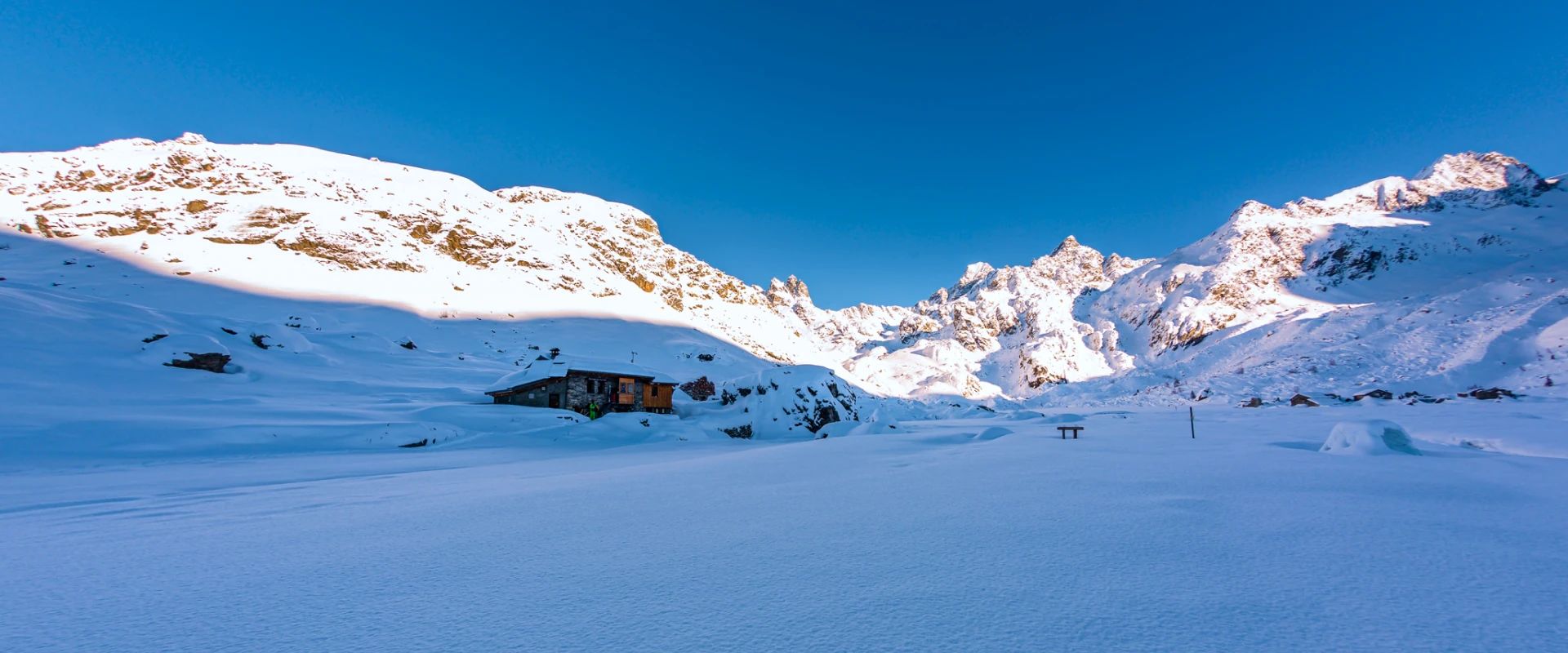
Sainte Foy is the insider's pick on this list, a small resort in the Tarentaise that experienced skiers seek out precisely because most people drive past it to Val d'Isere and Les Arcs. The marked area is tiny at around 40km, but that misses the point: Sainte Foy is one of the best lift-accessed off-piste mountains in France, with a top station at 2,620m feeding long, uncrowded backcountry descents. The classic routes - the Fogliettaz, the Col de l'Aiguille and the run down to the hamlet of Le Monal - give the kind of untracked skiing that stays fresh days after a fall, because the crowds simply aren't here to track it out. Its position near the Italian border means heli-skiing, now rare in France, is still possible nearby. Sainte Foy suits advanced skiers who prize quiet powder over a big lift network, and who will take a guide to reach the best of it.
✓ One of France's best lift-accessed off-piste mountains, with powder that stays untracked for days.
✓ Long backcountry descents to Le Monal and off the Col de l'Aiguille, well away from the crowds.
✓ A rare base for heli-skiing, thanks to its position near the Italian border.
| Country | France |
|---|---|
| Ski area | Sainte Foy Tarentaise - around 40 km of pistes |
| Altitude | 1,550m - 2,620m |
| Top lift | Col de l'Aiguille, 2,620m |
| Off-piste & freeride | Fogliettaz; Le Monal; Col de l'Aiguille (guide recommended); heli-skiing nearby |
| Transfer time | Geneva (2h 45m); Lyon (2h 45m); Chambery (2h) |
WeSki insider tip: The descent to Le Monal is the one to save for after fresh snow. It is a long way from the lifts, so take a guide and leave enough in the legs for the traverse back - the reward is a run most skiers in the Tarentaise never see.
There isn't a single answer, because it depends on the kind of advanced skiing you're after. For big-mountain off-piste and glacier descents, Chamonix and Verbier are hard to top. For sheer volume of lift-served off-piste on one pass, St. Anton stands out. If you want altitude and long runs with dependable snow, Zermatt is the pick. The strongest choice comes down to whether you prioritise off-piste, steep pistes, or a big linked area to roam.
For the backcountry and glacier routes listed here, yes - and it's worth it. Lift-accessed off-piste close to the pistes can often be skied on your own judgement if you know the mountain and the avalanche conditions. But the committed descents, like the Vallee Blanche, the Valluga and Sainte Foy's backcountry, cross crevassed or avalanche-prone ground where a local guide adds safety and finds the best snow. A guide also saves you the time most visitors lose working out where the good lines are.
Mid-January to early March gives the most reliable combination of deep snow and cold temperatures, which keeps off-piste in good shape. High, north-facing terrain like Zermatt's Stockhorn or Andermatt's Gemsstock holds its quality longest. Late season can be excellent on high glaciers but variable lower down, where sun turns the snow quickly. If you're chasing powder, the first clear day after a storm is worth planning around, whenever in the season it falls.
Several are a good fit. Val d'Isere, Verbier, St. Anton and Zermatt all pair serious advanced terrain with large linked areas, so stronger skiers can chase steeps while others cruise blues and reds. The more specialist mountains - Engelberg, Andermatt and especially Sainte Foy - have smaller marked areas and suit groups where everyone is confident. If you're travelling with a real spread of levels, lean towards the bigger resorts.
It comes down to terrain that stays interesting once the easy runs are familiar: steep pitch, long vertical drops, and lift-accessed off-piste rather than a few token blacks. Snow reliability matters too, since off-piste is only as good as the conditions. The resorts here combine demanding marked runs with serious backcountry, and most sit high enough to hold snow well.
Chasing steeper terrain this season? Tell WeSki's AI trip planner how hard you want to push and get a shortlist matched to it in seconds.


WeSki is a trading name operated by Wetrip Weski Ltd (BR021500). All the flights and flight-inclusive holidays on this website are financially protected by the ATOL scheme. When you pay you will be supplied with an ATOL Certificate. Please ask for it and check to ensure that everything you booked (flights, hotels and other services) is listed on it. Please see our booking conditions for further information or for more information about financial protection and the ATOL Certificate go to: www.caa.co.uk.
Package holidays that do not include travel by air are financially protected via ABTOT.
For the latest travel advice from the Foreign & Commonwealth Office visit www.gov.uk/foreign-travel-advice.
Weski Europe BV (Chamber of Commerce registration number 87334100) is a registered participant of SGR. You can verify this on www.sgr.nl/english. Holidays listed on this website are covered by SGR’s guarantee, within the terms of the SGR guarantee scheme. Under SGR’s guarantee, consumers shall have their prepaid travel sum refunded if their counterparty is unable to fulfil its contractual obligations due to financial inability. Insofar as the agreement includes the transport and the destination has already been reached, the return trip will be arranged.