
EN
EN
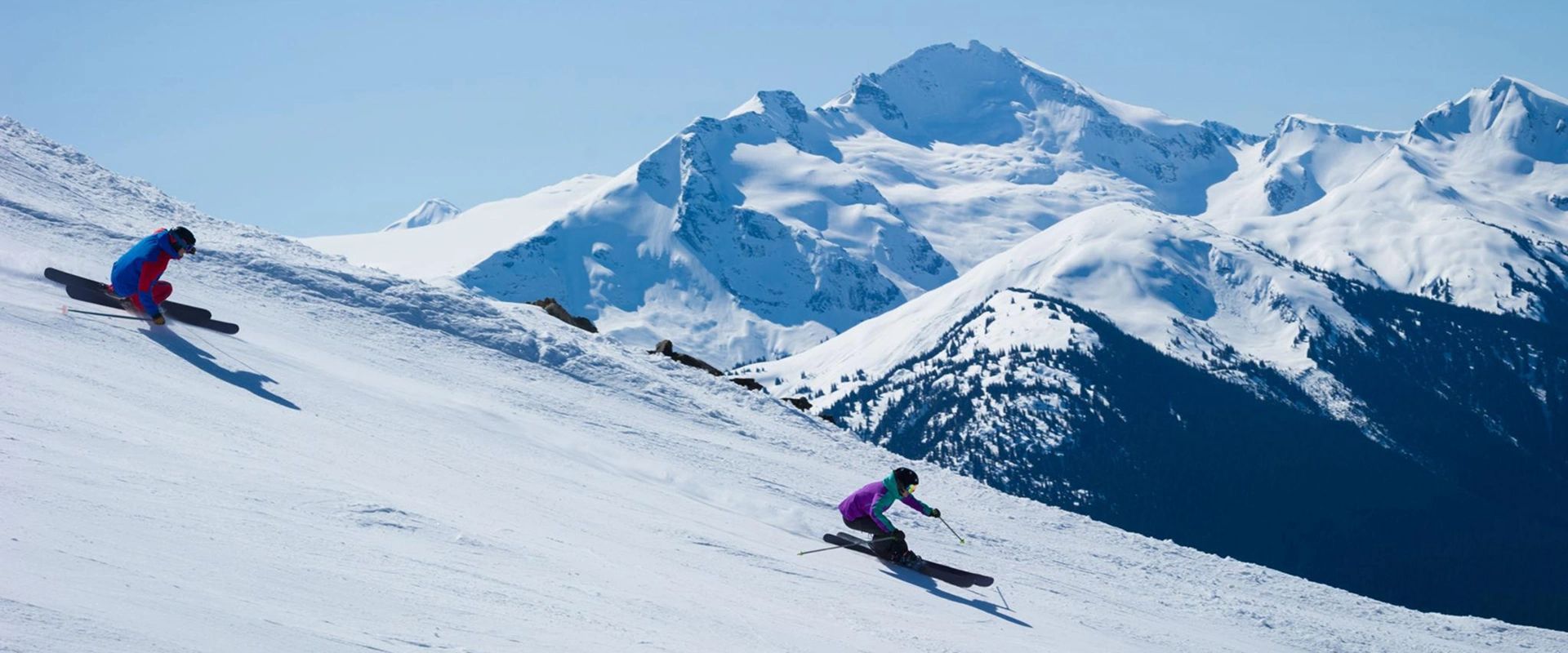
A short ski break works differently from a full week. When you've got three to five days rather than seven, every decision - where you go, how you get there, what you pack - has a bigger impact on how much skiing you actually fit in. This guide covers the practical steps for planning a short trip that feels complete rather than rushed. If you're still deciding where to go, our list of the best short ski breaks from the UK compares resorts with the quickest access and most compact ski areas.
Contents
The single biggest factor in whether a short ski break feels worthwhile is how long you spend getting from the airport to the resort. A two-hour transfer each way costs you almost a full ski day across the trip. A 90-minute transfer or less means you can realistically land in the morning and ski the same afternoon.
For a three-day break, look for resorts within 90 minutes of a major airport. Geneva is the best hub for French resorts - Chamonix, Morzine, and Les Gets are all under 90 minutes. Turin and Milan work well for Italian resorts like Courmayeur and Champoluc. You don't need a vast ski area for a short trip either. A compact resort with 100-150 km of pistes is more than enough for three to five days, and you'll ski it more thoroughly than you would a 300 km area where you spend half the day on connecting lifts.
Three days of skiing is enough to get into a rhythm and explore a compact area properly. It works especially well if you're flying on a Thursday evening or early Friday morning and returning Sunday or Monday. Four days hits a sweet spot: enough variety to feel like a proper holiday, without the fatigue that can set in during a full week. Five days is close to a standard week in terms of skiing - most people take a rest day or easy afternoon during a seven-day trip anyway.
Think about what you want from the trip. If it's a quick reset between work commitments, three days is plenty. If you want to explore multiple sectors or mix skiing with village time, four or five days gives you breathing room. The sweet spot for most short-break skiers is a Thursday-to-Monday format, giving four ski days with only one or two days of annual leave used.
Weekend flights to Alpine airports fill up quickly, so booking early helps - especially for popular routes like Gatwick to Geneva or Manchester to Grenoble. Look for the earliest outbound flight on your first day and the latest return on your last. The difference between a 7am and a 10am flight can mean an extra half-day on the slopes.
If you're based in London, the Eurostar ski train is worth considering. It runs direct to the French Alps on weekends during the season, dropping you in Bourg-Saint-Maurice (for Les Arcs and La Rosiere) or Moutiers (for the Three Valleys and Meribel). The journey is around nine hours overnight, but you arrive in the morning ready to ski - no airport queues, no baggage restrictions, and your ski bag travels with you at no extra charge.
For a short break, packing light makes a real difference. If you can fly with hand luggage only, you skip the baggage carousel, avoid checked bag fees, and move faster through the airport. The key items to bring are your own base layers, ski socks, goggles, and gloves - everything else can be hired in resort.
Hiring skis, boots, and poles in resort is the simplest approach for a short trip. Modern rental equipment is well maintained, and booking your hire in advance means it's ready when you arrive. If you ski regularly and prefer your own boots, wearing them on the plane in a boot bag is an option - but for most short-break skiers, hiring the full set keeps things straightforward. Our packing guide has a full checklist if you want to be thorough.
On a full-week trip, you can afford to wander and explore without a plan. On a short break, a loose structure helps you make the most of every day. That doesn't mean scheduling every run - it means knowing which sector you'll ski each morning so you're not standing at a trail map working it out.
A good pattern for a three-day trip: use the first morning to warm up on the easiest, most accessible slopes near the village. Afternoon of day one, push into a second sector. Day two is your big day - start early, cover the most ground, take a mountain lunch, and ski until the lifts close. Day three, revisit your favourite area from the previous days and end on a high rather than trying something new when your legs are tired.
Check lift opening times before you go, too. Some resorts have lifts that open earlier at weekends, and the first hour of the day - before the queues build - is often the best skiing you'll get on a short trip.
If you're a beginner, lessons are absolutely worth it on a short break - arguably more so than on a week-long trip. Three consecutive days of instruction is enough to get you comfortable on gentle slopes and linking turns. Without lessons, you'll spend a lot of that limited time working things out alone, which is slower and less enjoyable.
For intermediate and advanced skiers, a short break probably isn't the time to invest in lessons unless you have something specific to work on. Your time is better spent skiing freely and enjoying the terrain. That said, a single two-hour session with a local instructor can be a great way to discover the best runs in an unfamiliar resort - think of it as a guided tour rather than a lesson.
When time is tight, coordinating flights, transfers, accommodation, lift passes, and equipment hire separately eats into your planning time and creates more things to go wrong on the ground. Booking through WeSki means all of those elements are handled together - your transfer meets your flight, your hire is reserved, and your lift pass is sorted before you arrive.
For a short break specifically, the coordination matters more than on a week-long holiday. A missed connection or a delayed transfer has a much bigger proportional impact when you've only got three or four ski days. Having everything joined up through a single booking removes that risk and lets you focus on the skiing rather than the logistics.
Arrive the night before if you can. Flying out the evening before your first ski day and staying overnight near the airport or in resort means you start fresh in the morning. It adds a night of accommodation but gains you a full extra day of skiing - a worthwhile trade on a short trip.
Download the piste map in advance. Spend ten minutes the evening before looking at the resort map and planning a rough route. Knowing which lifts to take from the bottom saves you time every morning and means you're skiing, not navigating.
Eat a mountain lunch early. Mountain restaurants get busy between 12:30 and 1:30. Eating at noon means shorter waits, better tables, and you're back skiing while the terraces are still packed. On a short break, those extra 30 minutes add up.
Keep the last afternoon gentle. Fatigue builds faster on a short trip because you're skiing every day without a rest day. Plan your most ambitious skiing for day two, and keep the final afternoon relaxed. A gentle cruise back to the village is a better ending than pushing into terrain your legs aren't up for.
✓ Choose a resort within 90 minutes of the airport.
✓ Book the earliest outbound flight and latest return.
✓ Pack hand luggage only and hire equipment in resort.
✓ Plan which sector to ski each morning before you go.
✓ Book lessons for every day if you're a beginner.
✓ Book as a package so transfers, hire, and passes are coordinated.
✓ Arrive the evening before to gain a full first ski day.
Three days is more than enough to enjoy a ski resort, especially if you choose somewhere with a short transfer. You'll get into a rhythm by day two, and by day three you'll be skiing your favourite runs with confidence. The key is keeping travel time short so you're not losing a day at either end. Many regular skiers prefer two or three short breaks across the season to a single full week.
You can, and many short-break skiers do. Wear your bulkiest items on the plane - ski jacket and boots if you're bringing your own - and pack base layers, socks, goggles, and gloves in a carry-on bag. Hire skis, poles, and a helmet in resort. The result is a faster, lighter trip with no baggage wait at either end.
Thursday evening or Friday morning works best for most short breaks. A Thursday evening flight gets you into resort for a full three days of skiing from Friday to Sunday. Friday morning flights work if your resort is close to the airport - you can land by late morning and be on the slopes after lunch. Returning on Sunday evening or Monday morning rounds out the trip neatly.
For beginners, yes - three consecutive days of lessons is a great way to build skills quickly. For intermediate skiers, a single session with a local guide is a smart way to discover the best runs in an unfamiliar resort without committing your whole trip to instruction. For confident skiers who know the resort, you probably don't need it. Our list of the best short ski breaks from the UK includes resorts with strong ski schools if lessons are a priority.
The Eurostar ski train runs to the French Alps on Friday evenings during the season, arriving Saturday morning. It works well for weekend breaks to resorts near Bourg-Saint-Maurice or Moutiers. The overnight journey means no lost ski day, you can take your own equipment without weight restrictions, and there's no airport security to navigate. It's a particularly good option if you live in London or the southeast.
Got a clearer picture of what you need? WeSki’s AI trip planner turns your dates and preferences into a shortlist of resorts matched to your schedule.


WeSki is a trading name operated by Wetrip Weski Ltd (BR021500). All the flights and flight-inclusive holidays on this website are financially protected by the ATOL scheme. When you pay you will be supplied with an ATOL Certificate. Please ask for it and check to ensure that everything you booked (flights, hotels and other services) is listed on it. Please see our booking conditions for further information or for more information about financial protection and the ATOL Certificate go to: www.caa.co.uk.
Package holidays that do not include travel by air are financially protected via ABTOT.
For the latest travel advice from the Foreign & Commonwealth Office visit www.gov.uk/foreign-travel-advice.