EN
EN
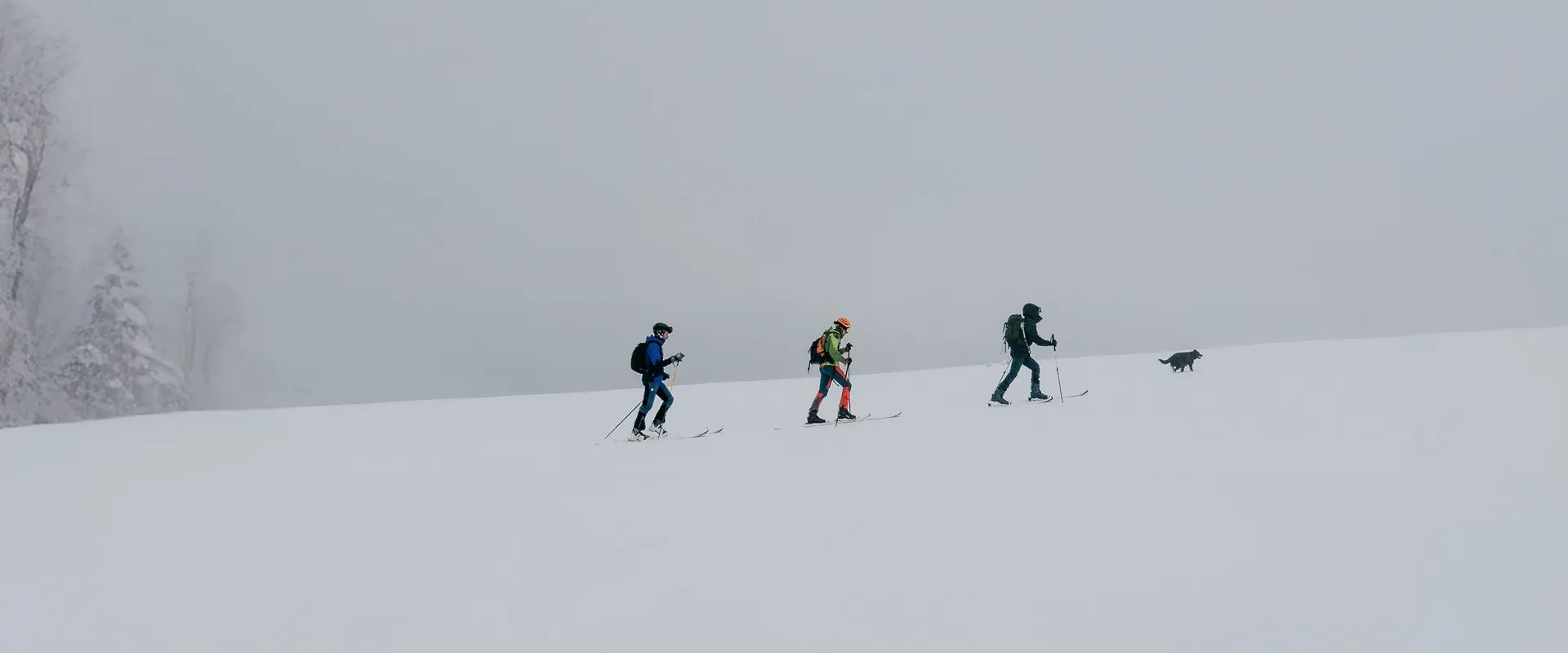
Cross-country skiing has a reputation for being niche, but the practical barriers to getting started are lower than you might think. The equipment is straightforward to hire, the techniques are accessible to most fitness levels, and you don't need a lift pass or mountain experience to enjoy your first session. This guide walks through each step - from choosing a style to picking a resort - so you can arrive prepared and make the most of your time on the trails. If you want to understand what the discipline involves before committing, our guide to what cross-country skiing is explains the fundamentals. And when you're ready to compare destinations, our best cross-country skiing resorts in Europe list will help you narrow things down.
This is the first decision to make, because it determines which equipment you hire and which lesson you book. Classic technique uses a striding motion in pre-cut tracks and is the more intuitive starting point. Skating technique uses a V-shaped push on a flat, firm surface and is faster but more physically demanding.
If you've never been on cross-country skis before, classic is almost always the better choice for your first session. The tracks guide your skis, the movement pattern is close to walking, and you'll cover ground comfortably within the first hour. Once you're confident on classic skis, switching to skating later is a natural progression - many people try both during a week-long trip.
If you have a strong background in ice skating, rollerblading, or Nordic fitness training, you may find skating technique feels more familiar from the outset. Mention this to your instructor when you book - they can advise on the best starting point based on your background.
A lesson makes a bigger difference in cross-country skiing than you might expect. The technique looks simple, but small adjustments to your weight transfer and pole timing have an outsized effect on efficiency and comfort. Without them, most people end up shuffling rather than gliding - which is tiring and less enjoyable.
Most Nordic ski schools run group introductory sessions of two to three hours, which is enough to cover the basic stride, uphill technique, and controlled descending. Private lessons give you more flexibility on pacing and are worth considering if you want to progress into skating during the same trip.
Book your lesson before you arrive. Nordic lesson capacity at many resorts is smaller than the Alpine ski school, particularly during peak weeks. If you're booking through WeSki, lessons can often be included as part of your package - check what's available for your chosen resort.
Unless you already own Nordic-specific gear, hiring is the practical choice for your first trip. Cross-country equipment is specialist - Alpine skis, boots, and poles won't work - but most resorts with Nordic trails have dedicated hire shops or centres stocked with both classic and skating setups.
A classic hire package typically includes skis, boots, bindings, and poles. The boots are the most important fit. Cross-country boots should feel snug but not cramped, with enough flex to walk in comfortably. If anything pinches, ask to swap - you'll be in them for hours and blisters will cut your day short faster than fatigue will.
Poles are sized differently for classic and skating. Classic poles reach roughly to your armpit; skating poles come up to your chin or mouth. The hire shop will measure you, but it's useful to know the difference in case you're handed the wrong set. Ski length depends on your weight and ability rather than your height - trust the hire shop's recommendation here.
The biggest clothing mistake in cross-country skiing is dressing too warmly. Because you're powering yourself, you generate far more heat than you would standing on a chairlift or skiing downhill. A standard Alpine ski jacket will have you overheating within minutes.
The layering approach is the same as for a winter run: a moisture-wicking base layer, a light insulating midlayer (merino or a thin fleece), and a breathable, windproof softshell on top. Skip the heavy down jacket. On your legs, a pair of stretch ski trousers or running tights with a wind-resistant front panel is ideal - you need freedom to stride.
Gloves should be thinner than Alpine ski gloves. Your hands are constantly moving on the poles, which keeps blood flowing, and thick gloves make it harder to grip. A lightweight running glove or Nordic-specific glove works well. Bring a buff or neck gaiter for wind protection, and wear sunglasses or sport sunglasses rather than goggles - you won't need the coverage, and goggles tend to fog up with the exertion.
Not all ski resorts are equally suited to cross-country skiing. Some have a token handful of flat loops; others maintain 50 km or more of groomed Nordic trails with dedicated infrastructure, warming huts, and trail-side refreshment stops. The quality of the trail network makes a real difference to your experience.
When comparing resorts, look at the total kilometres of Nordic trails, whether they're groomed for both classic and skating, and whether the resort has a Nordic-specific hire centre and ski school. Altitude matters less for cross-country than for Alpine skiing - many excellent Nordic areas sit in valleys and on plateaux where the terrain is naturally suited to the discipline.
Scandinavia and Austria are particularly strong for dedicated Nordic infrastructure. In the French and Swiss Alps, some of the larger resort areas maintain extensive cross-country networks alongside their downhill systems. Our best cross-country skiing resorts in Europe breaks down the top options by trail quality, infrastructure, and scenery.
Give yourself a full morning for your first session. Collect your hire equipment at least 30 minutes before your lesson starts so you can walk around in the boots and get comfortable with how the bindings clip in. Most Nordic centres have a flat practice area near the hire point where you can shuffle around without an audience.
After your lesson, aim for an easy, flat trail rather than anything marked as hilly or advanced. Most trail networks use a colour-grading system similar to Alpine pistes - green or blue trails are your starting territory. A 5 km flat loop is a realistic and enjoyable target for your first solo outing after a morning lesson.
Carry water with you. Cross-country skiing is a workout, even at a gentle pace, and you'll dehydrate faster than you expect - especially at altitude. A small backpack with a water bottle and a light snack is all you need. Leave the heavy rucksack at the accommodation.
Once you're comfortable on the classic trails, you have options. Some people stick with classic and simply explore longer, more varied routes - forest loops, valley circuits, routes between villages. Others move into skating, which opens up a faster, more athletic style. A second lesson at this stage is helpful, since the technique is different enough that self-teaching usually leads to frustration.
If you're hooked and planning a return trip, consider buying your own boots. They're the one piece of equipment where personal fit makes the biggest difference, and they're relatively affordable compared to Alpine boots. Skis and poles can continue to be hired until you know which style you want to commit to.
Cross-country skiing also travels well as a home fitness activity. Many countries maintain groomed Nordic trails during winter months, and some indoor centres allow year-round skating practice. The skills you develop on holiday translate directly to trails closer to home.
Start in the morning. Trail conditions are at their best early in the day, before afternoon sun softens the surface and other skiers have worn through the classic tracks. A 9 am start gives you the freshest grooming.
Try one skating session mid-week. Even if you're primarily a classic skier, a single skating lesson adds variety and gives you a feel for the other half of the discipline. Most Nordic schools run short introductory skating sessions specifically for people who've done a few days of classic.
Don't skip the warm-up. Five minutes of gentle striding on a flat section before your lesson starts will get your body used to the balance and movement. It makes the first technical instruction feel far more natural.
Pack a spare base layer. You'll sweat more than expected. A dry top to change into at lunch makes the afternoon session much more comfortable, especially if temperatures drop later in the day.
Most people can manage a comfortable classic stride within a two-hour introductory lesson. You'll be able to cover a flat trail at a steady pace by the end of that first session. Developing efficient technique - proper weight transfer, smooth pole timing - takes a few more days of practice. Skating technique has a steeper learning curve and typically takes two to three sessions before it starts to feel coordinated.
Absolutely worth considering if your resort supports both. Several Alpine resorts maintain dedicated Nordic trail networks alongside their downhill pistes. A morning on the cross-country trails followed by an afternoon on the slopes is a varied and satisfying way to fill a ski day. Check whether your resort has a combined or separate trail pass for Nordic access.
Not in the usual sense. Most Nordic trail networks charge a separate trail fee (sometimes called a loipe pass) rather than a standard lift pass. This is typically much less expensive than an Alpine lift pass. Some resorts include Nordic trail access within a multi-activity pass. The arrangement varies by resort, so check what's included when you book.
That's completely fine. If you're at a resort with both Alpine and Nordic infrastructure, you can switch to downhill skiing without losing the trip. Many hire centres let you return Nordic equipment and swap to Alpine gear mid-week. It's also worth noting that cross-country skiing often feels better on day two or three, once the technique starts to settle and you can focus on the scenery rather than your feet.
It's one of the most accessible snow sports for people of any age. The impact on joints is low, the speeds are manageable, and the risk of injury is minimal compared to downhill skiing. Classic technique on flat terrain is particularly well suited to anyone looking for an active but gentle way to enjoy a winter landscape. Many dedicated Nordic resorts have a noticeably broad age range among their visitors.
Got a clearer picture of what you need? WeSki’s AI trip planner turns it into a shortlist - tell it your priorities and get matched to the right resort in seconds


WeSki is a trading name operated by WeTrip Ltd. All the flights and flight-inclusive holidays on this website are financially protected by the ATOL scheme. When you pay you will be supplied with an ATOL Certificate. Please ask for it and check to ensure that everything you booked (flights, hotels and other services) is listed on it. Please see our booking conditions for further information or for more information about financial protection and the ATOL Certificate go to: www.caa.co.uk.
Package holidays that do not include travel by air are financially protected via ABTOT.
For the latest travel advice from the Foreign & Commonwealth Office visit www.gov.uk/foreign-travel-advice.