
EN
EN
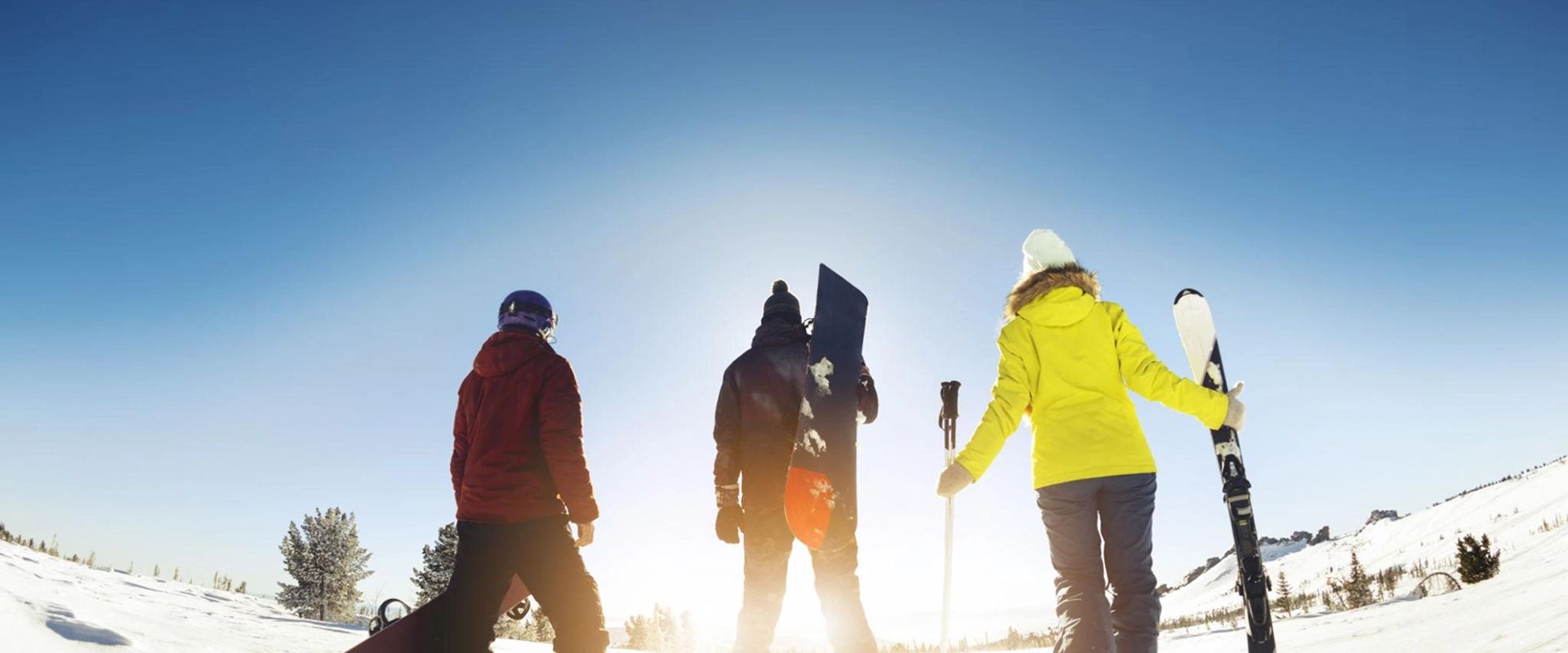
School holidays drive the rhythm of the European ski season. When they arrive, slopes fill up, accommodation demand rises and the whole resort experience changes. Travel outside those windows and the contrast is sharp - shorter lift queues, more space on the pistes and a noticeably more relaxed feel in the village. This guide maps the quietest windows of the 2026/27 season, explains what shapes demand across different countries, and covers what to expect when you travel off-peak. For a full month-by-month breakdown of conditions across the entire season, see our best time to go skiing hub guide.
The European ski industry runs on a handful of peak weeks. Christmas, New Year, February half term and Easter account for a disproportionate share of the season's bookings, which means accommodation fills earlier, flights are in higher demand and resorts operate at full capacity. Outside those windows, the same resorts can feel like different places entirely. A piste that has a five-minute queue at half term might have no queue at all in the second week of January.
The difference isn't just about comfort on the slopes. Off-peak travel typically means more choice when booking - more accommodation options, more convenient flight times and less pressure to finalise plans months ahead. For couples, retirees, remote workers or anyone without school-age children, choosing an off-peak window is one of the most effective ways to improve the overall quality of a ski holiday.
Three periods stand out as the quietest of the European ski season, each with its own character and trade-offs.
Early December (1-19 December). Most major resorts are open by early December, but schools across the UK and Europe haven't yet broken up. Slopes are quiet, the season's early energy is in the air, and accommodation is widely available. The trade-off is that snow cover at lower altitudes may still be building, and some terrain won't be fully open. Resorts above 1,800m with strong snowmaking - like Val Thorens or Obergurgl - are a strong choice for early-December trips.
January, second week onwards (c. 6 January - 31 January). This is widely considered the single best off-peak window of the season. The festive rush is over, schools are back, and the Alps settle into a quiet rhythm. Snow conditions are typically excellent - cold temperatures, a deep snowpack, regular fresh snowfall. Daylight hours are shorter than in spring, but the quality of skiing and the absence of crowds more than compensate. For more detail, see our guide to skiing in January.
Mid-to-late March (c. 10 March onwards). Once the last waves of European half-term holidays have passed, slopes empty out and the spring season begins. Days are longer and warmer, the snowpack is deep from months of accumulation, and the on-mountain atmosphere shifts noticeably. Morning skiing on firm, groomed runs followed by a long lunch on a sunny terrace is a rhythm many returning skiers prefer to any midwinter experience. See our skiing in March guide for a closer look.
Understanding which countries are on holiday at any given time helps explain why some weeks feel busier than others - even outside UK school dates. The French school system splits the country into three zones (A, B and C), each with staggered winter holidays across a six-week window from early February to mid-March. This means French Alpine resorts can feel busy for much longer than a single half-term week. Dutch, Belgian and German holidays follow their own patterns and often overlap with French or UK dates, compounding demand in popular resorts.
The practical takeaway is that avoiding UK half term alone isn't always enough. A week that feels off-peak by UK standards can coincide with Dutch or French holidays, particularly in the French and Austrian Alps. Checking the holiday calendars of the main visiting nationalities for your chosen resort gives a more accurate picture of likely demand.
| UK half term | Usually one week in mid-to-late February |
|---|---|
| French winter holidays | Three zones, staggered across early Feb to mid-March |
| Dutch spring break (Voorjaarsvakantie) | Usually one week in late February |
| German winter holidays (Winterferien) | Varies by state; Bavaria often late Feb/early March |
| Belgian carnival holiday (Krokusvakantie) | Usually one week in late February/early March |
| Easter holidays (all countries) | Dates shift annually; can fall late March to mid-April |
The most immediate difference is space. Lift queues that might run to ten or fifteen minutes during half term often disappear entirely off-peak. On the mountain, runs feel wider - you can choose your line rather than navigating around other skiers. Mountain restaurants have empty tables at lunchtime. The overall pace of the day feels less hurried.
The village experience changes too. Restaurants are easier to book, shops are less crowded, and there's a sense of the resort being yours rather than everyone's. Ski schools tend to run smaller group sizes, which can mean more attention from instructors. For first-timers especially, learning on quiet slopes with plenty of room to practise makes a noticeable difference to confidence and progression.
The trade-offs are modest. In early December, snow cover at lower altitudes may still be thin. In late March, south-facing runs soften through the afternoon. In January, days are shorter and temperatures colder. None of these are dealbreakers - they're manageable trade-offs for a significantly quieter and more spacious experience on the mountain.
Not every resort suits off-peak travel equally. The ideal off-peak resort combines reliable snow (so you're not dependent on a single good dump), enough infrastructure to keep lifts and restaurants running even when demand is lower, and a village that feels alive rather than half-shut. High-altitude resorts with strong snowmaking and a year-round population tend to work best.
Val Thorens is one of the most reliable off-peak choices in the Alps. At 2,300m, it has consistent snow from early season to late April, and as part of the Trois Vallees it has enough terrain to keep things interesting even with limited open runs in November or December. Obergurgl in Austria's Otztal valley is another strong option - high, snow-sure and with a compact village that stays welcoming even in quiet weeks.
Cervinia and Saas-Fee both have glacier access that extends the season at either end. Lech in the Arlberg and La Plagne in the Paradiski area are larger resorts that maintain their full lift network and village services even in lower-demand weeks, which means you still get the full resort experience without the crowds.
Choosing your dates is the biggest lever, but a few smaller decisions help too. Book lessons for the first morning - with smaller group sizes off-peak, you'll often get a more attentive session than during busy weeks. Midweek arrivals (flying Saturday to Saturday is a peak-season habit) can sometimes open up more convenient flight times and smoother transfers.
Match your resort to the time of year. Early December and late March work best at higher-altitude resorts where snow is more reliable. January works well almost everywhere - even lower-altitude resorts tend to have excellent conditions. If you're considering a shorter trip, off-peak windows suit long weekends and four-day breaks particularly well, since the quieter slopes let you maximise your skiing time without losing hours to queues.
Keep an eye on European holiday calendars beyond the UK. A week that's off-peak for British schools might coincide with Dutch or French holidays, particularly in the French Alps. Choosing a week that avoids all major European school breaks gives you the best chance of properly quiet slopes.
Check the gap between holidays. The week immediately after UK half term and before the last French zone's holiday is often the single quietest week of the entire season - usually the first or second week of March. Snow conditions are typically superb and slopes feel almost private.
January Saturdays are the new sweet spot. Saturday changeover days in January are noticeably calmer than at any other point in the season. Transfers are smoother, check-in is faster, and you start your holiday without the crowds that define a February arrival.
Watch the Italian calendar. Italian school holidays (Settimana Bianca) are set regionally and can catch people off guard, particularly in Dolomites and Italian-side resorts. A quiet resort can become busy overnight if an Italian region's holiday falls in your week.
Spring afternoons favour north-facing slopes. In March and April, south-facing runs soften quickly after midday. Plan your afternoon skiing on north-facing or shaded terrain to get the best snow quality later in the day.
Off-peak skiing at a glance
The three quietest windows: early December, mid-January onwards, mid-March onwards.
January (from the second week) combines the best snow with the fewest crowds.
Check European holiday calendars - not just UK dates - to avoid surprise busy periods.
High-altitude resorts with snowmaking are the most reliable for early and late season trips.
Off-peak travel typically means smaller lesson groups, shorter queues and more accommodation choice.
Match your resort to the timing: altitude matters most at the edges of the season.
Not at all - off-peak skiing suits every level. Beginners in particular benefit from quieter slopes, where there's more room to practise and less pressure from faster skiers. Ski school group sizes tend to be smaller outside school holidays, which often means more individual attention from instructors.
In the core of the season - January and March - almost all lifts and runs are fully operational. At the very start (early December) and very end (late April) of the season, some lower-altitude terrain may not be open. The main ski area and most infrastructure will still be running, but it's worth checking resort opening dates if you're travelling at the season's edges.
In well-established resorts, no. Village restaurants, ski hire shops and supermarkets operate throughout the season. Smaller, more seasonal businesses - a slope-side cocktail bar, for instance - might have reduced hours on the quietest weeks, but the core infrastructure stays open. Resorts with a year-round local population tend to feel the most alive off-peak.
You generally have more flexibility than with peak periods, but it's still worth booking a few months ahead for the best choice. Popular resorts can fill up even off-peak, and early booking locks in better flight options. For a step-by-step walkthrough, our how to book a ski holiday guide covers the process from start to finish.
The second or third week of January is hard to beat. The festive period is over, schools across Europe are back in session, snow conditions are at their most reliable, and resorts are operating at full capacity with minimal crowds. The first or second week of March - the gap between the last UK and final French school holidays - runs it a close second, with the added bonus of longer days and warmer sunshine.
Ready to lock in your dates? Tell WeSki’s AI trip planner when you can travel and it will match you to resorts with the best conditions for your window


WeSki is a trading name operated by Wetrip Weski Ltd (BR021500). All the flights and flight-inclusive holidays on this website are financially protected by the ATOL scheme. When you pay you will be supplied with an ATOL Certificate. Please ask for it and check to ensure that everything you booked (flights, hotels and other services) is listed on it. Please see our booking conditions for further information or for more information about financial protection and the ATOL Certificate go to: www.caa.co.uk.
Package holidays that do not include travel by air are financially protected via ABTOT.
For the latest travel advice from the Foreign & Commonwealth Office visit www.gov.uk/foreign-travel-advice.