EN
EN
Late season skiing - roughly late March through May - is one of the best-kept rhythms of the Alps. The snow is still deep at altitude, the days are longer, and the slopes are noticeably quieter than mid-winter. If you're weighing up whether spring conditions are worth it, our guide to skiing in April covers what to expect from the conditions. And for a broader view of the season, our best time to go skiing hub breaks down every month from November to May.
This list focuses on the resorts that stay open latest and ski best in spring. Every pick sits above 2,000 m or has glacier terrain, so the snow holds up well into the season. Each entry covers what makes the resort worth visiting late, plus a data table and insider tip to help you plan.
Contents
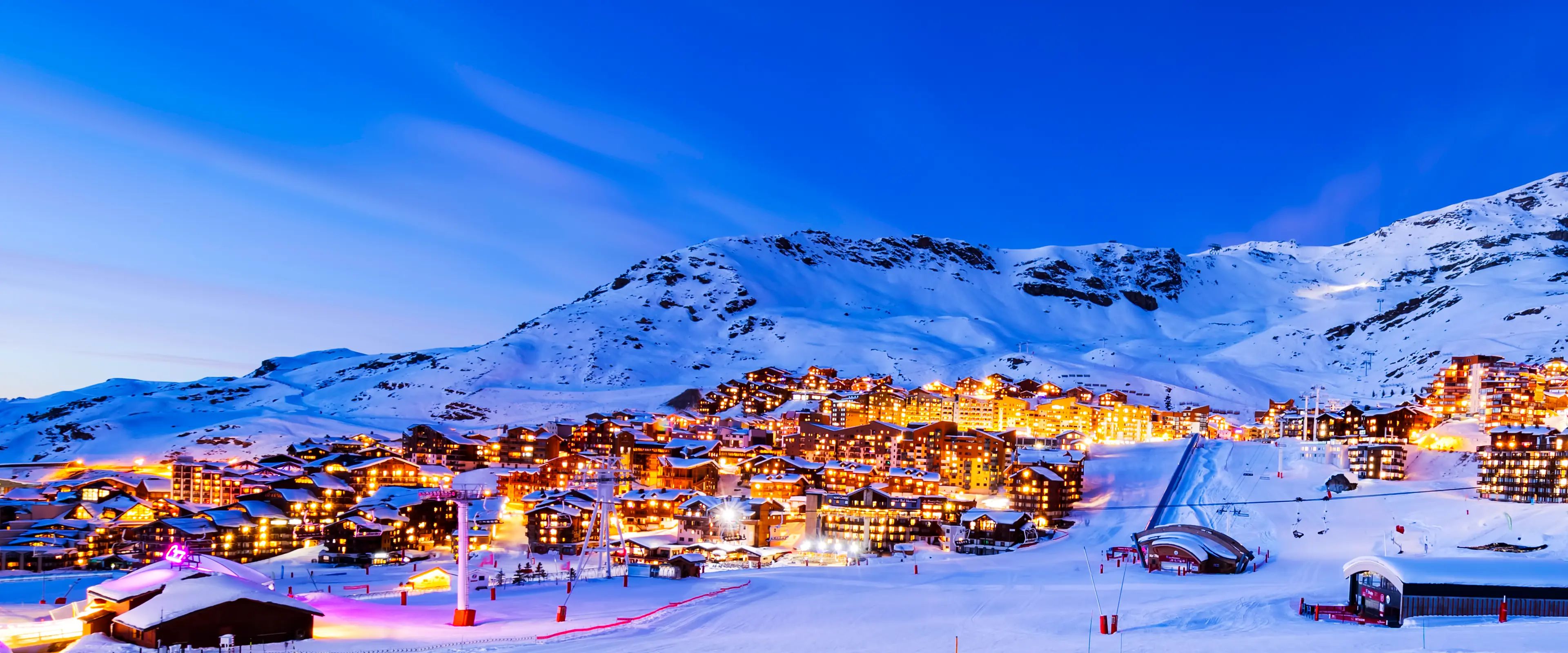
At 2,300 m, Val Thorens is Europe's highest resort village, and that altitude is the single biggest reason it skis so well into late season. The snow here lasts weeks longer than in lower resorts across the Trois Vallees, and the north-facing slopes above the village hold their condition even when afternoon temperatures climb. Most years the lifts run into early May, giving you access to 150 km of pistes that still feel properly wintery while the valleys below have turned green.
Spring mornings in Val Thorens tend to start with firm, groomed pistes and bright sunshine - ideal for long cruising runs before the snow softens after lunch. The resort's compact layout means you can be on a chairlift within minutes of stepping outside, which matters when the best snow window is the first half of the day.
✓ Europe's highest resort village at 2,300 m, with snow lasting well into May.
✓ North-facing slopes above the village hold their condition through warm spring afternoons.
✓ Compact, ski-in ski-out layout lets you make the most of morning snow.
| Country | France |
|---|---|
| Ski area | Les 3 Vallees - 600 km of pistes |
| Altitude | 2,300 m - 3,230 m |
| Typical closing date | Early May |
| Glacier terrain | No - but altitude compensates |
| Transfer time | Geneva (3h 30m); Lyon (3h 30m) |
WeSki insider tip: In late April, the lower lifts connecting to Meribel and Courchevel may already be closed. Stick to the Val Thorens sector itself and you'll find the most reliable snow, particularly on the Peclet glacier side above 2,800 m.
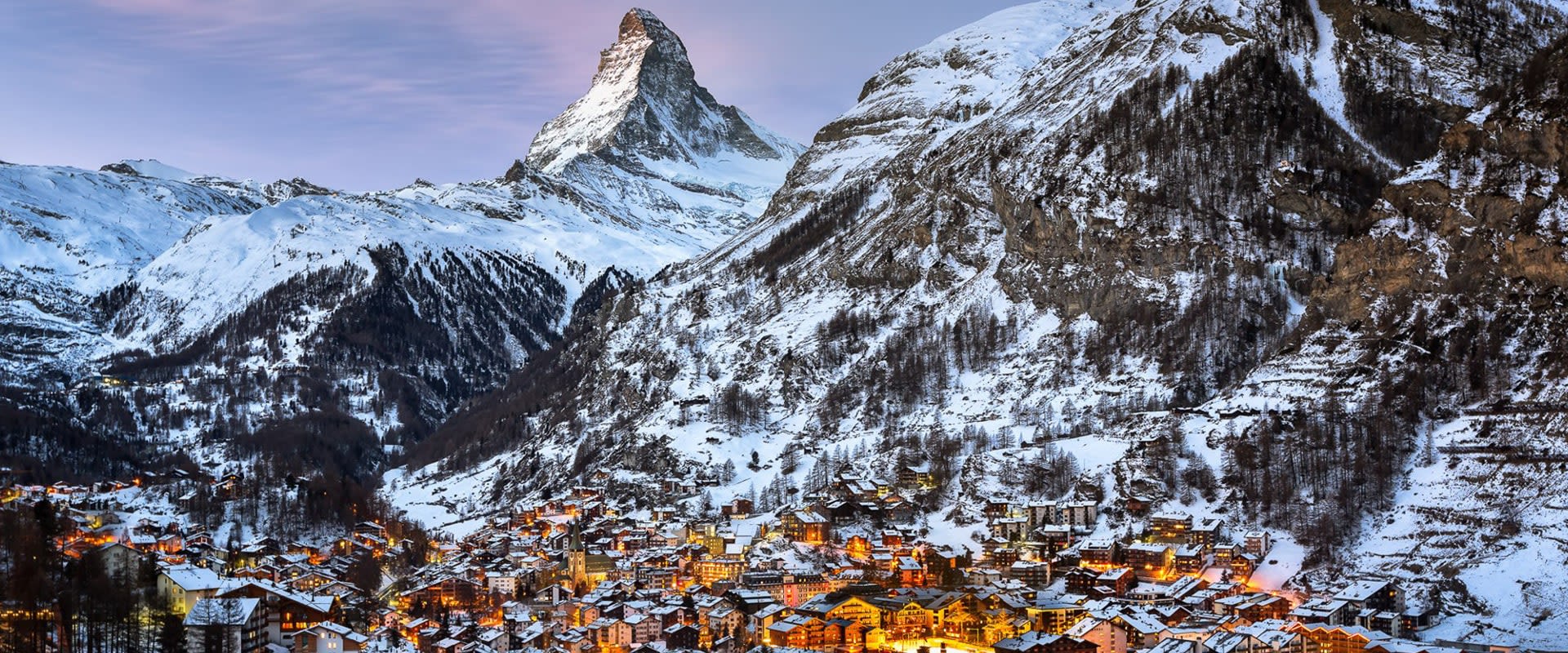
Zermatt is one of the very few European resorts where you can ski year-round, thanks to the Klein Matterhorn glacier sitting at 3,883 m. For late season visitors, this means guaranteed snow well beyond the point where most other resorts have packed up for summer. The glacier runs are open through May and into June, and the lower village slopes typically stay skiable until late April.
What sets Zermatt apart in spring is the combination of high-altitude reliability and village character. The car-free town is quieter than in February, restaurant terraces open up, and the views of the Matterhorn on a clear spring morning are as sharp as the skiing itself. The link to Cervinia on the Italian side adds another dimension - on warm days you can ski into Italy for a long lunch and return on snow that's still holding together at altitude.
✓ Year-round glacier skiing up to 3,883 m - the longest season in the Alps.
✓ Car-free village with a quieter, more relaxed atmosphere in spring.
✓ Cross-border link to Cervinia gives you two countries in one day.
| Country | Switzerland |
|---|---|
| Ski area | Matterhorn Ski Paradise - 360 km of pistes |
| Altitude | 1,620 m - 3,883 m |
| Typical closing date | Year-round (glacier); late April (lower slopes) |
| Glacier terrain | Yes - Klein Matterhorn glacier |
| Transfer time | Geneva (3h 30m); Zurich (3h 45m) |
WeSki insider tip: Book the first Matterhorn Glacier Paradise cable car of the morning - you'll get 90 minutes of well-groomed glacier runs before the snow starts to soften. By late morning, head lower and enjoy the spring slush on the wider intermediate runs above Furi.
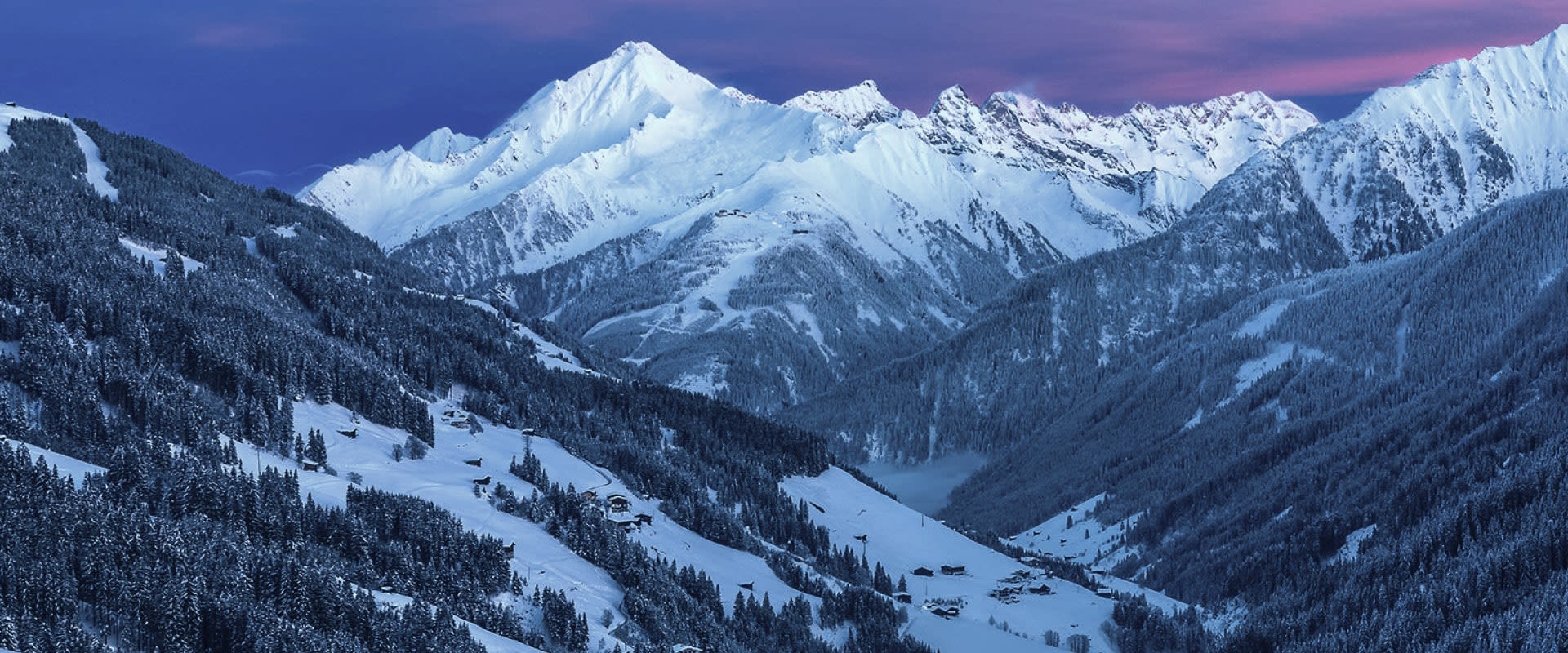
Hintertux operates one of only two year-round glacier ski areas in Austria, and it's built a reputation as the place you go when everywhere else has closed. The Hintertux Glacier sits between 1,500 m and 3,250 m, with the upper runs open 365 days a year. In late season, the glacier terrain is at its most accessible - warm spring weather makes the cable car ride comfortable, and the grooming above 2,600 m keeps runs in excellent shape through April and May.
The village of Hintertux is small and low-key, which suits the late-season mood well. There's none of the party atmosphere of mid-winter - just quiet, reliable glacier skiing with the Zillertal valley turning green below you. The Zillertal Superskipass also covers the wider valley's lower resorts, but in April the glacier is where you'll want to spend your time.
✓ Year-round glacier skiing up to 3,250 m - Austria's most reliable late-season option.
✓ Low-key village atmosphere that matches the relaxed pace of spring.
✓ Well-groomed glacier runs with consistent snow quality into May and beyond.
| Country | Austria |
|---|---|
| Ski area | Hintertux Glacier - 60 km of glacier pistes (Zillertal Superskipass: 530 km) |
| Altitude | 1,500 m - 3,250 m |
| Typical closing date | Year-round (glacier) |
| Glacier terrain | Yes - Hintertux Glacier |
| Transfer time | Innsbruck (1h 30m); Munich (2h 30m) |
WeSki insider tip: The Olperer Hut hike (accessible from the top of the glacier in spring) is one of the most photographed spots in the Zillertal. Time it for after your morning ski session - the views from the suspension bridge are extraordinary on a clear day.
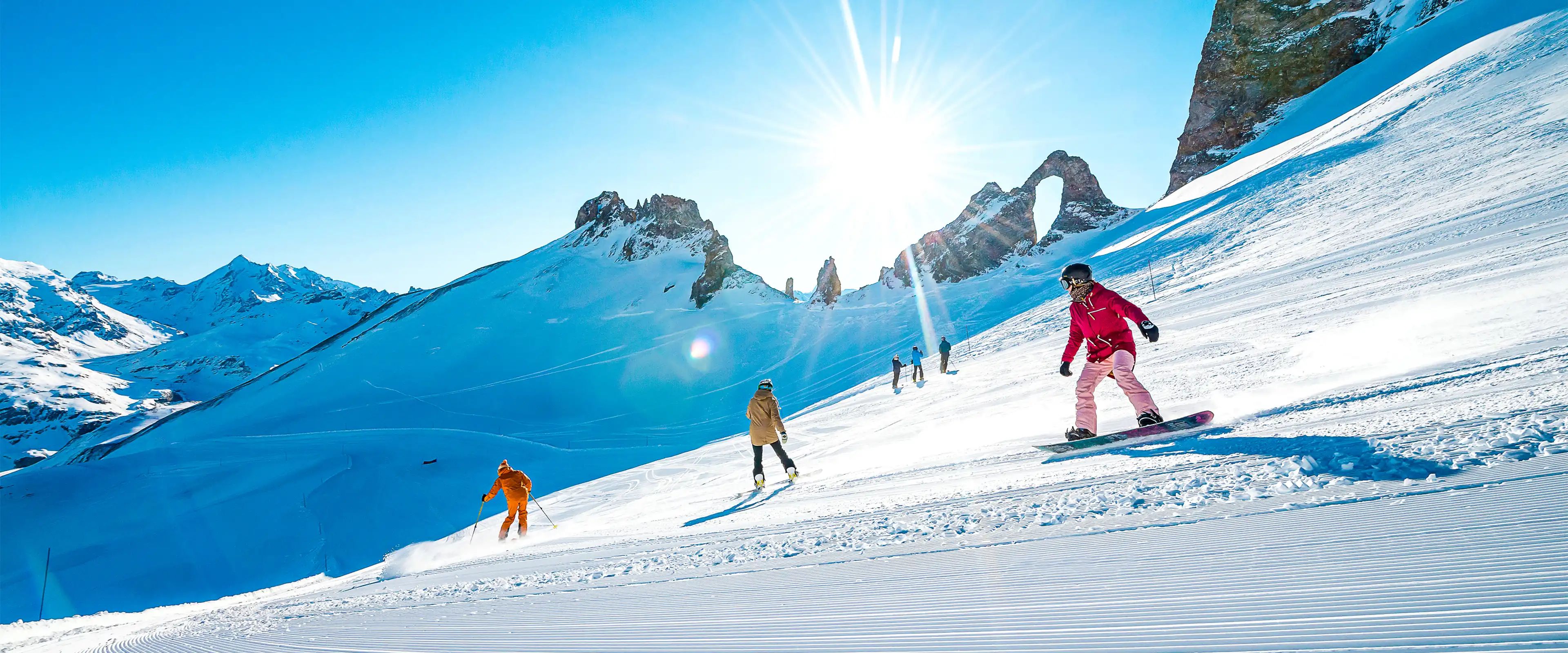
Tignes sits at 2,100 m and has glacier skiing on the Grande Motte up to 3,456 m, which keeps it open well into May most years. The resort has built a strong identity around late-season skiing - Tignes typically hosts end-of-season events and the spring atmosphere here is livelier than in many high-altitude resorts. The glacier runs are relatively gentle, making them accessible to intermediates as well as confident skiers.
Spring in Tignes has a particular rhythm: early mornings on the glacier for the best snow, a long lunch on the terrace of a mountain restaurant, and then a relaxed afternoon in the village as the lower slopes soften. The lake at Tignes le Lac thaws in late April and becomes a focal point for the town, and there's a palpable sense of the season winding down that many returning visitors actively seek out.
✓ Glacier skiing on the Grande Motte up to 3,456 m keeps lifts running into May.
✓ Lively end-of-season atmosphere with events and terrace culture.
✓ Gentle glacier terrain that suits intermediates as well as advanced skiers.
| Country | France |
|---|---|
| Ski area | Espace Killy (with Val d'Isere) - 300 km of pistes |
| Altitude | 2,100 m - 3,456 m |
| Typical closing date | Early May |
| Glacier terrain | Yes - Grande Motte glacier |
| Transfer time | Geneva (3h); Lyon (3h 15m) |
WeSki insider tip: In late season, the best snow is on the Grande Motte glacier between 8:30 and 11:00. After that, head to the north-facing Aiguille Percee sector above Tignes le Lac - it holds its condition an hour or two longer than the sunnier slopes around Val Claret.
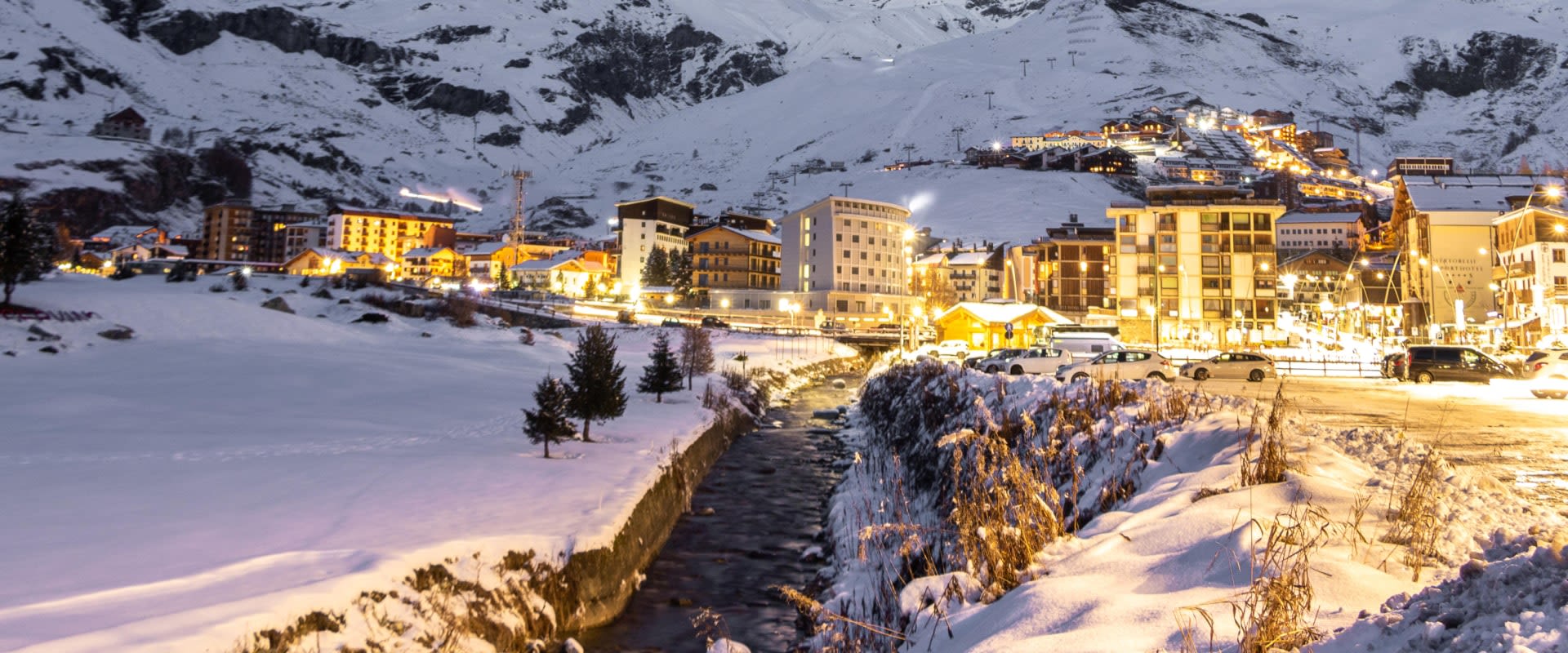
Cervinia shares the Matterhorn Ski Paradise with Zermatt, and its Italian-side glacier runs are among the highest in Europe - reaching 3,480 m on the Plateau Rosa. The resort typically stays open until early May, and the wide, rolling pistes at altitude make it one of the most comfortable places to ski in spring. The gradient is forgiving, the views are immense, and the Italian mountain restaurants are reason enough to visit.
Late season in Cervinia has a distinctly Italian flavour. Lunches are longer, the pace is slower, and the sun is warm enough for terrace dining from mid-morning. The snow at the top remains remarkably consistent thanks to the altitude and glacial terrain, while the lower runs around Plan Maison soften by early afternoon - ideal for relaxed cruising rather than hard charging.
✓ Glacier terrain up to 3,480 m with some of the widest, most forgiving runs in the Alps.
✓ Italian mountain restaurant culture at its best during sunny spring days.
✓ Cross-border link to Zermatt doubles your options if you want variety.
| Country | Italy |
|---|---|
| Ski area | Matterhorn Ski Paradise - 360 km of pistes |
| Altitude | 2,050 m - 3,480 m |
| Typical closing date | Early May |
| Glacier terrain | Yes - Plateau Rosa glacier |
| Transfer time | Turin (1h 45m); Milan (2h 30m) |
WeSki insider tip: Plan Maison (2,555 m) is the sweet spot for a long spring lunch. The restaurants there get full sun from late morning, and you can ski gentle runs back to the village afterwards once the slopes have softened. Arrive early to claim a south-facing table.
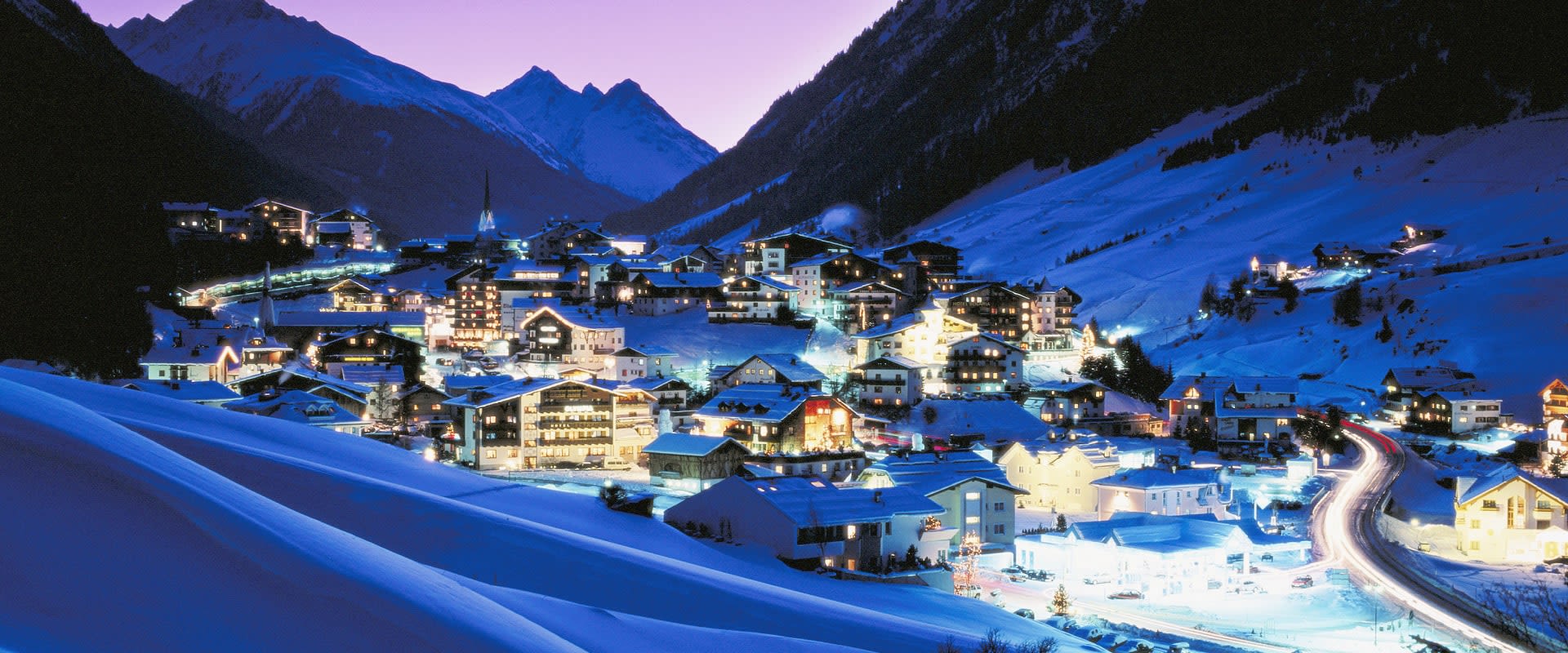
Ischgl doesn't have a glacier, but it skis late because almost all of its terrain sits above 2,000 m. The top station reaches 2,872 m, and the north-facing bowls above Idalp hold snow remarkably well into late April. The resort is famous for its Closing Concert - a major open-air music event on the last weekend of the season that draws thousands. Even without the concert, Ischgl in late season has an energy that's hard to find elsewhere.
The ski area itself is extensive - 239 km of pistes spread across two countries, with a ski link into Samnaun in Switzerland. In spring, the higher circuits around Greitspitz and Palinkopf are in the best condition, while the lower runs down to the village get slushy by early afternoon. The grooming team is one of the most diligent in Austria, which makes a real difference when the snow is transitional.
✓ Almost all terrain above 2,000 m keeps conditions reliable into late April.
✓ Famous end-of-season Closing Concert adds an event atmosphere.
✓ Cross-border skiing into Samnaun, Switzerland, with 239 km of varied pistes.
| Country | Austria |
|---|---|
| Ski area | Silvretta Arena (Ischgl-Samnaun) - 239 km of pistes |
| Altitude | 1,377 m - 2,872 m |
| Typical closing date | Late April / early May |
| Glacier terrain | No - but high base altitude compensates |
| Transfer time | Innsbruck (1h 30m); Zurich (2h 45m) |
WeSki insider tip: The Palinkopf sector (2,864 m) is the last area to lose its snow each spring. On a warm April day, head there first thing and work your way across the ridge towards Greitspitz before the sun reaches the lower slopes. The views into the Engadin valley from the top are a highlight in themselves.
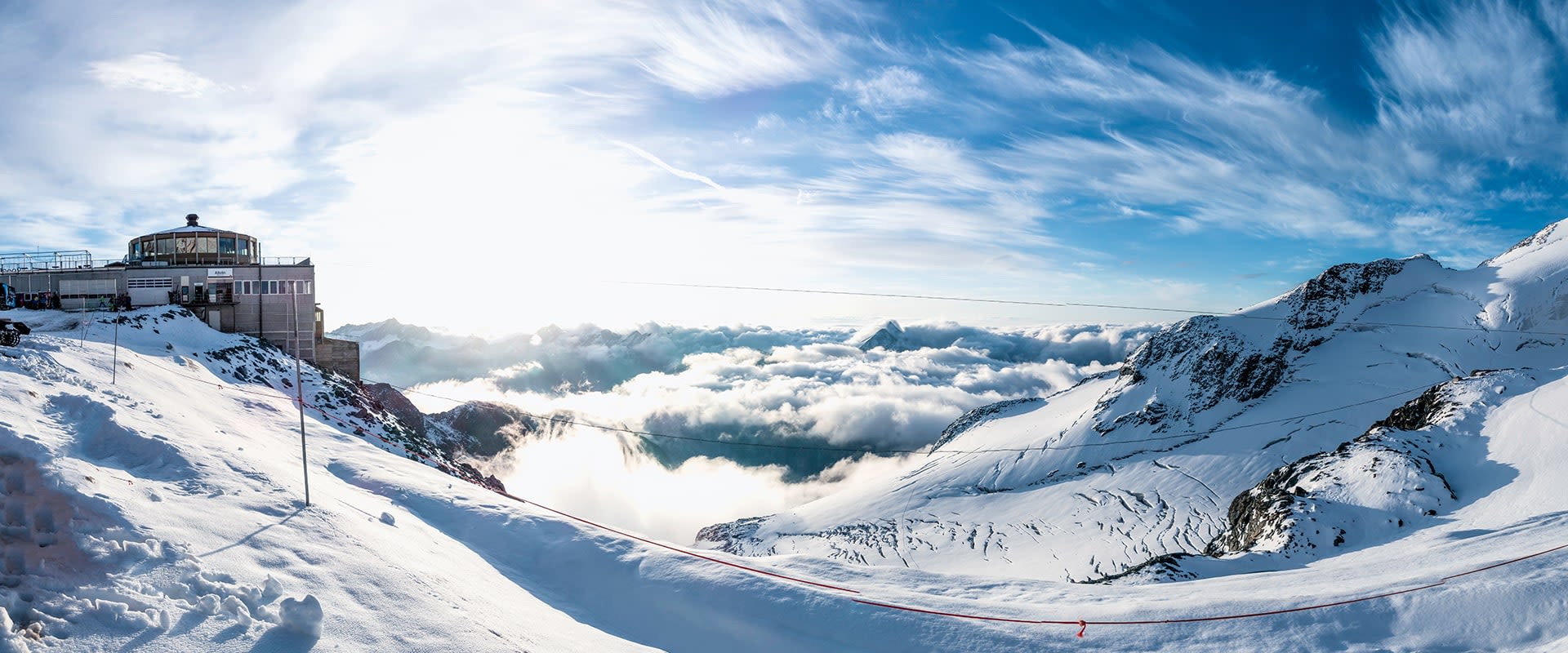
Saas-Fee is surrounded by 13 peaks over 4,000 m, and the Allalin glacier keeps it skiable well into spring and through the summer months. The village sits at 1,800 m and is car-free, which gives it a quieter, more contained feel than the larger Swiss resorts. In late season, the glacier above 3,000 m is in excellent shape while the lower village slopes take on a spring character - softer snow, longer days and a warm, unhurried pace.
The Mittelallalin area at 3,500 m is home to the world's highest revolving restaurant, and in spring you can eat lunch there with panoramic glacier views and barely another person in sight. The ski area is more compact than Zermatt's, but that works in its favour during late season - everything you need is within easy reach, and the lift queues are virtually non-existent.
✓ Glacier skiing up to 3,600 m keeps runs open through spring and into summer.
✓ Car-free village with a quieter, more relaxed atmosphere than larger Swiss resorts.
✓ Compact ski area means minimal travel time between runs.
| Country | Switzerland |
|---|---|
| Ski area | Saas-Fee - 100 km of pistes |
| Altitude | 1,800 m - 3,600 m |
| Typical closing date | Late April (main area); summer skiing on glacier |
| Glacier terrain | Yes - Allalin glacier |
| Transfer time | Geneva (3h); Zurich (3h 30m) |
WeSki insider tip: The Metro Alpin underground funicular takes you from Felskinn (3,000 m) to Mittelallalin (3,500 m) in just three minutes - and the temperature drop is noticeable. In spring, this is your express route to the best snow. Ski the glacier between 9:00 and noon, then drop down to the sunnier slopes around Plattjen for the afternoon.
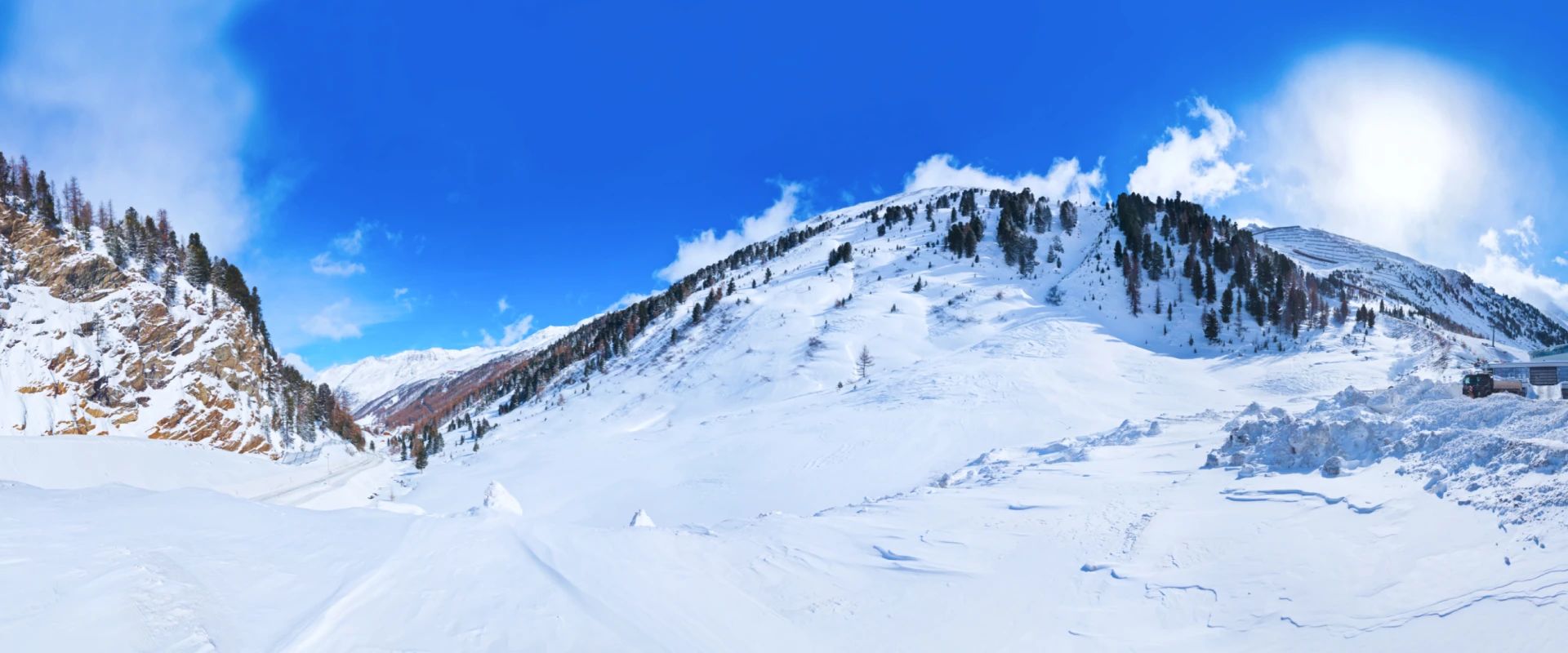
Obergurgl sits at 1,930 m - the highest parish in Austria - and the ski area reaches 3,080 m. It doesn't have glacier skiing, but the altitude and predominantly north-facing terrain mean the snow hangs on well into late April. The resort has a reputation for reliability that extends to its spring skiing: while lower Tyrolean resorts start to thin out by mid-March, Obergurgl's upper runs above Hohe Mut are typically in strong condition for another month or more.
The atmosphere in late-season Obergurgl is one of the quietest you'll find in Austria. It's a small, upmarket village with no through traffic and no rowdy nightlife. In spring, the hotel terraces come into their own, and the skiing settles into a pleasant rhythm of firm morning pistes followed by relaxed afternoon cruising on softening snow. The linked area of Hochgurgl (2,150 m) adds altitude and variety.
✓ Austria's highest parish at 1,930 m with skiing up to 3,080 m for reliable late-season snow.
✓ Quiet, upmarket village with no through traffic - ideal for a relaxed spring break.
✓ Linked Hochgurgl sector at 2,150 m adds altitude and terrain variety.
| Country | Austria |
|---|---|
| Ski area | Obergurgl-Hochgurgl - 112 km of pistes |
| Altitude | 1,930 m - 3,080 m |
| Typical closing date | Late April |
| Glacier terrain | No - but high base altitude compensates |
| Transfer time | Innsbruck (1h 15m); Munich (3h) |
WeSki insider tip: The Hohe Mut gondola opens up some of the highest terrain in the area at 2,670 m. In late season, this sector catches the morning sun first and grooms beautifully. Start your day here, then traverse across to the Hochgurgl side where the north-facing slopes hold firm snow later into the morning.
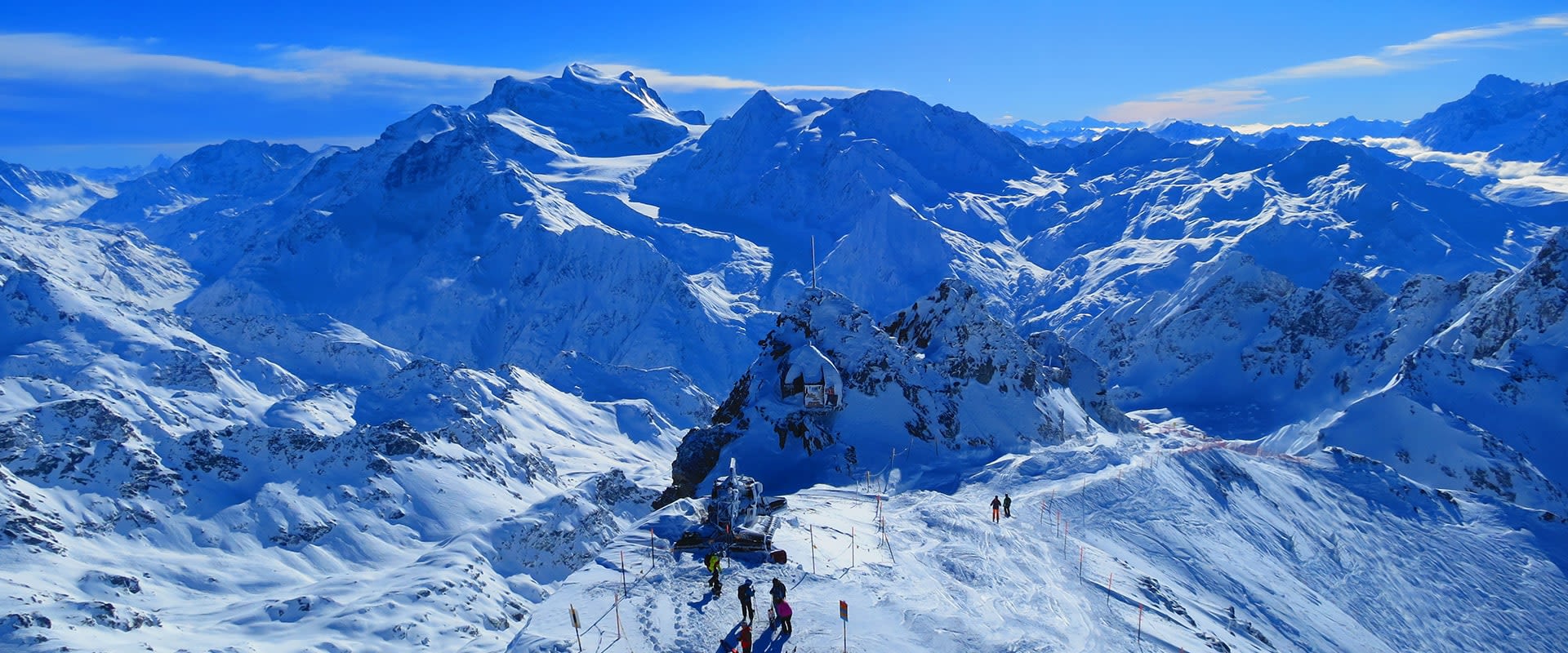
Verbier is part of the vast 4 Vallees network, and its upper terrain around Mont Fort (3,330 m) and Mont Gele keeps it in the late-season conversation. Verbier isn't primarily a glacier resort, but the combination of high-altitude pistes and an extensive off-piste reputation means it draws confident skiers well into April. The spring snow transforms the famous off-piste itineraries - corn snow on the Vallon d'Arbi and Mont Gele couloirs is a highlight that experienced spring skiers specifically seek out.
The village itself takes on a different character in late season. The January crowds are gone, the restaurants thin out, and the town feels more like a proper mountain village than a winter resort. For intermediates, the groomed runs above Les Ruinettes and on the Savoleyres side are in good condition through mid-April, especially in the mornings. Verbier is a resort that rewards spring visits in a way that some of its glossier competitors don't.
✓ Upper terrain at Mont Fort (3,330 m) keeps piste and off-piste skiing going into late April.
✓ Spring corn snow transforms Verbier's famous off-piste itineraries into a highlight.
✓ Village atmosphere shifts from busy resort to relaxed mountain town in late season.
| Country | Switzerland |
|---|---|
| Ski area | 4 Vallees - 412 km of pistes |
| Altitude | 1,500 m - 3,330 m |
| Typical closing date | Mid to late April |
| Glacier terrain | No - but Mont Fort reaches 3,330 m |
| Transfer time | Geneva (2h 15m); Zurich (3h 30m) |
WeSki insider tip: Spring is arguably the best time for Verbier's off-piste itineraries, as the snowpack has consolidated and corn snow cycles become more predictable. If you're an intermediate sticking to groomed runs, the Savoleyres side of the resort faces north-west and holds its snow noticeably longer than the main Verbier bowl.
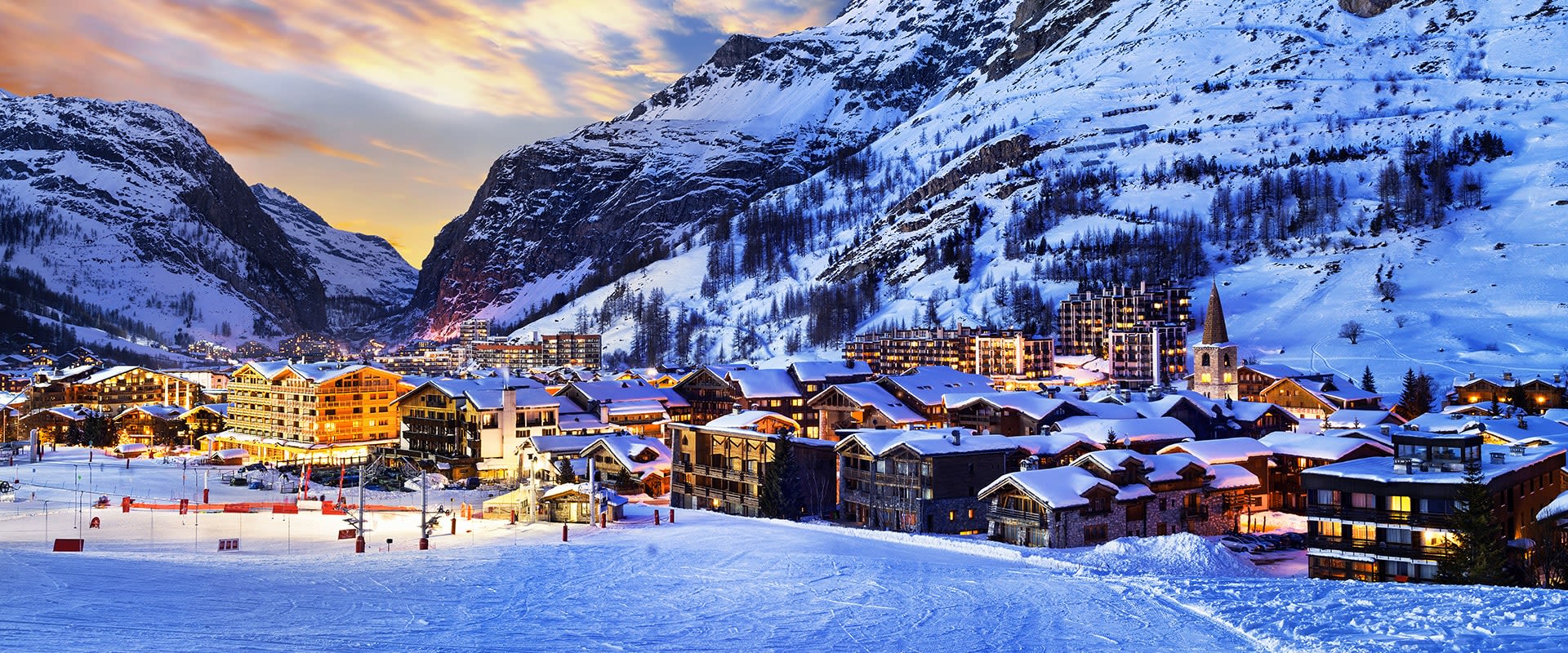
Val d'Isere shares the Espace Killy with Tignes, and its own terrain peaks at 3,456 m on the Pisaillas glacier. The resort stays open until late April or early May most years, with the glacier pistes holding snow well after the lower village slopes have softened. Val d'Isere has a particular reputation for spring skiing among French skiers - the combination of reliable altitude, strong grooming and a lively village makes it a natural late-season destination.
In spring, the Face de Bellevarde - the famous Olympic downhill run - takes on a different character. The steeper sections become challenging spring skiing with variable snow, while the wider runs off the Solaise gondola soften into forgiving intermediate terrain by late morning. The village itself is at 1,850 m and stays snow-covered well into April, so there's no trudging through slush to reach the lifts. The restaurant and bar scene is quieter than in February but still very much alive.
✓ Pisaillas glacier at 3,456 m provides reliable snow through April and into May.
✓ Lively village atmosphere that sustains its restaurant and bar scene into late season.
✓ Wide variety of terrain from gentle intermediates to the Olympic downhill.
| Country | France |
|---|---|
| Ski area | Espace Killy (with Tignes) - 300 km of pistes |
| Altitude | 1,850 m - 3,456 m |
| Typical closing date | Late April / early May |
| Glacier terrain | Yes - Pisaillas glacier |
| Transfer time | Geneva (3h); Lyon (3h 15m) |
WeSki insider tip: The Solaise sector is the morning pick in spring - its east-facing slopes catch the first sun and groom well. By lunchtime, switch to the higher Pisaillas glacier or traverse towards the Tignes link above Le Fornet, where the altitude keeps snow firmer through the afternoon.
It depends on the resort, but late season generally means late March through to early May. Resorts at lower altitudes start to wind down after Easter, while glacier resorts like Zermatt and Hintertux stay open much longer - in some cases year-round. The sweet spot for most high-altitude resorts is the first three weeks of April, when snow is still plentiful and the days are long and warm.
At altitude, yes. Resorts above 2,000 m or with glacier access typically have excellent snow into April, especially in the mornings. The pattern in spring is firm, fast pistes first thing, softening to spring slush by early afternoon. If you're used to mid-winter powder, the snow will feel different - but many experienced skiers actively prefer spring conditions for the sunshine, the quiet slopes and the predictable grooming cycles.
Sunscreen and good goggles are more important in spring than in January. The UV at altitude is significantly stronger when the sun is higher, and the reflection off snow amplifies it further. A lighter mid-layer is worth packing - you may not need the heavy fleece by late morning. Our
skiing in April guide covers spring packing in more detail.
Some resorts reduce lift pass prices towards the end of the season, and shorter passes (3 or 4 days) are often available. The bigger saving tends to come from accommodation and flights, which are generally less expensive outside school holiday periods. Booking through WeSki means your lift pass is part of the package, so the late-season pricing is already factored in.
Zermatt and Hintertux are the standout options - both have glacier terrain that operates year-round. Beyond those, Val Thorens, Tignes and Val d'Isere typically run into early May. Ischgl, Obergurgl and Cervinia usually close in late April. For resorts still open after May, you're looking at glacier-only skiing with a more limited number of runs.
It can be, with some caveats. The morning snow at altitude is often firm and well-groomed, which is great for learning. But spring conditions can change quickly through the day - what starts as a smooth piste can become slushy by afternoon, which is trickier for beginners to navigate. Resorts like Cervinia and Obergurgl, with their wide, gentle slopes, are better late-season picks for newer skiers than steeper options like Verbier.
Thinking about a spring ski trip? WeSki's AI trip planner can match you with resorts that are still open for your dates - tell it when you want to go and it'll build a shortlist around what's actually skiable.


WeSki is a trading name operated by WeTrip Ltd. All the flights and flight-inclusive holidays on this website are financially protected by the ATOL scheme. When you pay you will be supplied with an ATOL Certificate. Please ask for it and check to ensure that everything you booked (flights, hotels and other services) is listed on it. Please see our booking conditions for further information or for more information about financial protection and the ATOL Certificate go to: www.caa.co.uk.
Package holidays that do not include travel by air are financially protected via ABTOT.
For the latest travel advice from the Foreign & Commonwealth Office visit www.gov.uk/foreign-travel-advice.