EN
EN
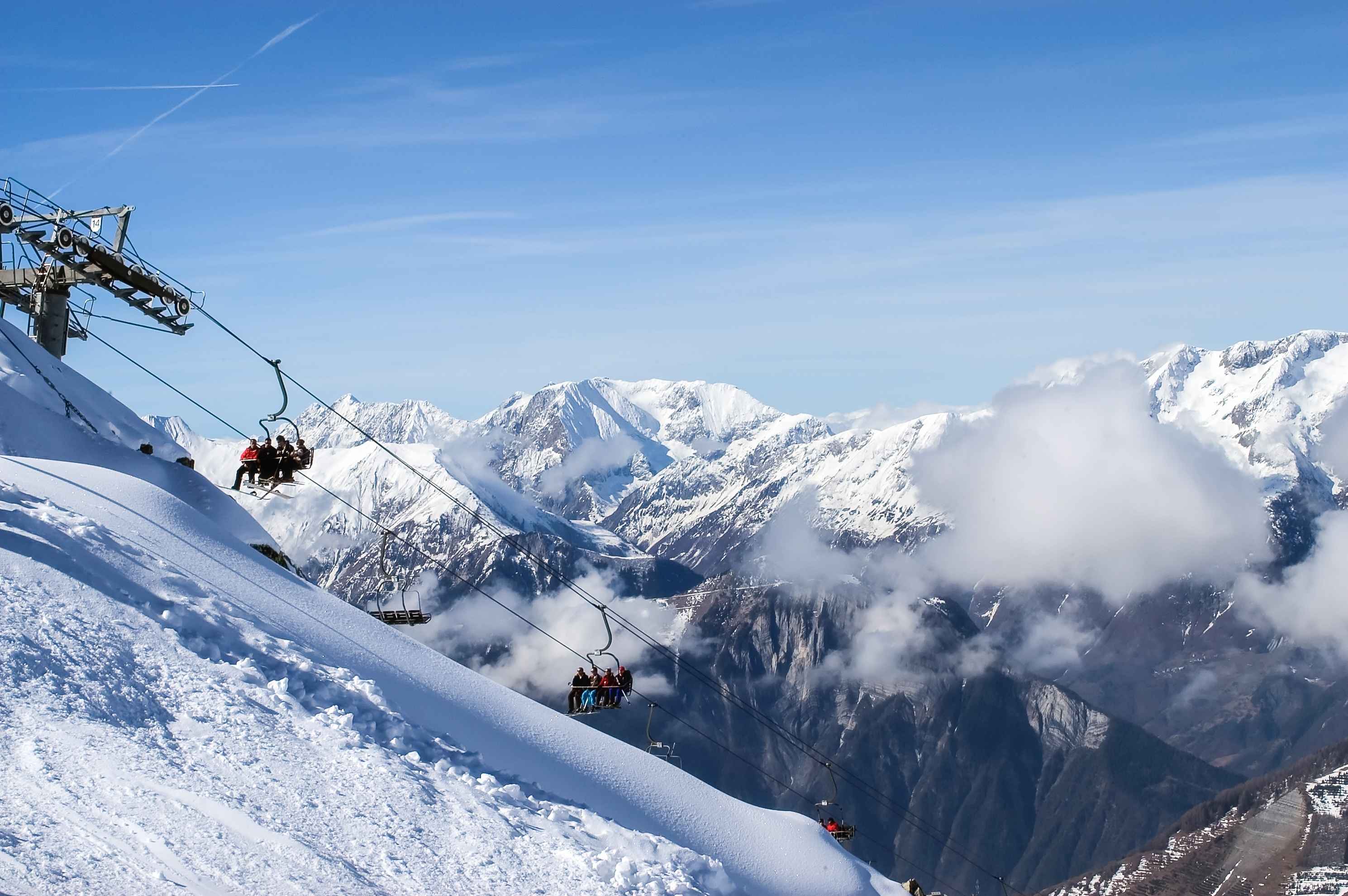
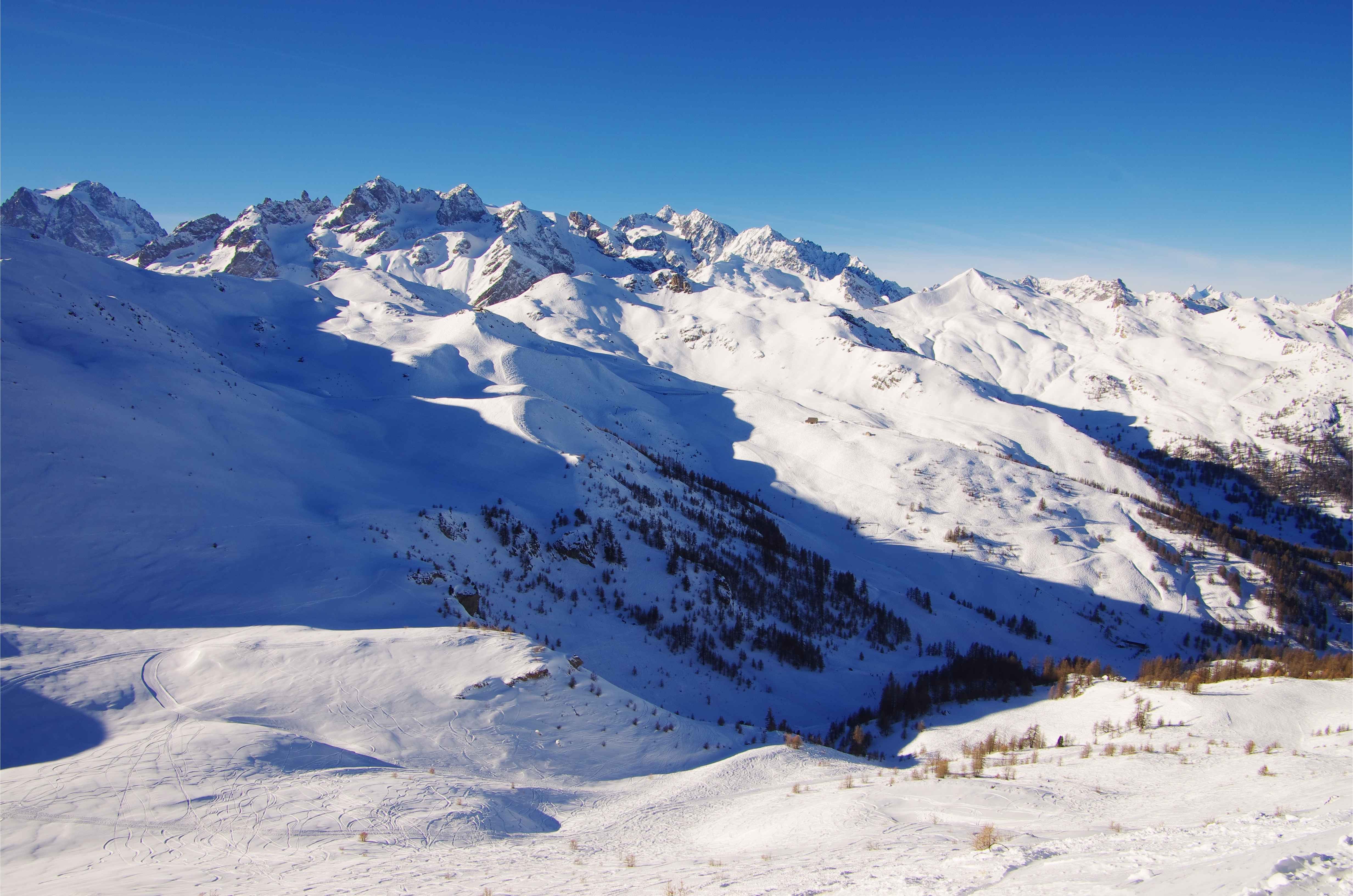
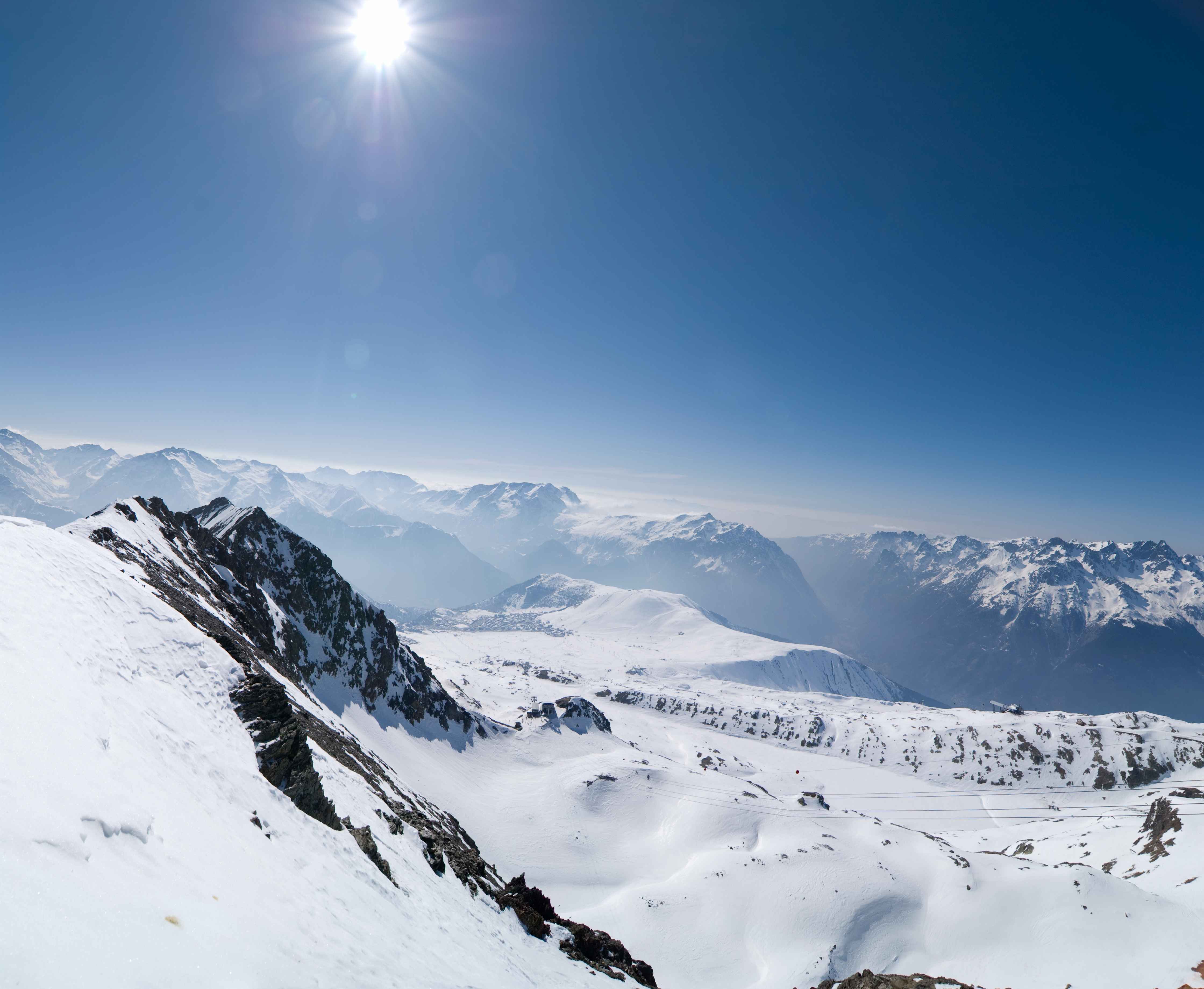
Alpe d'Huez and Les Deux Alpes face each other across the Romanche valley in the Oisans, around an hour apart by road. They get mentioned in the same breath constantly, and the reasons are fair: both are large, high, sun-facing resorts with long descents and busy bars. Two things are worth knowing before you book. The cable car that was going to join them has been shelved, so they are not linked and there are no plans to link them. But a six-day lift pass at either one includes days at the other, which makes the decision less final than it looks. The bigger difference is the shape of the two mountains, and it runs in opposite directions. This guide compares them on terrain, snow, lift passes, villages, families, experts and transfers.
Choose Alpe d'Huez for: one of the largest beginner areas in the Alps, with free lifts at village level and green runs that lead straight home - the reason it works so well for first-timers - plus long sunny intermediate runs spread across five linked villages, and the 16 km Sarenne.
Choose Les Deux Alpes for: altitude, with a glacier at 3,600 m and three-quarters of the terrain above 2,000 m, wide easy blues high on the mountain, one of the strongest freestyle and off-piste scenes in France, and a single-street village that suits groups travelling together.


| Feature | Alpe d'Huez | Les Deux Alpes |
|---|---|---|
| Country | France | France |
| Ski area | Alpe d'Huez Grand Domaine - around 250 km across five linked villages | Les 2 Alpes - around 220 km on one long mountain |
| Shared area | None - the two are not lift-linked | None - the two are not lift-linked |
| Village altitude | 1,860 m | 1,650 m |
| Highest lift | 3,330 m (Pic Blanc) | 3,600 m (glacier) |
| Season | Roughly early December to late April | Roughly early December to late April, plus glacier skiing into early July |
| Lift pass | Alpe d'Huez Grand Domaine, with Grande Galaxie days at Les Deux Alpes | Les 2 Alpes Grand Domaine, with Grande Galaxie days at Alpe d'Huez |
| Best for | Beginners, long cruising runs, sunshine | Glacier skiing, freestyle, off-piste, long season |
| Village character | Large resort spread across a sunny plateau | One long street along a shelf above the valley |
| Nearest airport | Grenoble (~1 hr 30 min); Lyon (~2 hr) | Grenoble (~1 hr 45 min); Lyon (~2 hr 15 min) |
The two mountains are built the opposite way up, and almost everything else follows from that. Alpe d'Huez runs conventionally: gentle ground on the plateau at village level, steepening as you climb through the Grandes Rousses towards Pic Blanc at 3,330 m. Around 250 km of pistes fan out across five linked villages, which means a lot of long, sunny, mid-gradient runs and several descents of well over 1,500 m of vertical down to Oz, Vaujany and Auris. From Pic Blanc, the Sarenne drops 16 km into the gorge and is billed as the longest black run in Europe, though only the first section is really black - the rest is a long red-and-green cruise that a confident intermediate can enjoy. Les Deux Alpes inverts all of it. Its 220 km climb one broad mountain from 1,300 m to the glacier at 3,600 m, and the pistes get easier the higher you go: wide blues and greens up top, steeper reds through the middle, and a wall of black at the bottom where the runs drop back into the village.
Who it suits: for variety and long descents at a manageable gradient, Alpe d'Huez; for sustained high-altitude vertical on one big mountain, Les Deux Alpes.
Altitude favours Les Deux Alpes, and not by a small margin. Around three-quarters of its terrain sits above 2,000 m and the glacier tops out at 3,600 m, which keeps the upper mountain in condition from early season through to a spring finish, with glacier lifts running on into early July in a good year. Alpe d'Huez is high too, and the Pic Blanc sector holds well, but the resort trades on its sunshine and most of its slopes face south. That makes for very pleasant February skiing and quicker softening in late March and April, particularly on the lower runs, where snowmaking does most of the work. Both resorts have put money into cannons rather than counting on the ice above them.
Who it suits: for an early-season or spring trip, Les Deux Alpes has the altitude; through the core of the winter there is little between them, and Alpe d'Huez will be the sunnier week.
This is the part most people booking either resort never find out, and it changes the decision. Both belong to the Grande Galaxie agreement, which means a six-day or longer pass at one includes days at the other - a Les 2 Alpes pass of six days or more covers two days across the whole Alpe d'Huez Grand Domaine, including Vaujany, Oz, Auris and Villard-Reculas, and the Alpe d'Huez pass works the same way in reverse. The same agreement adds days at Serre Chevalier, Montgenèvre, Puy-Saint-Vincent and Sestriere over in the Milky Way, and a discount on a day at La Grave. What it does not include is transport. There is no lift between the two resorts, the road takes about an hour each way down through Bourg-d'Oisans, and the cable car that would have joined them was shelved and has since been ruled out by the lift company. A helicopter shuttle crosses in a few minutes for anyone who would rather not spend two hours on a coach.
Who it suits: if you are booking six days or more, treat the other resort as a day you have already paid for, and plan the transport rather than the pass.
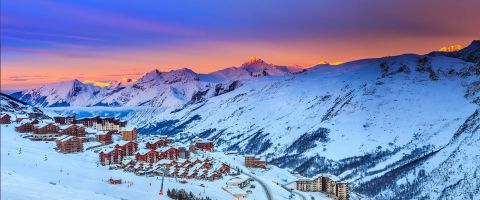
Alpe d'Huez sprawls. It sits on an open plateau and divides into districts - Les Bergers at the top of the village, Rond-Point des Pistes in the middle, the older Vieil Alpe below - with a wide spread of hotels and apartments, and the walk between them matters more than you expect on tired legs. The four satellite villages are the quieter alternative: Vaujany and Oz in particular are small, modern and linked straight into the ski area. Les Deux Alpes is the opposite shape, a single street running a little over 2 km along a shelf with lifts spaced down its length, so wherever you book you are close to one. Most of what you can book is apartments, a free bus runs the length of the street, and the whole village is flat, which is worth knowing if you are pushing a buggy around.
Who it suits: for a choice of bases and a quieter satellite option, Alpe d'Huez; for everything within walking distance on one level, Les Deux Alpes.
Both are known for it, in different registers. Alpe d'Huez has the bigger afternoon: La Folie Douce above the Marmottes lifts sets the tone, and the Freeride Café and Smithy's Tavern carry it into the village, where the dining spreads across the districts and covers most tastes. Les Deux Alpes leans younger and later. The Pano Bar up at 2,600 m is the mountain fixture, Smokey Joe's and the Polar Bear are the village staples, and the seasonaire crowd keeps the clubs going long after Alpe d'Huez has thinned out. Mountain restaurants are solid rather than remarkable on both sides.
Who it suits: for a big afternoon on the mountain and a broad choice at dinner, Alpe d'Huez; for a late night out, Les Deux Alpes.
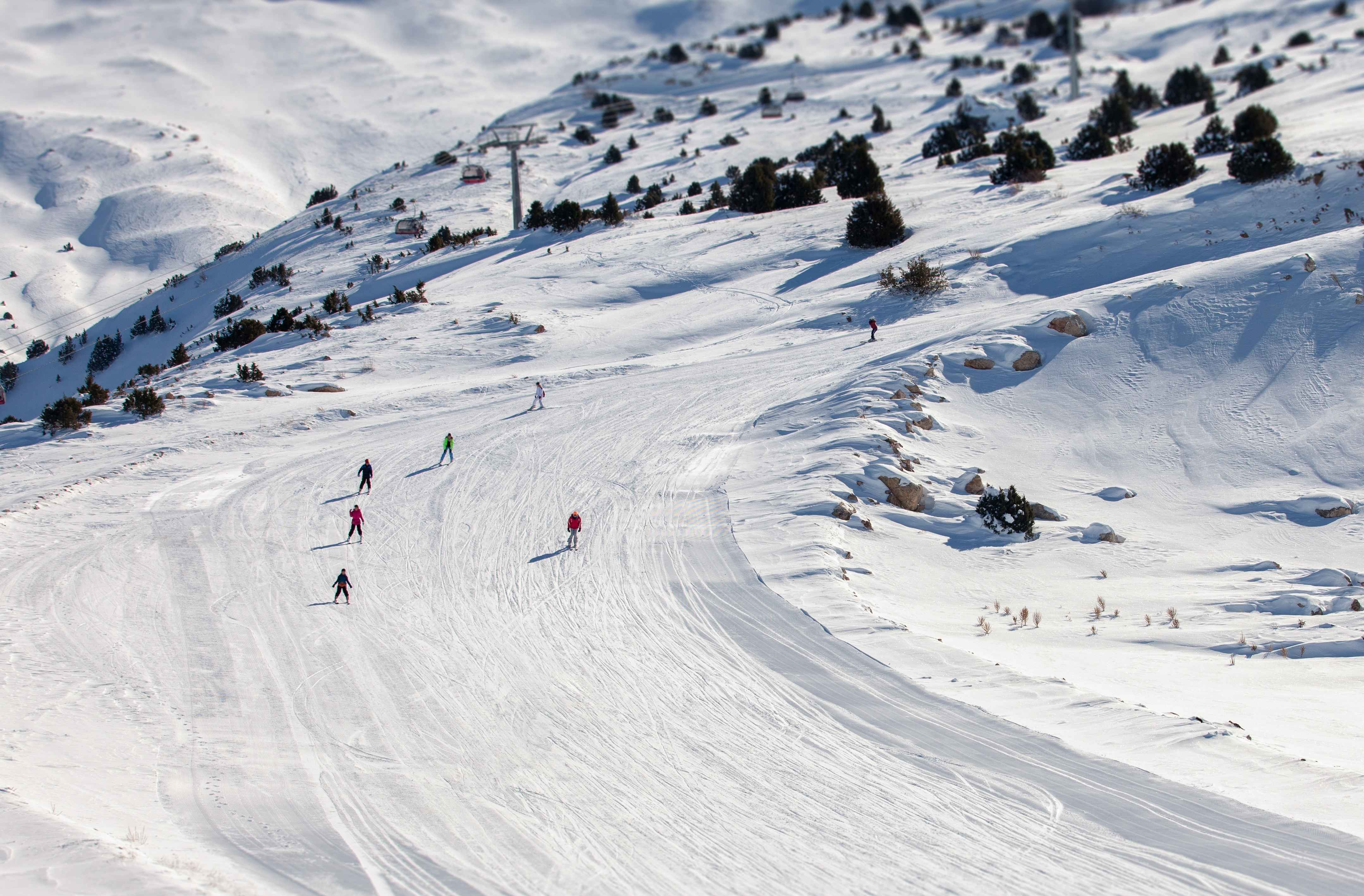
Alpe d'Huez has the clearer case here, and it comes down to where the easy runs sit. Its beginner area is among the largest in the Alps, spread along the top of the village with free lifts, and the greens above it feed back down to the same place, so a first-timer can ski to the door from day one. Les Deux Alpes has good nursery slopes at village level and free beginner lifts too, and the easy blues high on the glacier let a second-week skier link long descents earlier than most resorts allow. The catch is the way home. The runs back into the village are blacks, apart from one narrow green that gets crowded and unpleasant at the end of the day, and the local ski schools tell beginners to ride the gondola down instead. That is manageable, but it is a daily piece of admin on a family holiday rather than a detail.
Who it suits: for a first week, or a family with mixed abilities who want to finish the day together, Alpe d'Huez; Les Deux Alpes suits families whose children are already skiing blues confidently.
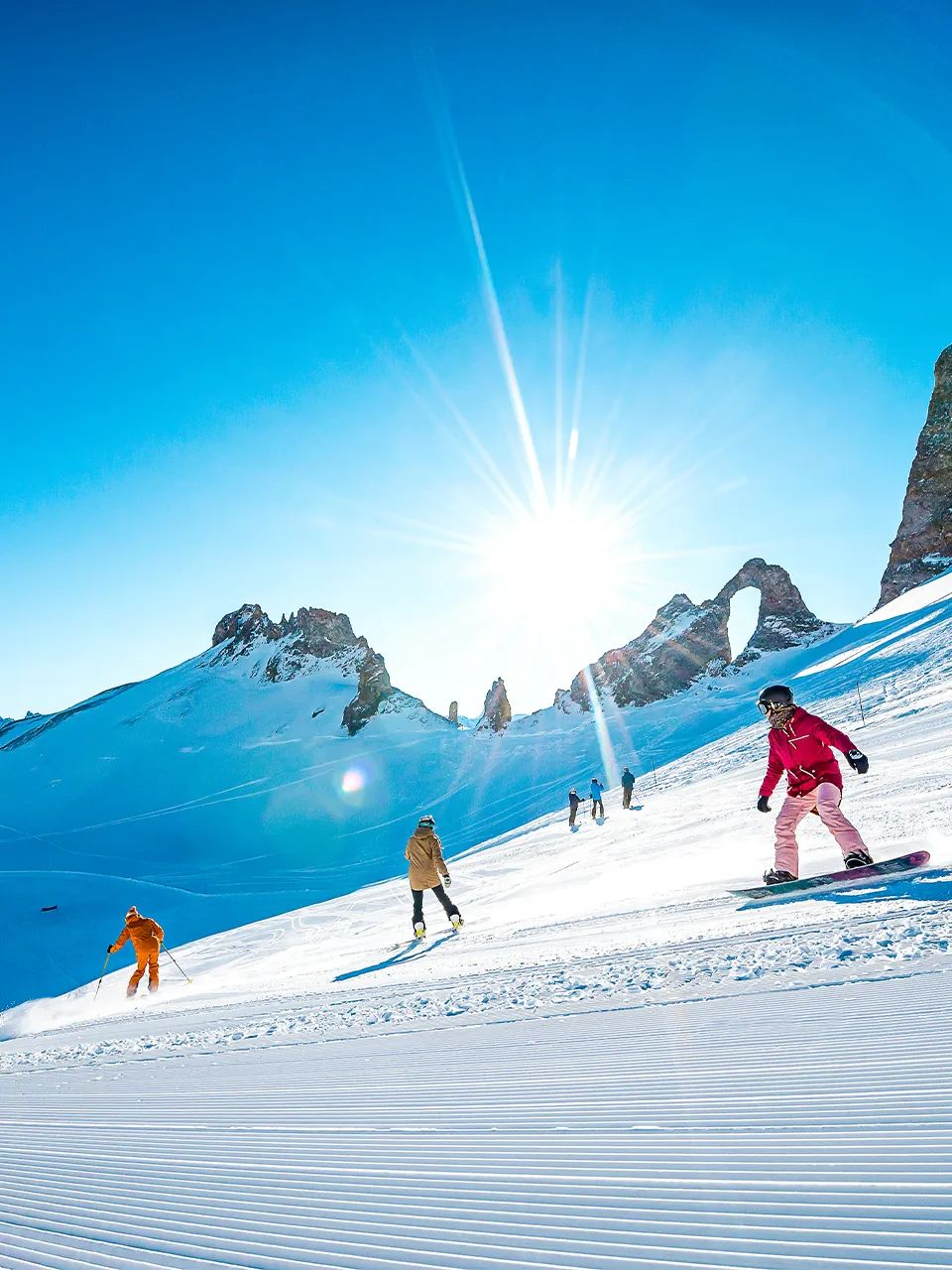
Les Deux Alpes is the stronger of the two, and freestyle is where the gap is widest. It has a long-standing park scene on the glacier that runs into the summer, around 1,400 hectares of off-piste within the area, steep blacks off La Fée and the Diable sector, and La Grave next door, reached from the top of the glacier, which is as serious as lift-served freeriding gets in the Alps. Alpe d'Huez answers with the Tunnel, a mogul field reached through a passage cut under the ridge at Pic Blanc, the couloirs either side of it, and off-piste from the top of the Sarenne glacier that is well worth a guide. It has two parks, and they are decent without being the reason anyone books.
Who it suits: for freestyle, off-piste and access to La Grave, Les Deux Alpes; for lift-served steeps and moguls close to the village, Alpe d'Huez holds up well.
Grenoble is the closest airport to both, at roughly an hour and a half to Alpe d'Huez and a little under two hours to Les Deux Alpes, with Lyon adding around half an hour on each. Geneva has far more flights from the UK but is closer to three hours either way, so it is the trade-off between fare and road time that most people end up making. Both approaches run up the same valley from Bourg-d'Oisans before splitting, and both finish with switchbacks - the 21 hairpins up to Alpe d'Huez are famous from the Tour de France, and worth mentioning to anyone in the group who travels badly. Grenoble has a station if you would rather come by rail, with a bus up from there.
Who it suits: the difference is fifteen minutes, so let the flights decide rather than the transfer.
WeSki insider tip: if your pass includes a day at the other resort, take it early in the week rather than saving it. Crossing eats a couple of hours on the road, so you want a clear forecast and the option to go again if the first attempt gets weathered out. Basing in Les Deux Alpes, spend that day on the Sarenne; basing in Alpe d'Huez, go for the glacier before midday, when the snow up there is at its best.
Three questions tend to settle this pairing, and none of them is about which mountain is better.
Is anyone in the group on their first skis? This decides more bookings here than anything else. Alpe d'Huez keeps its beginner area at village level with green runs that come back to the same place, so a first-timer skis home. At Les Deux Alpes the gentle ground is high up and the way down is black, so beginners ride a lift back every afternoon. That is workable, but it shapes the week.
When are you travelling? Through January and February there is little in it, and Alpe d'Huez will be the brighter of the two. For a late-November trip, or anything from the end of March onwards, Les Deux Alpes has the altitude and the glacier above it.
How many days are you booking? Six or more and the Grande Galaxie days put both mountains within reach, so the choice is only about where you sleep. On a long weekend you will ski the one you are standing on, and the base carries the whole trip.
No, and it is worth being clear about it, because the two look close enough from the top of either one that people assume otherwise. There is no lift or piste connection across the Romanche valley. The cable car that was going to link them was shelved over environmental and financial concerns, and the lift company has since said it is not in its plans. To get from one to the other you take the road down through Bourg-d'Oisans and back up, which is about an hour, or a helicopter shuttle that crosses in a few minutes.
Partly, and this is the detail most visitors miss. Both resorts belong to the Grande Galaxie agreement, so a pass of six days or longer at either one includes days at the other. A Les 2 Alpes six-day pass covers two days across the Alpe d'Huez Grand Domaine and its satellite villages, and the Alpe d'Huez pass works the same way in reverse. The agreement also adds days at Serre Chevalier, Montgenèvre, Puy-Saint-Vincent and Sestriere. Transport between the resorts is not included, so plan the journey before you plan the day.
Alpe d'Huez, fairly clearly. Its beginner area is one of the largest in the Alps, sits right at the top of the village with free lifts, and the green runs above it come back down to the same spot, so a first-timer can ski home rather than ride down. Les Deux Alpes has good nursery slopes and easy blues high on the glacier, but the runs back into the village are black apart from one narrow green, so beginners take the gondola down at the end of each day.
Les Deux Alpes, on altitude. Roughly three-quarters of its terrain sits above 2,000 m and the glacier reaches 3,600 m, which holds the upper mountain in condition at both ends of the season and keeps glacier lifts turning into early summer. Alpe d'Huez is high at the top but mostly south-facing, so it gets the sunshine it is known for and softens earlier in spring on the lower runs. For a February week the difference is small; for late season or early season it is not.
Alpe d'Huez, at around 250 km of pistes against roughly 220 km. The more useful difference is the shape. Alpe d'Huez spreads across five linked villages, so the size shows up as variety and as long descents down to the valley bases. Les Deux Alpes concentrates its skiing on one broad mountain, so it feels smaller to explore but gives more sustained vertical in a single run. Neither is short of terrain for a week.
Les Deux Alpes has the deeper hand. It has a large amount of accessible off-piste, steep blacks dropping into the village, a park on the glacier that runs into the summer, and direct access to La Grave from the top of the lift system. Alpe d'Huez is no pushover, with the Tunnel mogul field under Pic Blanc, the couloirs around it and good off-piste from the Sarenne glacier, but the balance of its terrain sits in the intermediate range. Strong skiers tend to prefer Les Deux Alpes and use the included days to ski the Sarenne.


WeSki is a trading name operated by WeTrip Ltd. All the flights and flight-inclusive holidays on this website are financially protected by the ATOL scheme. When you pay you will be supplied with an ATOL Certificate. Please ask for it and check to ensure that everything you booked (flights, hotels and other services) is listed on it. Please see our booking conditions for further information or for more information about financial protection and the ATOL Certificate go to: www.caa.co.uk.
Package holidays that do not include travel by air are financially protected via ABTOT.
For the latest travel advice from the Foreign & Commonwealth Office visit www.gov.uk/foreign-travel-advice.